
Many homeowners dream of a lush, green lawn that stands out in the neighborhood. Fall is often called the best time to fertilize, but knowing exactly when to fertilize your lawn in fall—and when it’s too late—can make all the difference. Apply fertilizer at the wrong time and you risk wasting money, damaging your grass, or even encouraging disease. This guide will help you understand the critical timing, the science behind fall fertilizing, regional differences, and practical steps for success. You’ll learn not just the “when,” but also the “why,” so your lawn can thrive even as winter approaches.
Why Fertilize Your Lawn In Fall?
Fertilizing in the fall offers unique benefits. As summer fades, your grass is recovering from heat, drought, and heavy use. Fall fertilizer helps rebuild roots, store energy, and set the stage for a vigorous spring.
Cooler temperatures and extra rainfall in autumn create ideal conditions for grass growth. Fertilizer at this time:
- Boosts root development for winter survival
- Prepares grass for early spring green-up
- Repairs summer stress and damage
- Reduces risk of weed invasion
Unlike spring fertilizing, which mainly drives top growth (leaves), fall feeding encourages strong roots. This is especially important for cool-season grasses like Kentucky bluegrass, fescues, and ryegrass.
Understanding The Lawn Growth Cycle
Grass doesn’t grow the same way all year. Knowing how your lawn behaves in different seasons is key to fertilizing at the right time.
Cool-season Vs Warm-season Grasses
There are two main types of lawn grasses:
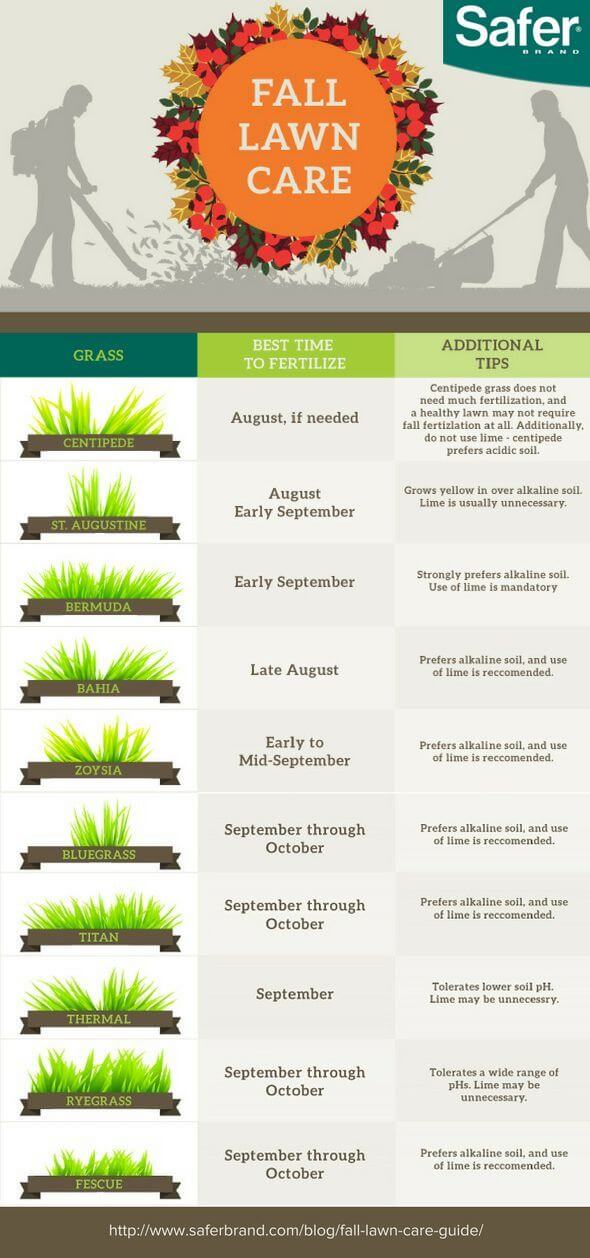
- Cool-season grasses (like bluegrass, fescue, ryegrass): Grow most in spring and fall. They prefer cooler weather.
- Warm-season grasses (like Bermuda, zoysia, St. Augustine): Grow best in late spring and summer. They slow down or go dormant in fall.
This article will focus mostly on cool-season lawns, since fall is their prime growing season.
The Fall Growth Surge
In early fall, cool-season lawns recover from summer stress. Roots grow deep, and blades become thick. As days get shorter and colder, the grass stops growing above ground, but roots keep working until the ground freezes. Fertilizer in this window helps boost root reserves for winter.

Credit: www.timwallacesoilmixsupply.com
The Science Of Fall Fertilization Timing
Timing your fall fertilizer is about matching the grass’s biology to the weather.
Soil Temperature Is Key
Grass roots absorb nutrients best when the soil temperature is above 50°F (10°C). When soil drops below this, root growth slows or stops, and fertilizer is wasted.
Most experts recommend fertilizing:
- When daytime air temperatures are consistently between 50°F and 70°F
- About 2–3 weeks before your average first hard frost
This gives grass time to absorb nutrients and store energy before winter.
Example: Chicago, Il
- Average first frost: October 20
- Best fall fertilizing window: Late September to early October
Example: Atlanta, Ga
- Average first frost: November 13
- Best fall fertilizing window: Late October to early November
Why Late Fertilizing Doesn’t Work
If you fertilize too late:
- Grass can’t absorb nutrients
- Fertilizer runs off with rain or snowmelt
- Roots don’t benefit, and you risk polluting local waterways
Late applications can also make grass more vulnerable to winter damage and disease.
Signs It’s Too Late To Fertilize In Fall
It’s not always easy to know if you’ve missed the window. These signs mean it’s probably too late:
- Soil temperature is below 50°F: Grass roots are mostly dormant.
- Frost is common at night: Growth has stopped.
- Lawn isn’t growing at all: Blades don’t bounce back after mowing.
- Snow is in the forecast: Frozen ground won’t absorb fertilizer.
An easy way to check soil temperature is with a soil thermometer, or online soil temp maps from your local extension service.
Credit: www.bladecutters.net
Regional Differences In Fall Fertilizing
The best timing varies by region. Here’s a general guide:
| Region | Average Fertilizing Window | Typical First Frost |
|---|---|---|
| Northeast (Boston, NY, PA) | Mid-September to Early October | Oct 10–20 |
| Midwest (Chicago, Detroit, MN) | Late September to Early October | Oct 15–25 |
| Pacific Northwest (Seattle, Portland) | Late September to Mid-October | Oct 25–Nov 5 |
| Mid-Atlantic (DC, VA, NC) | Early to Mid-October | Oct 25–Nov 10 |
| Southern States (Atlanta, Dallas) | Late October to Early November | Nov 10–20 |
These are averages. Always check your local weather and soil temperature for the best timing.
How To Fertilize Your Lawn In Fall: Step-by-step
If you’re in the right window, follow these steps for best results.
1. Test Your Soil
A soil test tells you what nutrients your lawn needs. Many extension offices offer soil testing kits. Knowing your lawn’s pH and nutrient levels prevents over-fertilizing.
2. Choose The Right Fertilizer
Look for a fertilizer labeled as “winterizer” or with these features:
- Higher in potassium (K) for root strength
- Moderate nitrogen (N) for gentle growth
- Low phosphorus (P) unless your soil test says otherwise
A good fall formula is 24-0-10 (N-P-K), meaning 24% nitrogen, 0% phosphorus, 10% potassium.
3. Mow And Water Before Application
Mow your lawn to 2. 5–3 inches. Water lightly a day or two before fertilizing. This helps the fertilizer reach the soil and protects roots.
4. Apply Evenly
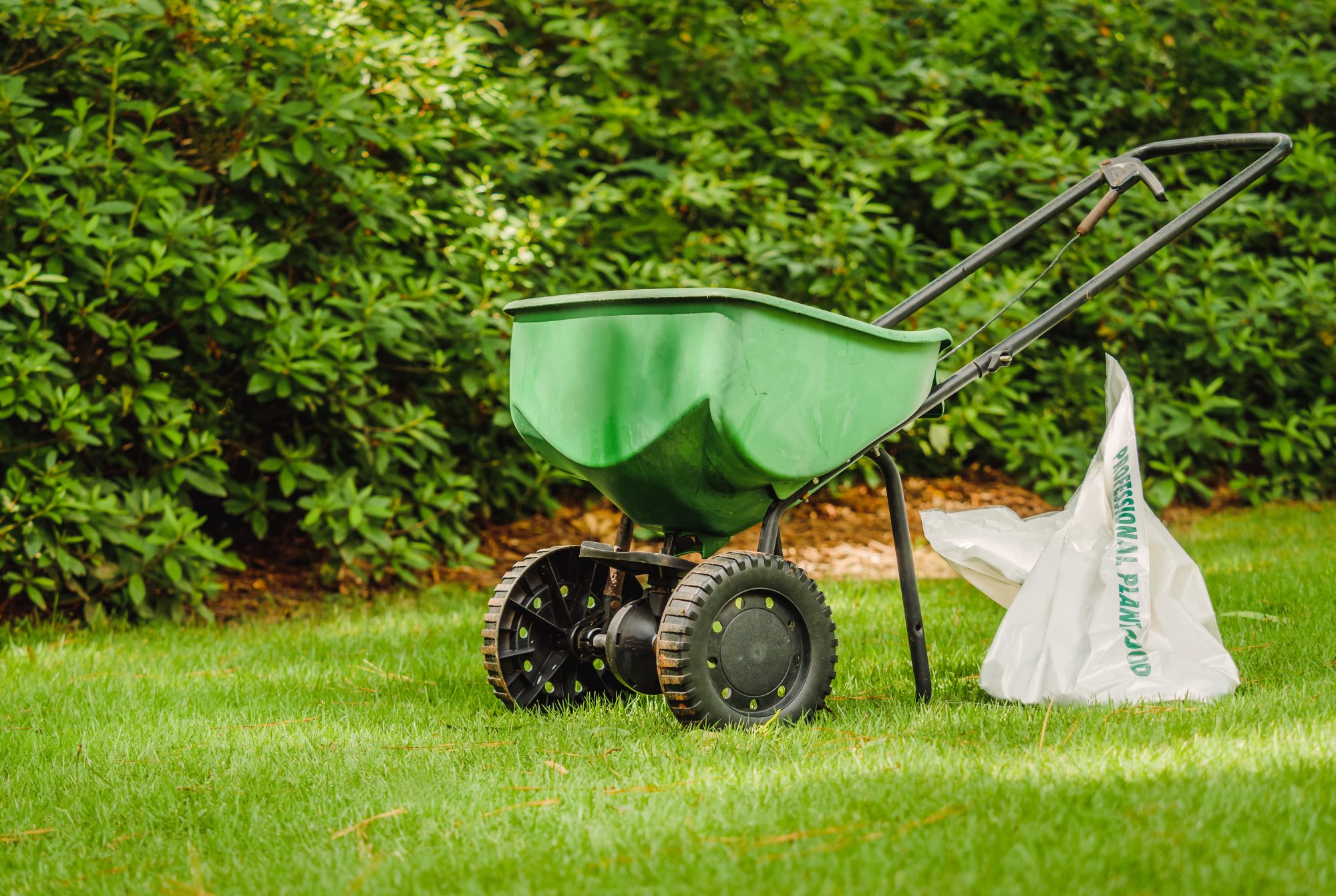
Use a broadcast or drop spreader for even coverage. Follow the fertilizer bag’s instructions for the right setting.
5. Water In
After applying, water your lawn with about 1/4–1/2 inch of water. This helps dissolve the fertilizer and move it to the roots.
6. Clean Up
Sweep any fertilizer off sidewalks and driveways to prevent runoff into storm drains.
Credit: www.yourgreenpal.com
Common Mistakes In Fall Lawn Fertilizing
Even experienced homeowners make errors that hurt their lawn—or the environment.
Applying Too Late
Once the ground is frozen or covered in snow, fertilizer won’t help. Late feeding leads to runoff and pollution.
Using The Wrong Fertilizer
High-nitrogen spring formulas are not ideal for fall. They push leafy growth instead of root health. Always choose a formula for fall.
Over-applying
More is not better. Too much fertilizer can burn grass or harm local streams. Stick to label rates.
Ignoring Local Conditions
Relying on national advice instead of local weather can lead to poor timing. Pay attention to your own soil temperature and frost dates.
Not Watering In
Dry fertilizer can blow away or sit on the surface. Watering ensures nutrients get to the roots.
The Impact Of Late Fertilization
Many people wonder, “What’s the worst that can happen if I fertilize late?” The risks are real:
- Wasted money: Fertilizer that sits on frozen ground is useless.
- Water pollution: Rain and snowmelt can carry fertilizer into rivers and lakes, harming wildlife.
- Weaker grass: Late fertilizer encourages weak, tender growth that winter cold can kill.
- Increased disease: Tender grass is more likely to develop snow mold and other fungal problems.
Environmental Impact
According to the Environmental Protection Agency, fertilizer runoff is a leading source of water pollution in the US. Applying at the wrong time increases this risk.
How To Tell If Your Lawn Still Needs Fall Fertilizer
Sometimes it’s hard to know if your lawn will benefit from one more feeding. Here are some signs your lawn could still use a fall application—if the timing is right:
- Grass is still growing slowly and recovering from summer
- Lawn color is pale or yellowish
- Soil test shows nutrient deficiencies
- You haven’t fertilized in 6 months or more
But if your grass has stopped growing, the ground feels cold, or frost is common, it’s safer to wait until spring.
What To Do If You Missed The Fall Window
If it’s already too late, don’t panic. Here’s what you can do:
- Skip fertilizing until spring: Applying now won’t help and can hurt your lawn.
- Plan for an early spring feeding: As soon as your grass starts growing and soil warms, apply a balanced fertilizer.
- Focus on other lawn care: Rake leaves, control weeds, and keep debris off the grass.
- Aerate or overseed: If your lawn is thin, plan to aerate or overseed in spring for better results.
Comparing Fall Lawn Fertilizer Products
Choosing the right product can make a big difference. Here’s a comparison of popular fall fertilizers:
| Brand/Product | N-P-K Ratio | Main Features | Best For |
|---|---|---|---|
| Scotts Turf Builder WinterGuard | 32-0-10 | High nitrogen, strong root growth, easy spread | Cool-season lawns |
| Jonathan Green Winter Survival | 10-0-20 | Extra potassium, gentle feeding | Stressed or thin lawns |
| Milorganite Organic | 6-4-0 | Slow-release, safe for kids and pets | Organic preference |
| Pennington Ultragreen Winterizer | 22-0-14 | Quick green-up, strong roots | General use |
Always match the fertilizer to your grass type and local climate.
Two Non-obvious Insights For Fall Fertilizing
- Lawn recovery isn’t just about color—it’s about root reserves. Even if your lawn looks green in fall, the real benefit comes from storing energy in roots for spring. This hidden process is why fall fertilizing works so well.
- Soil compaction affects fertilizer uptake. In heavy clay or compacted soils, fertilizer can sit on the surface and do little good. Aerating your lawn in early fall can help nutrients reach the roots more effectively.
How Soil Type And Drainage Affect Timing
Not all lawns are the same. If your yard is sandy, fertilizer moves quickly through the soil, so timing is more critical. Apply too late, and the nutrients wash away before roots can use them. In clay soils, nutrients are held longer, but water drainage is slower, so avoid fertilizing before heavy rains.
If your lawn is sloped, fertilizer can run off easily—especially if the ground is frozen or heavy rain follows. Always check the weather and avoid applying before storms.
The Role Of Organic Fertilizers In Fall
Organic fertilizers, like compost or pelletized manure, release nutrients slowly. They work best when applied a bit earlier in the fall, since soil microbes need warmth to break them down. If you use an organic product, aim to fertilize 3–4 weeks before first frost.
Organic options are less likely to burn your lawn, and they improve soil health over time. However, they may not provide the quick boost that a synthetic “winterizer” does.
How To Check Local Soil Temperatures
Knowing your soil temperature is one of the best ways to time your fall application. Here’s how you can check:
- Soil thermometer: Insert it 2–4 inches deep in the lawn. Check in the early morning for the most accurate reading.
- Online maps: Many state university extension websites post daily soil temperature maps.
- Ask local experts: Garden centers or landscapers often have this information.
If your soil is above 50°F, it’s still safe to fertilize. If it’s below, wait for spring.
Timing Comparison: Fall Vs Spring Fertilizing
Many people wonder if fall or spring is better for lawn feeding. Here’s a direct comparison:
| Factor | Fall Fertilizing | Spring Fertilizing |
|---|---|---|
| Main Benefit | Root growth & winter prep | Leaf growth & quick color |
| Weed Control | Helps crowd out weeds in spring | Less effective for weed prevention |
| Risk of Disease | Lower (if timed right) | Higher if over-applied |
| Best for | Cool-season lawns | Both cool- and warm-season lawns |
| When to Apply | 2-3 weeks before first frost | When grass starts growing in spring |
Both are important, but fall feeding sets your lawn up for success next year.
The Role Of Overseeding With Fall Fertilizer
Many homeowners combine fall fertilizing with overseeding—spreading new grass seed to fill in thin spots. This works well because cool-season grass seed germinates best in fall weather. Apply fertilizer first, then seed, and water well.
One mistake to avoid: using a fertilizer with weed preventer (pre-emergent herbicide) when overseeding. It can stop new grass seed from sprouting. Always check the label.
Fall Fertilizing For Warm-season Lawns
If you have a warm-season grass (Bermuda, zoysia, St. Augustine), fall fertilizing is less important. These grasses slow down or go dormant as nights get cooler. Fertilizing too late can push weak growth that winter cold will kill. For warm-season lawns, stop feeding at least 6–8 weeks before your first frost.
Practical Tips For Successful Fall Fertilizing
- Time your last mow: Mow slightly shorter (but never scalp) before your final fertilizer.
- Avoid wet weather: Don’t fertilize right before heavy rain, as it can wash away nutrients.
- Use slow-release products: They feed grass over several weeks, not all at once.
- Don’t fertilize dormant grass: If your lawn is brown and not growing, wait for spring.
- Keep records: Note the date you fertilized and the product used. This helps fine-tune your timing next year.
Resources For Local Fertilizing Advice
Lawn care is local. Your state’s cooperative extension service is a great place for region-specific advice. They can provide free soil tests, up-to-date frost dates, and recommended products. You can find more information at the USDA National Institute of Food and Agriculture.
Frequently Asked Questions
How Late Is Too Late To Fertilize My Lawn In Fall?
It’s generally too late when your soil temperature drops below 50°F, or when regular frosts start. If the grass isn’t growing and the ground feels cold, wait for spring instead.
Will Fertilizing Late In Fall Harm My Lawn?
Yes, late applications can waste fertilizer, increase pollution, and make grass more prone to disease or winter injury. Fertilize 2–3 weeks before your first hard frost for best results.
Can I Fertilize Before A Big Rain Or Snow?
Avoid fertilizing right before heavy rain or snow, as it can wash fertilizer away before your grass can use it. Light watering after application is best.
Is Fall Fertilizing Necessary For All Grass Types?
Fall is most important for cool-season grasses. Warm-season lawns (like Bermuda or zoysia) should not be fertilized late in the season, as they are going dormant.
How Do I Know What Fertilizer To Use In Fall?
Choose a product labeled for fall or “winterizer,” with higher potassium and moderate nitrogen. A soil test can help you match nutrients to your lawn’s needs.
As you plan your fall lawn care, remember that timing is everything. The right application, at the right moment, sets up your lawn for a healthy winter and a strong, green spring. Don’t rush, don’t delay, and always pay attention to your local conditions for the best results.