
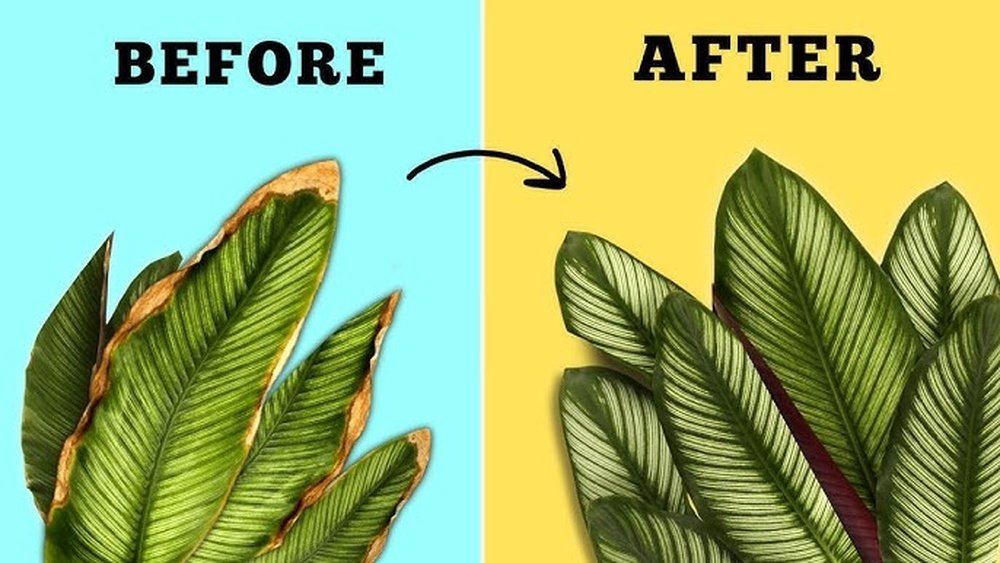
Tree leaves are nature’s early warning system. When their healthy green color turns yellow, it’s a clear sign that something is wrong. If you care for your garden, yard, or favorite houseplant, seeing yellowing leaves can be worrying. But yellow leaves don’t always mean your tree is dying. In fact, they can often be treated if you act early and understand the causes.
Many people think watering more or adding fertilizer is always the answer, but that’s not true. The fix depends on what’s really happening below and above the soil. From pest infestations and nutrient imbalances to improper watering and environmental stress, there are many reasons why trees turn yellow. This guide will help you spot the cause, choose the right treatment, and learn key tips to keep your trees healthy and green. Even if you’re not an expert, you’ll find clear steps and advice you can use today.
Understanding Why Tree Leaves Turn Yellow
Leaves can turn yellow for different reasons, but it’s usually a sign that the tree is stressed. When leaves lose their green color (chlorophyll), it’s called chlorosis. Chlorosis means the leaf can’t make enough food through photosynthesis, so the tree weakens over time.
Some common causes are:
- Nutrient deficiencies (like iron, nitrogen, or magnesium)
- Overwatering or underwatering
- Poor soil drainage
- Pest and disease problems
- Extreme temperatures
- Root damage
Spotting the reason early is crucial. Each cause shows up in a different way. For example, yellowing between the veins often means an iron shortage, while all-over yellowing may signal too much water or root problems.
Common Causes Of Yellowing Leaves (with Table)
To help you quickly identify what’s wrong, here’s a comparison of the main causes, their symptoms, and signs:
| Cause | Leaf Symptoms | Other Clues |
|---|---|---|
| Nutrient deficiency | Yellowing between veins, pale new leaves | Poor growth, leaf drop |
| Overwatering | All-over yellowing, wilting | Wet soil, root rot smell |
| Underwatering | Dry, crisp yellow leaves | Hard, dry soil, leaf curl |
| Pests or disease | Spots, holes, yellow patches | Webs, insects, sticky leaves |
| Environmental stress | Yellow edges or tips | Sudden weather changes, recent transplant |
One insight many miss: The pattern of yellowing tells you a lot. For example, if only lower leaves are yellow, look for water or root problems. If new top leaves are yellow, suspect nutrients.
How To Diagnose The Problem
Before you treat yellow leaves, you must find out the real cause. Guessing can make things worse. Follow these steps:
- Check the soil: Is it soggy, dry, or compacted? Healthy soil should be moist but not muddy.
- Inspect the leaves: Look for patterns. Are the veins green but the rest yellow? Are there spots or insects?
- Look for pests or disease: Check both sides of leaves, stems, and trunk for bugs, sticky residue, or fungus.
- Review watering habits: How often and how much do you water? Too frequent or deep watering can cause issues.
- Think about recent changes: Did you transplant the tree, add new mulch, or use chemicals nearby?
- Test the soil: Use a simple soil test kit to check for pH and nutrients. Many garden centers offer these kits.
A common mistake is treating for the wrong problem. For example, adding fertilizer when the issue is overwatering can harm the roots further. Always diagnose first.
Tips To Treat Yellowing Tree Leaves
Once you know the cause, you can start treatment. Here are the best tips, organized by the most common problems.
Nutrient Deficiencies
Trees need a balance of nitrogen, iron, magnesium, and other nutrients. If one is missing, leaves turn yellow in specific ways.
- Nitrogen deficiency: Older leaves turn yellow first. Add a slow-release, balanced fertilizer in early spring.
- Iron deficiency: New leaves turn yellow but veins stay green. Use a chelated iron soil drench or foliar spray.
- Magnesium deficiency: Yellowing between veins on older leaves. Epsom salt (magnesium sulfate) can help—mix 1 tablespoon per gallon of water and apply to the soil.
Practical insight: Don’t apply too much fertilizer. Over-fertilizing can “burn” roots and worsen yellowing.
Overwatering And Poor Drainage
Too much water is a leading cause of yellow leaves, especially in clay soils or heavy rain. Roots need air, and soggy soil suffocates them.
- Let soil dry: Wait until the top 2–3 inches are dry before watering again.
- Improve drainage: Add organic matter like compost or sand around the tree base.
- Check planting depth: Trees planted too deep often develop root rot and yellow leaves. The root flare should be visible above ground.
Non-obvious tip: Water less often, but more deeply. This encourages roots to grow deeper and become more drought-resistant.
Underwatering And Drought
Lack of water causes leaves to yellow, curl, and drop. This happens quickly in hot, dry weather.
- Water deeply: Give the tree a slow, deep soaking once or twice a week, not daily light watering.
- Mulch: Add 2–4 inches of mulch around the tree to keep soil moist. Keep mulch away from the trunk.
- Check soil moisture: Use your finger or a moisture meter to avoid guessing.
Important: Young trees need more frequent watering than mature ones, especially in their first three years.
Pests And Diseases
Bugs and fungal infections can damage leaves, causing yellow patches, spots, and leaf drop.
- Identify the pest or disease: Look for aphids, spider mites, scale insects, or fungal spots.
- Treat accordingly: Use insecticidal soap, neem oil, or horticultural oil for pests. For fungal diseases, prune away affected branches and use a fungicide if needed.
- Practice good hygiene: Clean up fallen leaves and prune dead branches to reduce disease risk.
Hidden problem: Some pests, like root aphids or nematodes, attack below ground. If you see yellowing but no bugs above ground, check the roots.
Environmental Stress
Weather changes, pollution, or injury can shock trees and cause yellowing.
- Protect from wind and sun: Use shade cloths for young trees in heat waves.
- Avoid injury: Be careful with lawnmowers and trimmers near the trunk.
- Acclimate new trees: If you just planted or moved a tree, water it well and avoid fertilizing for a few months.
Expert tip: Many trees “shed” a few yellow leaves in early fall or after a heatwave. If new growth is green, don’t worry.
Watering Strategies For Healthy Trees
Proper watering is one of the most important ways to prevent and treat yellowing leaves. But not all trees need the same amount of water. Here’s a simple guide:
| Tree Age | Watering Frequency | Amount per Session |
|---|---|---|
| Newly planted | 2–3 times/week | 5–10 gallons |
| Young (1–3 years) | 1–2 times/week | 10–15 gallons |
| Mature | Every 2–4 weeks | 20+ gallons |
Always water at the drip line (the area under the outer edge of the branches), not right at the trunk. This is where feeder roots absorb moisture best.
Insider tip: Early morning is the best time to water. This reduces evaporation and gives leaves time to dry, lowering the risk of fungus.
Fertilizing Without Causing Harm
Fertilizer can help, but only if the tree actually needs it. Too much fertilizer can burn roots and worsen yellowing.
- Soil test first: Only add nutrients that are missing. Many soils have enough nutrients, but the pH might be off.
- Use slow-release products: These feed trees gently over time, reducing shock.
- Follow label directions: Never apply more than recommended.
- Apply in early spring: This is when trees start growing and need nutrients most.
Non-obvious insight: If your soil is too alkaline (high pH), iron and other nutrients become “locked up” and unavailable. Lower the pH with sulfur or organic mulch if needed.

Credit: www.youtube.com
How To Use Mulch Correctly
Mulch helps keep soil moist and cool, but it must be used the right way.
- Spread 2–4 inches: Too much mulch can suffocate roots.
- Keep away from trunk: Leave a gap of 4–6 inches to prevent rot and pests.
- Refresh yearly: Add new mulch each spring to keep it effective.
Mistake to avoid: “Volcano mulching,” where mulch is piled high against the trunk, is harmful and traps moisture, leading to yellow leaves and disease.
Pruning For Tree Health
Pruning helps trees recover from stress and disease. It also improves air flow and light for healthy leaves.
- Remove dead or yellow leaves: This stops disease from spreading.
- Prune in late winter or early spring: Avoid heavy pruning during hot, dry weather.
- Use sharp, clean tools: Dirty pruners can spread disease.
Advanced tip: Don’t remove more than 25% of a tree’s canopy in one year. Too much pruning shocks the tree.
Preventing Future Yellowing
Prevention is better than cure. Follow these steps to keep your trees healthy year-round:
- Monitor regularly: Check leaves and soil every few weeks.
- Adjust care for the season: Water more in summer, less in winter.
- Keep soil healthy: Add compost or well-rotted manure each year.
- Protect roots: Don’t compact soil by parking cars or heavy equipment nearby.
- Choose the right tree for your site: Some trees are more tolerant of poor soil or drought.
Overlooked advice: Planting native trees is often easier. They’re better adapted to local soil and climate, so they yellow less often.
When To Call A Professional
Some tree problems are too complex for home solutions. If you see these signs, call a certified arborist:
- Yellowing spreads quickly
- Multiple trees are affected
- Large branches are dying
- You suspect a serious disease or pest outbreak
- Mushrooms growing at the base (sign of root rot)
Professionals have special tools and lab tests to diagnose problems accurately. Early help can save mature, valuable trees.

Credit: www.moabtimes.com
Examples: Common Tree Types And Their Issues
Here are examples of popular trees, what causes their leaves to yellow, and the best treatments.
Maple Trees
Maples often show yellowing from iron deficiency in alkaline soils. Use chelated iron and lower soil pH if needed. Maples are also sensitive to overwatering.
Oak Trees
Oaks usually turn yellow from compacted soil or root injury. Aerate the soil and avoid piling soil or mulch near the trunk.
Citrus Trees
Citrus often develops yellow leaves from magnesium or nitrogen shortages. Use a citrus-specific fertilizer. They’re also sensitive to underwatering.
Ficus (fig) Trees
Ficus trees drop yellow leaves from sudden changes in light or temperature. Move them slowly to new spots and avoid drafts.
Pine Trees
Pines shed older needles (which turn yellow) each fall. This is natural. But if all needles yellow, check for root rot or fungal disease.
Data: How Yellowing Affects Tree Growth
Yellow leaves aren’t just a cosmetic problem. They reduce growth and make trees more vulnerable. Studies show that:
- Trees with chronic chlorosis can grow up to 50% slower.
- Drought-stressed trees lose up to 30% of their leaf mass in a single summer.
- Trees with repeated yellowing are more likely to die from winter cold or pests.
This is why acting early is so important.
Quick Reference: What To Do When You See Yellow Leaves
If you spot yellowing, follow this checklist:
- Don’t panic: A few yellow leaves aren’t always serious.
- Check soil moisture: Is it too wet or dry?
- Look for pests or disease: Examine leaves closely.
- Test the soil: Check pH and nutrients.
- Adjust watering: Water deeply, less often.
- Add mulch if needed: But keep it away from the trunk.
- Fertilize only if tests show a shortage.
- Prune dead or diseased branches.
- Monitor for improvement: New growth should be green.
Advanced: Soil Ph And Nutrient Uptake
Soil pH controls how well trees can absorb nutrients. Even if you add fertilizer, the tree can’t use it if the pH is off.
- Most trees prefer pH 6.0–7.0 (slightly acidic to neutral).
- Alkaline soils (pH 7.5+) lock up iron, causing yellowing.
- Acidic soils (pH below 5.5) can cause magnesium or calcium shortages.
You can test soil pH with a simple kit. If needed, adjust pH by adding:
- Sulfur or peat moss for high pH (to lower it).
- Lime for low pH (to raise it).
Uncommon insight: Urban soils are often more alkaline due to concrete and road runoff. That’s why city trees often show yellowing.
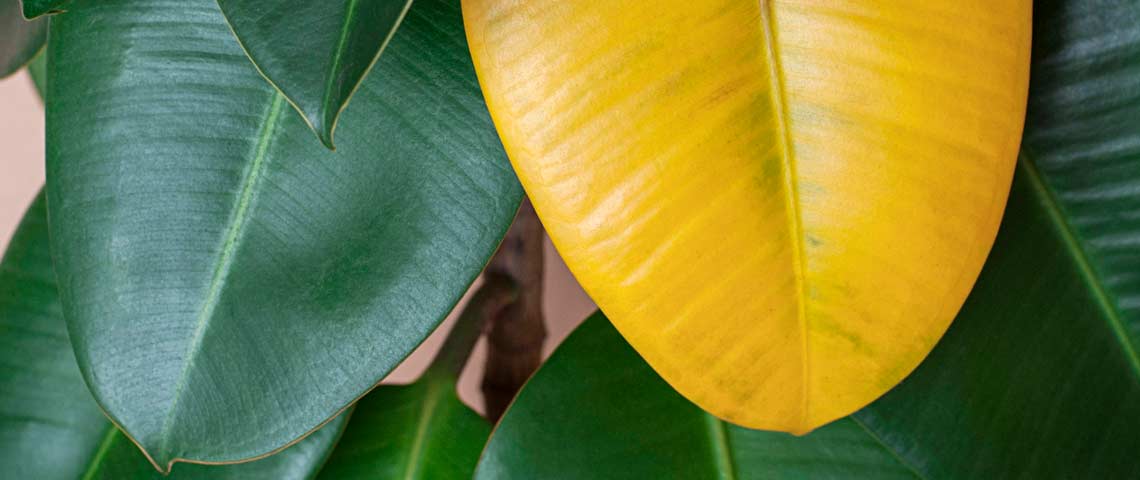
Credit: www.pennington.com
Table: Common Tree Nutrient Problems And Solutions
| Nutrient | Yellowing Pattern | Best Solution |
|---|---|---|
| Nitrogen | Old leaves yellow first | Balanced fertilizer in spring |
| Iron | New leaves yellow, veins stay green | Chelated iron, lower soil pH |
| Magnesium | Yellowing between veins on old leaves | Epsom salts in soil |
| Potassium | Yellow edges or tips | Potassium-rich fertilizer |
Always match the fix to the pattern of yellowing, not just guess based on what you have at home.
Organic Solutions For Yellowing Leaves
Many gardeners prefer natural treatments. Here are some effective organic options:
- Compost: Adds nutrients and improves soil health over time.
- Fish emulsion: A gentle, balanced fertilizer that’s safe for most trees.
- Mulching with leaves or straw: Feeds soil microbes and holds moisture.
- Neem oil or insecticidal soap: Controls many leaf pests without harsh chemicals.
Note: Organic solutions work slower than synthetic ones, but they build long-term soil health and reduce yellowing over time.
Signs Of Recovery: What To Watch For
After you treat the problem, look for these good signs:
- New leaves are green and healthy
- Yellowing stops spreading
- Tree starts new growth (buds, shoots)
- Less leaf drop
It can take weeks or even a full growing season for a tree to fully recover. Be patient and keep caring for your tree.
Frequently Asked Questions
Why Are Only Some Leaves On My Tree Turning Yellow?
When only some leaves turn yellow, it usually means the problem is minor or just starting. It could be natural aging, a mild nutrient shortage, or slight water stress. If the yellowing spreads, act quickly to diagnose and treat the cause.
Should I Remove Yellow Leaves From My Tree?
Yes, it’s usually a good idea to remove yellow leaves. This helps the tree focus energy on healthy growth and reduces the risk of disease spreading. But don’t remove more than 25% of the leaves at once, as this can stress the tree.
Can Yellow Leaves Turn Green Again?
Most of the time, yellow leaves will not turn green again. The tree will grow new, healthy leaves if you fix the problem. Focus on new growth—if it’s green, your treatment is working.
Is It Normal For Trees To Have Some Yellow Leaves In Fall?
Yes, it’s normal for many trees to lose yellow leaves in fall as part of their yearly cycle. However, if yellowing happens in spring or summer, it’s usually a sign of stress or a health problem.
When Should I Call An Arborist About Yellowing Leaves?
Call a certified arborist if yellowing spreads quickly, many trees are affected, large branches die, or you see mushrooms at the base (a sign of root rot). Arborists have special tools and knowledge to diagnose tough problems.
For more on tree health and science-based care, visit the Penn State Extension Tree Health Guide.
Keeping your trees healthy takes a bit of attention, but it’s worth it. Early action can restore their beauty and prevent bigger problems later. Yellowing leaves are a warning—listen to them, act wisely, and your trees will reward you with shade, beauty, and a greener world.