
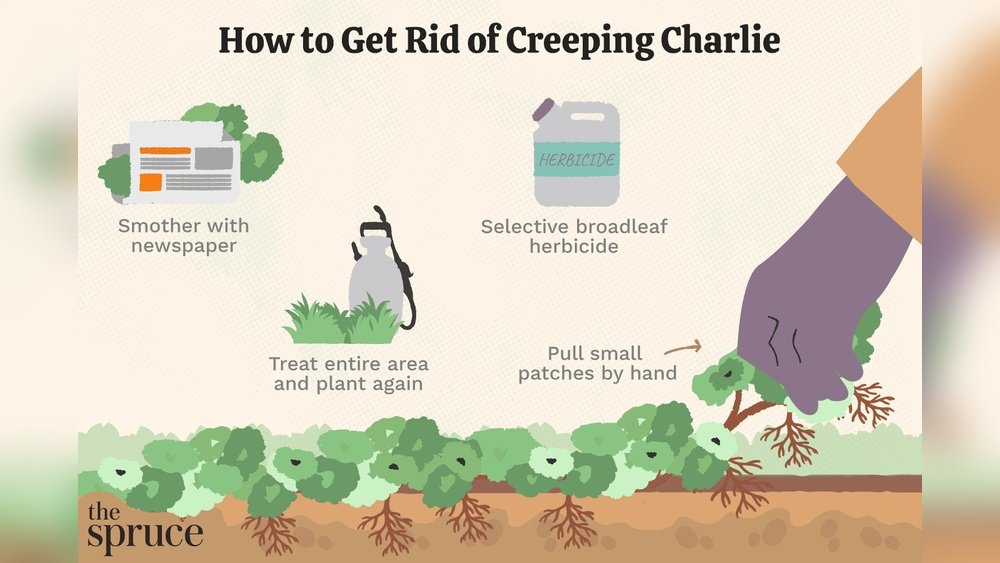
Creeping Charlie, also known as ground ivy, is a tough and persistent weed that can quickly take over your lawn or garden. Many people want to know how to get rid of Creeping Charlie naturally, without using strong chemicals that may harm pets, children, or beneficial insects.
Removing this weed can be challenging, but it is possible with the right methods, consistency, and a little patience. This article gives you a complete, step-by-step guide to natural Creeping Charlie control, including what works, what doesn’t, and smart tips that most beginners miss.
Understanding Creeping Charlie
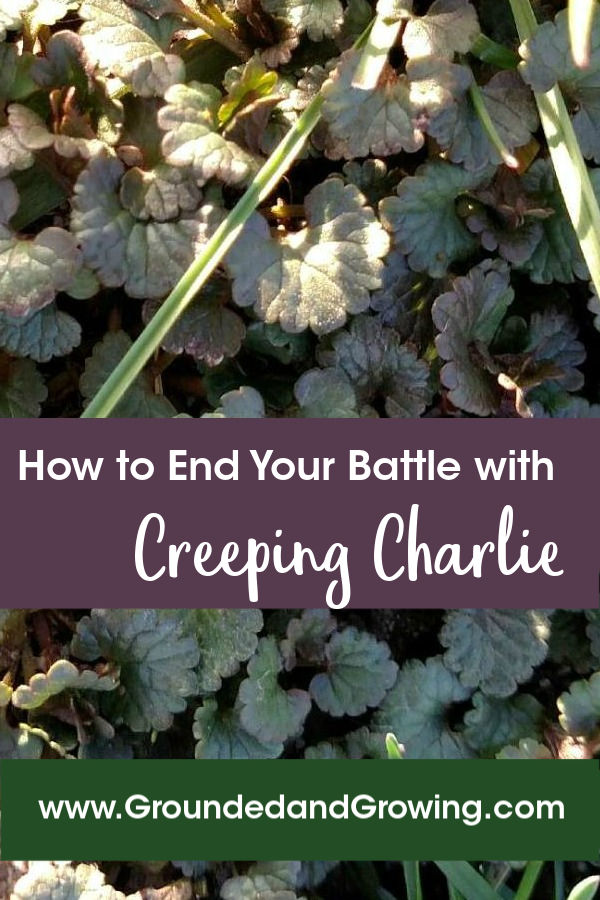
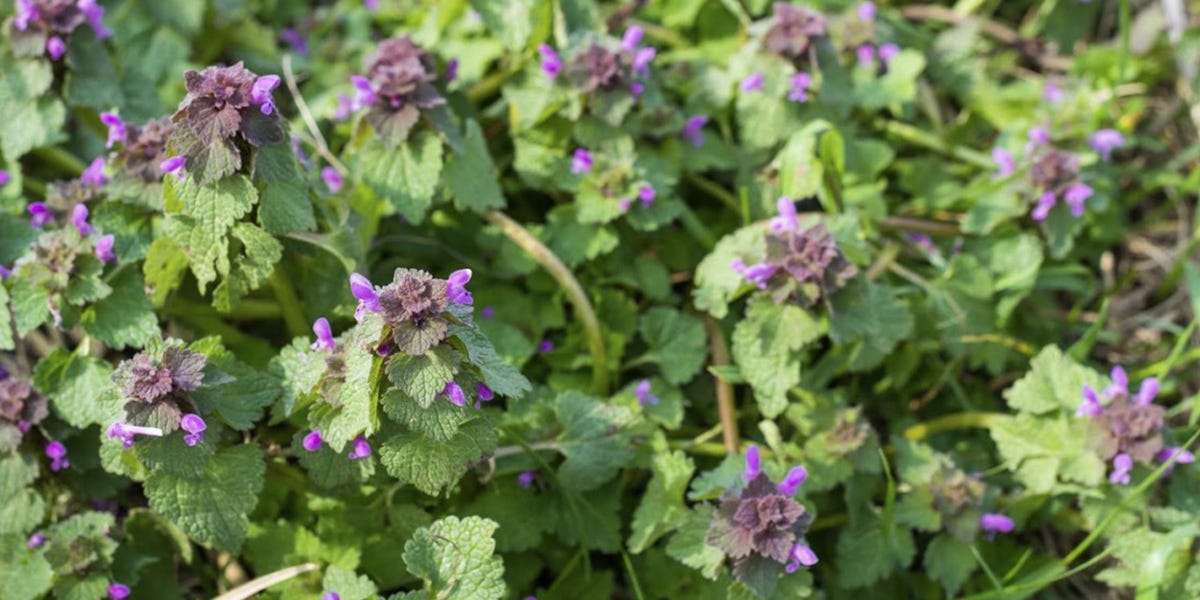
Before you start removing Creeping Charlie, it helps to know what you’re dealing with. Creeping Charlie (Glechoma hederacea) is a low-growing, perennial weed in the mint family. It grows quickly, forming dense mats that can choke out grass and garden plants. Its round, scalloped leaves and small purple flowers look harmless, but this plant spreads aggressively through both seeds and creeping stems called stolons.
Creeping Charlie is tough for several reasons. Its roots grow deep and wide, making it hard to pull out completely. The plant can regrow from small fragments left in the soil. It thrives in moist, shady areas but can adapt to sun and poor soil as well.
In the right conditions, just a small patch can turn into a full infestation within a season.
Why Chemical Control Isn’t Always The Best
Many gardeners turn to herbicides, but these chemicals can have side effects. They may kill your grass or garden plants along with the weed. Overuse can harm soil health, wildlife, and pollinators. Some chemicals are banned in parts of the US and Europe.
For people who prefer a natural garden, or have children and pets who play outside, natural methods are the safer and more sustainable choice.
Identifying Creeping Charlie Correctly
Correct identification is key. Many ground-covering weeds look similar, but not all are Creeping Charlie. Mistaking it for another weed can waste time and effort.
Key features to look for:
- Leaves: Round or kidney-shaped with scalloped edges, opposite each other on the stem.
- Stems: Square, creeping along the ground and rooting at nodes.
- Flowers: Small, funnel-shaped, bluish-purple, clustered in the leaf axils, blooming in late spring or early summer.
- Smell: Crushed leaves have a strong minty odor.
Creeping Charlie is often confused with clover or violets, but these do not have the same square stems or minty smell. If you’re unsure, take a sample to a local garden center or extension office for confirmation.
How Creeping Charlie Spreads
Understanding how this weed spreads helps you target your efforts better.
- Stolons (Creeping Stems): These grow along the surface, rooting at each node. Breaking up stolons without removing them can help the plant spread.
- Seeds: Each plant can produce thousands of seeds, which can survive in the soil for years.
- Fragments: Even a small piece of root or stem left in the soil can regrow.
This is why mowing, tilling, or careless pulling often makes the problem worse. The plant is adapted to survive and even thrive when disturbed.
Creating A Natural Control Plan
A natural approach to Creeping Charlie control is not about quick fixes. It’s about weakening the weed, strengthening your lawn or garden, and repeating the right steps until the weed is gone. Here’s how to build an effective plan.
Step 1: Assess The Infestation
- Small patches (under 10 square feet): Hand pulling, smothering, and regular mowing may be enough.
- Medium patches (10-50 square feet): Combine several methods and be ready for regular follow-up.
- Large infestations (over 50 square feet): Plan for a season-long effort using multiple techniques.
Draw a simple map of affected areas. Note where the weed is thickest and where it is just starting.
Step 2: Choose The Best Natural Methods
The best method often depends on the size of the infestation, the location (lawn, flower bed, vegetable garden), and your time. Below are the most effective natural methods, with tips for using each one.
Credit: www.groundedandgrowing.com
Manual Removal Techniques
Pulling Creeping Charlie by hand can be effective, especially for small patches or garden beds. But there are tricks to doing it right.
When And How To Pull
- Pull after a rain or water the area first. Wet soil makes it easier to remove roots.
- Wear gloves. The strong smell can linger on your hands.
- Grab the plant close to the ground and pull gently but firmly. Try to get the entire root system.
- Use a small garden fork or weeding tool to loosen the soil.
- Go slowly and check for any stems or roots left behind.
Non-obvious tip: Place pulled plants in a bag, not your compost pile. Creeping Charlie can survive in compost and spread when you use the finished product. Dispose of it in the trash.
Digging For Tough Areas
For dense patches, use a trowel or spade to dig up the top 2-3 inches of soil. This removes not just the visible plant but also the roots and stolons. Be careful not to mix up soil with roots into surrounding areas.
Drawbacks
Manual removal is time-consuming and must be repeated as new growth appears. Missing even small fragments can lead to regrowth. That’s why it works best when combined with other methods.
Smothering And Solarization
Creeping Charlie needs light to survive. Blocking sunlight can kill it over time, especially in flower beds or unused lawn areas.
Smothering With Mulch Or Cardboard
- Mow the area short to flatten the weed.
- Lay down thick layers of cardboard or several layers of newspaper.
- Cover with 3-4 inches of mulch, such as wood chips or shredded leaves.
- Leave in place for at least one growing season (spring to fall).
This method deprives the weed of light and air, slowly killing roots and seeds. It works well for garden beds you plan to replant.
Solarization
Solarization uses the sun’s heat to kill weeds and seeds in the top layer of soil.
- Water the area well.
- Cover with clear plastic (2-4 mil thick), anchoring edges with soil or bricks.
- Leave for 4-6 weeks during the hottest part of summer.
This method can raise soil temperatures high enough to kill Creeping Charlie and many other weeds. It works best for bare soil areas, not lawns.
Comparison: Mulch Smothering Vs. Solarization
| Method | Best For | Time Needed | Pros | Cons |
|---|---|---|---|---|
| Mulch/Cardboard | Garden beds, paths | 1 season | No chemicals, improves soil | Slow, not for lawns |
| Solarization | Bare soil, replanting areas | 4-6 weeks | Kills seeds and roots | Needs strong sun, not for shaded areas |
Improving Lawn Health
A thick, healthy lawn is your best defense against Creeping Charlie. Weeds thrive where grass is thin, stressed, or not growing well. Here’s how to make your lawn less inviting to this weed:
Mowing
- Mow grass at the correct height (usually 2.5 to 3.5 inches for cool-season grasses).
- Taller grass shades the soil, making it harder for Creeping Charlie to take hold.
- Keep mower blades sharp to avoid stressing grass.
Watering
- Water deeply but less often. Aim for 1 inch per week, including rainfall.
- Deep roots help grass outcompete weeds.
Fertilizing
- Use natural fertilizers like compost or organic lawn feeds.
- Apply in spring and fall for cool-season grasses.
Overseeding Thin Spots
- Reseed bare or thin areas with high-quality grass seed in early fall.
- Choose shade-tolerant varieties for problem areas.
Common Mistake
Many people mow Creeping Charlie short, hoping to kill it. This actually encourages its spread, as it can survive lower mowing heights than grass.
Simple Lawn Care Schedule
| Task | Best Time | Notes |
|---|---|---|
| Mowing | As needed | Keep grass 2.5-3.5 inches |
| Watering | Weekly (if no rain) | 1 inch total per week |
| Fertilizing | Spring, Fall | Use organic options |
| Overseeding | Early Fall | Fill bare spots |
Natural Weed Suppressants
Some household products are popular as natural weed killers, but not all are effective or safe. Here’s what works and what doesn’t:
Vinegar
Household vinegar (5% acetic acid) can burn leaves, but rarely kills roots. Strong horticultural vinegar (20%+) is not recommended for home use—it can damage soil and harm other plants.
Best Use: Spot-treat small patches or seedlings away from desired plants. Reapply as needed.
Boiling Water
Pouring boiling water on Creeping Charlie can kill leaves and shallow roots. However, it also kills grass and garden plants it touches.
Best Use: Cracks in sidewalks or driveways, or in bare soil.
Corn Gluten Meal
Corn gluten meal is sometimes used as a “natural pre-emergent” to stop weed seeds from sprouting.
- Works best when spread at 20 lbs per 1000 sq ft before seeds germinate (early spring).
- May help reduce new seedlings, but does not kill established plants.
Epsom Salt And Dish Soap
Some online recipes mix vinegar, salt, and dish soap. Epsom salt does not kill Creeping Charlie and can damage soil health if overused. Dish soap helps vinegar stick to leaves but does not harm the weed directly.
Natural Suppressants Overview
| Product | Effective? | Best For | Risks |
|---|---|---|---|
| Vinegar | Partial | Small, isolated weeds | Can harm grass, flowers |
| Boiling water | Yes (surface only) | Cracks, bare soil | Burns any plant it touches |
| Corn gluten meal | Somewhat | Preventing new weeds | Can fertilize weeds if used incorrectly |
| Epsom salt | No | Not recommended | Soil damage |
Non-obvious insight: Natural weed killers are less effective on mature Creeping Charlie. For large or old patches, combine these with manual removal and lawn improvement.
Mulching For Garden Beds
In flower and vegetable beds, mulch is a powerful tool for suppressing Creeping Charlie.
- Apply 2-4 inches of organic mulch (wood chips, shredded bark, straw) around plants.
- Keep mulch pulled back 1-2 inches from plant stems to prevent rot.
- Refresh mulch each year as it breaks down.
Mulch blocks sunlight, keeps the soil moist, and makes it harder for weeds to take hold. It also improves soil health over time.
Practical tip: For especially stubborn areas, use a double layer—cardboard underneath, mulch on top.
Changing Conditions To Discourage Regrowth
Creeping Charlie loves shady, moist, compacted soil. Changing these conditions can make your yard less welcoming.
Improve Drainage
- Aerate compacted soil using a core aerator in the fall.
- Add compost to improve soil structure and drainage.
- Avoid heavy foot traffic on wet areas.
Increase Sunlight
Trim lower branches of trees or thin shrubs to let in more sunlight. Consider replacing grass with shade-loving ground covers where grass refuses to grow.
Adjust Soil Ph
Creeping Charlie prefers slightly acidic soil (pH 5-7). Most lawn grasses prefer pH 6-7. If your soil is too acidic, add garden lime as recommended by a soil test.
Non-obvious insight: Even small changes in light and soil pH can tip the balance in favor of your lawn, making it much harder for Creeping Charlie to return.

Credit: www.youtube.com
Preventing Creeping Charlie From Coming Back
Long-term control is about persistence. Even after you clear an area, seeds and fragments may remain. Here’s how to prevent reinfestation:
- Check regularly: Walk your lawn or beds every 2-3 weeks during growing season. Remove new plants before they spread.
- Clean tools: Wash mowers, trimmers, and garden tools after use in infested areas.
- Edge gardens: Use deep edging or barriers to separate garden beds from lawn.
- Dispose carefully: Bag all plant material and do not compost it.
- Maintain healthy turf: Keep up with mowing, watering, and overseeding.
Experience-based tip: If you catch Creeping Charlie early every spring, you can prevent it from ever getting out of control again.
When To Consider Professional Help
If you’ve tried all these methods for a full season and the weed is still spreading, it may be time to consult a professional. Lawn care services can test your soil, assess shade and drainage issues, and provide targeted natural treatments.
Make sure to ask for organic or low-impact options if you wish to avoid chemicals.
What Not To Do
Some common mistakes can make Creeping Charlie worse, not better.
- Don’t till infested soil. This breaks up roots and spreads the weed.
- Don’t mow too short. Creeping Charlie survives better than grass at low heights.
- Don’t rely on one-time treatments. Natural methods require persistence.
- Don’t compost pulled weeds. Even small fragments can survive and spread.
Success Stories And Realistic Expectations
Many gardeners have successfully removed Creeping Charlie without chemicals, but it takes time. In most cases, you’ll need to repeat these methods for at least one full growing season. For large infestations, expect to see significant improvement in 1-2 years, with fewer and fewer weeds each spring.
Example: A homeowner in Minnesota reduced Creeping Charlie from 60% of their lawn to less than 5% in two years by combining solarization, reseeding, mulching, and regular hand removal. They noted that the key was never letting new patches go unchecked.
Important: Even after you win, seeds can blow in from neighbors’ yards. Ongoing maintenance is part of the process.
Credit: www.solutionsstores.com
Frequently Asked Questions
How Can I Tell If I Have Creeping Charlie Or Another Weed?
Look for round or kidney-shaped leaves with scalloped edges, square stems, and a strong minty smell when crushed. The flowers are small, purple, and appear in clusters. If in doubt, compare with photos from the Wikipedia page on Glechoma hederacea.
Can I Use Vinegar To Kill Creeping Charlie In My Lawn?
Vinegar can damage Creeping Charlie leaves but rarely kills roots, and it also harms grass. Use it only for spot-treating small patches away from desirable plants, and repeat as needed. It’s not recommended for large lawn areas.
Is Creeping Charlie Harmful To Pets Or Children?
Creeping Charlie is not considered toxic to humans or pets, but it can cause mild stomach upset if eaten in large amounts. The bigger concern is that dense mats can hide ticks or make lawns unpleasant to play on.
How Long Does It Take To Get Rid Of Creeping Charlie Naturally?
For small patches, you may see results in a few weeks to months. Large infestations can take a full growing season or more. Consistency is key—repeat manual removal and lawn improvement steps as new growth appears.
Will Mulching Kill Creeping Charlie In Flower Beds?
Yes, thick mulch (2-4 inches) over cardboard or newspaper can smother Creeping Charlie in garden beds. It may take a full season, and you should check for regrowth at the edges, but this is one of the most effective natural methods.
Getting rid of Creeping Charlie naturally is a challenge, but it is possible with the right steps and patience. By combining manual removal, smothering, better lawn care, and regular checks, you can reclaim your yard for good. The process takes time, but the results are safer for your family, pets, and the environment.
If you keep at it, you’ll enjoy a healthier, weed-free lawn and garden—without the need for harsh chemicals.