
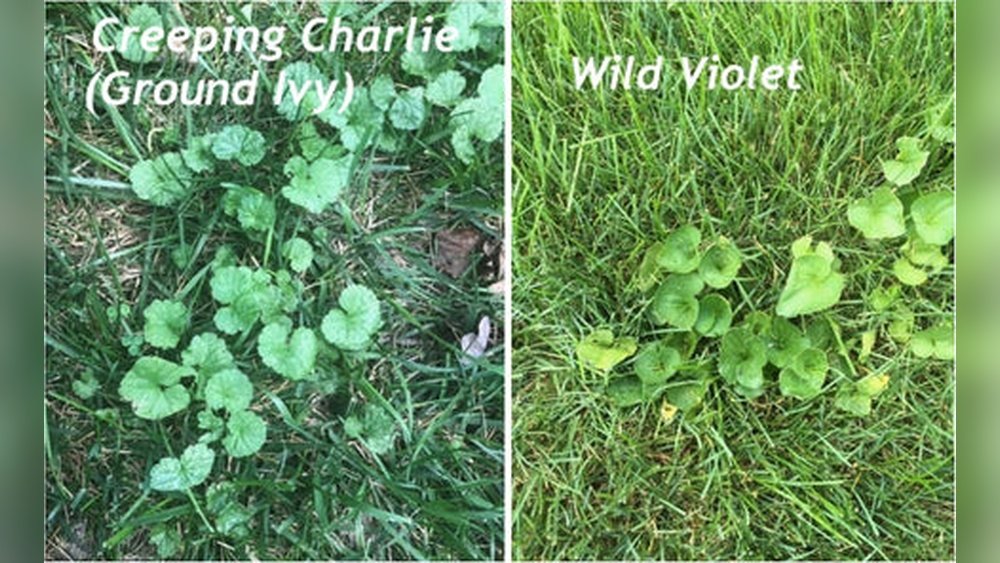
If you have wild violet in your lawn, you probably know how stubborn it can be. Its dark green leaves and purple flowers look charming at first. But after a while, wild violet spreads fast and takes over the grass.
Many homeowners struggle to remove it. The roots are thick and deep, and the plant grows back even after pulling. This article shows you step-by-step how to get rid of wild violet in your lawn for good. You’ll learn why wild violet is so tough, what methods work best, and how to keep your yard healthy after removal.
What Is Wild Violet?
Wild violet is a perennial weed. It grows low to the ground and spreads by both seed and underground stems called rhizomes. The most common type is Viola odorata and Viola papilionacea. Wild violet is native to North America, but now it can be found almost everywhere. It likes moist, shady areas, but it can survive in sunny lawns too.
Wild violet has heart-shaped leaves and small purple flowers. The leaves are waxy and thick, making it hard for herbicides to stick. Each plant can produce hundreds of seeds, and the rhizomes help the weed spread underground. This makes wild violet very hard to control.
Why Is Wild Violet So Hard To Remove?
Wild violet is not like most weeds. It has unique ways to survive:
- Deep root system: The roots are strong and grow deep, often more than 4 inches below the surface. Even if you pull the top, the roots stay and regrow.
- Rhizomes: Underground stems allow the plant to spread quickly. One plant can form a cluster in just one season.
- Waxy leaves: The leaves repel water and most sprays. Herbicides do not stick easily.
- Seed production: Wild violet produces seeds both above and below ground. The seeds can stay dormant for years, then sprout suddenly.
These traits make wild violet a tough opponent. Many homeowners try and fail to remove it, even after repeated efforts. The key is to use the right methods and stay consistent.
Identifying Wild Violet In Your Lawn
Before you start treatment, make sure you have wild violet. It can sometimes be confused with other weeds.
Key Features
- Leaves: Heart-shaped, dark green, waxy. Usually 1–2 inches wide.
- Flowers: Small, purple, five petals. Appears in spring and early summer.
- Growth pattern: Grows in clusters, often in shady or moist spots.
- Roots: Thick, white rhizomes below the surface.
If you see these signs, you likely have wild violet. Some weeds like creeping charlie can look similar but have rounder leaves and no purple flowers.
How Wild Violet Damages Lawns
Wild violet is not just a cosmetic problem. It can hurt your lawn in several ways:
- Competes for nutrients: Wild violet uses up water and nutrients, leaving less for grass.
- Crowds out grass: The clusters shade and choke grass blades, causing thin spots.
- Soil changes: Wild violet prefers moist, compact soil. As it spreads, it makes soil harder and less suitable for grass.
- Attracts pests: Dense clusters can attract insects and disease.
If wild violet spreads, you may see bare patches, yellow grass, or uneven growth. In severe cases, the lawn can lose its healthy look and become patchy.
Manual Removal Methods
Manual removal is the first step for many homeowners. It works best if wild violet is not widespread.
Step-by-step Manual Removal
- Water the area: Soft soil makes pulling easier. Water the lawn deeply the day before.
- Use a weeding tool: A long, narrow tool helps reach the roots. Push it into the soil near the plant.
- Pull slowly: Grab the base of the plant and pull gently. Try to remove the entire root and rhizome.
- Check for leftover roots: Wild violet often leaves bits of root behind. Dig carefully and remove all you can see.
- Dispose properly: Do not compost wild violet. The seeds and roots can survive and spread.
Manual removal takes time and effort. For small patches, it can work. But for larger areas, other methods are needed.
Pros And Cons
| Method | Pros | Cons |
|---|---|---|
| Manual Removal | No chemicals, safe for pets and kids | Labor intensive, may miss roots, not practical for large lawns |
Chemical Control: Herbicides
Herbicides are often necessary for large infestations. Not all products work on wild violet. Because of the waxy leaves, many common weed killers fail.
Choosing The Right Herbicide
- Triclopyr: Most effective. Specifically targets broadleaf weeds like wild violet.
- Dicamba: Works but less effective than triclopyr.
- 2,4-D: Often mixed with other chemicals. Alone, not strong enough.
- Glyphosate: Kills all plants, not recommended for lawns unless spot treating.
Look for products labeled for wild violet. Avoid general weed-and-feed products; they rarely work.
Application Tips
- Timing matters: Apply when wild violet is actively growing—usually spring and fall.
- Spray on dry leaves: Herbicide sticks better when leaves are dry.
- Follow label instructions: Mix exactly as directed. Overuse can harm grass.
- Repeat as needed: One application is rarely enough. Wild violet may need several treatments.
- Keep pets and kids away: Most herbicides require a drying period.
Common Mistakes
- Spraying when rain is expected: Rain washes away herbicide.
- Using weak products: General weed killers do not work.
- Ignoring repeat applications: Wild violet regrows quickly.
Comparison Of Herbicides
| Herbicide | Effectiveness | Safety for Grass | Repeat Needed? |
|---|---|---|---|
| Triclopyr | High | Safe for most lawns | Yes |
| Dicamba | Medium | Safe for cool-season grass | Yes |
| 2,4-D | Low-Medium | Safe for most lawns | Yes |
| Glyphosate | High | Not safe for lawns | No (spot treat only) |
Organic And Natural Solutions
Some homeowners prefer not to use chemicals. There are organic options, but they are less effective for wild violet.
Vinegar-based Sprays
Vinegar can burn the leaves, but it rarely kills the roots or rhizomes. Mix 1 part vinegar with 1 part water. Add a few drops of dish soap to help stick. Spray on dry leaves, repeat weekly.
Boiling Water
Pour boiling water directly on the plants. This can kill the leaves and some roots, but it may harm grass nearby.
Corn Gluten Meal
This is a natural pre-emergent. It stops seeds from sprouting but does not kill existing plants. Apply in early spring.
Mulching
Cover patches with cardboard or thick mulch for several weeks. This blocks sunlight and can weaken wild violet. Works best for garden beds, not lawns.
Pros And Cons Of Organic Methods
| Organic Method | Pros | Cons |
|---|---|---|
| Vinegar Spray | Safe, easy | Weak, must repeat, may harm grass |
| Boiling Water | Cheap, fast | Can damage lawn, limited effect |
| Corn Gluten Meal | Safe for pets and kids | Only stops seeds, not mature plants |
| Mulching | No chemicals | Not practical for lawns, slow |
Improving Lawn Health To Prevent Wild Violet
Wild violet loves weak lawns. A thick, healthy lawn can resist invasion.
Lawn Care Basics
- Mow high: Keep grass 3–4 inches tall. Tall grass shades soil and blocks wild violet.
- Aerate soil: Compacted soil encourages wild violet. Aerate once per year.
- Fertilize properly: Use balanced fertilizer in spring and fall.
- Water deeply, not often: Wild violet likes moist soil. Water less often but deeply to encourage grass roots.
- Reseed thin spots: Overseed with strong grass varieties.
Common Mistakes
- Overwatering: Makes soil too wet.
- Cutting grass too short: Allows sunlight for wild violet.
- Ignoring bare spots: Wild violet fills gaps quickly.
Example Lawn Recovery Plan
- Spring: Aerate, fertilize, overseed.
- Summer: Mow high, water less often.
- Fall: Fertilize again, treat weeds.
- Winter: Avoid heavy traffic on lawn.
Long-term Prevention Strategies
After removal, wild violet can return if prevention is not used.
Maintain Lawn Density
Thick lawns crowd out weeds. Overseed with strong grass like Kentucky bluegrass or Tall fescue.
Use Pre-emergent Herbicides
Apply in early spring to stop seeds from sprouting. Corn gluten meal is organic; chemical options are available too.
Monitor Shady Areas
Wild violet loves shade. Trim trees and shrubs to let sunlight reach the lawn.
Soil Testing
Check soil pH and nutrients. Wild violet likes acidic, compact soil. Adjust with lime and aeration.
Remove Debris
Leaves, sticks, and mulch can trap moisture and shade. Clean regularly.
When To Call A Professional
Sometimes wild violet is too much for homeowners. If your lawn is heavily infested, a lawn care professional can help.
What Professionals Offer
- Accurate identification: Experts can confirm the weed type.
- Advanced treatments: Access to stronger herbicides and equipment.
- Integrated plans: Combine removal, recovery, and prevention.
Costs And Considerations
- Average cost: $50–$150 per treatment, depending on lawn size.
- Multiple visits may be needed.
- Choose a licensed, insured provider.
:max_bytes(150000):strip_icc()/get-rid-of-wild-violets-in-the-lawn-2132476-illo-13e59f774de64c32b965ae39c643b701.png)
Credit: www.thespruce.com
Non-obvious Insights For Wild Violet Removal
Most beginners miss these points:
- Timing is critical: Herbicides work best in spring and fall. Summer treatments are less effective because wild violet slows growth.
- Wild violet can survive in mulch: Even after covering with mulch, wild violet roots can stay alive for months. Dig out roots before mulching.
- Seed dormancy: Wild violet seeds can wait years before sprouting. Even after killing mature plants, new ones may appear from old seeds.
- Wild violet adapts: If one method fails, the weed can become resistant. Rotate methods for best results.
Sample Yearly Wild Violet Control Schedule
Here is a sample plan to keep wild violet away:
| Month | Action |
|---|---|
| March | Apply pre-emergent, inspect for new growth |
| April | Manual removal, first herbicide spray |
| May | Reseed, fertilize, mow high |
| June–August | Monitor, spot treat if needed |
| September | Second herbicide spray, aerate soil |
| October | Fertilize, overseed |
| November–February | Clean debris, rest lawn |

Credit: www.spring-green.com
Wild Violet And Environmental Impact
Many people worry about the environmental impact of weed control. Wild violet is not toxic, but chemical herbicides can affect soil and water. Always follow label directions. Use organic methods when possible, but know they may be less effective.
Wild violet is also a native plant in many areas. Some people choose to leave it for pollinators. However, in lawns, it often outcompetes grass and makes the yard uneven.
Common Myths About Wild Violet
- Pulling always works: Most roots stay underground and regrow.
- Mowing gets rid of wild violet: Mowing only removes leaves, not roots.
- Vinegar kills wild violet: Vinegar burns leaves but does not kill roots.
- Wild violet only grows in shade: It can survive sun if soil is moist.
How To Repair Lawn After Wild Violet Removal
Removing wild violet can leave bare spots. Repairing the lawn is important to prevent weeds from returning.
Steps For Lawn Repair
- Rake out debris: Remove dead plants and roots.
- Loosen soil: Use a garden fork or aerator.
- Add topsoil: Fill low spots with rich soil.
- Reseed: Use strong grass seed. Cover lightly with straw.
- Water gently: Keep soil moist until grass grows.
- Fertilize: Use starter fertilizer for new seedlings.
Grass Varieties Resistant To Wild Violet
Some grasses are better at resisting wild violet:
- Tall fescue: Thick growth, shades soil.
- Kentucky bluegrass: Fast spreading, fills gaps.
- Perennial ryegrass: Quick to germinate.
Wild Violet Vs. Other Lawn Weeds
Wild violet is not the only tough weed. Here’s how it compares to others:
| Weed | Spread Type | Removal Difficulty | Best Control |
|---|---|---|---|
| Wild Violet | Rhizome, seed | High | Triclopyr, manual removal |
| Creeping Charlie | Stem, seed | High | Dicamba, manual removal |
| Dandelion | Seed | Medium | 2,4-D, manual removal |
| Crabgrass | Seed | Low | Pre-emergent, manual removal |
Extra Tips For Success
- Act early: The sooner you treat wild violet, the easier it is to control.
- Spot treat: Focus on clusters, not the whole lawn.
- Rotate methods: Combine manual, chemical, and lawn care for best results.
- Record progress: Keep notes on what works. Every lawn is different.
- Stay patient: Wild violet takes time to remove. Consistency is key.
Frequently Asked Questions
How Long Does It Take To Get Rid Of Wild Violet?
Wild violet removal usually takes several months. Most lawns need repeated treatments over one or two seasons. Manual removal is fastest for small patches, but herbicide is needed for larger areas. Expect to see improvements in 3–6 months if you stay consistent.
Is Wild Violet Harmful To Pets Or Children?
Wild violet itself is not toxic. It’s safe for pets and kids to touch. However, some herbicides used to kill wild violet can be harmful. Always keep pets and children away until treated areas are dry. Follow label directions for safety.
What Is The Best Time Of Year To Treat Wild Violet?
Spring and fall are the best times. Wild violet grows most actively during these seasons. Herbicides and manual removal work best when the plant is not dormant. Avoid treatment during summer heat or winter cold.
Can Wild Violet Be Controlled Without Chemicals?
It’s possible, but very difficult. Manual removal and organic methods can help small patches. For larger infestations, chemicals are usually needed. Organic methods like vinegar or boiling water rarely kill the roots.
Will Wild Violet Come Back After Removal?
Wild violet can return, especially from dormant seeds. After removal, keep the lawn dense and healthy. Use pre-emergent in spring, overseed, and monitor shady areas. If you see new growth, treat early.
Wild violet is one of the toughest lawn weeds. But with the right mix of manual removal, targeted herbicides, and proper lawn care, you can reclaim your yard. Remember, patience and persistence matter most. If you want more detailed herbicide information, check resources like EPA’s Herbicide Guide for safe use. Keeping your lawn healthy is the best defense. If wild violet returns, act quickly—your yard will thank you.

Credit: www.youtube.com