
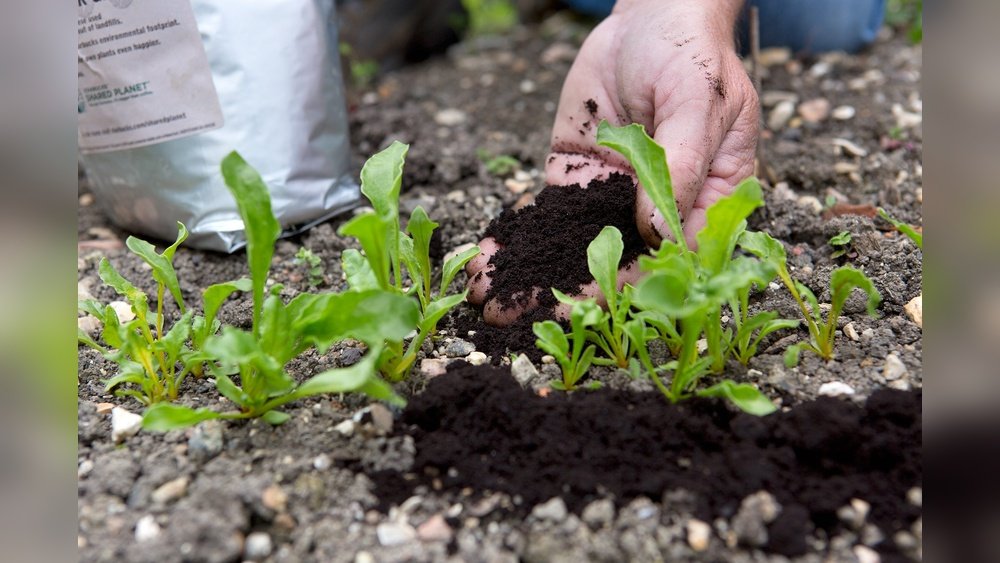
Have you ever wondered if those used coffee grounds sitting in your kitchen could do more than just end up in the trash? What if you could turn your daily coffee habit into a powerful boost for your garden soil?
Using coffee grounds in your garden is a simple, natural way to enrich your soil, attract helpful worms, and even keep pesky pests at bay. But there’s a catch—you need to know how to use them right to avoid common mistakes that can harm your plants.
You’ll discover easy, practical tips to transform your coffee waste into garden gold and watch your plants thrive like never before. Ready to make your garden healthier with something you already have at home? Let’s dive in!
Benefits For Soil
Used coffee grounds offer several benefits for garden soil. They enrich the soil naturally and improve its overall quality. These benefits help plants grow stronger and healthier. Here are the main advantages of adding coffee grounds to your soil.
Nutrient Boost
Coffee grounds contain nitrogen, an essential nutrient for plants. They also provide small amounts of phosphorus and potassium. These nutrients help plants grow leaves, flowers, and roots. Adding coffee grounds gives your soil a natural fertilizer. This supports healthy plant development without chemical additives.
Improved Soil Texture
Coffee grounds help improve soil structure. They make heavy clay soil lighter and more porous. This allows air and water to reach plant roots easily. In sandy soil, coffee grounds help retain moisture longer. Better soil texture means healthier roots and stronger plants. Mixing coffee grounds into soil creates a balanced environment for growth.
Enhanced Microbial Activity
Coffee grounds encourage beneficial microbes in the soil. These microbes break down organic matter and release nutrients for plants. They also help protect plants from diseases. Using coffee grounds supports a lively and healthy soil ecosystem. This leads to better nutrient cycling and improved plant health.
:max_bytes(150000):strip_icc()/using-coffee-grounds-in-your-garden-2539864_FINAL-025580b008314747ad1a5d6411baf988.png)
Credit: www.thespruce.com
Methods Of Application
Applying coffee grounds to garden soil requires simple methods. These methods help plants benefit from nutrients and improve soil health. Choose the right way to apply coffee grounds based on your garden’s needs. Three common methods include mixing into compost, top mulching, and direct soil incorporation.
Mixing Into Compost
Add coffee grounds to your compost pile to boost nitrogen levels. Nitrogen helps break down organic matter faster. Mix grounds evenly with other compost materials like leaves and kitchen scraps. Avoid piling them up in one spot to prevent odor and mold. Turn the compost regularly for better airflow and quicker decomposition.
Top Mulching
Sprinkle coffee grounds as a thin layer on garden soil as mulch. Mix them with other mulch types like straw or wood chips. This prevents grounds from forming a hard crust that blocks water. Mulching helps retain soil moisture and controls weeds. Replace the mulch layer as it breaks down over time.
Direct Soil Incorporation
Work coffee grounds directly into garden soil before planting. Mix them gently with a rake or hoe to avoid compacting the soil. This method adds nutrients quickly and improves soil structure. Use moderate amounts to prevent soil from becoming too acidic. This helps roots grow strong and healthy.
Worm Attraction
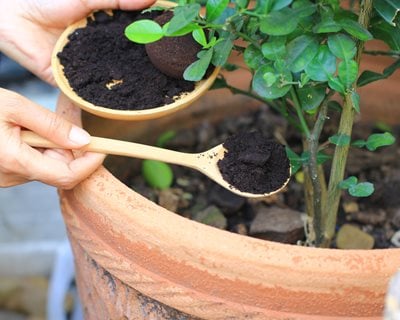
Worms are drawn to coffee grounds because they provide food and moisture. Sprinkling grounds in soil encourages worms to thrive, improving soil health. Their activity creates nutrient-rich soil that helps plants grow strong and healthy.
Used coffee grounds attract earthworms to your garden soil. Worms love the organic matter in coffee grounds. They help break down the grounds and turn them into rich nutrients.
Earthworms improve soil by making it loose and soft. This allows roots to grow better and water to reach plants easily. Worm castings, their waste, act as natural fertilizer.
How Coffee Grounds Draw Worms
Coffee grounds contain nitrogen and organic material. These elements are a food source for worms. When you sprinkle grounds on soil, worms come out to feed.
Worms digest the grounds and enrich the soil with nutrients. This process helps plants grow stronger and healthier.
Using Coffee Grounds To Support Worms
Mix coffee grounds lightly into garden soil or compost. Avoid piling them up thickly. Worms prefer thin layers that allow air and moisture.
Keep the grounds moist but not soaked. Moist conditions help worms move and eat efficiently. Dry grounds can repel worms and slow their activity.
Benefits Of Worms In Your Garden
Worms improve soil structure and drainage. They increase nutrient availability for plants. Their movement mixes soil layers, bringing oxygen to roots.
Healthy worm populations mean healthy soil. Using coffee grounds encourages worms and supports your garden’s growth naturally.
Credit: www.gardendesign.com
Pest Control Uses
Coffee grounds serve as a natural way to control pests in your garden. They create barriers that many common pests avoid. Using coffee grounds helps reduce pest damage without harmful chemicals. This keeps your garden healthy and safe for plants.
Repelling Slugs And Snails
Sprinkle used coffee grounds around plants to keep slugs and snails away. The rough texture irritates their soft bodies, making them avoid treated areas. The mild caffeine content also acts as a natural repellent. This simple method protects your plants without toxic sprays.
Deterring Ants
Coffee grounds disrupt ant trails and nesting spots. Spread them near ant hills or entry points to discourage ants from settling. The strong smell confuses ants and breaks their scent paths. This reduces ant activity around your garden plants effectively.
Precautions
Using coffee grounds in garden soil offers many benefits. They improve soil texture and add nutrients. Still, certain precautions ensure plants thrive without issues. Careful use helps avoid problems and keeps soil healthy.
Avoiding Overuse
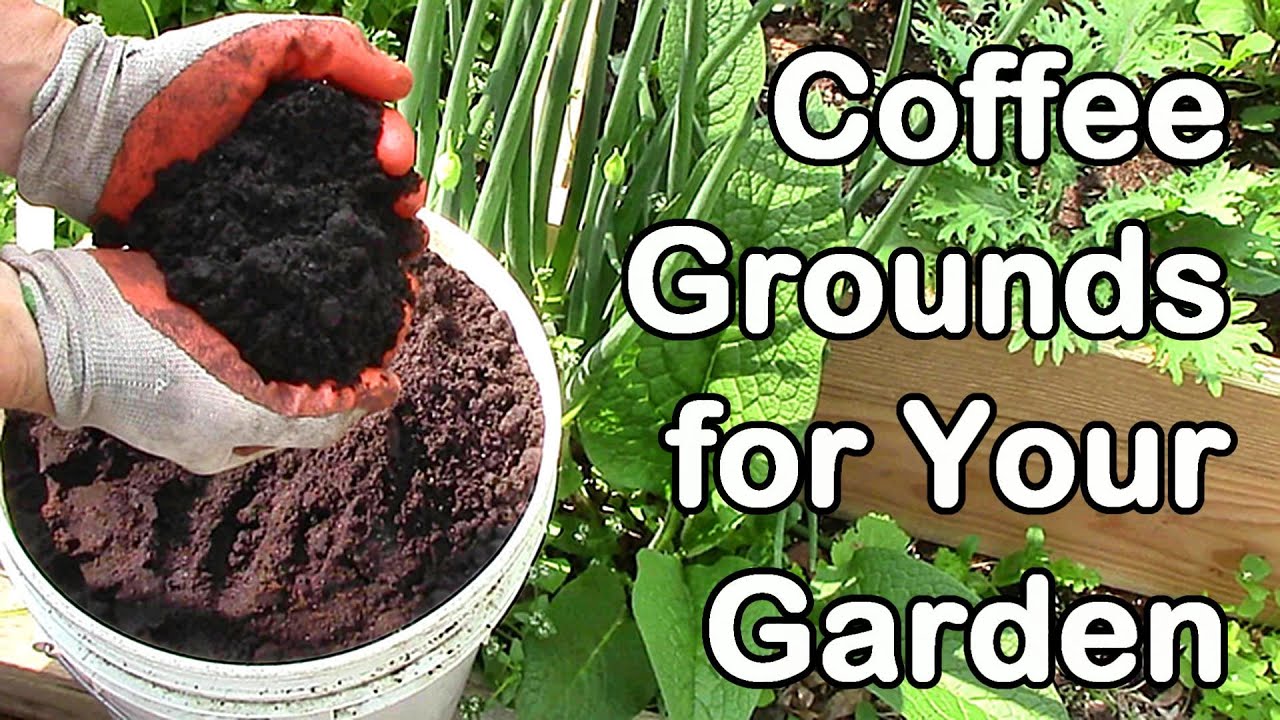
Do not add too many coffee grounds at once. Excess grounds can block air and water flow. This stops roots from getting what they need. Mix grounds well with soil or compost. Spread them thinly over garden beds.
Monitoring Soil Ph
Coffee grounds are slightly acidic. Overuse may lower soil pH too much. Acidic soil harms some plants. Test your soil pH regularly. Adjust with lime or other amendments as needed. Keep pH balanced for healthy plant growth.
Preventing Water-repellent Layers
Dry coffee grounds can form a hard crust. This layer repels water and stops it soaking in. Break up clumps before spreading. Mix grounds with other organic materials. Water the soil after applying grounds to keep it moist.
Credit: www.youtube.com
Best Plants For Coffee Grounds
Using coffee grounds in your garden soil benefits many plants. Coffee grounds add nitrogen and improve soil texture. Some plants thrive better with coffee grounds due to their preference for acidic or nutrient-rich soil. Choosing the right plants helps you get the most from your coffee grounds.
Acid-loving Plants
Many acid-loving plants enjoy coffee grounds in their soil. Coffee grounds lower soil pH slightly, which suits these plants well. Azaleas, rhododendrons, and blueberries grow strong with coffee grounds. Camellias and gardenias also benefit from the added nutrients. These plants develop better blooms and healthier leaves.
Vegetables And Flowers
Certain vegetables and flowers respond positively to coffee grounds. Tomatoes and carrots grow better with moderate coffee ground use. Marigolds and pansies also enjoy the nutrient boost. Use coffee grounds mixed into the soil to avoid over-acidifying. This mix supports good growth and vibrant flowers.
Coffee Grounds In Different Soils
Using coffee grounds in garden soil varies by soil type. Each soil reacts differently to organic matter. Coffee grounds can improve soil texture and fertility. Knowing how they affect different soils helps gardeners use them effectively.
Clayey Soils
Clayey soils hold water tightly and drain slowly. Coffee grounds help loosen this dense soil. They improve aeration and water movement. Mix grounds lightly into the top layer. Avoid using too much to prevent compaction. This helps roots breathe better and grow stronger.
Sandy Soils
Sandy soils drain quickly and lose nutrients fast. Coffee grounds add organic matter and nutrients here. They help sandy soil hold moisture longer. Mix grounds well with soil to prevent washing away. This enriches the soil and supports healthy plant growth.
Seasonal Tips
Using coffee grounds in your garden soil changes with the seasons. Each season needs different care for plants and soil. Coffee grounds can help during these times if used right. Below are tips for spring and fall to get the most from coffee grounds in your garden.
Spring Planting
Spring is the time to prepare soil for new plants. Mix coffee grounds lightly into the soil. This adds nitrogen, which helps plants grow strong. Use a thin layer so grounds do not clump or block water. Coffee grounds also attract earthworms. Worms improve soil by making it soft and rich. Spread grounds around seedlings to keep pests like slugs away. Be gentle; too much coffee can harm delicate roots.
Fall Soil Preparation
Fall is for getting soil ready for winter. Add coffee grounds to your compost pile this season. Grounds speed up decomposition and add nutrients. Mix grounds well with dry leaves or straw. This balance stops grounds from becoming a hard crust. After composting, spread the mix on garden beds. It enriches the soil for next spring. Coffee grounds also improve soil texture by keeping it loose and moist during cold months.
Frequently Asked Questions
Can I Just Sprinkle Coffee Grounds In My Garden?
Yes, sprinkle used coffee grounds in your garden, but mix them into soil or compost. Use moderation to prevent crusting and plant smothering. Grounds add nitrogen, attract worms, and improve soil health without harming plants.
What Plants Do Not Like Coffee Grounds?
Plants that dislike coffee grounds include acid-sensitive ones like azaleas, blueberries, and camellias. Also, avoid using grounds around seedlings and succulents.
Are Coffee Grounds Good For Iris?
Coffee grounds improve iris soil by adding nitrogen and attracting worms. Use them sparingly, mixed into soil or compost. Avoid thick layers to prevent water blockage and plant stress.
What Animals Will Coffee Grounds Keep Away?
Coffee grounds help repel slugs, snails, ants, and cats. They create a barrier that deters these animals from plants and garden areas.
Conclusion
Using coffee grounds in garden soil benefits plants and soil health. They add nutrients and attract helpful worms naturally. Mixing grounds with compost or soil prevents issues like clumping. Avoid overusing to keep soil breathable and moist. Small steps make a big difference in garden care.
Try adding coffee grounds carefully to see positive effects. Gardening becomes easier and more eco-friendly this way. Keep your plants happy and soil rich with simple coffee grounds.