
Have you ever wondered if those used tea bags in your kitchen could do more than just brew your favorite cup? What if you could turn them into something that helps your garden thrive?
Using tea bags in compost is a simple, eco-friendly way to boost your soil’s health and reduce waste. But there’s a catch—you need to know which tea bags work best and how to prepare them properly for composting. You’ll discover easy tips that will transform your leftover tea bags into garden gold, helping your plants grow stronger and greener.
Ready to make your compost smarter and your garden happier? Let’s dive in!
Credit: www.gardeningknowhow.com
Benefits Of Using Tea Bags In Compost
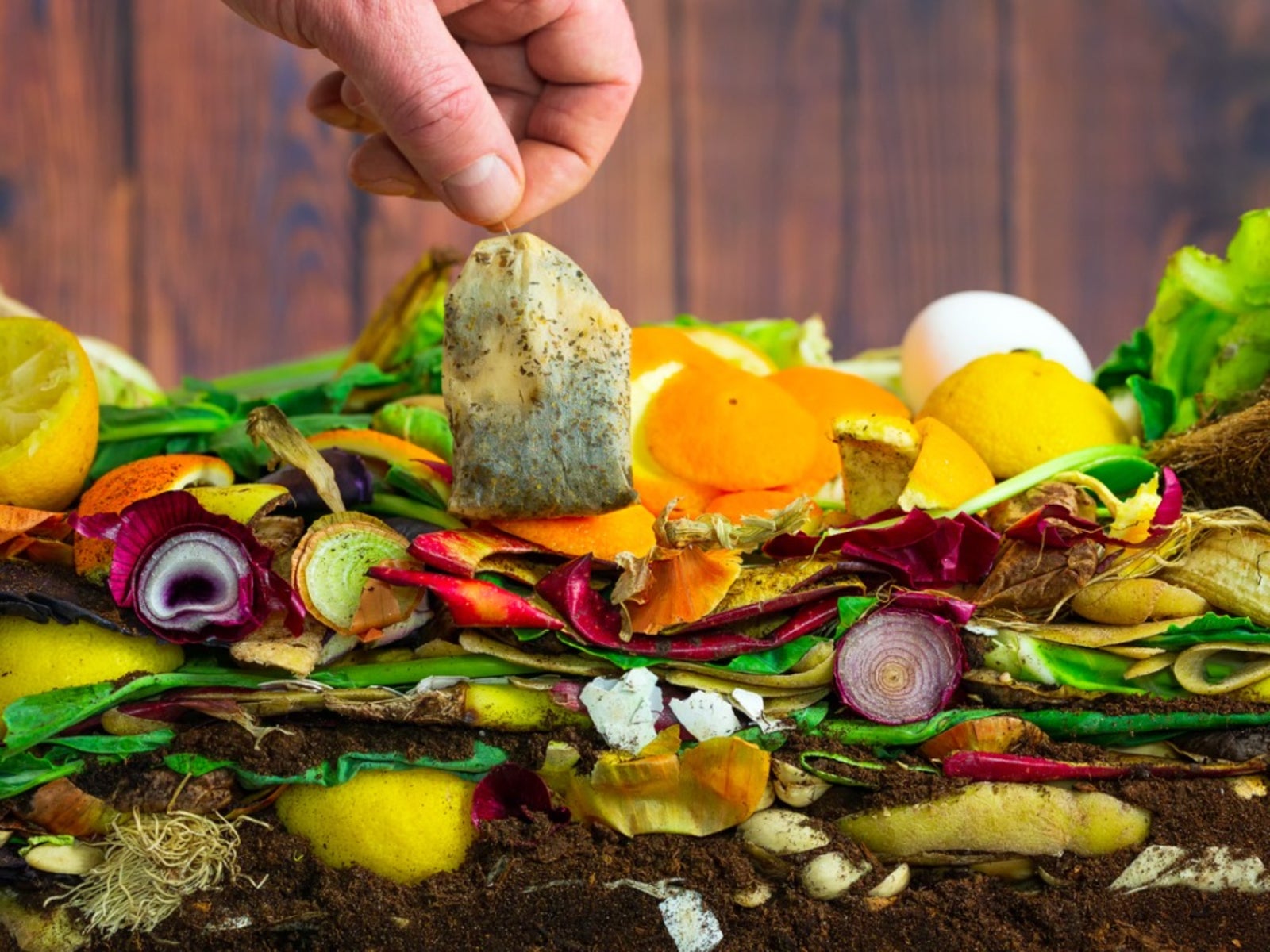
Using tea bags in compost offers many benefits for your garden soil. Tea bags contain organic matter that breaks down easily. They enrich compost with nutrients and improve soil health. Adding tea bags supports a balanced, fertile environment for plants to thrive.
Nutrient Boost For Soil
Tea leaves provide nitrogen, a key nutrient for plant growth. This nitrogen helps plants build strong stems and leaves. Tea bags also add small amounts of other minerals like potassium and phosphorus. These nutrients help flowers and vegetables grow healthy and vibrant.
Improving Soil Structure
Tea bags help soil hold moisture better. They increase the soil’s ability to retain water, reducing the need to water plants often. The decomposed tea leaves improve soil texture, making it loose and crumbly. Good soil structure allows roots to grow deeper and absorb nutrients easily.
Supporting Microbial Life
Microbes in soil break down organic matter and release nutrients. Tea bags provide food for these beneficial microbes. Healthy microbial activity speeds up composting and creates rich, fertile soil. This natural process supports plant health and reduces the need for chemical fertilizers.

Credit: thegardeningcook.com

Credit: artfultea.com
Frequently Asked Questions
Why Do You Not Put Tea Bags In Compost?
Many tea bags contain plastic, which does not break down and harms compost quality. Only use plastic-free tea bags for composting.
Which Plants Like Tea Bags?
Plants that like tea bags include roses, blueberries, azaleas, rhododendrons, ferns, tomatoes, carrots, and radishes. Tea leaves provide tannins and nitrogen, enhancing growth and blooms.
What Are Two Mistakes That We Should Avoid When We Prepare Compost?
Avoid making the compost pile too big or too small. Do not add meat, dairy, pet feces, or greasy materials to prevent odors and pests.
What Is The Laziest Way To Compost?
The laziest way to compost is passive pile composting. Simply pile kitchen scraps and leaves, then let nature break it down. Trench composting also works by burying scraps directly in garden soil. Both methods require minimal effort and no regular turning.
Conclusion
Using tea bags in compost helps enrich your soil naturally. Remember to choose plastic-free tea bags for better results. Tear the bags to speed up decomposition and mix them well with other compost materials. Avoid adding too many tea bags at once to keep balance.
This simple habit supports healthy plants and reduces waste. Try these tips to make your compost more effective and eco-friendly. Keep composting easy and green with tea bags!