
Wondering how to tell when your compost is ready to use? You’ve put in the time and effort, but knowing exactly when your compost has transformed into rich, dark soil isn’t always obvious.
Using compost too early or too late can affect your garden’s health and growth. In this guide, you’ll discover clear, easy signs to look for, so you can confidently know when your compost has matured. Keep reading to unlock simple tips that will help you get the most out of your compost and boost your garden’s success.
Credit: backbonevalleynursery.com
Signs Compost Is Ready
Knowing when compost is ready makes your gardening easier. Compost changes as it breaks down. Watch for clear signs to know it’s done. These signs help you avoid using compost too early or too late.
Volume Reduction
Compost shrinks as materials break down. Expect it to reduce to about half its starting size. This shows microbes have eaten most of the waste. Less volume means more nutrients and richer soil.
Material Breakdown
Original scraps should not be visible anymore. Leaves, food scraps, and grass clippings turn into dark, crumbly soil. You should not see large chunks or recognizable items. This means the compost is fully decomposed and ready to use.
Temperature Drop
Compost heats up as microbes work on materials. When it is ready, the temperature falls to match the outside air. No more heat means the decomposition process is almost complete. This is a key sign your compost is mature.
Earthy Smell
Ready compost smells like fresh earth or soil. It should not smell sour, rotten, or like ammonia. A nice, earthy smell means healthy microbial activity. This indicates the compost is safe and good for plants.
Testing Compost Maturity
Common composting mistakes can slow down the process or cause bad smells. Many beginners face these issues without realizing their compost is unhappy. Knowing these mistakes helps keep the compost healthy and ready faster.
Watch for these common errors to avoid frustration and achieve rich compost.
Imbalanced Greens And Browns
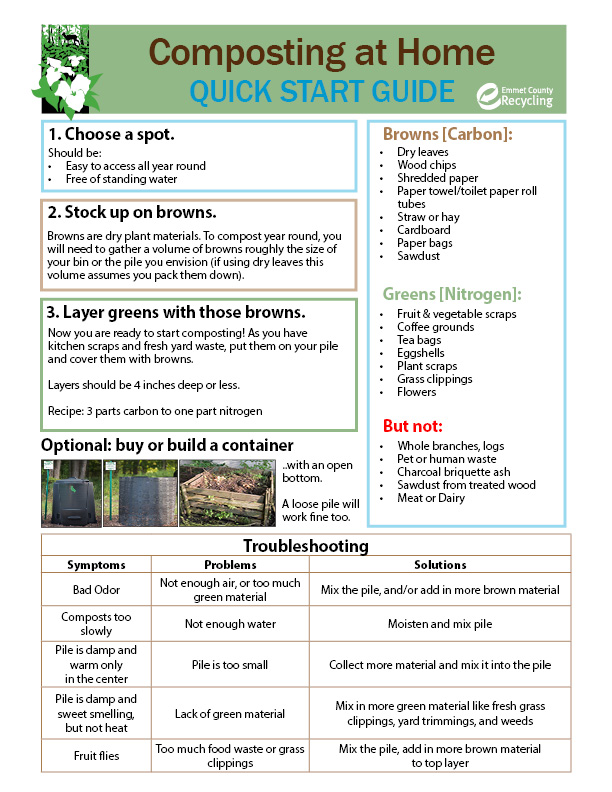
Compost needs a good mix of greens and browns. Greens are wet, like kitchen scraps and grass clippings. Browns are dry, like leaves and paper. Too many greens make the pile smell bad. Too many browns slow down the breakdown. Aim for about three parts browns to one part greens.
Wrong Moisture Levels
Compost should feel like a damp sponge, not soaking wet or dry. Too much water stops air from reaching microbes. Too little water makes them slow down. Check moisture often and add water or dry materials as needed.
Lack Of Oxygen
Air is key for compost to break down quickly. Without oxygen, the pile smells bad and slows. Turn the compost regularly to add air. This helps microbes stay active and speeds up composting.
Adding Inappropriate Materials
Some items do not belong in compost. Avoid meat, dairy, oils, and diseased plants. These attract pests and cause bad odors. Stick to plant-based scraps and yard waste for best results.
Pile Size Issues
A very small pile may not heat up enough to break down materials. A very large pile can be hard to manage. Aim for a pile about 3 feet wide and 3 feet tall. This size holds heat and is easy to turn.
Impatience In Process
Composting takes time. Rushing can lead to adding unfinished compost to your garden. Good compost often takes several months. Be patient and wait until materials look dark and crumbly.
Common Composting Mistakes
Composting can sometimes run into problems that slow down the process or cause unpleasant odors. Fixing these issues helps produce rich, healthy compost faster. Small adjustments make a big difference in the compost pile’s health and progress. This guide covers key steps to fix common composting problems effectively.
Adjusting Material Ratios
Balance is crucial in composting. The right mix of green and brown materials keeps decomposition active. Greens like vegetable scraps add nitrogen. Browns such as dry leaves provide carbon. Too many greens cause a smelly pile. Too many browns slow down breakdown. Aim for about 2 to 3 parts brown to 1 part green. Mix materials well to speed up composting.
Managing Moisture
Moisture controls the activity of compost microbes. The pile should feel like a damp sponge. Too wet compost becomes soggy and smelly. Too dry compost stops breaking down. Add water if it is dry. Add dry browns like straw if it is too wet. Check moisture regularly and adjust to keep compost healthy.
Improving Aeration
Oxygen is essential for compost microbes to work. Without air, compost turns slimy and smells bad. Turn the pile often to bring in fresh air. Use tools like a pitchfork or compost aerator. Add bulky materials like twigs to create air pockets. Good aeration speeds decomposition and prevents bad odors.
Removing Contaminants
Some materials harm compost quality or attract pests. Avoid adding meat, dairy, oils, or diseased plants. These create bad smells and slow composting. Remove any visible contaminants from the pile quickly. Keep the compost clean to ensure safe, healthy soil for your garden.
Credit: cococoirglobal.com
Fixing Composting Problems
Turning compost plays a key role in making compost ready for your garden. It helps mix materials, adds air, and speeds up breakdown. Without turning, compost can take much longer to finish and may smell bad. This simple step keeps the pile healthy and active.
When To Turn
Turn your compost when the pile starts to cool down. Heat shows that microbes are working well. If the temperature drops, it means they need fresh air. Also, turn if the compost looks wet or smells sour. These signs show a need for oxygen.
How Often To Turn
Turn compost every one to two weeks for best results. Hot compost piles need more frequent turning. Cooler piles can be turned less often. Avoid turning daily, as this cools the pile too much. Regular turning balances moisture and air for faster decay.
Benefits Of Turning
Turning compost speeds up the decomposition process. It helps mix materials evenly and breaks up clumps. This allows microbes to work better. Turning also prevents bad odors by adding oxygen. It stops the pile from getting too wet or dry. Overall, turning creates rich, healthy compost faster.
Credit: www.emmetrecycling.org
Frequently Asked Questions
How Do I Know If My Compost Is Ready To Use?
Check if your compost has shrunk by half and original materials are unrecognizable. It should smell earthy and no longer feel hot.
Can You Flip Compost Every Day?
Flipping compost every day is unnecessary and can cool the pile. Turn it weekly or biweekly to maintain heat and oxygen. Watch temperature; turn when it stops rising to speed decomposition.
What Are Common Composting Mistakes?
Common composting mistakes include incorrect green-to-brown ratios, improper moisture levels, poor aeration, adding non-compostable or harmful items, and making the pile too small. These errors slow decomposition, cause odors, and attract pests. Regular turning, proper layering, and using approved materials improve compost quality.
Which Vegetables Don’t Like Compost?
Root vegetables like carrots, radishes, and potatoes dislike fresh compost. Leafy greens prefer well-aged compost to avoid burning. Avoid using compost on acid-loving plants like blueberries, as it can alter soil pH unfavorably.
Conclusion
Knowing when compost is ready helps you use it at its best. The pile should look dark and crumbly, with no signs of original scraps. It will smell fresh, like soil, not rotten or sour. The volume shrinks as materials break down.
Avoid guessing—check texture, color, and smell before using. Proper compost enriches your garden naturally and saves waste. Keep turning, watering, and balancing ingredients for faster results. Patience pays off with rich, healthy compost every time. Start using your compost with confidence and enjoy a greener garden.