
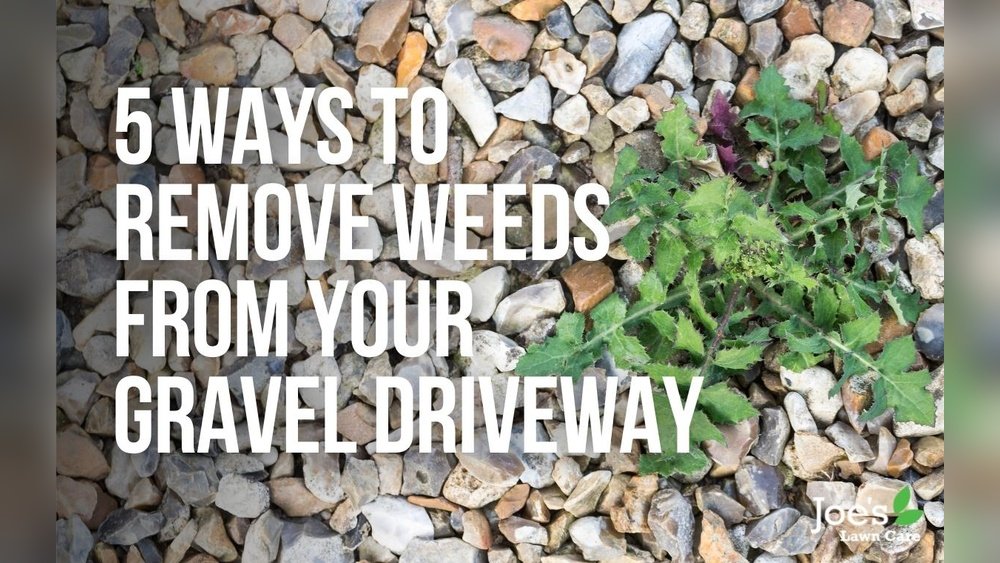
Gravel driveways, paths, and patios can look tidy and natural—until weeds start popping through. Few things are more frustrating than spending time and money on a gravel surface, only to see weeds taking over just months later. Whether you’re dealing with a few stray sprouts or a full invasion, you probably want a long-term solution that actually works. The good news: with the right approach, you can greatly reduce or even stop weeds growing through gravel.
Most people think pulling weeds or spraying them will fix the problem. In reality, these are only short-term fixes. This guide will show you practical steps to prevent weeds in gravel, explain why they happen, and cover both new installations and existing areas.
You’ll learn about the best materials, real-life solutions, mistakes to avoid, and what actually works—so you can enjoy a clean, low-maintenance gravel space.
Why Do Weeds Grow Through Gravel?
Many homeowners are surprised to find weeds thriving in their gravel, even after careful installation. This happens for a few main reasons:
- Weed seeds are everywhere—they can blow in with the wind, be dropped by birds, or come mixed with new gravel.
- Gravel alone is not a barrier. Without an effective weed membrane, most weeds can push through.
- Soil or dust collects between the stones, creating a perfect spot for seeds to sprout.
- Moisture and sunlight can penetrate gaps, helping weeds grow.
Even if you remove all visible weeds, seeds in the soil can wait for months or years before sprouting. That’s why simply raking or picking isn’t enough. The real solution involves blocking weeds at multiple levels.
The Science Behind Weed Growth In Gravel
Understanding how weeds grow helps you stop them. Most gravel areas have a few things in common:
- Open spaces between stones: These let sunlight reach the soil, encouraging growth.
- Moisture retention: Rain soaks through gravel, keeping the ground damp—ideal for weeds.
- Organic debris buildup: Leaves, grass clippings, and dust collect over time, adding nutrients.
Many common weeds like dandelions, crabgrass, and chickweed are tough. Their seeds can survive in harsh conditions and sprout whenever they get a chance. Some even grow sideways under gravel before pushing up.
Planning For Prevention: The Best Way To Stop Weeds
Prevention is always easier than cure. If you’re building a new gravel area, you have the best chance to stop weeds before they start.
Key Steps Before Laying Gravel
- Clear all existing weeds and roots. Remove by hand or with a hoe. Dig out roots—if you leave any, they’ll grow back.
- Excavate the area. Dig down 2–4 inches to remove topsoil, which is full of weed seeds.
- Level and compact the base. Flat, packed soil leaves fewer air gaps for weeds.
Install A Proper Weed Barrier
A weed barrier is your main defense. But not all barriers are the same.
- Landscape fabric (geotextile membrane): Blocks most weeds but lets water drain.
- Plastic sheeting: Blocks weeds but also traps water, causing puddles and muddy spots.
- Cardboard/newspaper: Cheap for small spaces but breaks down quickly.
- No barrier: Not recommended—gravel alone does little to stop weeds long-term.
Comparison Of Common Weed Barriers
| Material | Weed Prevention | Water Drainage | Durability | Cost |
|---|---|---|---|---|
| Landscape fabric | High | Good | 5–10 years | $$ |
| Plastic sheeting | Very high | Poor | 5+ years | $ |
| Cardboard/newspaper | Moderate | Good | 1–2 years | $ |
| No barrier | Low | Excellent | 0 years | $ |
Non-obvious tip: Overlap sheets of fabric by 6–8 inches and pin the edges—most weeds sneak through gaps between sheets.
Add A Good Base Layer
Before gravel, lay a compacted base like crushed stone or road base. This creates a firm foundation, helps drainage, and makes it harder for weeds to root.
- Depth: 2–3 inches for paths, 3–4 inches for driveways.
- Compaction: Use a plate compactor for best results.
Choosing The Right Gravel To Minimize Weeds
Not all gravel is equal when it comes to stopping weeds. The size, shape, and depth matter.
Gravel Size And Type
- Angular gravel (like crushed granite): Locks together, leaving fewer gaps.
- Rounded gravel (like pea gravel): Rolls and shifts, creating spaces for weeds.
- Larger stones: Harder for weeds to push through, but less comfortable to walk on.
Best practice: Use 1/2-inch to 3/4-inch angular gravel for most surfaces. For driveways, a mix of fine and coarse pieces helps lock everything in place.
Depth Matters
A thick gravel layer is your friend. Too thin, and weeds will pop through easily.
- Minimum depth: 2 inches for paths, 3–4 inches for driveways.
- Extra depth: 4–5 inches gives even better weed suppression.
Extra insight: If you top up with fresh gravel every year, you further smother weeds and keep the surface looking new.
How Gravel Depth Affects Weed Growth
| Gravel Depth | Weed Suppression | Maintenance Needs |
|---|---|---|
| < 2 inches | Poor | High |
| 2–3 inches | Moderate | Medium |
| 4+ inches | Excellent | Low |
How To Stop Weeds In Existing Gravel
If you already have a gravel area with weeds, you need a slightly different approach. Don’t worry—you can still get great results.
Step 1: Remove Visible Weeds And Debris
- Hand-pull large weeds, making sure to get the roots.
- Rake out moss, leaves, and grass clippings. This removes both weeds and seeds.
Step 2: Apply A Weed Killer (optional)
- Glyphosate-based sprays: Effective for tough weeds but use with care—can harm other plants.
- Organic options: Vinegar, salt, and boiling water can work on young weeds but are less effective on deep roots.
Important tip: Wait a week after spraying to let the weed killer work before disturbing the gravel.
Step 3: Rake And Level The Gravel
- Use a landscape rake to loosen compacted gravel.
- Redistribute high and low spots to cover bare soil.
Step 4: Install A Barrier (if Possible)
If your gravel is thin, you may be able to pull it back, lay a landscape fabric, and replace the gravel. For large areas, this can be a big job but is the most effective long-term fix.
Step 5: Top Up With Fresh Gravel
Adding 1–2 inches of new gravel helps bury weed seeds and creates a dense layer. This makes it harder for new weeds to push through.
Step 6: Maintain Regularly
- Rake the surface every few months to disturb seedlings.
- Remove organic debris quickly.
- Add more gravel as needed to maintain depth.
Hidden insight: Many people skip regular raking, but it’s a powerful way to keep weeds from establishing.
Natural Weed Prevention Methods
You don’t always need chemicals to keep weeds away. There are several natural approaches that can help, especially for small areas or eco-friendly gardens.
Boiling Water
Pouring boiling water directly onto weeds kills most species quickly. It’s best for driveways or paths where you don’t want any plants at all.
- Works on: Annual and some perennial weeds.
- Not effective on: Deep-rooted weeds.
Vinegar Solution
Mix 1 gallon of white vinegar with 1 cup of salt and a tablespoon of dish soap. Spray directly onto leaves.
- Kills weeds by drying them out.
- May need several applications.
- Avoid spraying near wanted plants—vinegar doesn’t discriminate.
Mulching With Organic Materials
If you prefer a softer look, you can add a layer of bark mulch or wood chips on top of gravel in planting areas. This blocks sunlight and makes it harder for weeds to grow.
Note: Mulch breaks down over time and adds nutrients to the soil, which can eventually encourage more weeds if not topped up.
Corn Gluten Meal
Sprinkle corn gluten meal on gravel—this natural product stops seeds from sprouting but won’t kill existing weeds. Safe for pets and kids.
Chemical Weed Control: What Works (and What To Avoid)
Some weed problems need stronger solutions. Here’s what you need to know about chemical weed control for gravel areas.
Pre-emergent Herbicides
These products stop seeds from sprouting but won’t kill established weeds.
- Apply in early spring before weeds appear.
- Popular active ingredient: Prodiamine.
- Lasts several months.
Post-emergent Herbicides
These kill weeds after they appear.
- Glyphosate: Kills most weeds but can harm nearby plants and soil health.
- Diquat: Fast-acting, kills leaves but may not reach roots.
Granular Weed Preventers
Sprinkle on the gravel surface and water in. These create a chemical barrier that stops seeds from growing.
- Good for large driveways.
- Reapply every 3–4 months.
Warning: Always follow label instructions and wear gloves. Keep pets and children away until the area is dry.
Should You Use Bleach Or Salt?
Many online tips suggest using household bleach or large amounts of salt. While these can kill weeds, they also damage soil and nearby plants, and can harm pets. Use only for cracks in concrete—not for large gravel areas.
Mistakes People Make When Trying To Stop Weeds
Avoiding common errors saves you time, money, and frustration.
- Using cheap weed fabric: Thin plastic rips easily, letting weeds through.
- Not overlapping barrier sheets: Gaps become weed highways.
- Laying gravel too thin: Less than 2 inches is almost useless for weed control.
- Letting organic debris build up: Fallen leaves feed weeds and hide young sprouts.
- Ignoring edge areas: Weeds often invade from the sides—install edging to block them.
- Relying only on chemicals: Sprays help, but without a good barrier, weeds keep coming.
Unseen mistake: Many skip compacting the base, which leaves loose spots where weeds thrive.

Credit: www.reddit.com
Edging And Borders: Stopping Weeds From The Sides
Even with a perfect weed barrier, weeds can invade from the edges. Installing a strong border is an extra defense.
- Plastic or metal edging: Easy to install, helps keep gravel and weeds separate.
- Concrete or brick borders: Long-lasting, look neat.
- Timber sleepers: Good for rustic gardens but can rot over time.
Expert tip: Bury edging at least 1–2 inches below the surface to block root spread.
Comparing Solutions: What’s Best For Your Gravel Area?
Every space is different. Here’s a quick comparison to help choose the right solution:
| Situation | Best Method | Effort | Longevity |
|---|---|---|---|
| New installation | Fabric + compacted base + deep gravel | High | 10+ years |
| Existing gravel with weeds | Weed removal + fabric (if possible) + gravel top-up | Medium | 5–10 years |
| Driveways | Thick, angular gravel + edging | Medium | 10+ years |
| Garden paths | Fabric + mulch or fine gravel | Low | 5–7 years |
| Pet/kid safe areas | Manual removal + corn gluten meal | High | 1–2 years |
Regular Maintenance: Keeping Gravel Weed-free
Even the best installation needs a little upkeep. Here’s what to do each season:
- Spring: Rake gravel, remove debris, check for new weeds.
- Summer: Spot-treat weeds, add fresh gravel if needed.
- Fall: Clear leaves, inspect edging, repair any holes in the barrier.
- Winter: Check for pooling water or erosion.
Helpful habit: Walk your gravel area monthly with a bucket and pull any young weeds before they grow strong roots.
Cost Of Weed Prevention In Gravel
What you spend depends on the size of your area and the methods you choose.
Typical Costs
- Landscape fabric: $0.10–$0.50 per square foot
- Gravel: $1–$3 per square foot for 2–3 inch depth
- Edging: $1–$4 per linear foot
- Weed killer: $10–$30 per bottle (treats 2,000–5,000 sq ft)
For a 200 sq ft path:
- Fabric: ~$40
- Gravel: ~$400
- Edging: ~$200
Total: About $640 For A Long-lasting, Low-weed Area
Budget tip: Doing the work yourself saves most of the cost. Paying a landscaper can double or triple the price.

Credit: www.reddit.com
Real-life Example: Transforming A Weedy Driveway
Maria had a 500 sq ft gravel driveway covered in weeds every spring. She pulled weeds and sprayed, but they always returned. Last year, she decided to start fresh:
- Removed all gravel with a shovel and wheelbarrow.
- Dug out 2 inches of soil, removing roots.
- Installed heavy-duty landscape fabric, overlapping edges by 8 inches.
- Pinned fabric down every 2 feet.
- Added a 3-inch base of crushed stone, compacted well.
- Spread 2 inches of angular gravel.
- Installed metal edging along the sides.
This spring, Maria saw only a few weeds at the edges, which she easily pulled out. Her driveway now stays neat with only 10 minutes of maintenance each month.
Key lesson: A little extra effort upfront saves hours of work each year.
Environmental Impact: Eco-friendly Weed Control
Many people worry about the effects of weed killers on the environment. Here are greener options:
- Use landscape fabric instead of plastic sheeting (lets water through, less waste).
- Hand pull weeds instead of spraying.
- Try boiling water or vinegar for small patches.
- Add more gravel rather than more chemicals.
For more on eco-friendly gardening, check the advice from the Royal Horticultural Society.
When To Call A Professional
Some situations need expert help:
- Very large areas (over 1,000 sq ft)
- Steep slopes (risk of erosion)
- Thick weeds with woody roots
- If you want a guarantee on results
Professionals have access to heavy-duty compactors, commercial-grade fabric, and bulk gravel. They can finish in a day what might take you a weekend or more.
Caution: Always ask for references and check online reviews before hiring.
Frequently Asked Questions
How Do I Stop Weeds Growing Through Gravel Permanently?
The best permanent solution is to remove all existing weeds and roots, lay a high-quality landscape fabric, add a compacted base layer, and top with at least 3–4 inches of angular gravel. Install edging to stop weeds from creeping in at the sides. With these steps, you may only see a few weeds each year, which are easy to pull.
Can I Put Weed Killer Under Gravel?
Yes, you can spray a weed killer before laying new gravel, but it’s not a substitute for a weed barrier. Most weed killers only work for a few months, while a good barrier lasts years. Use both for best results, but never rely on chemicals alone.
Is It Safe To Use Salt Or Bleach To Kill Weeds In Gravel?
Salt and bleach can kill weeds but are not recommended for gravel areas. They harm soil health, can kill nearby plants, and may be dangerous to pets. Use only as a last resort for cracks, not for large surfaces.
How Often Should I Add New Gravel To Keep Weeds Down?
Add a thin layer of fresh gravel every 1–2 years. This smothers weed seeds and keeps the surface dense. Rake the area first to level it and help the new gravel blend in.
What Is The Best Type Of Gravel To Prevent Weeds?
Angular gravel (like crushed granite or limestone) in the 1/2–3/4 inch size range is best. It locks together tightly, leaving fewer gaps for weeds. Avoid rounded pea gravel, which shifts and creates spaces for weeds to grow.
Keeping weeds out of gravel takes effort, but it’s worth it for a clean, easy-care outdoor space. With the right materials, smart installation, and a little regular maintenance, you can enjoy a weed-free gravel area for years to come.
Credit: www.gardeningknowhow.com