
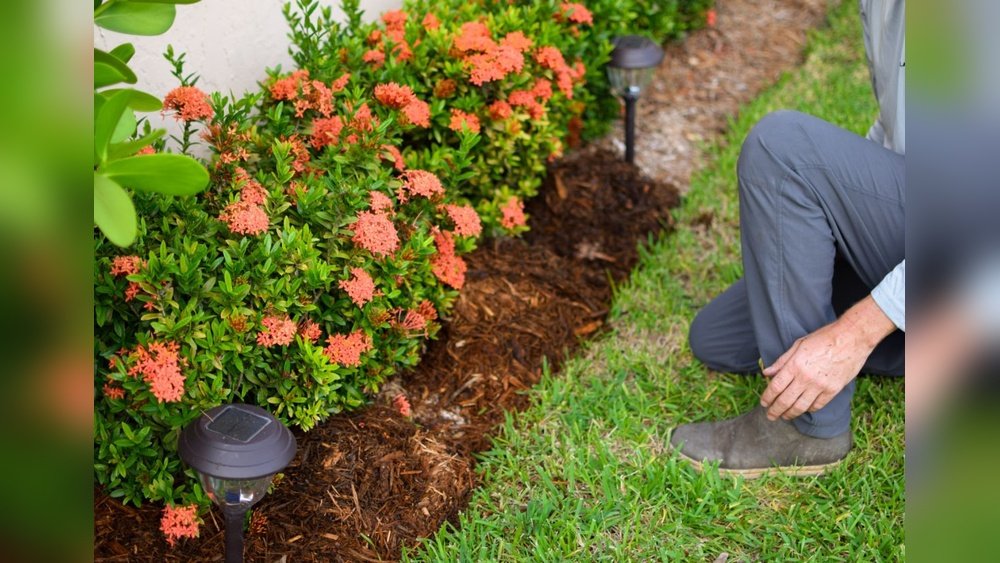
Mulch is often recommended as a solution for controlling weeds in gardens and landscapes. Walk into any garden center or scroll through gardening forums, and you’ll see countless tips about laying down mulch to keep unwanted plants at bay. But does mulch really prevent weeds as effectively as people claim?
Or is it just a temporary fix that looks good but fails when the pressure is on?
This guide digs deep into the science, real-world results, and practical steps for using mulch to fight weeds. You’ll learn what types of mulch work best, how to use them, and common mistakes that can actually make weed problems worse.
If you want a garden that stays neat without endless weeding, read on—you may find a few surprises along the way.
What Is Mulch And Why Is It Used?
Mulch is any material spread over the surface of soil. It can be organic (like wood chips, straw, or leaves) or inorganic (like gravel or plastic sheeting). Most people use mulch to improve how their garden looks, but it also serves many other purposes.
Main Benefits Of Mulch
- Suppresses weeds by blocking sunlight.
- Holds soil moisture by reducing evaporation.
- Protects roots from extreme temperatures.
- Improves soil (organic mulches break down and add nutrients).
- Reduces soil erosion from rain or wind.
While these benefits sound appealing, not all mulches work the same way. The type you choose, how you apply it, and your local climate can all affect results.
How Mulch Suppresses Weeds: The Science
Weeds need light, water, and space to grow. Mulch creates a barrier between the soil and the air, blocking sunlight from reaching weed seeds. Most annual weeds require light to germinate, so covering the soil reduces the number that can sprout. Even for tough perennial weeds, a thick mulch layer makes it harder for shoots to reach the surface.
A 2021 study from the University of Illinois showed that a 2–4 inch layer of wood chips reduced weed growth by up to 85% compared to bare soil. Organic mulches like straw and leaves also reduced weeds, but sometimes less effectively, depending on their thickness and how tightly they packed.
Types Of Mulch And Their Weed-blocking Power
Not all mulches perform equally. Some are better at stopping weeds, while others have trade-offs. Here’s a closer look at common mulch types:
| Type of Mulch | Weed Control | Longevity | Best For |
|---|---|---|---|
| Wood chips/bark | Excellent | 2–3 years | Flower beds, trees, shrubs |
| Straw/hay | Good (if seed-free) | 1 season | Vegetable gardens |
| Compost | Fair | 1–2 years | Flower/vegetable beds |
| Gravel/stone | Excellent | 5+ years | Paths, xeriscapes |
| Plastic sheeting | Excellent | 1–2 years | Under pathways, commercial use |
| Grass clippings | Fair | Few months | Vegetable beds (thin layer) |
| Leaves | Good (shredded) | 1 season | Flower/vegetable beds |
Non-obvious Insight
Some gardeners think any mulch is better than none, but that’s not always true. For example, hay or straw with weed seeds can actually introduce more weeds. Likewise, thin layers of mulch let light through and may help weeds grow instead of stopping them.
Key Factors That Make Mulch Effective
For mulch to work against weeds, it’s not enough to just spread it out and walk away. Here are the factors that really matter:
1. Thickness Of Mulch Layer
A common mistake is using too little mulch. For most types, a layer 2–4 inches thick is ideal. Less than 2 inches often lets light through; more than 4 inches can suffocate plant roots or cause water to run off instead of soaking in.
2. Type And Size Of Mulch Pieces
Fine materials like compost or grass clippings break down quickly, so they need to be replaced often. Larger pieces (like bark nuggets or wood chips) block light better and last longer. However, very large chunks may leave gaps where light sneaks through.
3. Mulch Placement
Mulch should be spread evenly and kept a few inches away from plant stems or tree trunks. Piling it against stems can cause rot or invite pests.
4. Weed Seeds Already Present
If your soil is full of weed seeds or live weeds before you mulch, you’ll get mixed results. It’s best to remove existing weeds and water the soil (to help seeds sprout) before laying mulch. Killing fresh weeds under mulch is much harder.
5. Mulch Maintenance
Organic mulch breaks down over time. As it gets thinner, its ability to block weeds drops fast. Check your mulch each season and add more as needed.
Mulch Vs. Other Weed Control Methods
Mulch isn’t the only way to keep weeds in check. Here’s how it compares to other common methods:
| Method | Effectiveness | Labor Required | Environmental Impact |
|---|---|---|---|
| Mulch | High (if applied correctly) | Low to moderate | Low (organic); moderate (inorganic) |
| Hand weeding | High (if done regularly) | High | None |
| Herbicides | High (short-term) | Low | High (can harm non-target plants/soil) |
| Landscape fabric | Very high (initially) | Moderate (needs installation) | Moderate (plastic waste if removed) |
| Flame weeding | Moderate | Moderate | Moderate (energy use, fire risk) |
Practical Example
If you mulch your garden beds and paths, you might only need to hand-weed a few times each season. Skip the mulch, and you could be pulling weeds every week.
Common Mistakes That Weaken Mulch’s Weed Control
Even experienced gardeners sometimes get mulch wrong. Here are common errors:
- Mulching over existing weeds: Many weeds survive under mulch, especially tough perennials. Always clear weeds before mulching.
- Using too little mulch: Thin layers let light reach weed seeds.
- Using the wrong mulch: Some mulches, like fresh grass clippings or hay, can add weed seeds.
- Letting mulch touch stems/trunks: This can rot plants and invite diseases.
- Ignoring mulch after application: Over time, mulch breaks down or gets scattered, letting weeds in.
One less-known mistake: mixing mulch into the soil. This speeds up decomposition, steals nitrogen from plants, and can actually help some weeds sprout.
How To Apply Mulch For Maximum Weed Prevention
Getting the best results from mulch means following the right steps. Here’s how to do it:
Step 1: Clear The Area
Remove all visible weeds by hand or with a hoe. For tough patches, water the soil, wait for weed seeds to sprout, then remove them before mulching.
Step 2: Prepare The Soil
Rake the soil surface smooth. If you’re mulching a new bed, level it and remove large clumps.
Step 3: Lay Mulch Evenly
Spread mulch evenly to a depth of 2–4 inches. For fine mulches (like grass clippings or compost), aim for the thicker end of that range.
Step 4: Keep Mulch Away From Stems
Leave a gap of 2–3 inches around stems or trunks. This prevents rot and pest problems.
Step 5: Maintain The Mulch
Check mulch depth each season. Add more as it breaks down or gets thin. Rake it gently to smooth out bare spots.
Pro Tip
For really persistent weeds, lay down cardboard or several sheets of newspaper before adding mulch. This blocks more light and creates a longer-lasting barrier, but make sure the materials are plain (no shiny or colored ink).
Organic Vs. Inorganic Mulch For Weed Control
Organic mulches (like wood chips, straw, or leaves) and inorganic mulches (like plastic or gravel) both block weeds, but they have different strengths:
- Organic mulch: Blocks weeds well, improves soil as it breaks down, adds nutrients, and helps soil life. Needs to be replaced every 1–3 years.
- Inorganic mulch: Blocks weeds longer, doesn’t break down, but can make soil hot and may need landscape fabric underneath for best results.
Choosing between them depends on your garden’s needs. For flower beds, organic mulch is usually best. For paths, dry areas, or where you want zero maintenance, inorganic options can work well.
How Mulch Affects Different Types Of Weeds
Not all weeds are the same. Some are easy to block; others are tougher.
1. Annual Weeds
These weeds (like crabgrass or chickweed) sprout from seed each year. Mulch is very effective against them, because they need light to germinate.
2. Perennial Weeds
These include dandelions, bindweed, and thistle. They often have strong roots and can push up through mulch. For these, a thicker layer or a double barrier (like cardboard plus mulch) works best.
3. Weeds With Rhizomes Or Stolons
Some weeds spread by underground stems or runners. Mulch can slow them down, but they may find their way through gaps. Regular monitoring is key.
Surprising Fact
Some weed seeds can survive under mulch for years. If you disturb the mulch and let light in, they may sprout even after several seasons.
Real-world Results: Does Mulch Really Work?
Many studies and field tests show that mulch can reduce weed growth by 70–90% when used properly. In a five-year study by the University of California, plots mulched with wood chips had 80% fewer weeds and needed 50% less maintenance than unmulched plots.
However, mulch is not a magic bullet. Here’s why:
- New weed seeds can land on top of mulch and sprout, especially if mulch is thin or decomposed.
- Some aggressive weeds push through almost any barrier.
- Poor mulch (like weedy straw or fresh grass) can add more weeds.
Still, most gardeners report a dramatic drop in weeding time after adding mulch. For example, one study found that vegetable gardens with straw mulch needed only 15 minutes of weeding per week, compared to over an hour for bare soil.

Credit: www.superepoxysystems.com
Which Mulch Works Best For Different Garden Areas?
Different parts of the garden need different mulches. Here are practical recommendations:
Flower Beds
- Best choices: Shredded bark, wood chips, shredded leaves
- These look neat, last 1–3 years, and improve soil.
Vegetable Gardens
- Best choices: Straw (seed-free), grass clippings (dried), compost
- These break down quickly and feed the soil, but must be replaced each season.
Paths And Walkways
- Best choices: Gravel, stone, wood chips, or bark nuggets
- These are durable and stop most weeds.
Around Trees And Shrubs
- Best choices: Bark nuggets, wood chips
- Helps keep roots cool and moist.
Slopes Or Erosion-prone Areas
- Best choices: Shredded bark (locks together), gravel (if drainage is good)
- Prevents soil washout.
How Long Does Mulch Keep Weeds Away?
Organic mulch lasts 1–3 years, depending on type and climate. You’ll need to add more each year as it breaks down. Inorganic mulch, like gravel, can last much longer but may let weeds through if soil builds up on top.
A key tip: Most of mulch’s weed-blocking power is in the first year, when the layer is thickest. After that, its effect drops unless you maintain it.
Environmental Impact: Is Mulch Always A Good Choice?
Most organic mulches are environmentally friendly, especially if made from local materials. They improve soil, reduce water use, and cut down on chemical herbicides.
However, some mulches have risks:
- Colored or dyed mulches: Some use chemical dyes that can leach into soil.
- Cypress mulch: Often harvested unsustainably from wetlands.
- Plastic sheeting: Can create waste and harm soil life underneath.
The best approach is to use natural, undyed mulches from sustainable sources. For example, arborist wood chips (from tree trimming) are cheap, effective, and recycled.
What About Landscape Fabric Under Mulch?
Many people use landscape fabric (a woven or spun plastic sheet) under mulch for extra weed control. It blocks weeds well at first, but there are some downsides:
- Soil life (worms, microbes) can’t mix organic matter into soil as easily.
- Over time, soil and weed seeds build up on top of the fabric, letting weeds grow.
- Removing or replacing it is hard once roots grow through.
If you want a temporary barrier (for a path or new bed), landscape fabric can help. For long-term beds, thick mulch alone is usually better for soil health.
Mulching For Weeds In Different Climates
Mulch works in most climates, but there are a few things to consider:
- Wet climates: Mulch can hold too much moisture, encouraging slugs or plant disease. Use coarse mulch (like bark nuggets) to allow airflow.
- Dry climates: Mulch is critical for holding water and keeping soil cool. Gravel or stone works well in xeriscapes, but organic mulch is better for beds.
- Cold climates: Mulch insulates soil and protects roots. Add mulch after the ground freezes to prevent rodents from nesting.
Practical Tips For Long-term Weed Control With Mulch
- Refresh mulch every year. Don’t let it get thin or patchy.
- Spot-weed regularly. Pull any weeds that break through before they set seeds.
- Edge your beds. A clean edge keeps grass and weeds from creeping in.
- Don’t mix mulch into soil. This speeds up decomposition and can feed weeds.
- Use a pre-emergent herbicide (optional). If you have big weed problems, these can help before mulching (but use carefully).
- Inspect after storms or heavy rain. Mulch can wash away—replace as needed.

Credit: www.superepoxysystems.com
Should You Mulch Every Bed In Your Garden?
Not every garden area needs mulch. Here’s when to use it:
- Yes: Around perennials, trees, shrubs, vegetables, and in pathways.
- Maybe: In wildflower meadows (thick mulch can block native seedlings).
- No: In lawns or areas you plan to seed soon.
Costs And Labor: Is Mulch Worth It?
Mulch has upfront costs (buying bags, hauling, spreading), but saves time in the long run. Most gardeners find that the hours saved on weeding and watering make mulch a good investment.
- Bagged mulch: Around $3–$5 per bag (2 cubic feet)
- Bulk mulch: $25–$50 per cubic yard (covers about 100 square feet, 3 inches deep)
Spreading mulch is simple: one person can mulch 500–1,000 square feet in a day with a wheelbarrow and rake.
Two Surprising Insights Most Beginners Miss
- Mulch is not permanent weed-proofing. Even with thick mulch, weeds will eventually return—especially if you don’t maintain the layer each year.
- Too much mulch can harm plants. More is not always better. Over-mulching can suffocate roots, cause fungal disease, and even kill trees by keeping trunks too wet.
When Mulch Might Not Be Enough
In some cases, mulch alone won’t solve your weed problems:
- If you have aggressive perennial weeds (like Bermuda grass or bindweed), mulch slows them but rarely stops them.
- If your soil is full of weed seeds, you may need several seasons of mulch plus other methods (cardboard, solarization, or careful herbicide use) to get ahead.
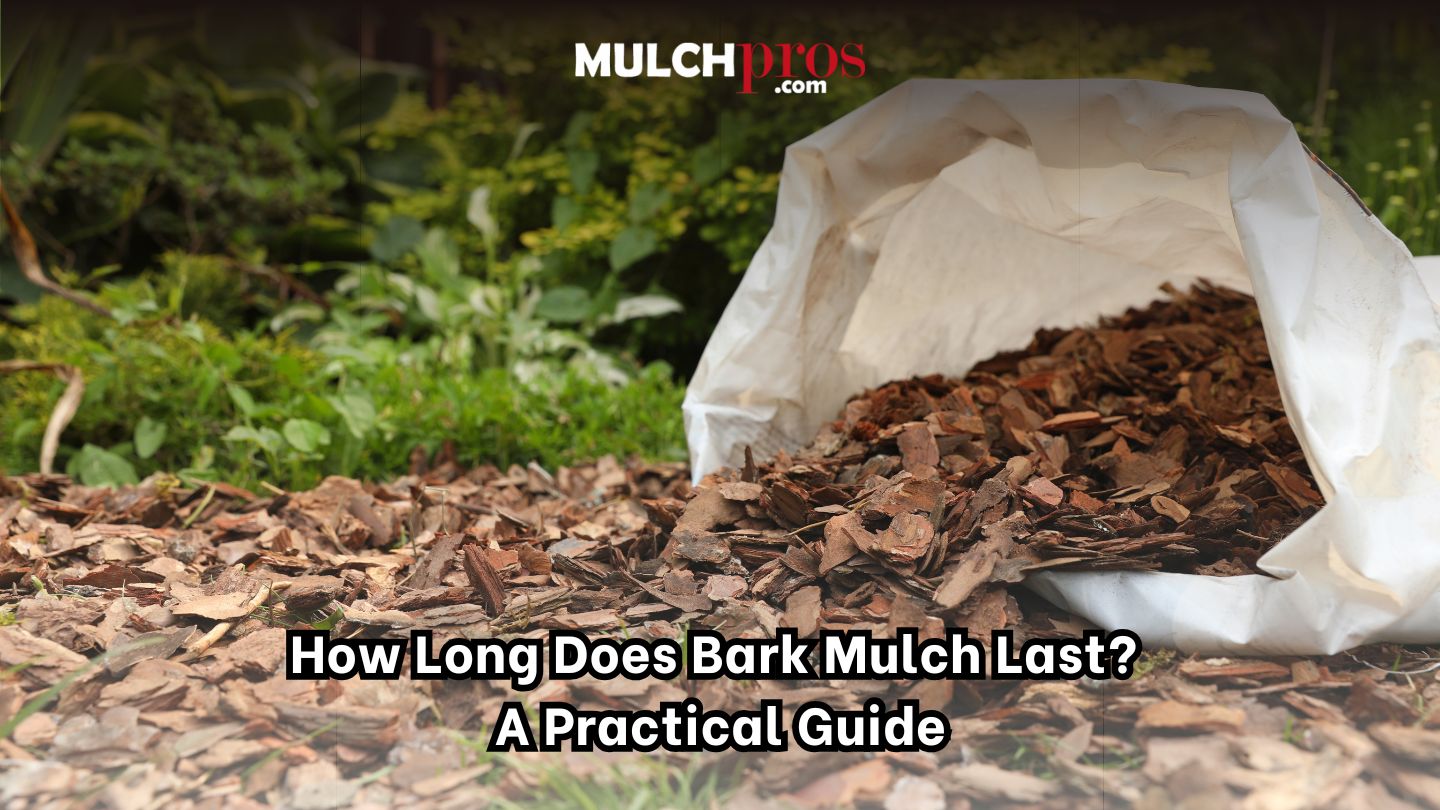
Credit: mulchpros.com
The Bottom Line: Does Mulch Really Prevent Weeds?
Yes, mulch works—when used correctly. It can cut weeding time by 70–90%, keeps soil healthy, and looks attractive. But it’s not a one-time fix. Regular maintenance, the right type and thickness, and good bed preparation are essential.
If you want a garden that looks neat with less work, mulch is your best friend. But stay realistic: a few weeds will always find their way through. Mulch doesn’t mean “weed-free”—but it can make weeds much less of a chore.
For more on research-based gardening techniques, check out this University of Illinois Extension guide.
Frequently Asked Questions
How Thick Should Mulch Be To Stop Weeds?
A layer of 2–4 inches is best for most mulches. Less than 2 inches won’t block enough light; more than 4 inches can cause plant problems.
Can Weeds Grow Through Mulch?
Yes, especially tough perennial weeds or if the mulch is too thin. New weed seeds can also land on top and grow if the mulch breaks down.
Is It Better To Use Organic Or Inorganic Mulch For Weed Control?
Organic mulches are best for beds and gardens, as they improve soil. Inorganic mulches (like gravel) work well for paths or dry areas but don’t feed the soil.
Does Landscape Fabric Under Mulch Stop All Weeds?
It blocks most weeds at first, but over time, soil and seeds build up on top. Persistent weeds can still break through, and removing fabric later is hard.
How Often Should I Replace Or Add Mulch?
Check mulch depth each year. Add more when it gets thin (under 2 inches). Most organic mulches need refreshing every 1–2 years.
Mulch is a powerful tool for weed control, but it works best as part of a regular garden care routine. With the right mulch and smart maintenance, you can enjoy a cleaner, healthier garden with far fewer weeds.