
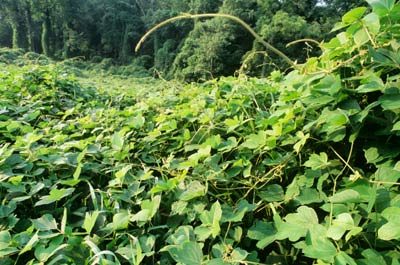
Kudzu is not just a fast-growing weed—it is a serious invader that can take over fields, gardens, forests, and even buildings. If you live in the southeastern United States or any region where kudzu vine is a threat, you’ve likely seen how quickly it spreads. Many people call it “the vine that ate the South,” and for good reason: kudzu can grow up to a foot a day during peak summer. Once established, it smothers native plants, damages property, and is extremely hard to remove.
But you don’t have to feel helpless. With the right approach, you can control and even get rid of kudzu vine on your property. This guide will explain effective, step-by-step methods for tackling kudzu, offer practical tips, and help you avoid mistakes that often make the problem worse.
Whether you’re dealing with a small patch or a large infestation, you’ll find proven strategies here.
Understanding Kudzu Vine: Why Is It So Hard To Kill?
Before you start, it’s helpful to know why kudzu is so difficult to eliminate. Kudzu is a perennial vine with deep, woody roots called rhizomes. These roots can reach over 10 feet underground and weigh up to several hundred pounds. Even a small piece left in the soil can regrow. The vine produces thousands of seeds each year, but its main strength is in its roots and fast-growing runners.
Kudzu’s large leaves block sunlight, killing native plants. It also grows over structures, fences, and trees, making physical removal challenging. The plant thrives in warm, moist climates but can survive cold winters, which means you need a long-term plan to get rid of it for good.
How To Identify Kudzu Vine
To control kudzu, you need to be sure you’re fighting the right plant. Kudzu has a few distinct features:
- Leaves: Large, with three broad leaflets (trifoliate), each 2–4 inches wide.
- Vines: Twining, hairy, and can climb over 100 feet.
- Flowers: Purple, pea-like, fragrant, blooming in late summer.
- Seed pods: Fuzzy, brown, contain 3–10 seeds.
Kudzu can be confused with other vines like poison ivy or native legumes. If you’re unsure, compare with photos from trusted sources like university extension websites.
Kudzu’s Impact On Property And Ecosystems
Kudzu is more than a garden nuisance. It causes real damage:
- Economic loss: Kudzu costs the US hundreds of millions of dollars every year in lost crops, property damage, and control efforts.
- Biodiversity: It crowds out native plants, leading to lower diversity of insects, birds, and animals.
- Property value: Uncontrolled kudzu can lower home values and make land hard to sell.
- Fire hazard: Dry kudzu vines can increase wildfire risks.
In Georgia alone, kudzu covers over 227,000 acres. This is not just a rural problem—urban areas can also be affected.
The Main Methods To Get Rid Of Kudzu Vine
Controlling kudzu requires patience and persistence. There is no instant solution, but combining several methods gives you the best chance of success. Here are the main techniques:
1. Manual Removal
Hand-pulling and digging are most effective for small patches or young plants.
Steps:
- Wear gloves and protective clothing.
- Cut vines near the ground with pruning shears or a machete.
- Dig up roots using a shovel or mattock. Try to remove as much of the root system as possible.
- Bag all plant material and dispose of it—do not compost, as fragments can regrow.
Tips:
- Best done after rain, when soil is soft.
- Repeat every few weeks during the growing season.
- Watch for regrowth and pull new shoots quickly.
Common mistake: Leaving small root pieces in the soil. Kudzu will regrow from any remaining rhizome.
2. Mowing And Cutting
Regular mowing can weaken kudzu over time, but only if you cut it back to the ground frequently.
How to do it:
- Mow every 2–4 weeks, starting in spring and continuing through the growing season.
- Use a brush cutter for thick vines.
- Rake up cut material and dispose of it safely.
This method is best for large areas where digging is not practical. Be aware that mowing alone will not kill the roots but helps exhaust the plant’s energy.
3. Herbicide Application
Chemical control is often needed for larger infestations. The most effective herbicides contain glyphosate or triclopyr.
How to apply:
- Spray leaves thoroughly during active growth (mid-summer is best).
- Use a targeted sprayer to avoid harming nearby plants.
- Follow all label directions and safety guidelines.
- Repeat applications yearly for 2–4 years.
Important: Herbicides can harm desirable plants. Protect native vegetation where possible.
Non-obvious insight: Kudzu’s waxy leaves can resist herbicide. Using a surfactant (a spray additive that helps herbicide stick to leaves) improves effectiveness.
4. Grazing With Animals
Goats and sheep love to eat kudzu. Grazing is a sustainable way to control large patches, especially on rough terrain.
How it works:
- Fence in goats or sheep on infested land.
- Rotate animals to prevent overgrazing and soil erosion.
- Combine with other methods for best results.
Data: Studies show goats can eliminate kudzu cover by up to 85% in two years if managed well.
Mistake to avoid: Removing animals too soon. Kudzu will regrow if grazing stops before roots are starved.
5. Smothering (sheet Mulching)
Kudzu needs sunlight. Blocking light with tarps, black plastic, or thick mulch can weaken and kill the vine over time.
Steps:
- Cut vines to the ground.
- Cover area with heavy-duty black plastic or several layers of cardboard/newspaper.
- Weigh down with rocks, soil, or mulch.
- Leave in place for at least 2 growing seasons.
Works best: For small patches or garden beds, not large fields.
Non-obvious insight: Edges of the plastic must be sealed or tucked in, or kudzu will send runners under the cover.
6. Prescribed Burning
Controlled burning can clear old vines, but does not kill roots. It is used mostly to prepare for other control methods.
Risks:
- Fire hazard if not managed by professionals.
- Not suitable in urban areas.
- May require permits.
7. Biological Controls
Some insects and fungal diseases can weaken kudzu, but there are few proven options for homeowners. Research is ongoing into natural enemies, but most are not yet widely available.
8. Repeated Persistence
Whatever method you choose, persistence is key. Kudzu rarely dies after one treatment. Plan for a multi-year effort.
Step-by-step Guide: Combining Methods For Success
The most effective strategy is to combine methods over several years. Here’s how to plan your attack:
- Assess the size of the infestation. Mark the area on a map or with flags.
- Cut and clear vines to expose the ground and roots.
- Dig up roots where possible, especially around the edges.
- Apply herbicide to regrowth in mid to late summer.
- Mow or cut new shoots every few weeks.
- Use goats for large, overgrown areas.
- Cover with plastic in garden beds or small plots.
- Repeat steps for 2–5 years, checking for new growth each spring.
Choosing The Right Kudzu Control Method For Your Situation
Different sites require different approaches. The best method depends on the area size, terrain, nearby plants, and your resources.
Here’s a comparison of main methods:
| Method | Best For | Speed | Cost | Effort | Environmental Impact |
|---|---|---|---|---|---|
| Manual Removal | Small patches, gardens | Slow | Low | High | Low |
| Mowing/Cutting | Large, open areas | Medium | Medium | Medium | Low |
| Herbicides | Dense infestations | Fast | Medium | Low | Medium |
| Grazing | Hillsides, rough terrain | Medium | Medium | Low | Low |
| Smothering | Garden beds, small areas | Slow | Low | Medium | Low |
Insight: Many people expect one method to work alone, but combining techniques is usually the only way to succeed.
Credit: conservingcarolina.org
Mistakes To Avoid When Killing Kudzu
Even with good intentions, people often make mistakes that set back their efforts. Here are the most common errors:
- Stopping too soon: Kudzu may look dead after one season, but roots can survive for years. Continue treatment for at least 3–5 years.
- Ignoring root removal: Cutting vines above ground does nothing if roots are left intact.
- Improper herbicide use: Spraying at the wrong time or missing reapplications leads to failure.
- Composting kudzu: Never compost vine fragments or roots—they can sprout and spread.
- Letting vines flower: If kudzu is allowed to flower and seed, new infestations can start nearby.
Safety Precautions When Removing Kudzu
Getting rid of kudzu is hard work. Protect yourself and the environment:
- Wear gloves, long sleeves, and eye protection when cutting or spraying.
- Watch for snakes, insects, and poison ivy in overgrown areas.
- Dispose of plant material safely; some areas require burning or landfill.
- Follow all label instructions if using herbicides.
- Check local regulations for burning or herbicide use.
How Kudzu Grows And Spreads: What To Watch For
Understanding kudzu’s life cycle helps you stay ahead:
- Spring: New shoots appear as soil warms.
- Summer: Fastest growth—vines can grow 12 inches per day.
- Late summer: Purple flowers and seed pods form.
- Fall: Leaves die back, but roots stay alive underground.
- Winter: Roots and crowns survive even in cold climates.
Kudzu spreads mainly by vines rooting at the nodes and by new plants from root fragments. Seeds play a smaller role but can start new patches.
Long-term Management: Keeping Kudzu From Returning
Even after you remove kudzu, seeds and root fragments can remain. Here’s how to prevent a comeback:
- Monitor the area every spring for new shoots.
- Pull or spray regrowth immediately—small plants are much easier to kill.
- Replant with competitive groundcover (like native grasses) to shade out any remaining kudzu.
- Maintain fences and borders to keep vines from spreading in.
- Work with neighbors—kudzu easily crosses property lines.
Cost Of Kudzu Removal
How much will it cost to get rid of kudzu? It depends on the size of the area, chosen methods, and whether you hire help.
Here’s a typical cost breakdown:
| Item/Service | DIY Cost | Professional Cost |
|---|---|---|
| Manual Tools (shovel, pruners) | $50–$150 (one-time) | – |
| Herbicide (per 1/4 acre) | $40–$100/year | $200–$600/year |
| Goat Rental (per acre) | – | $400–$1,000/month |
| Heavy Equipment (brush mower) | $50–$200/day rental | $300–$800/day |
| Plastic/Tarp (per 1,000 sq ft) | $60–$120 | – |
Pro Tip: For small gardens, DIY is usually cheaper. For large fields or steep slopes, professional help or goat grazing may be more cost-effective.
When To Call A Professional
You can handle small patches yourself, but consider hiring experts if:
- Kudzu covers more than 1/2 acre.
- Vines are growing up utility poles, buildings, or large trees.
- You need herbicide application near water or sensitive areas.
- You want guaranteed results.
Professionals have access to more powerful tools and may offer follow-up visits.

Credit: www.reddit.com
Alternatives To Chemicals: Organic Kudzu Control
Many people prefer to avoid herbicides. Organic methods require more labor but can work if you’re persistent.
Best organic strategies:
- Hand-dig roots and remove all plant material.
- Mow or cut every 2–3 weeks.
- Cover with tarps or thick mulch for at least 2 years.
- Use goats for grazing.
A combination of these methods, done consistently, can reduce kudzu without chemicals.
Insight: Most failures in organic control come from missing just one season—kudzu will bounce back quickly.
Preventing Kudzu From Spreading
Stopping kudzu before it spreads is easier than fighting a large infestation.
Prevention steps:
- Inspect new property before buying or building.
- Remove vines immediately if you see them—don’t wait.
- Educate neighbors about the risks.
- Do not transport soil or plant material from infested areas.
- Replace kudzu with native plants to fill open space.

Credit: www.reddit.com
Kudzu Laws And Regulations
Some states and counties have laws about kudzu:
- Invasive plant lists: Kudzu is illegal to plant in many states.
- Noxious weed status: Landowners may be required to control kudzu.
- Penalties: Fines for not removing kudzu in some jurisdictions.
Check local regulations before starting any large-scale removal or using herbicides. For more details, see the U.S. Department of Agriculture’s invasive species page at National Invasive Species Information Center.
Real-world Example: Kudzu Removal Success Story
In Tennessee, a local park was overrun by kudzu, covering 6 acres and choking out native trees. The park managers:
- Hired goats for 2 summers
- Used herbicides on regrowth in year 3
- Planted native grass and wildflowers after clearing
- Monitored and pulled new shoots each spring
After 5 years, kudzu was reduced by over 95%. The key was not giving up after the first year, combining different methods, and involving the community.
Frequently Asked Questions
How Long Does It Take To Get Rid Of Kudzu?
It usually takes 3 to 10 years of consistent effort to completely eradicate kudzu from a property. The roots can survive for several years even after the vines are removed, so ongoing monitoring and treatment are needed.
Is There A Way To Kill Kudzu Without Using Chemicals?
Yes, you can control kudzu with manual removal, mowing, smothering, and grazing. These methods are labor-intensive and require persistence but can be effective, especially on small patches or in sensitive areas.
What Is The Best Herbicide For Killing Kudzu?
The most effective herbicides are those containing glyphosate or triclopyr. These should be applied to the leaves during active growth and may require multiple treatments. Always follow label instructions and local regulations.
Can Kudzu Be Used For Anything Useful?
Kudzu has some uses—it can be used for animal fodder, erosion control, and even as a food source in some cultures. However, its aggressive growth means the risks usually outweigh the benefits in most regions.
How Can I Keep Kudzu From Coming Back After Removal?
Monitor the area every spring and summer for new shoots. Remove or spray any regrowth immediately, and replant with competitive groundcover to shade out remaining roots. Regular maintenance is essential to prevent kudzu’s return.
Kudzu may seem unbeatable, but with a smart plan and steady effort, you can reclaim your land. Stay patient, keep learning, and don’t hesitate to seek help when you need it.