
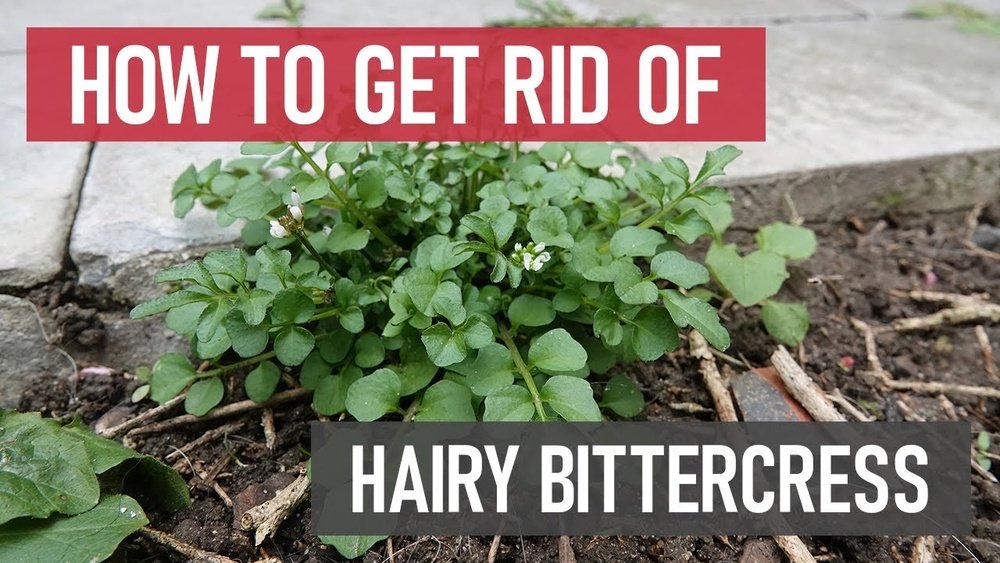
Every lawn owner knows the satisfaction of a healthy, green yard. But sometimes, a small, uninvited guest spoils the scene: hairy bittercress. This weed often appears in early spring, quickly spreading across lawns, flowerbeds, and even cracks in patios. Its tiny white flowers might look harmless, but its explosive seed pods can turn a small patch into a full invasion in just weeks. If you’re struggling with hairy bittercress, you’re not alone—and you’re in the right place.
This article will guide you through everything you need to know to control and remove hairy bittercress from your lawn. You’ll learn why it spreads, how to identify it, effective control methods, and how to keep it from returning. Whether you’re a beginner or have years of gardening experience, you’ll find practical tips and deeper insights that most sources skip.
Let’s help your lawn reclaim its beauty.
What Is Hairy Bittercress?
Hairy bittercress (Cardamine hirsuta) is a cool-season annual weed in the mustard family. It thrives in damp, disturbed soils and can grow almost anywhere—from garden beds to gravel paths. This weed is known for its small, round leaves, white flowers, and unique seed pods that burst open when touched, scattering seeds far and wide.
Hairy bittercress usually germinates in fall or early spring. In mild climates, it can even grow through winter. Its short life cycle, often just 4-8 weeks, means it can complete several generations in one season if not controlled.
How To Identify Hairy Bittercress
Spotting hairy bittercress early is key to controlling it. Look for these signs:
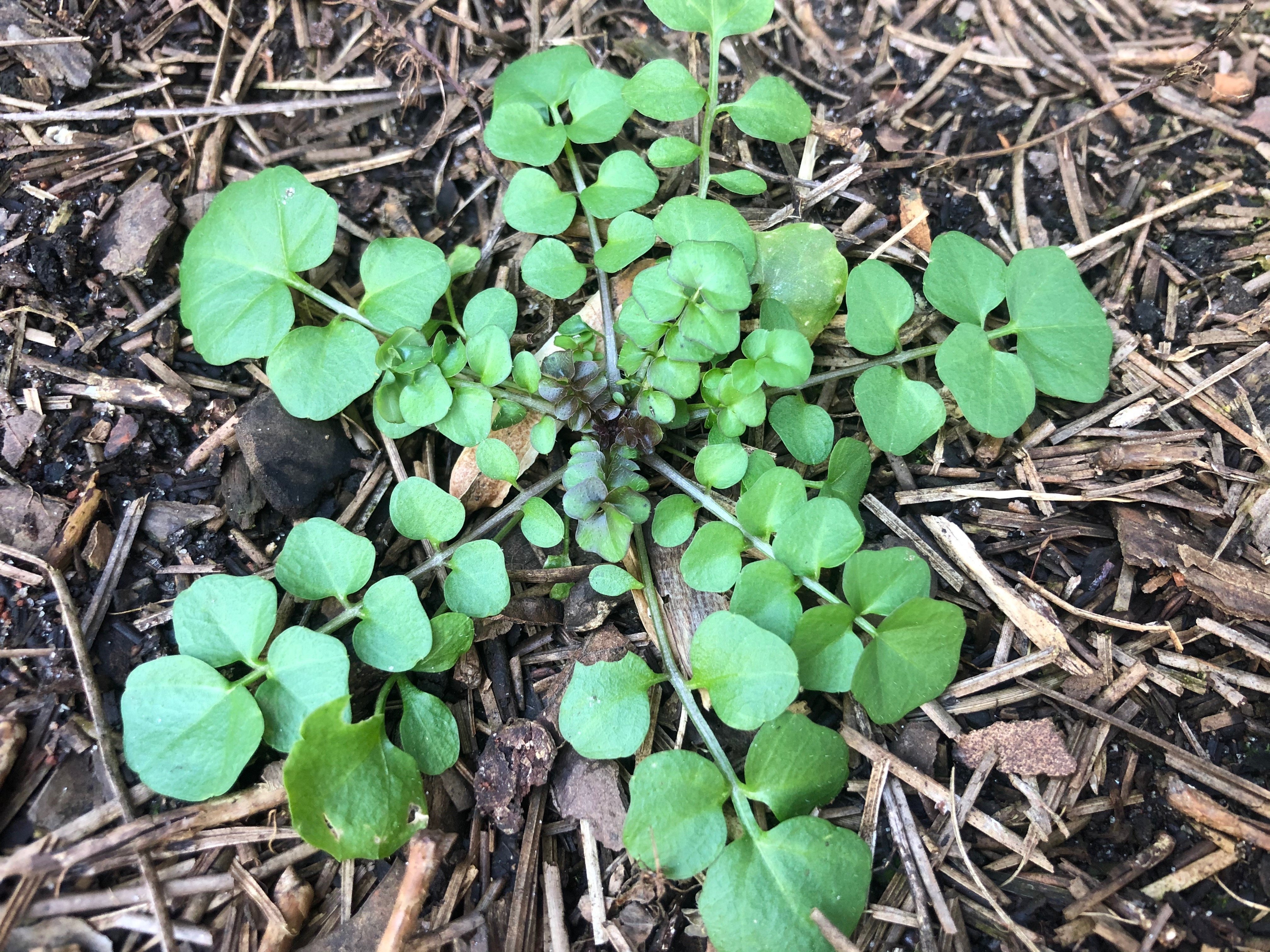
- Leaves: Small, round or kidney-shaped, forming a rosette close to the ground.
- Stems: Thin, branching, and up to 12 inches tall.
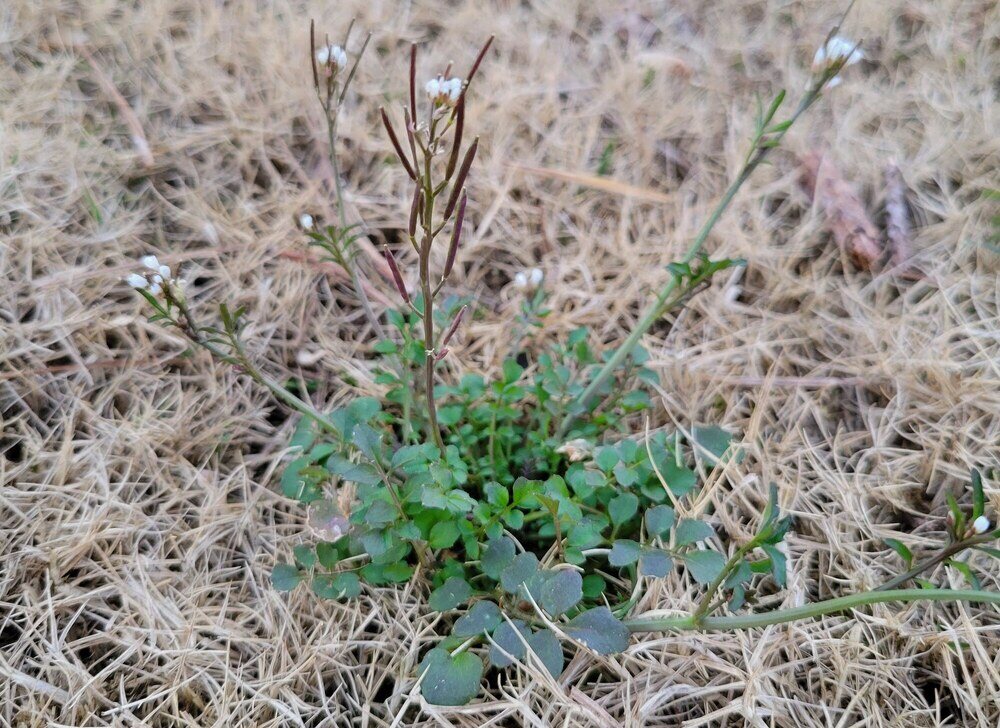
- Flowers: Tiny, white, four-petaled flowers that bloom in clusters.
- Seed Pods: Long, slender pods (called siliques) that stand upright.
- Seed Dispersal: When mature, pods burst open and shoot seeds up to 10 feet.
It’s easy to confuse hairy bittercress with other weeds like chickweed or shepherd’s purse. Here’s a quick comparison:
| Feature | Hairy Bittercress | Chickweed | Shepherd’s Purse |
|---|---|---|---|
| Leaf Shape | Round/kidney, rosette | Oval, pointed | Heart-shaped, basal rosette |
| Flower | White, 4 petals | White, star-like | White, tiny |
| Seed Pod | Long, upright | Small, capsule | Purse-shaped |
| Height | Up to 12″ | Up to 8″ | Up to 16″ |
If you see seed pods standing tall above a small rosette of leaves, you’re likely dealing with hairy bittercress.

Credit: extension.umd.edu
Why Does Hairy Bittercress Invade Lawns?
Understanding why hairy bittercress spreads can help you stop it. This weed loves:
- Moist, disturbed soil: It often appears after heavy rain or when soil is bare from digging or mowing too short.
- Thin turf: Lawns with thin grass or bare patches give bittercress a place to grow.
- Cool weather: Hairy bittercress germinates in cool temperatures, often before grass starts growing in early spring.
A key insight: Many people think only poor lawns get bittercress, but even well-maintained lawns can get invaded if the soil is disturbed or thin. Also, seeds can hitchhike on garden tools, shoes, and pets, spreading the problem.
The Life Cycle: When And How To Act
Timing is everything with hairy bittercress. Here’s a summary of its life cycle:
- Germination: Seeds sprout in fall or early spring.
- Rosette Stage: Small leaves form a flat cluster.
- Flowering: White flowers appear, usually in early spring.
- Seed Pod Formation: Long pods develop quickly.
- Seed Dispersal: Pods burst, spreading seeds widely.
- Death: The parent plant dies, but seeds remain in soil.
To prevent spread, act before seed pods mature. Once seeds are released, you’ll have to fight a new generation.
Credit: info.supersod.com
Manual Removal: The Most Reliable Method
Hand-pulling is often the best way to remove hairy bittercress, especially in small lawns or garden beds. Here’s how to do it effectively:
- Pull when soil is moist. After rain or watering, roots are easier to remove.
- Grip at the base. Hold the plant close to the soil to pull out the full root system.
- Remove before flowering. If you see flowers or seed pods, act fast.
- Bag and dispose. Don’t compost plants with seed pods—they may survive and spread.
A practical tip: Use a weeding tool or small trowel for stubborn roots. If you pull only the leaves, the weed may regrow.
Mowing And Lawn Care Strategies
Mowing can help or hurt your fight against hairy bittercress, depending on how you do it:
- Mow high: Set your mower to 3 inches or higher. Taller grass shades the soil, making it harder for bittercress to grow.
- Mow regularly: Frequent mowing removes flower stems before they set seed. But don’t scalp the lawn—cutting too short creates bare patches where weeds thrive.
- Leave clippings: Grass clippings can help shade soil and add nutrients, but only if you’re not spreading weed seeds.
Combine mowing with overseeding and feeding to thicken your turf. A dense lawn is your best defense.
Cultural Controls: Prevention Is Key
Preventing hairy bittercress is easier than removing it. Focus on these cultural practices:
- Overseed thin areas: In early fall or spring, spread grass seed in bare spots.
- Fertilize correctly: Too much or too little fertilizer weakens grass and helps weeds.
- Water deeply, not often: Deep watering encourages strong roots, but avoid soaking the soil for long periods.
- Aerate compacted soil: Use a lawn aerator to relieve compaction and improve drainage.
- Mulch garden beds: A 2-3 inch layer of mulch blocks light and prevents seeds from sprouting.
One insight many miss: Check potted plants and new soil before adding them to your garden. Hairy bittercress often hides in nursery pots or bagged soil.
Chemical Control: When And How To Use Herbicides
Sometimes, hand-pulling and cultural controls aren’t enough, especially in large lawns. Herbicides can help, but use them wisely.
Pre-emergent Herbicides
These products stop seeds from sprouting. Apply in late summer or early fall, before bittercress germinates.
- Active ingredients: Look for prodiamine, pendimethalin, or dithiopyr.
- Application: Follow label instructions carefully. Water in after application.
- Limitations: Won’t kill existing plants; only prevents new ones.
Post-emergent Herbicides
These kill growing weeds. Use when you see bittercress rosettes, but before they flower.
- Active ingredients: 2,4-D, dicamba, or MCPP.
- Spot treatment: Apply only to weedy areas to protect desirable plants.
- Caution: Avoid spraying on windy days or near flowers and vegetables.
Here’s a quick comparison:
| Herbicide Type | When to Apply | What It Controls | Common Ingredients |
|---|---|---|---|
| Pre-emergent | Fall/Early Spring | Seeds (before sprouting) | Prodiamine, Pendimethalin |
| Post-emergent | Spring (before flowering) | Young plants | 2,4-D, Dicamba |
Always read the label and wear protective gear. Some herbicides can stress your lawn or harm pollinators if misused.
Organic And Natural Methods
If you prefer not to use chemicals, there are natural options. These may need more effort, but they’re safer for pets and wildlife.
Mulching
Apply a thick layer of organic mulch (like bark chips or shredded leaves) to garden beds and around trees. This blocks sunlight, stopping bittercress seeds from sprouting.
Vinegar Spray
Household vinegar (5% acetic acid) can burn leaves, but often doesn’t kill roots. For small infestations, spray directly on leaves on a sunny day. Avoid contact with grass or flowers.
Boiling Water
For weeds in cracks or patios, pour boiling water over the plants. This method kills leaves and roots but may need repeated treatments.
Corn Gluten Meal
Some gardeners use corn gluten meal as a pre-emergent weed suppressant. Apply in early spring. Results can be mixed, but it’s safe for pets and lawns.
A non-obvious tip: Don’t overlook manual methods just because they take time. For small lawns or flower beds, hand-pulling combined with mulch is often more effective than any single spray.
How To Prevent Hairy Bittercress From Returning
Winning the first battle is just the start. To keep your lawn weed-free:
- Keep grass thick and healthy. Fertilize, overseed, and mow high.
- Fix drainage problems. Bittercress loves wet soil. Aerate compacted areas and add organic matter to improve drainage.
- Remove weeds early. Check your lawn in late winter and early spring, pulling any new rosettes before they flower.
- Clean tools and shoes. Seeds stick to surfaces. Wash garden tools and shoes before moving from infested to clean areas.
- Watch new plants and soil. Inspect nursery plants, pots, and bulk soil for weeds before adding them to your garden.
Many beginners miss this: Even one missed flowering plant can reseed your whole yard. Consistency is more important than using strong chemicals.
Dealing With Hairy Bittercress In Garden Beds And Paths
Hairy bittercress doesn’t just invade lawns. It thrives in flower beds, vegetable gardens, and even cracks in driveways. Control methods are similar, but take extra care near desirable plants.
- Hand-pull early: In beds, remove weeds before they grow tall or flower.
- Mulch deeply: Use 2-3 inches of mulch to block sunlight.
- Edge beds: Physical barriers (like edging strips) can stop seeds from blowing in.
- Solarization: For infested soil, cover with clear plastic in summer for 6-8 weeks. Sunlight heats the soil, killing seeds and roots.
One overlooked idea: Use ground covers in problem areas. Plants like creeping thyme or clover compete with weeds and cover bare soil, making it harder for bittercress to take hold.
Mistakes To Avoid When Controlling Hairy Bittercress
Even experienced gardeners make mistakes. Here are the most common errors:
- Waiting too long: Delaying removal lets weeds flower and set seed.
- Ignoring bare spots: Weeds love open soil. Overseed and mulch to cover all bare patches.
- Mowing too short: Scalping the lawn opens space for weeds.
- Using the wrong herbicide: Not all weedkillers work on hairy bittercress. Read labels carefully.
- Composting seedy plants: Seeds can survive most home composting and spread when you use the compost.
- Neglecting garden edges: Bittercress often starts at the edge of lawns or beds and moves inward.
- Skipping tool cleaning: Dirty tools can move seeds around your garden.
A smart tip: Keep a small weeding tool in your pocket when gardening. Pulling a few weeds each time you’re outside keeps the problem small.
Data And Research: How Hairy Bittercress Spreads
Research shows just how efficient hairy bittercress is at spreading. Each plant can produce between 600 and 1,000 seeds. When mature, the seed pods burst with enough force to propel seeds up to 10 feet away.
A 2018 study from the University of California found that lawns with thin turf and poor drainage were three times more likely to have dense bittercress infestations than thick, well-aerated lawns. This shows the importance of good lawn care as a preventive measure.
For more in-depth information on weed biology and control, see this Michigan State University resource.
Lawn Recovery: Repairing Damage After Bittercress Removal
Once you’ve removed bittercress, your lawn may have bare spots or thin areas. Here’s how to help your grass recover:
- Rake out debris. Remove dead weeds and loosen the soil.
- Overseed. Spread grass seed over thin or bare spots. Choose a seed blend that matches your lawn type.
- Water gently. Keep soil moist until seeds sprout, usually 7-21 days.
- Fertilize lightly. A starter fertilizer helps new grass grow.
- Avoid heavy traffic. Stay off newly seeded areas until grass is established.
An advanced tip: Use a mix of quick-germinating (like ryegrass) and durable (like fescue or bluegrass) seeds. This gives fast coverage and long-term strength.
How Long Does It Take To Get Rid Of Hairy Bittercress?
The timeline depends on the size of the infestation and your methods. Small patches can be cleared in a few weeks with manual removal. Large lawns may take a full season or longer, especially if seeds have already spread.
- Manual removal: 2-4 weeks for small areas if you’re thorough.
- Cultural control: Ongoing; often takes a full growing season.
- Herbicide: 2-6 weeks for results, but repeat applications may be needed.
- Prevention: Year-round; a healthy lawn needs regular care to stay weed-free.
Don’t get discouraged. Even top gardeners need to fight weeds every year, but with consistent effort, you’ll see fewer bittercress plants each season.
Hairy Bittercress Vs. Other Common Lawn Weeds
It’s easy to confuse hairy bittercress with other weeds. Here’s a quick reference to help:
| Weed | Main Features | Best Control Method | Season |
|---|---|---|---|
| Hairy Bittercress | Rosette leaves, white flowers, explosive seed pods | Hand-pull, pre-emergent, overseed | Spring, Fall |
| Chickweed | Small, oval leaves; mat-forming | Hand-pull, mulch | Spring |
| Creeping Charlie | Round leaves, purple flowers, creeping stems | Herbicide, hand-pull, improve drainage | Spring, Fall |
| Dandelion | Deep taproot, yellow flowers, puffball seeds | Dig out roots, spot-treat with herbicide | Spring, Summer |
Knowing your weed helps you pick the right strategy.
Credit: info.supersod.com
Real-world Examples: Success Stories
Many gardeners have turned hairy bittercress nightmares into success stories with patience and the right approach. For example, a community garden in Oregon reduced bittercress by 90% in one year using regular hand-pulling, thick mulch, and overseeding. Another homeowner in New Jersey kept their lawn free by focusing on early detection each February and spot-treating with vinegar in garden beds.
One common theme: Success comes from combining methods—never relying on just one. Consistent effort, not “one-time fixes,” gives lasting results.
Frequently Asked Questions
What Causes Hairy Bittercress To Spread So Quickly?
Hairy bittercress spreads fast because of its explosive seed pods. Each plant can shoot hundreds of seeds up to 10 feet away, and those seeds can sprout in fall, winter, or early spring. Disturbed or bare soil gives them the perfect place to grow.
Is Hairy Bittercress Harmful To Pets Or People?
No, hairy bittercress is not toxic to pets or humans. In fact, the leaves are edible and have a peppery taste. However, it’s best to control the weed because it competes with grass and other plants, and its seeds can quickly take over your lawn.
Can I Compost Hairy Bittercress?
You can compost hairy bittercress only if it hasn’t set seed. Once the seed pods develop, it’s safer to dispose of the weed in the trash. Seeds can survive most home composting and re-infest your garden when you spread the compost.
Will Mowing Alone Control Hairy Bittercress?
Mowing helps, but it’s not enough alone. Regular mowing removes flowers and seed pods, but it doesn’t stop new plants from sprouting. Combine mowing with overseeding, proper fertilizing, and manual removal for best results.
What Is The Best Time To Treat Hairy Bittercress?
The best time is early spring or late fall, before the weed flowers and sets seed. Hand-pull or spot-treat young plants, and use pre-emergent herbicides in late summer or early fall to stop seeds from sprouting.
Reclaiming your lawn from hairy bittercress takes patience, but it’s possible with the right approach. Focus on early action, healthy lawn care, and consistent monitoring. Soon, you’ll enjoy a lush, weed-free lawn that makes all your effort worthwhile.