
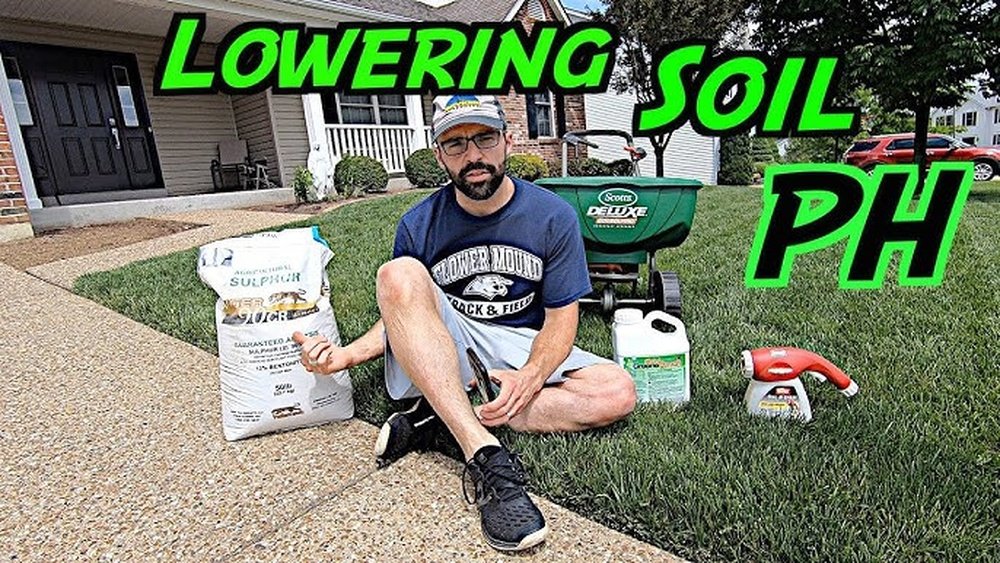
If your lawn looks yellow, patchy, or thin, the cause might be in the soil. Many homeowners do not realize that grass needs slightly acidic soil to grow well. But in many areas, the soil is too alkaline—meaning the pH is too high. This can block nutrients and make grass weak. One of the most effective ways to fix this is using sulfur. If you apply sulfur correctly, it will slowly lower the pH and help your lawn become greener and healthier. But applying sulfur is not as easy as sprinkling powder. There are steps you must follow, and mistakes can cause damage. This guide will help you learn everything you need to know about using sulfur to lower lawn pH, including how to test, apply, and care for your soil—plus real numbers, practical tips, and answers to common questions.
Understanding Lawn Soil Ph
What Is Soil Ph?
Soil pH is a number that shows how acidic or alkaline your soil is. The scale goes from 0 to 14. If the pH is 7, the soil is neutral. If the number is less than 7, the soil is acidic. If it is higher than 7, the soil is alkaline.
Why Does Lawn Ph Matter?
Grass grows best in soil that is a little acidic—usually between 6.0 and 7.0 pH. If the pH is higher, your lawn may:
- Turn yellow or pale
- Grow slowly
- Develop bare patches
- Get more weeds
When pH is too high, plants cannot use some nutrients—even if you fertilize. Iron, manganese, and phosphorus are especially affected.
How Does Sulfur Help?
Sulfur is a mineral that, when added to soil, turns into sulfuric acid with the help of bacteria. This process slowly lowers the pH, making soil more acidic. The effect is not instant—it can take weeks or months, depending on conditions.
Signs You Need To Lower Your Lawn’s Ph
Many people do not realize their soil is too alkaline. Here are some signs to watch for:
- Yellowing grass: Especially if fertilizer does not help.
- Poor growth: The lawn grows slowly, even with water and nutrients.
- Bare spots: Areas of no grass that keep coming back.
- Weed invasion: Weeds like clover and dandelion thrive in alkaline soils.
- Moss growth: Moss can mean acid soil, but sometimes appears when grass is weak.
It is important to confirm with testing—guessing can lead to mistakes.
Credit: www.groworganic.com
How To Test Your Lawn’s Soil Ph
Tools You Need
- Soil pH test kit (available at garden stores)
- Plastic or glass container
- Small shovel or trowel
Step-by-step Testing
- Collect soil samples: Dig small amounts of soil from several spots in your lawn, about 2–4 inches deep.
- Mix samples: Combine them in a clean container.
- Follow test kit instructions: Add soil and test solution (or use test strips).
- Read the pH: Compare color or number with the kit chart.
Digital meters are fast and easy, but can be less accurate. Lab tests are best for precise results.
Interpreting Results
- PH below 6.0: Soil is acidic. Sulfur is not needed.
- PH 6.0–7.0: Ideal for most lawns.
- PH above 7.0: Soil is alkaline. Sulfur can help.
If your pH is above 7. 0, lowering it will help your lawn absorb nutrients.
Choosing The Right Type Of Sulfur For Lawns
There are different kinds of sulfur products. Not all are equal.
Common Types
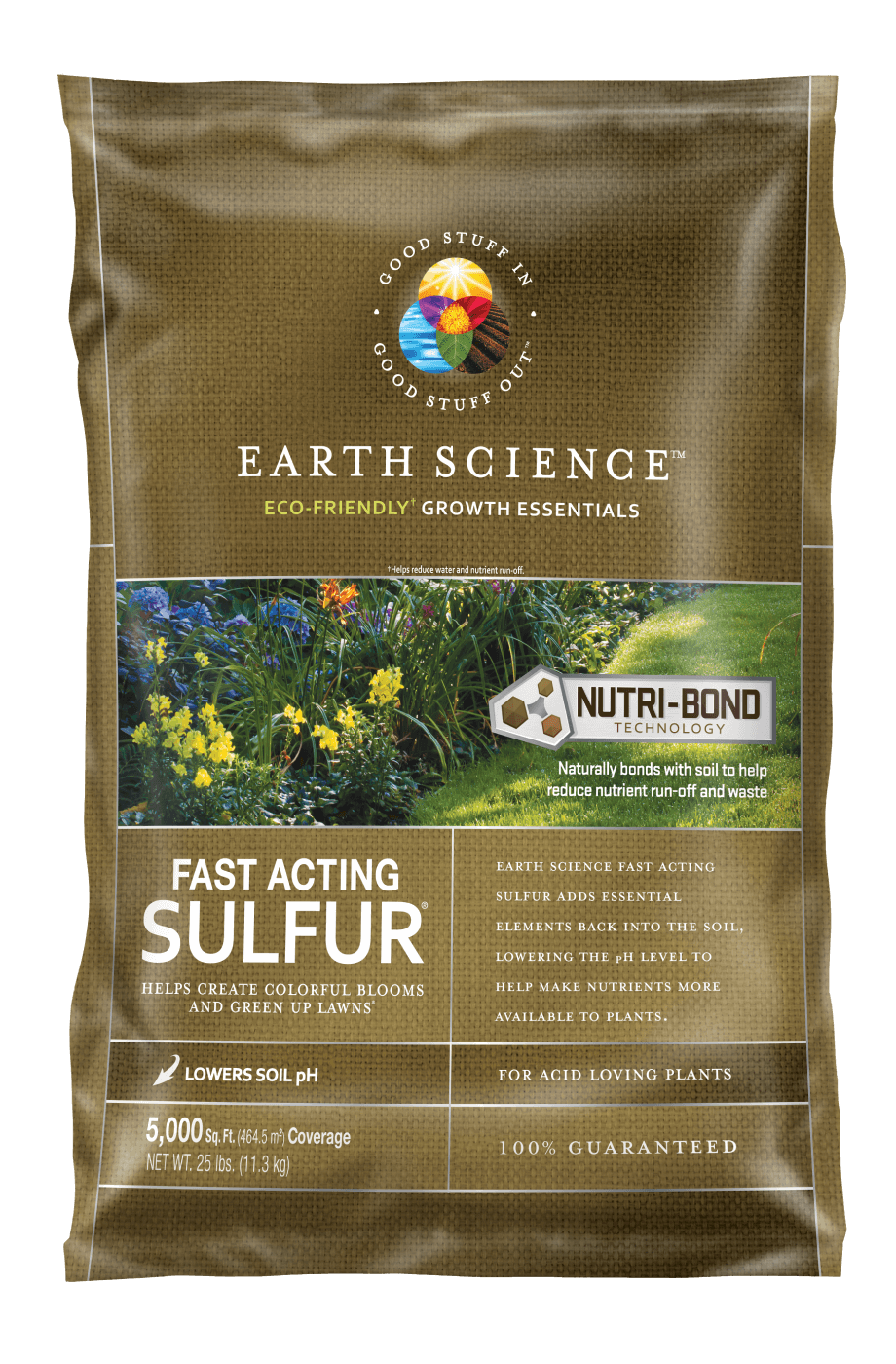
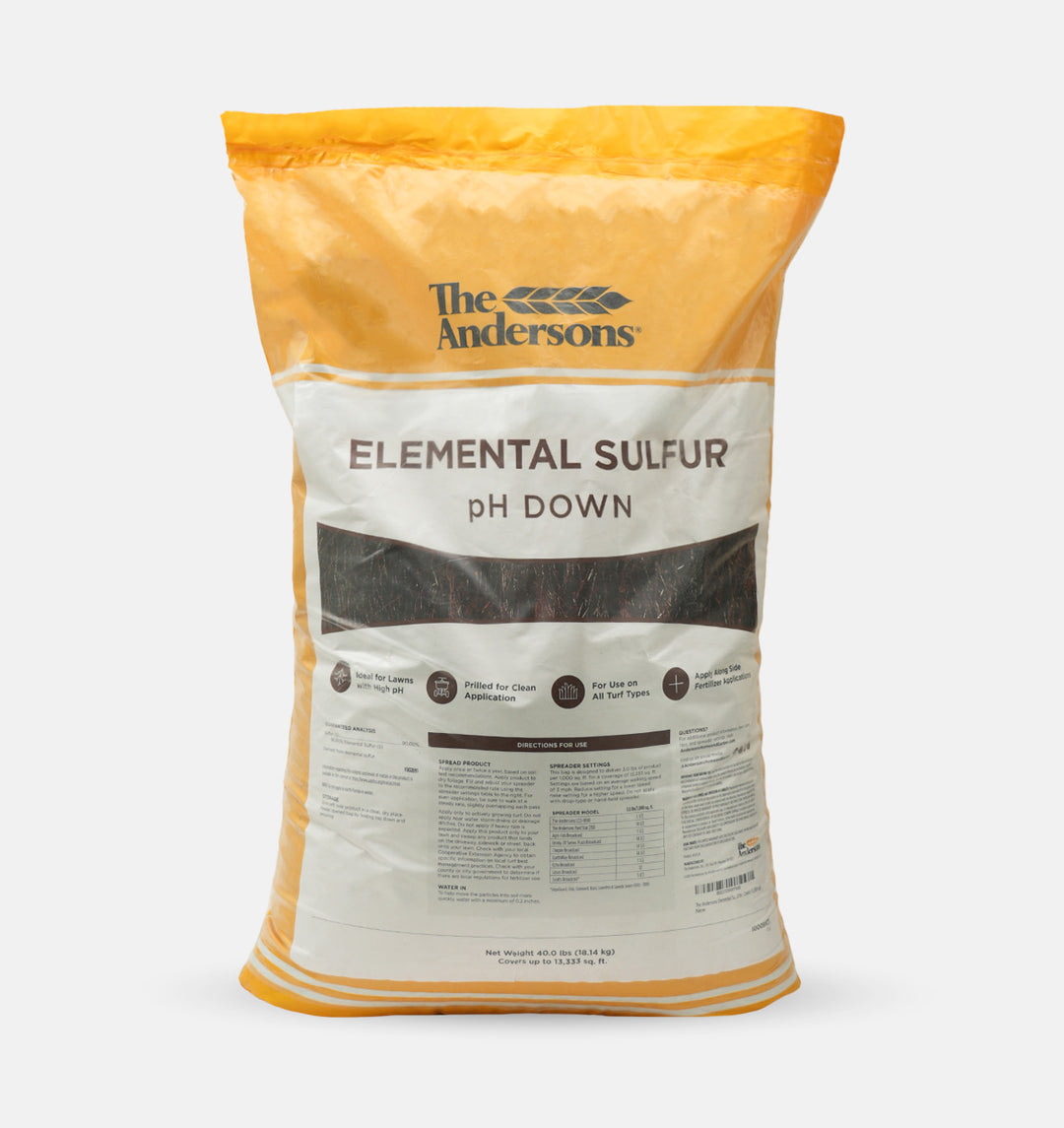
- Elemental sulfur: Pure sulfur powder or granules. Works slowly but is very effective.
- Iron sulfate: Works faster, but you need more product.
- Aluminum sulfate: Acts quickly, but can harm grass if used too much.
Most lawn experts recommend elemental sulfur. It is safe, affordable, and lasts longer.
Comparing Sulfur Products
Here is a quick comparison of common sulfur options:
| Product | Speed | Safety | Cost | Effect Duration |
|---|---|---|---|---|
| Elemental Sulfur | Slow (months) | High | Low | Long (years) |
| Iron Sulfate | Medium (weeks) | Medium | Medium | Short (months) |
| Aluminum Sulfate | Fast (days) | Low | High | Short (months) |
Key Insight
Elemental sulfur is best for most homeowners. It is less likely to burn grass, and you do not need to apply it often. Iron sulfate can also lower pH, but it is mainly used for quick fixes, not long-term solutions.
Credit: www.earthsciencegrowing.com
Calculating How Much Sulfur To Apply
Applying the right amount of sulfur is very important. Too little will not change pH. Too much can damage your lawn.
Factors That Affect Sulfur Needs
- Current soil pH
- Target pH
- Soil texture (sand, loam, clay)
- Lawn area size
Typical Application Rates
The amount of sulfur needed depends on the type of soil. Here is a helpful table to show how much elemental sulfur to apply per 1,000 square feet to lower the pH by 1 point:
| Soil Type | Pounds of Sulfur/1,000 sq ft |
|---|---|
| Sandy | 1.0 |
| Loam | 1.5 |
| Clay | 2.0 |
Example Calculation
Let’s say your lawn is 2,000 sq ft, the soil pH is 8.0, and you want to reach 7.0. If you have clay soil:
- You need 2 lbs sulfur per 1,000 sq ft = 4 lbs total.
Non-obvious Insight
Many beginners forget to adjust for soil type. Clay soils need more sulfur because they resist changes in pH. Sandy soils change pH more easily.
Step-by-step Guide: Applying Sulfur To Your Lawn
Applying sulfur is not difficult, but must be done carefully.
Step 1: Prepare Your Lawn
- Mow the grass short (but not scalped)
- Remove leaves, sticks, or debris
- Water the soil lightly, if dry
Step 2: Measure Sulfur
- Weigh out the right amount for your lawn size and soil type
Step 3: Apply Sulfur Evenly
- Use a broadcast spreader for granules, or sprinkle powder by hand for small areas
- Walk in straight lines to cover the entire area
Step 4: Water In
- Lightly water the lawn after applying sulfur
- Do not flood, just dampen
Step 5: Wait And Monitor
- Do not reapply sulfur until you retest pH (after 4–6 weeks)
- Grass may look unchanged at first—sulfur works slowly
Practical Tips
- Apply sulfur in spring or fall for best results
- Avoid applying when temperatures are very high (over 85°F)
- Keep pets and children off the lawn for 24 hours after application
Common Mistakes To Avoid
- Over-applying sulfur: Can burn grass and kill microbes.
- Applying to wet grass: Can cause clumping and uneven coverage.
- Ignoring soil texture: Leads to wrong application rates.
- Skipping pH retest: May not see results or overcorrect.
Credit: andersonslawn.com
How Sulfur Works To Lower Soil Ph
When you apply sulfur, soil bacteria turn it into sulfuric acid. This process is called oxidation. The acid reacts with minerals, lowering pH.
Key Factors In Sulfur Breakdown
- Temperature: Warm soils speed up bacteria activity
- Moisture: Damp soil helps sulfur change faster
- Aeration: Well-aerated soils are best
Data: How Fast Does Sulfur Work?
Research shows that sulfur can take 2 to 6 months to lower pH, depending on conditions. In cold or dry soil, the process is slower.
Real Example
A homeowner in Texas applied sulfur to a lawn with pH 8. 2. After 3 months, the pH dropped to 7. 4. The grass turned greener, and weeds decreased. He used elemental sulfur at the recommended rate for clay soil.
Caring For Your Lawn After Sulfur Application
Retesting Ph
- Test soil every 6–8 weeks after applying sulfur
- Stop applying when pH reaches 6.5–7.0
Lawn Maintenance
- Water regularly, but avoid overwatering
- Fertilize only if pH is correct
- Watch for signs of stress (yellowing, burning)
Grass Recovery
After lowering pH, grass will slowly recover. You may see:
- More green color
- Faster growth
- Fewer weeds
Non-obvious Insight
Sulfur can make some nutrients more available—but if your soil is low in nutrients, you still need to fertilize. Many people think sulfur is a fertilizer, but it is not. It only changes pH.
Comparing Sulfur With Other Lawn Ph Solutions
Sulfur is not the only way to lower pH. Let’s compare some common options:
| Method | Effectiveness | Speed | Cost | Risk |
|---|---|---|---|---|
| Elemental Sulfur | High | Slow | Low | Low |
| Iron Sulfate | Medium | Medium | Medium | Medium |
| Aluminum Sulfate | High | Fast | High | High |
| Acidic Fertilizer | Low | Fast | Medium | Low |
| Peat Moss | Low | Slow | High | Low |
Key Insight
Sulfur is best for lowering pH long-term. Other methods, like aluminum sulfate, work fast but can damage grass. Acidic fertilizers and peat moss are weak and expensive.
Safety And Environmental Considerations
Is Sulfur Safe?
Sulfur is generally safe for lawns and people if used properly. However, direct contact can irritate skin and eyes. Always wear gloves and avoid breathing dust.
Environmental Impact
Sulfur is a natural mineral. It does not pollute water or harm wildlife if applied at recommended rates. Overuse can harm soil bacteria.
Disposal And Storage
- Store sulfur in a dry, cool place
- Keep away from children and pets
- Dispose of empty bags in regular trash
Non-obvious Insight
Sulfur can help control some lawn diseases, like fungus, because it makes the environment less friendly for disease. But it is not a cure for all problems.
How To Avoid Common Sulfur Application Mistakes
Many beginners make errors that can damage their lawns or waste money. Here are practical ways to avoid them:
Mistake 1: Applying Sulfur Without Testing Soil
Always test your soil first. Guessing can lead to applying sulfur when it is not needed.
Mistake 2: Using The Wrong Sulfur Product
Elemental sulfur is best for lawns. Do not use agricultural sulfur or industrial sulfur, which may have impurities.
Mistake 3: Applying During Extreme Weather
Do not apply sulfur when the ground is frozen or during drought.
Mistake 4: Not Spreading Sulfur Evenly
Uneven application can cause patchy results. Use a spreader for best results.
Mistake 5: Forgetting To Water In
Sulfur needs moisture to begin working. Water lightly after spreading.
Practical Tips For Successful Lawn Ph Adjustment
- Apply in cool weather: Spring or fall is best.
- Retest pH regularly: Do not reapply until you know the results.
- Adjust for soil type: Sandy, loam, and clay need different amounts.
- Use a broadcast spreader: For even coverage.
- Water after application: To help sulfur start working.
- Keep records: Write down how much sulfur you use and when.
- Avoid over-applying: More is not better—follow guidelines.
- Combine with lawn aeration: Aerating helps bacteria break down sulfur faster.
- Check for nutrient shortages: After pH correction, fertilize if needed.
- Patience is key: Sulfur works slowly. Do not expect instant results.
Real Data: How Often To Apply Sulfur
Most lawns only need sulfur once every few years. If you keep your pH in the right range, repeat applications are not needed.
- Typical frequency: Every 2–3 years for alkaline soils
- Retest each year: Apply more only if pH rises again
What To Do If You Over-apply Sulfur
If you accidentally use too much sulfur, your lawn may:
- Turn yellow or brown
- Show stunted growth
- Become patchy
How To Fix
- Water deeply to dilute sulfur
- Avoid fertilizing until grass recovers
- Retest pH after a few weeks
- If pH drops below 6.0, add lime to raise it
Regional Considerations: Where Sulfur Is Most Needed
Sulfur is more common in areas with alkaline soils. Here are some regions in the US where lawns often need sulfur:
- Southwest: Arizona, New Mexico, Texas
- Midwest: Kansas, Nebraska, Oklahoma
- Mountain West: Colorado, Utah, Nevada
- California: Especially in dry, irrigated areas
In these regions, soil pH often rises due to minerals and hard water.
How Sulfur Application Affects Lawn Types
Different grasses respond differently to pH changes. Here are some examples:
- Cool-season grasses (Kentucky bluegrass, fescue): Like pH 6.0–7.0
- Warm-season grasses (Bermuda, zoysia): Can handle pH up to 7.5, but still prefer acid soil
Sulfur works for all types, but warm-season grasses may need less.
The Science Behind Sulfur And Soil Ph
Sulfur lowers pH through a biological process. Soil bacteria (mainly Thiobacillus) convert sulfur to sulfuric acid. The acid reacts with soil minerals, releasing hydrogen ions and lowering pH.
Factors That Influence Sulfur Effect
- Soil temperature: Bacteria are more active in warm soil
- Moisture: Wet soils speed up reactions
- Aeration: Oxygen helps bacteria work
Data On Effectiveness
Research from agricultural universities shows that sulfur can lower pH by 1 point in 2–6 months. It is more effective in sandy soils than clay.
When To Avoid Using Sulfur
Sulfur is not always the answer. Avoid using sulfur if:
- Soil pH is already below 6.0
- Lawn is stressed by drought or disease
- You have just fertilized with ammonium-based fertilizers (they also lower pH)
Applying sulfur under these conditions can make problems worse.
Alternatives For Lawn Ph Adjustment
If sulfur is not right for your lawn, you can try:
- Acidic fertilizers: Ammonium sulfate can lower pH a little
- Peat moss: Adding peat to soil is expensive and slow
- Organic matter: Compost can help, but is not a strong pH adjuster
Sulfur remains the most reliable method for large pH changes.
Real-life Success Stories
Many homeowners have fixed their lawns with sulfur. Here are two examples:
Case 1: Urban Lawn In Colorado
A homeowner tested pH at 7. 8. Applied elemental sulfur at 1. 5 lbs/1,000 sq ft. After 4 months, pH dropped to 6. 9. Lawn became greener, and bare spots filled in.
Case 2: Suburban Lawn In Texas
Clay soil tested at pH 8. 2. Used 2 lbs/1,000 sq ft sulfur. Retested after 3 months—pH was 7. 4. Grass improved, fewer weeds appeared.
Key Insight
Both homeowners found that patience and regular testing were more important than quick fixes.
Frequently Asked Questions
How Long Does Sulfur Take To Lower Lawn Ph?
Sulfur usually takes 2–6 months to lower soil pH, depending on soil temperature, moisture, and bacteria. Cold or dry soil slows the process.
Can Sulfur Burn My Lawn?
If you use too much, sulfur can burn grass and harm soil microbes. Always follow recommended rates and water after applying.
How Often Should I Apply Sulfur To My Lawn?
Most lawns only need sulfur once every 2–3 years. Retest pH each year to see if you need another application.
Is Sulfur Safe For Pets And Children?
Sulfur is safe when used correctly. Keep pets and children off the lawn for 24 hours after applying, and store unused sulfur out of reach.
Where Can I Learn More About Soil Ph And Sulfur?
For deeper information, you can visit the University of California Agriculture & Natural Resources site, which offers research and guides about soil management.
Final Thoughts
Applying sulfur to your lawn is a proven way to lower pH and improve grass health. The process requires careful planning: test your soil, choose the right product, calculate the correct amount, and apply it evenly. Remember that sulfur works slowly, and patience is important. Regular pH testing will help you avoid mistakes and maintain the perfect lawn environment. With the right approach, you can turn an alkaline, weak lawn into a lush, green space that is healthy for years to come. Whether your lawn is sandy or clay, small or large, sulfur can help—but only when used wisely. Your lawn’s health is in your hands. Take action, test, apply, and enjoy the results.