
If you’re thinking about getting a generator, you’ve probably come across the term “dual fuel generator.” But is it really the right choice for your needs? Understanding the pros and cons of dual fuel generators can save you time, money, and frustration.
You want a reliable power source that fits your lifestyle—whether it’s for emergencies, outdoor activities, or work. You’ll discover the key advantages and drawbacks of dual fuel generators, helping you make a smart decision that keeps your power running smoothly when you need it most.
Keep reading to find out if a dual fuel generator is the perfect fit for you.

Credit: americasgenerators.com
What Dual Fuel Generators Are
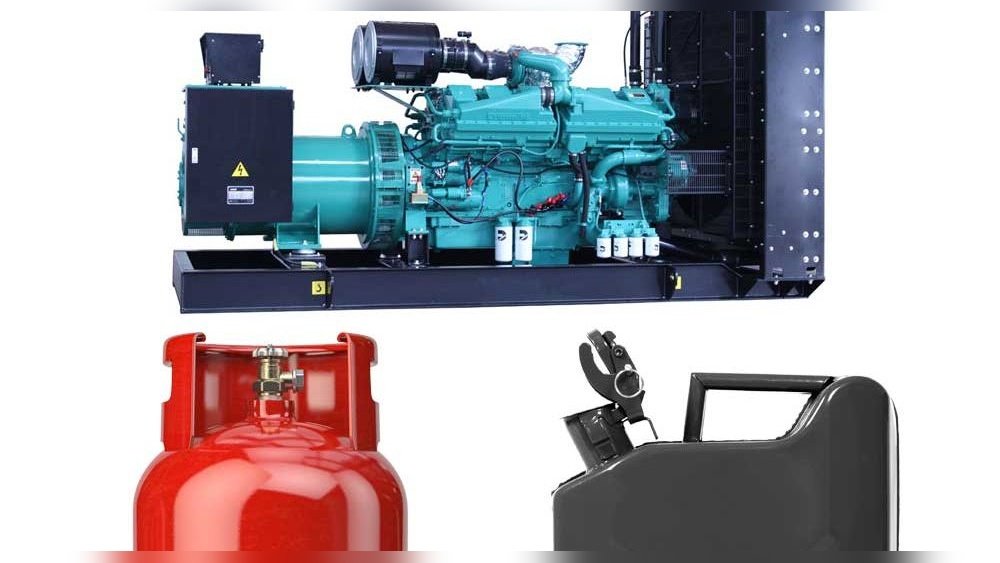
Dual fuel generators run on two types of fuel, usually gasoline and propane. They offer flexibility but may cost more and need extra care. Choosing between fuels affects power output and how you store fuel.
Dual fuel generators are power machines that run on two types of fuel. Typically, they use gasoline and propane. This design offers flexibility in fuel choices.
These generators switch easily between fuels, depending on availability or preference. This can be useful during emergencies or fuel shortages.
How Dual Fuel Generators Work
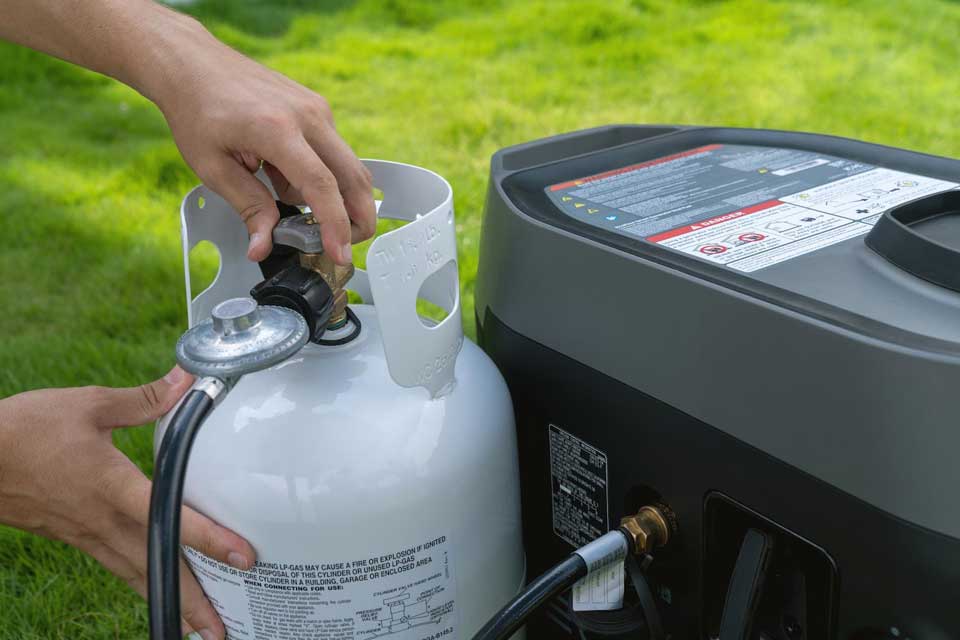
Dual fuel generators have an engine that can burn either gasoline or propane. A simple switch or valve lets you change fuels. The generator adjusts to run smoothly on both types.
This ability makes them versatile for different situations. You can start with gasoline and switch to propane later, or the other way around.
Typical Uses Of Dual Fuel Generators
People use dual fuel generators for home backup power, camping, and outdoor events. They are also popular in work sites where fuel access varies.
The choice of fuel can depend on cost, storage, or environmental concerns. Propane burns cleaner but gasoline is often easier to find.
Fuel Storage And Convenience
Dual fuel generators require space for two types of fuel. Gasoline must be stored safely and used within a few months. Propane tanks last longer and are easier to store.
This setup provides more options but needs careful fuel management. Users must handle both fuels properly to ensure safety and efficiency.
Credit: bnhgenerators.com
Advantages Of Dual Fuel Generators
Dual fuel generators offer several advantages that make them a popular choice for many users. Their ability to run on two different types of fuel provides flexibility and reliability. These generators are especially useful in situations where fuel availability can be uncertain. The benefits extend beyond fuel options, impacting environmental concerns and emergency readiness.
Fuel Flexibility Benefits
Dual fuel generators can run on gasoline or propane. This option allows users to choose the most available or cost-effective fuel. Gasoline is widely accessible but can degrade over time. Propane stores longer and burns cleaner. Users avoid being stuck without power due to fuel shortages. Switching fuels is simple and quick. This flexibility helps during fuel price changes or supply disruptions.
Environmental Impact
Running a generator on propane produces fewer emissions than gasoline. Propane burns cleaner, reducing carbon monoxide and other pollutants. This helps lower the generator’s environmental footprint. Using propane can also reduce the risk of fuel spills. Cleaner burning fuels contribute to better air quality. Dual fuel generators support more eco-friendly power solutions for homes and businesses.
Emergency Preparedness
Dual fuel generators provide a reliable backup power source during emergencies. Having two fuel options means better readiness for any situation. Propane can be stored safely for long periods. Gasoline offers quick refueling when needed. This ensures power is available even if one fuel runs out. Dual fuel generators give peace of mind during storms, outages, and disasters.
Disadvantages To Consider
Dual fuel generators offer flexibility but also come with some downsides. Understanding these drawbacks helps to make the right choice. Here are key disadvantages to consider before investing.
Higher Initial Costs
Dual fuel generators cost more than single fuel models. The added technology for using two fuels raises the price. This can be a barrier for budget buyers.
Lower Power Output On Propane
Generators running on propane usually produce less power than on gasoline. Propane has less energy per unit, which reduces overall output. This can affect performance in high-demand situations.
Operational Complexity
Using two fuels means more steps to operate the generator. Switching fuels can confuse new users. It also takes more time to manage and monitor fuel levels.
Maintenance Challenges
Dual fuel generators need more upkeep than single fuel ones. Fuel lines and carburetors require regular cleaning. Propane and gasoline residues can cause clogs and damage over time.
Fuel Storage Issues
Storing two types of fuel takes more space and care. Gasoline degrades quickly and needs stabilizers. Propane tanks require safe handling and proper ventilation. Managing both fuels can be tricky.
Performance Compared To Single Fuel Models
Comparing the performance of dual fuel generators to single fuel models reveals key differences. Dual fuel generators run on gasoline or propane, offering flexibility. Single fuel generators use only one type of fuel, usually gasoline. Understanding their performance helps decide which suits your needs best.
Energy Density Differences
Gasoline has higher energy density than propane. This means gasoline produces more power per unit volume. Propane contains less energy, so it may deliver lower power output. Dual fuel generators often run slightly less powerful on propane. Single fuel gasoline generators usually provide consistent power. Propane burns cleaner but with less intensity. Energy density affects how long and how strong the generator runs.
Runtime Variations
Runtime depends on fuel type and tank size. Gasoline runs out faster but provides more energy. Propane tanks last longer but offer reduced power. Dual fuel generators let you switch fuels to extend runtime. Single fuel models rely on one fuel source, limiting options. Propane storage is safer and easier for long-term use. Gasoline needs careful storage and stabilizers. Runtime differences impact how long your generator can power devices.
Fuel Storage And Management
Fuel storage and management play a vital role in using a dual fuel generator. This type of generator runs on gasoline and propane, so storing both fuels safely matters. Proper handling ensures the generator works efficiently and lasts longer. Knowing the storage needs for each fuel helps avoid accidents and keeps your space organized.
Gasoline Storage Concerns
Gasoline is highly flammable and needs special storage containers. It can degrade quickly if stored for a long time. Using fuel stabilizers can slow down the degradation process. Store gasoline in a cool, dry place away from direct sunlight. Avoid storing near heat sources or open flames. Keep containers tightly sealed to prevent spills and fumes. Follow local fire codes for maximum storage limits.
Propane Tank Handling
Propane tanks require careful handling and regular inspection. Store tanks upright in a well-ventilated area. Do not store propane tanks indoors or near ignition sources. Make sure valves are closed tightly when not in use. Check tanks for rust or damage before refilling. Proper handling reduces the risk of leaks and fire hazards. Transport tanks securely to prevent tipping or damage.
Space Requirements
Dual fuel generators need space for both gasoline cans and propane tanks. Gasoline containers are smaller but need to be stored safely. Propane tanks are bulkier and require more open space. Plan your storage area to keep fuels separated and easily accessible. Adequate space helps prevent accidents and simplifies fuel switching. Organizing fuel storage also extends the life of your generator.
Cost And Maintenance Insights
Understanding the cost and maintenance of dual fuel generators helps in making smart buying choices. These generators use both gasoline and propane, offering fuel flexibility. This feature affects their price and upkeep differently than single-fuel models. Knowing what to expect can save time and money.
Upfront Investment
Dual fuel generators cost more at purchase than regular gasoline units. The added technology for handling two fuel types raises the price. Buyers pay extra for the fuel selector valve and more complex engine parts. This initial cost can be a barrier for some users. Yet, the ability to switch fuels may justify the investment over time. The price varies by brand, power output, and features.
Ongoing Maintenance Needs
Maintenance for dual fuel generators is more detailed than for single fuel models. Regular checks of fuel lines and carburetors are necessary to avoid clogs. Gasoline can leave residues that propane does not. Using propane reduces some cleaning but requires monitoring for leaks. Fuel filters might need more frequent changes. Proper storage of both fuels is important to keep the generator in good shape. Routine oil changes and spark plug inspections remain essential for all generators.
Operational Tips For Users
Dual fuel generators offer flexibility by running on both gasoline and propane. Proper operation helps users avoid damage and improve performance. Following key tips ensures safe switching and better fuel use.
Switching Fuels Safely
Turn off the generator before changing fuel types. Let the engine cool down to avoid fire risks. Disconnect the current fuel source carefully. Attach the new fuel source securely to prevent leaks. Check all connections for tightness. Start the generator slowly and monitor for unusual sounds or smells. Keep a fire extinguisher nearby during switching. Follow the manufacturer’s instructions strictly for each step. Safe switching protects the generator and everyone around.
Maximizing Efficiency
Run the generator at a steady load for best fuel use. Avoid overloading, which wastes fuel and harms the engine. Use high-quality gasoline and propane for cleaner burning. Store gasoline in a cool, dry place to keep it fresh. Regularly check and clean air filters to improve airflow. Perform routine maintenance as recommended by the maker. Use propane for longer storage without fuel degradation. Efficient operation saves money and extends generator life.
Credit: www.ecoflow.com
Safety Guidelines
Safety is a top priority when using a dual fuel generator. Following basic safety guidelines reduces risks and protects your home and family. Proper setup and handling keep the generator running smoothly and safely.
Placement And Ventilation
Always place the generator outdoors on a flat surface. Keep it far from doors, windows, and vents. This prevents harmful carbon monoxide from entering your home. Ensure the area has good airflow. Never run the generator inside a garage or enclosed space.
Moisture Protection
Protect the generator from rain and snow. Use a canopy or cover designed for generators. Avoid covering the exhaust or air intake areas. Moisture can cause electrical shorts and damage parts. Keep the generator dry to ensure safe operation.
Proper Cord Usage
Use heavy-duty, outdoor-rated extension cords. Check cords for damage before use. Avoid overloading cords or plugs. Connect appliances directly to the generator or use a transfer switch. Proper cords reduce fire hazards and electrical shocks.
Calculating Runtime And Load
Calculating runtime and load is crucial for using a dual fuel generator effectively. Understanding how long your generator will run and how much load it can handle helps in planning power needs. This knowledge prevents overloading and ensures efficient fuel use. Both gasoline and propane affect runtime differently, so it’s important to estimate carefully.
Estimating Run Times
Run time depends on the fuel type and tank size. Gasoline usually offers shorter run times due to its higher consumption rate. Propane tanks last longer but contain less energy per unit. Check your generator’s fuel consumption rates to estimate hours of operation. For example, if your generator uses 0.5 gallons of gasoline per hour and your tank holds 5 gallons, expect about 10 hours of run time. Propane run time is calculated by tank size and generator fuel efficiency. Always keep extra fuel on hand for longer outages.
Load Calculation Tips
Calculate the total wattage of devices you plan to run simultaneously. Add the starting watts and running watts of all appliances. Ensure the total load does not exceed the generator’s rated capacity. Running a generator above its limit can cause damage or shutdown. Use a watt meter or check appliance labels for power ratings. Consider starting watts, which are higher than running watts for motors and compressors. Leave a safety margin of 10-20% to avoid overloading. Proper load calculation maximizes generator performance and fuel efficiency.
Choosing Between Dual Fuel And Single Fuel
Choosing between a dual fuel and a single fuel generator depends on your specific needs. Both types have unique benefits and drawbacks. Understanding these can help you pick the right generator for your situation. This section breaks down key factors to consider.
Use Case Scenarios
Dual fuel generators work well in emergencies. They allow you to switch fuels if one runs out. This adds flexibility during long outages or outdoor activities.
Single fuel generators are simpler. They often provide more power from one fuel type. This suits people who want easy operation and high performance.
Think about where and how often you will use the generator. If fuel availability varies, dual fuel offers a safety net. For regular, predictable use, a single fuel generator might be enough.
Cost Vs. Convenience
Dual fuel generators usually cost more upfront. The extra technology to handle two fuels adds to the price. Maintenance can also be more involved, needing care for both fuel systems.
Single fuel generators cost less and are easier to maintain. They have fewer parts and simpler fuel lines. This can save time and money in the long run.
Convenience matters. Dual fuel units give you fuel options but require more effort. Single fuel models focus on straightforward use and reliability. Choose based on your budget and how much work you want to do.
Frequently Asked Questions
What Are The Disadvantages Of A Dual Fuel Generator?
Dual fuel generators cost more upfront and deliver less power on propane. They require complex maintenance and dual fuel storage management. Gasoline storage poses fire risks and degrades quickly, increasing upkeep. Operating and switching fuels adds complexity compared to single-fuel generators.
What Is The 80% Rule For Generators?
The 80% rule for generators means running them at no more than 80% of their rated capacity. This prevents overheating and extends generator life. It ensures reliable performance and avoids damage from continuous full-load operation. Always size your load accordingly to follow this rule.
What Is The 20/20/20 Rule For Generators?
The 20/20/20 rule for generators means running the generator at 20% load for 20 minutes every 20 days. This prevents fuel system clogging and maintains engine health.
How Long Will A 250 Gallon Propane Tank Run A Generac?
A 250-gallon propane tank can power a Generac generator for about 40 to 50 hours at half load. Runtime varies by load size.
Conclusion
Dual fuel generators offer flexibility by using gasoline or propane. They cost more upfront and need careful fuel storage. Propane runs cleaner but gives less power than gasoline. Operating and maintaining them is a bit more complex. Choose based on your power needs and fuel availability.
Understanding these pros and cons helps you decide wisely.