
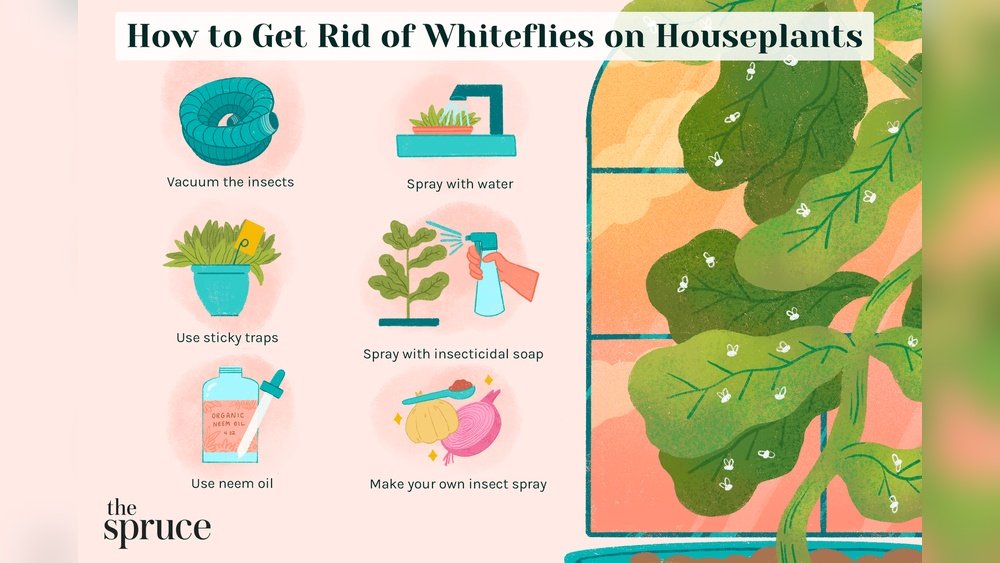
Whiteflies may look harmless at first glance, but if you’re a gardener or plant lover, you know how much trouble these tiny insects can cause. They can quickly take over your favorite plants, causing leaves to yellow, growth to slow, and sometimes even killing your prized flowers or vegetables.
Whether you are growing plants indoors or outside, whiteflies can be a stubborn enemy. The good news is, you don’t have to live with them. With the right approach, you can protect your plants and even prevent whiteflies from coming back.
Let’s break down exactly how to get rid of whiteflies on plants, using clear, simple steps. We’ll also look at why whiteflies are such a problem, how to recognize their presence early, and which methods work best for different situations.
By the end, you’ll have practical tools and knowledge to keep your plants healthy and whitefly-free.
Understanding Whiteflies: The Basics
To fight whiteflies, it helps to know what you’re up against. Whiteflies are small, flying insects related to aphids and mealybugs. There are more than 1,500 species, but the most common ones attacking garden and houseplants are the greenhouse whitefly (Trialeurodes vaporariorum) and the silverleaf whitefly (Bemisia tabaci).
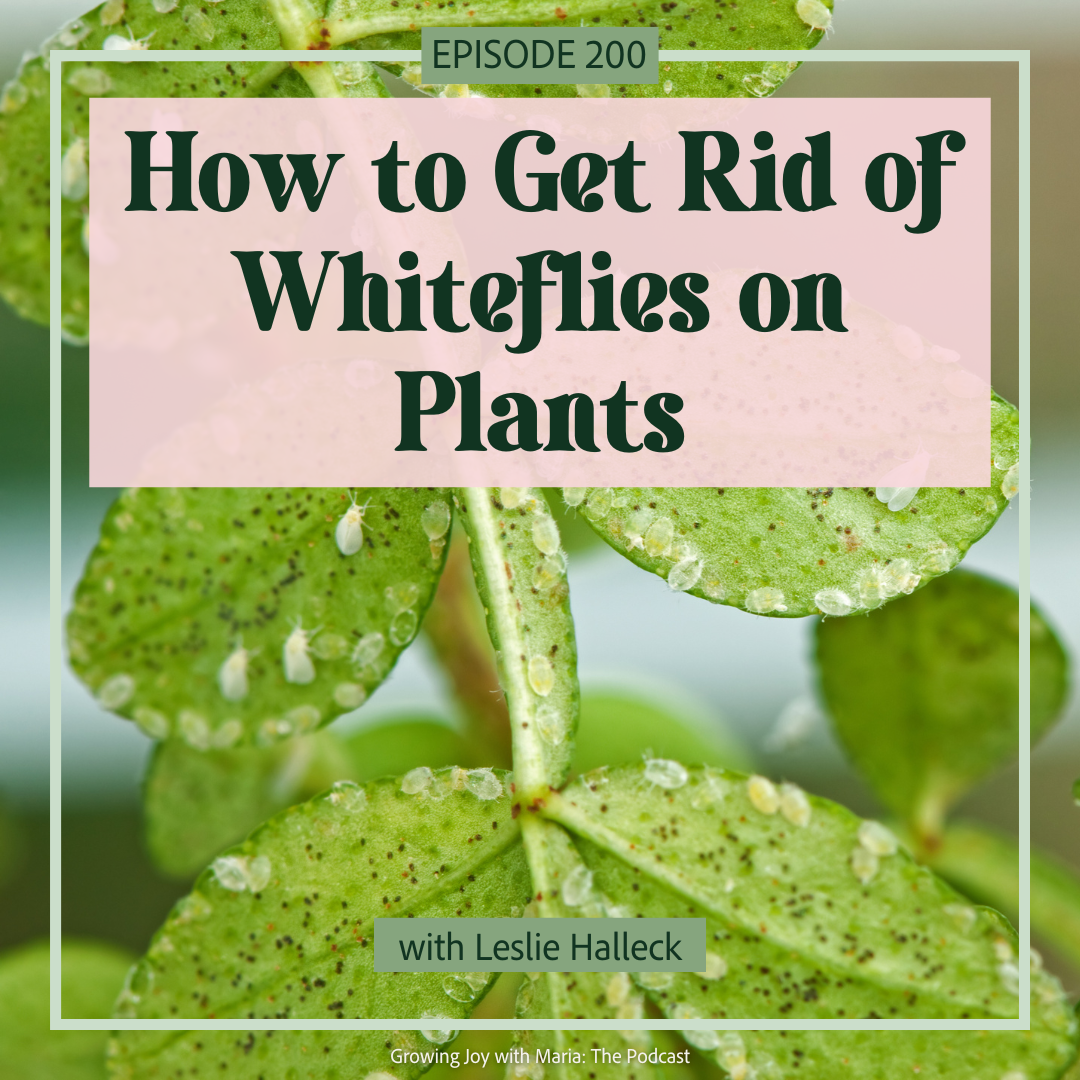
Adults are about 1/16 inch long, with powdery white wings and yellowish bodies. They hide on the undersides of leaves and, when disturbed, flutter up in a small cloud. Whiteflies lay their eggs on the leaf undersides, and their young (called nymphs) feed by sucking sap from the plant.
This feeding damages the plant, causing leaves to yellow, curl, or drop off.
Worse, whiteflies excrete a sticky liquid called honeydew. Honeydew attracts ants and encourages sooty mold, a black fungus that covers leaves and blocks sunlight. Over time, a heavy whitefly infestation can weaken or kill plants.
Signs You Have A Whitefly Problem
Catching whiteflies early makes control much easier. Here are the most reliable signs:
- White clouds: When you touch or shake a plant, tiny white insects fly up.
- Sticky leaves: Leaves feel tacky from honeydew. You may also see ants attracted to it.
- Sooty mold: Black, powdery mold growing on leaves or stems.
- Yellowing leaves: Especially on the lower or older leaves.
- Stunted growth: Plants look sickly, grow slowly, or drop leaves.
- Eggs and nymphs: Tiny, oval eggs (pale yellow) and scale-like nymphs on the underside of leaves.
If you spot two or more of these signs, it’s time to act quickly.

Credit: dianfarmer.com
Why Whiteflies Are So Hard To Control
Whiteflies multiply fast. A single female can lay up to 400 eggs in her short lifetime. Eggs hatch in about a week, and within 25-30 days, new adults are ready to lay more eggs. In warm climates or greenhouses, whiteflies can breed all year long.
They also hide well, especially on the undersides of leaves. Many pesticides miss their eggs and nymphs, so adults may die but the next generation soon appears.
Some whiteflies have even developed resistance to common chemical sprays. This makes a combined approach—using several methods at once—the most reliable way to get rid of them.
How To Get Rid Of Whiteflies: Step-by-step Methods
Let’s look at the best ways to remove whiteflies from your plants, from natural options to chemical controls. Start with the safest methods first. Often, you’ll need to use several together for best results.
1. Manual Removal
This is your first line of defense, especially for small infestations or houseplants.
- Blast with water: Use a strong jet of water from a spray bottle or hose to knock adults, eggs, and nymphs off leaves. Do this early in the day so leaves dry quickly.
- Wipe leaves: Gently wipe the undersides of leaves with a damp cloth or sponge. For tough cases, a soft brush can help remove nymphs.
- Prune infested leaves: If some leaves are heavily infested, cut them off and dispose of them in the trash (not compost).
Manual removal is not a complete solution but it can reduce numbers quickly and make other methods more effective.
2. Yellow Sticky Traps
Whiteflies are attracted to the color yellow. You can use yellow sticky traps to catch flying adults.
- Hang traps near affected plants, about leaf height.
- Replace traps when they are covered with insects or dust.
- These traps won’t catch nymphs or eggs but will help monitor and reduce adult numbers.
Homemade sticky traps are easy: smear petroleum jelly or cooking oil on yellow cardboard or plastic.
3. Natural Predators (biological Control)
Bringing in beneficial insects can provide long-term control, especially for outdoor gardens or greenhouses.
Some of the best natural enemies of whiteflies include:
- Ladybugs: Eat eggs and nymphs.
- Green lacewings: Larvae feed on whitefly nymphs.
- Encarsia formosa: A tiny parasitic wasp that lays eggs inside whitefly nymphs, killing them.
- Delphastus catalinae: A small black beetle that eats whitefly eggs and nymphs.
You can buy these insects online or at garden centers. Release them in the early morning or late afternoon when it’s cooler. Avoid spraying broad-spectrum insecticides, as they kill both pests and beneficials.
A key insight: Biological control is most successful when started early, before whiteflies get out of control. It works best as part of a combined approach.
4. Neem Oil And Insecticidal Soaps
Neem oil and insecticidal soaps are two of the safest ways to kill whiteflies without harming people, pets, or most beneficial insects.
- Neem oil: Comes from the neem tree. Disrupts whitefly hormones, stopping growth and reproduction.
- Insecticidal soap: Breaks down the waxy coating on soft-bodied insects like whiteflies, causing dehydration.
How to use:
- Mix according to label instructions.
- Spray thoroughly, especially the undersides of leaves.
- Repeat every 5-7 days until whiteflies are gone.
Both options are safe for vegetables, herbs, and flowers if used as directed.
5. Horticultural Oils
Horticultural oils (such as mineral oil or canola oil-based products) suffocate whiteflies by coating their bodies and eggs.
- Apply during cooler times of day to avoid damaging leaves.
- Cover all leaf surfaces well.
- Don’t use on drought-stressed plants or in temperatures above 85°F (29°C).
These oils are especially useful in winter on dormant trees and shrubs.
6. Chemical Controls
If whiteflies are still a problem after trying safer methods, you may need to use chemical pesticides. However, use them carefully and as a last resort.
- Look for products labeled for whiteflies, such as pyrethroids, acetamiprid, or imidacloprid.
- Always follow label instructions exactly.
- Avoid spraying when plants are flowering to protect bees and pollinators.
- Rotate chemicals to prevent resistance.
Chemical sprays may kill adults but often miss eggs and nymphs. That’s why repeat applications are usually needed.
7. Homemade Sprays
Some gardeners use homemade sprays to control whiteflies. These include:
- Garlic spray: Blend 2 cloves of garlic with 1 liter of water, strain, and spray on leaves.
- Soap spray: Mix 1 teaspoon mild dish soap in 1 liter of water. Test on a small area first to avoid leaf burn.
- Pepper spray: Blend 1 tablespoon hot pepper flakes with 1 liter of water, strain, and spray.
Homemade sprays can reduce whiteflies but may also harm sensitive plants. Always test first and avoid spraying during hot or sunny weather.
Comparing Whitefly Control Methods
Choosing the right method depends on your plant type, infestation level, and whether your plants are indoors or outside. Here’s a quick comparison to help you decide:
| Method | Best For | Pros | Cons |
|---|---|---|---|
| Manual Removal | Houseplants, small infestations | Immediate, safe, no chemicals | Labor-intensive, not enough for large infestations |
| Yellow Sticky Traps | Monitoring, reducing adults | Easy, non-toxic | Doesn’t affect eggs/nymphs |
| Natural Predators | Greenhouses, outdoor gardens | Long-term, eco-friendly | Needs correct conditions, slow results |
| Neem Oil/Soap | Most plants, ongoing control | Safe, widely available | Must cover all leaves, repeat needed |
| Horticultural Oils | Dormant trees, shrubs | Effective on eggs/nymphs | Can damage stressed plants |
| Chemical Pesticides | Severe infestations | Fast knockdown | Resistance risk, harms beneficials |
| Homemade Sprays | Organic gardens, mild infestations | Cheap, easy to make | Variable results, possible plant damage |
Key insight: For most people, starting with manual removal, sticky traps, and neem oil or soap gives the best balance of safety and effectiveness. Save chemical options for severe infestations or as a backup.
Step-by-step Whitefly Treatment Plan
Here’s a practical guide to getting rid of whiteflies, especially if you want to use the least chemicals possible:
- Isolate and inspect: Move infested houseplants away from healthy ones. Inspect all leaves, especially underneath.
- Remove by hand: Spray or wipe off as many whiteflies as you can.
- Set up yellow sticky traps: Place traps near affected plants to catch adults.
- Spray with neem oil or insecticidal soap: Cover all surfaces, repeat every 5-7 days.
- Release beneficial insects (if outdoors): Order ladybugs or Encarsia wasps for ongoing control.
- Prune and dispose: Remove heavily infested leaves and throw them in the trash.
- Monitor every 2-3 days: Check sticky traps, look for returning whiteflies, and repeat sprays as needed.
If after 2-3 weeks the problem is not improving, consider a targeted chemical spray as a last resort.
Preventing Whiteflies In The Future
Stopping whiteflies before they start is easier than getting rid of a big infestation. Here’s how to make your plants less attractive to whiteflies:
Keep Plants Healthy
Strong, healthy plants can resist pests better than stressed ones. Water regularly, fertilize as needed, and avoid overcrowding.
Inspect New Plants
Always check new plants (especially the undersides of leaves) for whiteflies before bringing them home or adding them to your garden. Quarantine new arrivals for a week if possible.
Clean Up Debris
Remove fallen leaves, weeds, and plant debris around your garden. Whiteflies like to hide in messy areas.
Use Reflective Mulch
Silver or aluminum mulch reflects light and confuses whiteflies, making it harder for them to find your plants. This is especially effective in vegetable gardens.
Avoid Overusing Nitrogen Fertilizer
Too much nitrogen encourages soft, lush growth that whiteflies love. Follow label instructions and use slow-release fertilizers if possible.
Encourage Beneficial Insects
Plant flowers like marigolds, alyssum, or dill to attract ladybugs and lacewings. Avoid broad-spectrum insecticides that kill helpful insects.
Regular Monitoring
Check your plants every week, especially during warm weather. Early action can stop a small problem from becoming a big one.
Data: How Effective Are Different Whitefly Controls?
Scientific research and gardeners’ experiences show some methods work better than others, depending on the situation. Here’s a summary of effectiveness based on various studies:
| Control Method | Effectiveness (%) | Time to See Results | Best Use Case |
|---|---|---|---|
| Neem Oil | 60-80 | 3-7 days | Houseplants, vegetables |
| Insecticidal Soap | 50-75 | 2-5 days | Most plants |
| Yellow Sticky Traps | 30-50 | Immediate for adults | Monitoring, reducing adults |
| Natural Predators | 65-90 | 2-4 weeks | Outdoor, greenhouse |
| Chemical Pesticides | 80-95 | 1-3 days | Severe infestations |
Another insight: Combining two or more methods (for example, neem oil plus sticky traps) gives better results than any one method alone.
Credit: growingjoywithmaria.com
Common Mistakes To Avoid
Sometimes, gardeners make whitefly problems worse by accident. Here are some mistakes to watch for:
- Ignoring the undersides of leaves: That’s where most eggs and nymphs hide.
- Spraying only once: Whiteflies have several life stages; repeated sprays are needed to catch them all.
- Using the wrong pesticide: Not all sprays work on whiteflies. Some can even encourage resistance.
- Overusing fertilizer: Especially nitrogen, which makes plants more appealing to pests.
- Failing to quarantine new plants: Bringing in just one infested plant can start an outbreak.
Learning from these mistakes can save you a lot of trouble and protect your plants in the long run.
Whiteflies On Different Types Of Plants
While whiteflies attack many kinds of plants, some are more at risk than others. Here’s how whitefly problems differ by plant type:
Vegetables
Tomatoes, peppers, eggplants, and cucumbers are favorites for whiteflies. In vegetable gardens, whiteflies can spread plant viruses, such as tomato yellow leaf curl virus. Early detection and regular monitoring are vital. Reflective mulch is especially helpful.
Houseplants
Indoor plants like fuchsias, hibiscus, and poinsettias often fall victim. Because indoor air is stable and there are fewer natural predators, infestations can get severe quickly. Manually cleaning leaves and using neem oil are usually best indoors.
Ornamentals And Flowers
Roses, geraniums, and gardenias can host whiteflies. For flowers, avoid harsh chemicals that may damage blooms or harm pollinators.
Trees And Shrubs
Citrus trees, hibiscus, and gardenias are especially at risk in warm climates. Horticultural oils work well for large, dormant plants.
Here’s a quick comparison of whitefly risk for common plant groups:
| Plant Type | Whitefly Risk | Best Control Method |
|---|---|---|
| Vegetables | High | Neem oil, reflective mulch, predators |
| Houseplants | Medium-High | Manual removal, neem oil, sticky traps |
| Flowers | Medium | Soap spray, manual removal |
| Trees/Shrubs | Medium | Horticultural oil, pruning |
Practical tip: If you grow several plant types, monitor the most vulnerable first—vegetables and houseplants—especially in spring and summer.
When To Call A Professional
In rare cases, whiteflies become so severe that home methods aren’t enough. This is especially true in greenhouses or large gardens. Signs you may need professional help:
- Whiteflies persist after several weeks of treatment.
- You see widespread plant damage or plant death.
- You manage a commercial greenhouse or large garden where crop loss is costly.
Professionals can use stronger insecticides, fumigation, or advanced biological controls. However, this should be your last option.
Additional Resources
For more detailed scientific information, visit the Wikipedia Whitefly page. It provides in-depth biology, species identification, and references to research studies.
:strip_icc()/BHG-how-to-get-rid-of-whiteflies-1365607382-b930ea015cbb4e1188ce203dda3d3900.jpg)
Credit: www.bhg.com
Frequently Asked Questions
How Do I Know If I Have Whiteflies Or Another Pest?
Whiteflies are easy to spot because they fly up in a white cloud when disturbed. Aphids and mealybugs don’t fly in the same way. Also, whiteflies leave sticky honeydew and sooty mold, especially on the underside of leaves.
Can Whiteflies Harm Humans Or Pets?
Whiteflies do not bite, sting, or directly harm humans or pets. Their main damage is to plants. However, heavy honeydew can make leaves sticky and messy.
Are Whiteflies More Common Indoors Or Outdoors?
Whiteflies can be a problem both indoors and outdoors. Indoors, they often spread on houseplants without natural enemies. Outdoors, they attack vegetables and flowers, especially in warm weather.
How Long Does It Take To Get Rid Of Whiteflies?
With prompt action, light infestations can be controlled in 2-3 weeks. Severe infestations may take a month or more, especially if eggs keep hatching. Consistent monitoring and repeated treatment are key.
What’s The Best Way To Prevent Whiteflies?
Inspect new plants before bringing them home, keep plants healthy, use sticky traps for monitoring, and encourage beneficial insects. Early action is always easier than cure.
Getting rid of whiteflies takes patience, attention, and sometimes a mix of strategies. By learning their habits and using the right methods, you can keep your plants thriving and free from these persistent pests. Remember, prevention and early action are your best tools.
With a little regular care, your garden and houseplants can be healthy, vibrant, and whitefly-free year round.