
Many homeowners want a lush, green lawn without weeds. One product often suggested for organic weed control is corn gluten meal. But does corn gluten actually kill weeds in your lawn? This question is important for anyone looking for safer, chemical-free ways to manage their yard. The answer is not as simple as “yes” or “no.” Let’s explore what corn gluten is, how it works, what scientific studies say, and whether it’s the right solution for your lawn.
What Is Corn Gluten Meal?
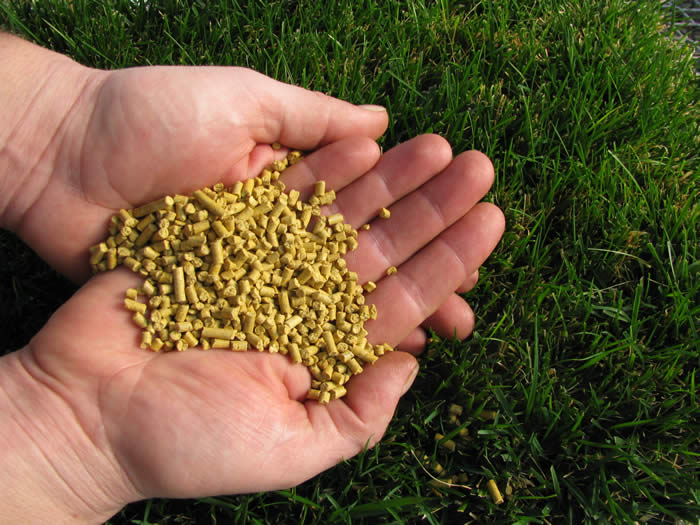
Corn gluten meal is a yellow powder made from the corn milling process. It is not the gluten found in wheat; instead, it is a by-product created when corn is processed to make syrup and other products. People often use corn gluten meal as animal feed, but it has become popular as a natural weed control method.
Corn gluten meal contains about 60% protein. Because of this, it can also act as a fertilizer for grass. Many products sold for lawns are labeled as “corn gluten weed preventer” or “organic weed killer,” but the main ingredient is always corn gluten meal.
How Corn Gluten Meal Is Supposed To Work
Corn gluten meal does not kill existing weeds. Instead, it is said to prevent weed seeds from sprouting. This is important to understand. If you already have weeds growing in your lawn, corn gluten meal will not remove them.
When applied to soil, corn gluten meal forms a layer on top. This layer is thought to block seeds from absorbing water. Without water, seeds cannot sprout roots. The theory is that this prevents weeds like crabgrass and dandelions from growing.
However, the process is very specific. Corn gluten meal works only if:
- Weed seeds are just about to sprout.
- The corn gluten meal is applied at the right time.
- The soil is kept dry for a short period after application.
If these steps are missed, the product does not work as intended.

Credit: www.youtube.com
Scientific Research On Corn Gluten Meal
Many claims about corn gluten meal come from marketing or word-of-mouth. But what does science say? Let’s look at some important studies and findings.
Iowa State University Study
In the 1990s, Dr. Nick Christians at Iowa State University studied corn gluten meal. He found that it stopped crabgrass seeds from sprouting in laboratory tests. This result made corn gluten meal famous as a “natural weed killer.”
But later studies showed mixed results in real lawns. The product worked in some cases but failed in others. It was not as reliable as chemical weed killers.
Field Trials And Results
Several universities and lawn care experts tested corn gluten meal outdoors. Most found:
- Corn gluten meal did not kill existing weeds.
- It sometimes reduced the number of new weeds if applied correctly.
- Results depended on timing, weather, and soil conditions.
For example, in one trial, lawns treated with corn gluten meal saw a 40% reduction in crabgrass compared to untreated lawns. In other cases, there was little difference.
Limitations Of Research
One big problem is that most studies used pure corn gluten meal. Many commercial products mix corn gluten with other materials, reducing effectiveness. Also, results are better in controlled lab environments than in real backyards.
Practical Data
According to a summary by the University of Maryland Extension, corn gluten meal may suppress about 50% of weed seeds under ideal conditions. But in most cases, the reduction is closer to 10-20%.
How To Apply Corn Gluten Meal In Your Lawn
If you want to try corn gluten meal, you must use it correctly. Here are the steps:
1. Apply Before Weed Seeds Germinate
The most important step is timing. For summer weeds like crabgrass, apply corn gluten meal in early spring, before soil temperatures reach 55°F. For fall weeds, apply just before seeds start to sprout.
2. Use Enough Product
Research suggests using 20 pounds of corn gluten meal per 1,000 square feet. This is more than most people expect.
3. Water Lightly After Application
Water the lawn with about ¼ inch of water to activate the product. Then avoid heavy watering for a few days.
4. Repeat Each Year
Corn gluten meal is not a quick fix. It works best when used every year. Results improve over time.
5. Keep Lawn Healthy
Healthy grass competes with weeds. Fertilize and mow properly to help your lawn resist weeds.
Corn Gluten Meal Vs Chemical Weed Killers
Let’s compare corn gluten meal to common chemical weed killers used in lawns.
| Feature | Corn Gluten Meal | Chemical Weed Killer |
|---|---|---|
| Type | Organic, natural | Synthetic chemicals |
| Effect on Existing Weeds | No effect | Kills existing weeds |
| Effect on Weed Seeds | Suppresses germination | Prevents and kills |
| Safety | Safe for pets/kids | May be toxic |
| Fertilizer Benefit | Yes (adds nitrogen) | Usually none |
| Cost | Higher per application | Lower per application |
| Reliability | Variable | Consistent |
Corn gluten meal is safer for families and pets. It also feeds your lawn, while chemical weed killers have no fertilizer value. However, chemical weed killers are more reliable and work faster.
Common Weeds Corn Gluten Meal Can Prevent
Corn gluten meal mainly targets annual weeds. These weeds grow from seeds each year. Some examples:
- Crabgrass: The main target of corn gluten meal.
- Dandelion: Can be suppressed, but not killed.
- Foxtail: Another annual weed.
- Chickweed: Sometimes controlled if timing is right.
But it does not work well for perennial weeds like clover or plantain. These weeds grow back from roots, not seeds.

Credit: scottsmiraclegro.com
Benefits Of Using Corn Gluten Meal
There are several reasons people choose corn gluten meal:
- Safe for kids and pets: No harmful chemicals.
- Adds nitrogen: Helps grass grow thick and green.
- Can improve soil health: Over time, organic matter builds up.
- Supports organic gardening: Good for those avoiding synthetic products.
Drawbacks And Limitations
Corn gluten meal has many limitations that are often ignored:
1. Does Not Kill Existing Weeds
It works only on seeds. Mature weeds will not be affected.
2. Timing Is Critical
Missing the right window means the product does not work.
3. High Cost
You need a lot of product for each application. One bag covers less area than chemical weed killers.
4. Variable Results
Some lawns see fewer weeds; others see no change.
5. Can Stop Grass Seed Germination
If you are planting new grass, corn gluten meal will prevent grass seeds from sprouting, too.
6. Slow Process
Results take years. You may need to apply corn gluten meal for several seasons before seeing a noticeable difference.
Real-life Examples And Case Studies
Many homeowners have tried corn gluten meal with different results. Let’s look at some real-life cases:
- Case 1: Suburban Lawn
A homeowner applied corn gluten meal in early spring for three years. Crabgrass was reduced by about 30%. However, dandelions still appeared because they had already matured.
- Case 2: Organic Landscaping
An organic landscaper used corn gluten meal on several properties. The lawns with thick, healthy grass saw fewer weeds. Lawns with thin grass saw little improvement.
- Case 3: School Playground
Corn gluten meal was used because of safety concerns. Weed growth was slightly less, but regular maintenance was still needed.
These examples show that corn gluten meal works best as part of a full lawn care plan. It is not a magic solution.
Tips For Getting The Best Results With Corn Gluten Meal
If you decide to use corn gluten meal, follow these tips:
- Apply at the right time: Watch soil temperatures and weed patterns.
- Use enough: Do not skimp on the amount.
- Combine with good lawn practices: Fertilize, mow, and water properly.
- Be patient: Results improve over several years.
- Do not use when planting new grass: Wait until your lawn is established.
Corn Gluten Meal Brands And Quality Differences
Not all corn gluten meal products are the same. Some brands mix in other ingredients, reducing effectiveness. Pure corn gluten meal is best.
Here is a comparison of common brands:
| Brand | Purity | Price (per 25 lbs) | Coverage |
|---|---|---|---|
| Jonathan Green | High | $35 | 1,250 sq ft |
| Espoma | Medium | $30 | 1,000 sq ft |
| Natural Weed Control | Low | $28 | 900 sq ft |
Choose products labeled “pure corn gluten meal,” not “corn gluten by-products. ” Higher purity means better weed control.
Corn Gluten Meal And Lawn Fertility
Corn gluten meal is about 10% nitrogen. This means it acts as a fertilizer. Here’s how it compares to common lawn fertilizers:
| Fertilizer Type | Nitrogen Content | Organic? | Extra Benefits |
|---|---|---|---|
| Corn Gluten Meal | 10% | Yes | Suppresses weeds |
| Urea | 46% | No | None |
| Compost | 2% | Yes | Improves soil |
Corn gluten meal can feed your lawn and suppress weeds at the same time. It is not as strong as synthetic fertilizers, but it is safer and more natural.
Common Mistakes When Using Corn Gluten Meal
Many homeowners make mistakes that reduce effectiveness. Here are some to avoid:
- Applying too late: If weed seeds have already sprouted, the product will not work.
- Not using enough: Low amounts will not form a proper barrier.
- Expecting quick results: Corn gluten meal works slowly.
- Using on new lawns: It will stop grass seeds from growing.
- Ignoring lawn health: Weeds grow in weak lawns. Maintain healthy grass for best results.
Is Corn Gluten Meal Right For You?
Corn gluten meal is not for everyone. It is best for people who:
- Want organic lawn care.
- Are willing to be patient.
- Do not need to kill existing weeds.
- Do not plan to seed new grass.
If you want fast results or have a lot of mature weeds, chemical weed killers may be better. Corn gluten meal is safer but slower.
How Weather And Soil Affect Corn Gluten Meal
Weather and soil conditions change how well corn gluten meal works.
- Rainy weather: Too much rain washes away the product.
- Dry soil: Helps corn gluten meal form a barrier.
- Heavy clay soil: May reduce effectiveness.
- Sandy soil: Product can move away from seeds.
For best results, apply corn gluten meal during dry periods. Avoid heavy watering after application.
Environmental Impact Of Corn Gluten Meal
Using corn gluten meal is better for the environment than chemical weed killers. It does not harm:
- Bees
- Birds
- Waterways
Over time, using organic products can improve soil health and encourage biodiversity. But the product is made from corn, which is a big agricultural crop. Buying corn gluten meal supports large-scale farming, which has its own environmental concerns.
Corn Gluten Meal And Pet Safety
One reason many homeowners choose corn gluten meal is safety. Dogs and cats can play on the lawn right after application. There is no risk of poisoning or skin irritation.
However, some pets may try to eat the product. Too much can cause stomach upset. Keep pets away for a day or two, just to be safe.
Alternatives To Corn Gluten Meal
There are other organic ways to control weeds:
- Mulching: Cover soil with wood chips or straw to block weeds.
- Hand weeding: Remove weeds by hand.
- Vinegar sprays: Can kill small weeds, but may damage grass.
- Mow high: Taller grass shades out weeds.
Each method has pros and cons. Corn gluten meal is unique because it feeds the lawn and suppresses weeds at the same time.
Non-obvious Insights About Corn Gluten Meal
Many beginners miss two important facts:
1. Corn Gluten Meal Can Prevent Grass Seeds From Growing
If you plan to reseed your lawn, wait at least six weeks after using corn gluten meal. Otherwise, your new grass will not sprout.
2. Product Purity Matters
Many brands sell “corn gluten products” that contain fillers. Only pure corn gluten meal has proven weed-suppressing effects. Always check labels.
Expert Opinions And Recommendations
Most lawn care experts agree:
- Corn gluten meal can help reduce weeds, but it is not a replacement for chemical weed killers.
- It works best when combined with other organic lawn care practices.
- Success depends on timing, soil, and weather.
The National Organic Program allows corn gluten meal for organic lawns. However, experts warn against relying on it as your only weed control method.
Summary: Does Corn Gluten Kill Weeds In Lawn?
Corn gluten meal does not kill existing weeds. It prevents weed seeds from sprouting if applied correctly and at the right time. Results are variable, and most homeowners see only a small reduction in weeds. Corn gluten meal is safe, organic, and feeds your lawn, but it is not a quick fix.
If you want a chemical-free lawn, corn gluten meal can help as part of a larger plan. But do not expect it to erase weeds overnight.
For more scientific information, see University of Maryland Extension.
Frequently Asked Questions
Is Corn Gluten Meal Safe For Children And Pets?
Yes, corn gluten meal is safe for children and pets. It does not contain toxic chemicals. However, pets may eat the product, which can cause mild stomach upset. Keep pets away for a day after application.
Can I Use Corn Gluten Meal When Planting New Grass?
No. Corn gluten meal prevents all seeds from sprouting, including grass seeds. Wait at least six weeks after using corn gluten meal before planting new grass.
How Much Corn Gluten Meal Should I Use?
Use about 20 pounds per 1,000 square feet for best results. Using less will reduce effectiveness. Always follow package instructions.
Does Corn Gluten Meal Kill Mature Weeds?
No. Corn gluten meal does not kill existing weeds. It works only on seeds before they sprout. Remove mature weeds by hand or with other methods.
How Long Does It Take To See Results With Corn Gluten Meal?
Results take time. You may see fewer weeds after one season, but best results come after several years of repeated use and proper lawn care. Corn gluten meal is not a fast solution.
With these facts, you can decide if corn gluten meal is right for your lawn. Remember, patience and proper timing are key to success.
Credit: midwestgrowsgreen.org