
Are thick, stubborn weeds taking over your yard and making it look messy? You might think trimming them with a regular string trimmer is impossible, but with the right approach, you can tame even the toughest growth.
This guide will show you how to trim thick weeds efficiently using your string trimmer, saving you time and effort. You’ll learn simple tips to handle thick stems, choose the right trimmer line, and avoid common mistakes that slow you down.
Ready to take back control of your lawn and enjoy a cleaner, healthier outdoor space? Keep reading to discover exactly how to get the job done right.

Credit: www.wikihow.com
Choosing The Right String Trimmer
Choosing the right string trimmer plays a big role in cutting thick weeds efficiently. The right tool saves time and effort. It also ensures a cleaner cut and reduces strain on the user. Several factors matter when selecting a trimmer. These include power source, head type, and line thickness. Each affects how well the trimmer handles tough, thick weeds.
Gas Vs Electric Models
Gas string trimmers offer more power for thick weeds. They are better for large or heavy-duty jobs. Gas models run longer but need more maintenance. Electric trimmers are lighter and quieter. They work well for small to medium areas. Battery-powered models give freedom from cords. Electric trimmers need less upkeep but may lack power for very thick growth.
Fixed Head Vs Bump Feed
Fixed head trimmers use a set length of line. They do not require frequent adjustment. These heads handle thicker and tougher weeds better. Bump feed heads release more line when tapped on the ground. They are easier to use but may struggle with thick stems. Fixed heads offer more control and durability for heavy trimming.
Line Thickness And Material
Thicker lines cut through thick weeds more easily. Lines range from 0.065 to 0.095 inches in diameter. Thicker lines last longer and resist breaking. Materials vary from nylon to reinforced or twisted lines. Reinforced lines stay sharper and cut denser growth. Using the correct line thickness and material improves cutting performance and extends line life.
Preparing For Thick Weed Trimming
Cutting thick weeds with a string trimmer requires specific techniques. These methods help make the job easier and more effective. Proper technique saves time and reduces strain on the trimmer. Here are key ways to handle tough, thick weeds with your string trimmer.
Using Heavy-duty Lines
Choose a thick, heavy-duty line for cutting dense weeds. Thicker lines resist breaking and last longer. Lines made from nylon or reinforced materials work best. Replace thin lines that wear out quickly. Using the right line helps slice through thick stems smoothly.
Adjusting Trimmer Speed
Control the trimmer speed to match weed thickness. Higher speeds cut through thick weeds faster. Lower speeds prevent the line from snapping on tough patches. Some trimmers have variable speed controls. Adjust speed gradually for cleaner, safer cuts.
Cutting At The Right Angle
Hold the trimmer at a slight angle to the ground. This angle helps the line make better contact with thick weeds. Avoid cutting straight down, which can dull the line quickly. Move the trimmer in a sweeping motion to cover more area. Angling the trimmer improves cutting efficiency and line life.
Techniques For Cutting Thick Weeds
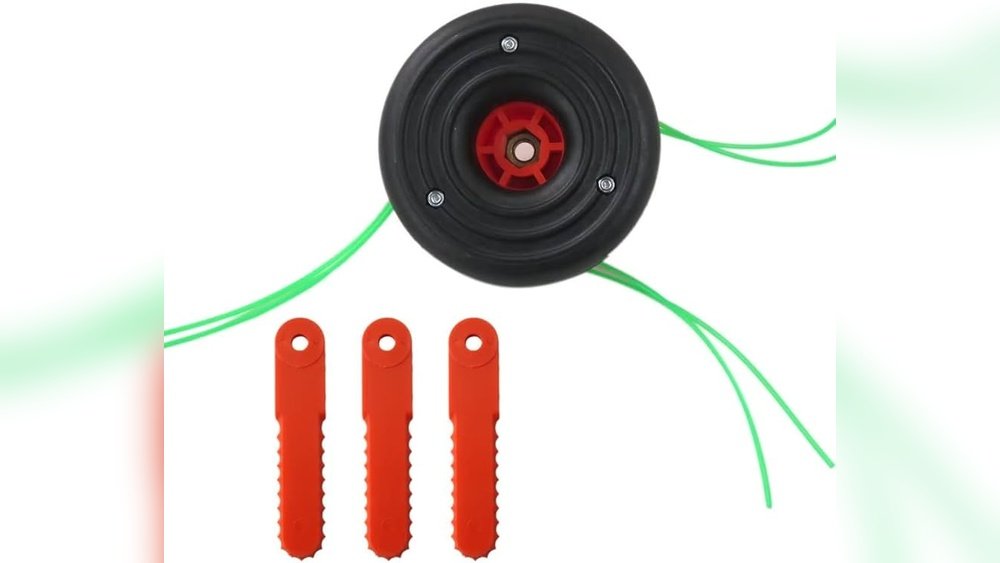
Using blades instead of lines on a string trimmer can make cutting thick weeds easier and faster. Lines work well for light grass and small weeds. Thick weeds need more power and sharper cutting tools. Blades provide a stronger, cleaner cut and handle tough plants better.
Blades come in different materials and shapes. They cut through thick stems and woody plants without breaking. Using blades reduces the time spent on trimming and lowers the risk of line snapping. Blades are the right choice for heavy-duty trimming jobs.
When To Use Plastic Or Metal Blades
Plastic blades suit softer weeds and light brush. They are lighter and safer for small jobs. Metal blades work best on tough, thick weeds and woody plants. Metal cuts through dense growth without dulling quickly. Choose plastic blades for light trimming and metal for heavy cutting.
Blade Types And Sizes
Blades vary in shape and size to fit different trimmers. Common types include single blades, multi-tooth blades, and brush blades. Single blades are good for simple jobs. Multi-tooth blades cut more efficiently through thick weeds. Check the size of the blade to match your trimmer’s specifications.
Installation Tips
Always turn off the trimmer before installing blades. Remove the line spool and attach the blade securely. Use the right tools to tighten the blade nut firmly. Check the blade spins freely without wobbling. Wear gloves to protect your hands during installation.

Credit: www.amazon.com
Using Blades Instead Of Lines
Managing tough stems and woody weeds requires care and the right approach. Thick, woody plants resist simple cutting and can strain your string trimmer. Using proper methods will protect your tool and make trimming easier. The following tips help handle these stubborn weeds efficiently.
Multiple Passes Strategy
Start by trimming the tough weeds in stages. Make a first pass to cut the thinner, outer growth. Let the weeds dry slightly before the second pass. The second pass targets thicker stems with less resistance. This method avoids overworking the trimmer and reduces wear. It also gives better control and cleaner cuts.
Combining Tools For Efficiency
Use hand pruners or loppers alongside your string trimmer. Cut very thick or woody stems by hand before trimming. This prevents damage to the trimmer and speeds up the process. A small saw works well on large woody stalks. Switching tools lets you handle different weed types effectively. It keeps your trimming smooth and saves energy.
Avoiding Equipment Damage
Choose a heavy-duty trimmer line or metal blade for tough weeds. Check the manufacturer’s guidelines before switching blades. Avoid forcing the trimmer through thick stems quickly. Let the tool do the work with steady, gentle pressure. Clean the trimmer regularly to remove debris. This prevents overheating and prolongs the machine’s life.
Managing Tough Stems And Woody Weeds
Advanced tips from professionals help you handle thick weeds with a string trimmer better. These tips focus on safety, control, and efficiency. Using these methods will make your trimming faster and cleaner. Professionals share tricks to manage tough spots and long lines safely.
Applying these techniques keeps you safe and improves your trimming results. You will learn how to trim thick weeds without damaging your trimmer or hurting yourself. Follow these expert tips for a neat lawn and fewer problems.
Trimming Long Lines Safely
Using a longer trimmer line can cut thick weeds more easily. Choose a durable line designed for heavy-duty use. Avoid extending the line too much to prevent it from snapping. Hold the trimmer firmly with both hands to control it well. Keep the trimmer head away from your body and feet. Wear safety glasses and gloves to protect yourself from flying debris. Trim in short bursts to avoid overworking the motor. Let the line cool down between uses to extend its life.
Accessing Tight Spaces
Thick weeds often hide in narrow or hard-to-reach spots. Use a smaller trimmer head or attach a curved shaft trimmer for better access. Tilt the trimmer head slightly to reach under bushes or fences. Move slowly and carefully to avoid hitting objects or damaging plants you want to keep. Use a reduced throttle speed to maintain control. Clear large debris by hand before trimming tight spaces. This prevents line breakage and keeps your trimmer running smoothly.
Balancing Efficiency And Safety
Fast trimming saves time but can cause accidents or wear out equipment. Keep a steady pace that feels comfortable and safe. Check your surroundings for pets, children, or obstacles before you start. Wear protective clothing, including long pants and closed shoes. Take breaks to avoid fatigue, which lowers focus and control. Use ear protection to reduce noise exposure. Inspect your trimmer regularly for damage or loose parts. A well-maintained trimmer works better and lasts longer.

Credit: www.theperiod.it
Frequently Asked Questions
Can String Trimmers Cut Thick Weeds?
String trimmers can cut thick weeds using heavy-duty, fixed heads with robust line or plastic/metal blades. Blades handle woody, thick stems effectively.
What Is The Best Thing To Cut Thick Weeds With?
The best tool to cut thick weeds is a brush cutter with metal blades or a heavy-duty string trimmer using robust line. A scythe with a thick, heavy blade also works well for woody, dense weeds.
What Is The Best String Trimmer Line For Thick Weeds?
The best string trimmer line for thick weeds is a heavy-duty, twisted or square-shaped nylon line. It offers durability and cuts through dense, tough vegetation efficiently. Choose a thicker gauge, typically 0. 095 inches or more, for optimal performance on thick weeds.
Why Do Landscapers Take The Guard Off String Trimmers?
Landscapers remove string trimmer guards for better visibility, easier access to tight spots, longer line use, and reduced tool weight. This improves precision and efficiency but increases safety risks and may void warranties.
Conclusion
Trimming thick weeds with a string trimmer takes patience and the right tools. Use strong lines or blades designed for tough weeds. Move steadily, cutting small sections at a time. Keep your trimmer clean and sharp for best results. With practice, this task becomes easier and quicker.
Enjoy a neat, weed-free yard without much hassle.