
Living in an apartment without a yard doesn’t mean you have to miss out on composting. You might think it’s only for people with big gardens, but that’s not true.
You can turn your kitchen scraps into rich compost right inside your home. Imagine reducing your waste, helping the environment, and even growing healthier plants with your own homemade compost. You’ll discover simple, space-saving tips to start composting in your apartment—no backyard needed.
Ready to make a positive change that fits your lifestyle? Keep reading and learn how easy it can be!
Composting Basics
Composting in an apartment without a yard is simple and eco-friendly. Understanding the basics helps start composting indoors. It turns kitchen waste into nutrient-rich soil. This soil can improve houseplants or be donated to community gardens. Composting reduces trash and supports a greener lifestyle.
Knowing different composting methods and their benefits helps choose the best option. Each method suits different spaces and needs. Let’s explore the main types and why indoor composting matters.
Types Of Composting
Several composting methods fit apartment living. Vermicomposting uses worms to break down food scraps quickly. It works well indoors and produces high-quality compost. Bokashi composting ferments waste in a sealed container. It handles all food types, even meat and dairy, without bad smells.
Traditional compost bins need space and turning. They are less common inside apartments. Passive composting means layering scraps without much effort. This method takes longer but is easy to maintain. Choosing a method depends on space, time, and effort.
Benefits Of Composting Indoors
Indoor composting saves money by reducing waste disposal costs. It cuts down on trash sent to landfills. Compost enriches plants, helping them grow stronger and healthier. This process lowers your carbon footprint and supports sustainability.
Composting indoors also teaches patience and responsibility. It connects you to nature even in small spaces. Less kitchen waste means fewer odors and pests. Indoor composting creates a cleaner, greener home environment.

Credit: ecocycle.org
Choosing The Right Compost Method
Choosing the right compost method matters a lot when living in an apartment without a yard. Space is limited, so the compost system must be compact and easy to manage. It should also control odors and pests well. The method must fit your lifestyle and the amount of kitchen waste you produce. Below are some common composting methods ideal for apartment living.
Bokashi Composting
Bokashi composting uses fermentation to break down food waste. It works well indoors and takes very little space. You add your scraps to a sealed bin with special bran that contains helpful microbes. This method handles meat and dairy, unlike many other composting methods. It produces no foul smell and finishes quickly. After fermentation, you bury the material in soil or add it to a traditional compost bin.
Worm Bins And Vermicomposting
Worm bins use red worms to digest food scraps. Worms turn waste into rich compost called worm castings. This process is fast and odor-free if cared for properly. Worm bins fit well in small spaces like balconies or under a sink. They need regular feeding and moisture control. Vermicomposting is a natural way to recycle kitchen scraps into plant food.
Cold Vs Hot Composting
Cold composting is slow and needs little effort. You just pile up scraps and wait for them to break down naturally. It produces fewer odors but takes months to finish. Hot composting is faster and kills weed seeds and pathogens. It requires turning the pile and maintaining heat. Hot composting is hard to do in apartments due to space and temperature control needs.
Passive Composting Techniques
Passive composting means minimal work. You collect scraps in a container and let them decompose slowly. This method suits busy people or beginners. It does not need turning or special tools. Passive composting can use containers with good airflow to reduce smells. It is a simple way to start composting without much space or effort.
Setting Up Your Apartment Compost
Setting up a compost system in an apartment requires careful planning. Space is limited and indoor odors must be controlled. Choosing the right container and location can make composting simple and effective. Preparing the bin properly will help speed up the composting process. Follow these steps to create a neat, odor-free compost setup in your apartment.
Selecting Containers And Bins
Choose a compact compost bin that fits your space. Look for bins with lids to keep smells contained. Plastic or metal bins with small air holes work well. Consider worm bins or Bokashi systems for faster decomposition. Make sure the container is easy to open and clean. Avoid large bins that take up too much room. A size between 1 to 5 gallons is ideal for kitchen scraps.
Ideal Locations In An Apartment
Find a cool, dry spot for your compost bin. Kitchens, balconies, or utility closets are good options. Keep the bin away from direct sunlight to avoid overheating. Place it near your food prep area for easy access. Ensure good airflow around the bin to reduce moisture. Avoid spots near heat sources or vents. Choose a location that is discreet yet convenient for daily use.
Lining And Preparing Your Compost Bin
Line the bottom of your compost bin with newspaper or cardboard. This helps absorb excess moisture and improves airflow. Add a layer of dry leaves or shredded paper before adding food scraps. Chop scraps into small pieces to speed up decomposition. Mix “greens” like vegetable peels with “browns” like paper for balance. Turn or stir the compost regularly to keep it aerated. Keep the bin moist, like a wrung-out sponge, but not wet.

Credit: kellogggarden.com
Managing Compost In Small Spaces
Managing compost in small spaces requires smart planning and simple tools. Apartments often lack large outdoor areas, so composting must fit limited spaces. Small-scale composting keeps waste low and gardens green without yard access.
Using compact compost methods helps keep your space clean and odor-free. You can compost on balconies, inside kitchens, or in closets. Proper care prevents pests and mess, making composting easy and pleasant.
Balcony Composting Hacks
Use small bins or tumblers designed for limited space. Place bins in a corner to avoid clutter. Choose containers with lids to keep compost contained. Rotate the compost regularly to speed decomposition. Add dry leaves or shredded paper to balance moisture. Protect bins from rain with a cover or plastic sheet. Position bins to get sunlight, which aids breakdown.
Odor Control Tips
Keep compost balanced with green and brown materials. Too many food scraps cause bad smells. Add dry materials like shredded paper or sawdust to absorb moisture. Turn the compost often to let air inside. Avoid adding meat or oily foods, which attract odors. Use baking soda or charcoal at the bottom of bins to neutralize smells. Empty compost bins regularly to prevent buildup.
Preventing Pests And Mess
Use sealed containers with tight lids to stop pests. Avoid leaving compost open or uncovered. Store bins away from doors or windows to reduce attraction. Wrap food scraps in newspaper before adding. Clean bins with mild soap to remove residue. Use mesh screens to keep insects out. Check bins often for leaks or spills and clean immediately.
What To Compost Indoors
Composting indoors in an apartment is simple and practical. Knowing what to compost helps keep the process clean and efficient. It also prevents odors and pests. Choosing the right materials speeds up composting and creates rich soil for plants.
Kitchen Scraps To Include
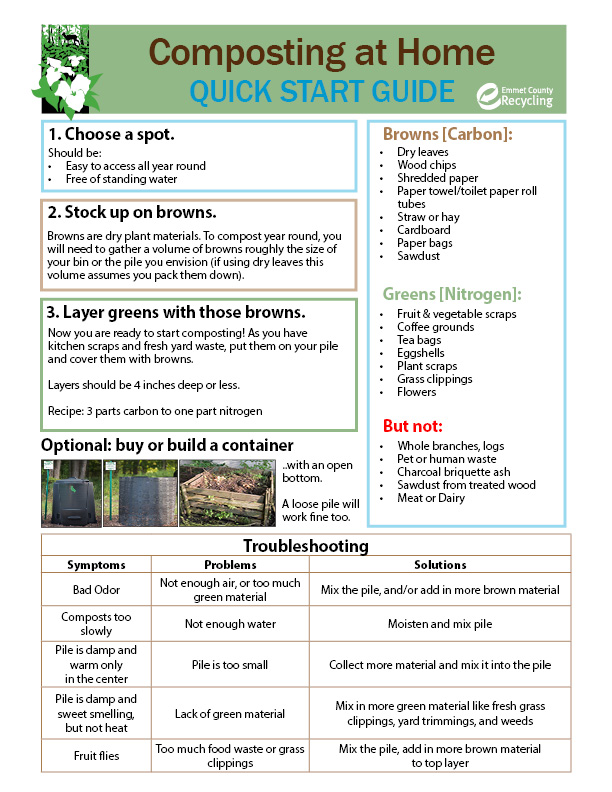
Vegetable peels, fruit scraps, coffee grounds, and eggshells work well. Tea bags and nut shells also break down easily. These scraps are rich in nitrogen, a key nutrient for compost. Avoid adding cooked food or oily leftovers.
Items To Avoid
Meat, dairy, and oily foods cause bad smells and attract pests. Bones and large pieces of bread do not decompose quickly. Avoid using plastic, glass, or metal. Diseased plants or pet waste can harm your compost and plants.
Balancing Greens And Browns
Greens are wet, nitrogen-rich items like kitchen scraps. Browns are dry, carbon-rich materials like paper, cardboard, and dry leaves. A good mix is about two parts browns to one part greens. This balance helps compost break down faster and reduces smell.
Credit: www.emmetrecycling.org
Low-effort Composting Hacks
Low-effort composting hacks make composting easy for apartment dwellers. These methods need little space and minimal work. They help recycle kitchen waste without a yard or garden. Simple steps turn scraps into rich soil for plants. This section covers easy ways to compost indoors or on a balcony.
Passive Pile Composting
Passive pile composting needs no turning or mixing. Collect kitchen scraps in a small bin or box. Add dry leaves, paper, or cardboard as “browns.” Layer scraps and browns in a container or corner. Let nature break down the waste over time. Check moisture and add water if dry. This method is quiet and low-maintenance. It works well for slow composting indoors.
Trench Composting Alternatives
Trench composting means burying scraps directly in soil. In apartments, use a large pot or planter instead. Dig a small hole in the soil. Add kitchen scraps and cover with soil. The scraps decompose underground, feeding plant roots. This method hides waste and reduces smell. It needs no turning or special bins. Ideal for balcony gardens or indoor plants.
Sheet Mulching Indoors
Sheet mulching layers organic waste for slow composting. Use a tray or shallow container. Start with a layer of shredded paper or cardboard. Add food scraps on top. Cover with soil or compost material. Repeat layers to fill the container. Keep layers moist but not wet. The layers break down and create nutrient-rich soil. Great for small spaces and easy to manage.
Using Wood Chips
Wood chips are a good “brown” material for composting. Mix wood chips with kitchen scraps in a bin. They add air spaces to help microbes grow. Wood chips absorb moisture and reduce odor. Use small amounts to keep balance. This mix speeds up composting and keeps it tidy. Wood chips are cheap and easy to find in many areas.
Using Finished Compost
Using finished compost is the final and rewarding step in apartment composting. After patience and care, you get rich, dark soil that helps plants grow strong. This natural fertilizer improves soil health and retains moisture. It gives nutrients back to your indoor plants or community gardens. Proper use and storage keep compost fresh and safe for your space.
Indoor Plant Benefits
Finished compost boosts indoor plant growth. It adds nutrients slowly, feeding plants naturally. Compost improves soil texture, helping roots breathe and absorb water better. Your plants look greener and healthier. Using compost reduces the need for chemical fertilizers, making your home eco-friendly. Even small amounts make a big difference for potted plants.
Community Gardens And Sharing
Apartment dwellers can share compost with local community gardens. These spaces welcome nutrient-rich soil for flowers and vegetables. Sharing compost builds community and supports urban green spaces. It helps gardeners grow food in tight city spots. If you have extra compost, donate it to neighbors or garden groups. Compost sharing spreads benefits beyond your apartment walls.
Safe Storage And Handling
Store finished compost in a sealed container to keep it fresh. Keep it in a cool, dry place away from pests. Avoid using compost that smells bad or looks moldy. Wear gloves when handling compost to protect your skin. Use clean tools to scoop compost and prevent contamination. Proper care ensures your compost stays healthy and ready for use.
Frequently Asked Questions
How Do I Compost If I Live In An Apartment?
Use a small indoor compost bin or a Bokashi system for odor-free composting. Place it in your kitchen or balcony. Add food scraps regularly and turn occasionally. Worm bins also work well in apartments, breaking down waste efficiently without outdoor space.
Which Method Is Best For Composting In Small Apartments?
Bokashi composting suits small apartments best. It ferments food scraps, including meat, with low odor and minimal space. This method uses a compact bin and inoculated bran, making it ideal for indoor, odor-free composting without outdoor access.
How To Do Indoor Composting In An Apartment?
Choose a small compost bin or Bokashi system for your apartment. Add food scraps, balance greens and browns, and keep it odor-free. Stir regularly and place the bin in a ventilated spot like a kitchen corner or balcony. Use finished compost for plants or gardens.
What Is The Laziest Way To Compost?
The laziest way to compost is passive pile composting. Just pile kitchen scraps and browns in a corner and let them decompose naturally. It requires minimal effort and no turning. Trench composting, burying scraps directly in soil, also works with little maintenance.
Conclusion
Composting in an apartment is simple and rewarding. Small bins or worm composting fit well in tight spaces. Even without a yard, food scraps can turn into rich soil. Keep your compost odor-free by balancing greens and browns. Regularly turning or using special bins speeds up the process.
Use the compost for plants or share with community gardens. Start small, stay consistent, and enjoy reducing waste at home. Composting helps the planet one step at a time.