
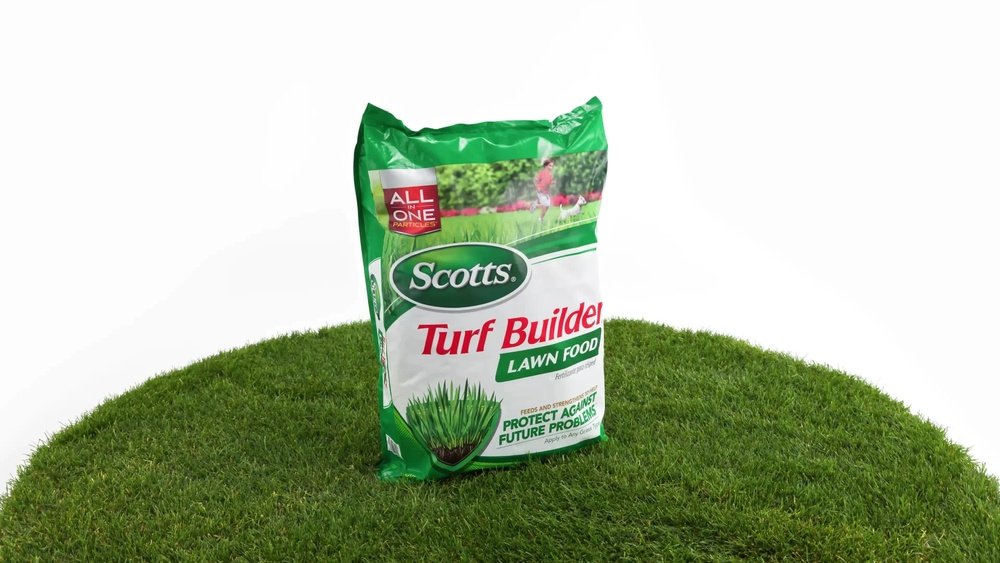
If you want a lawn that stands out with a deep, rich green color, you might be searching for something beyond basic fertilizer. Many homeowners and turf professionals know the secret: iron applications. Iron helps grass “green up” without causing a growth surge, making it a favorite for those who want a healthy-looking yard, especially before big events or during the growing season. But applying iron isn’t as simple as just tossing some powder on your lawn. There are choices to make, timing to get right, and mistakes to avoid. If you want to master how to apply iron to lawn for green tips, this guide will walk you through everything—clearly, step by step.
Why Iron Matters For A Greener Lawn
Iron is a micronutrient your grass needs in small amounts, but its effect on color is dramatic. It’s a key player in making chlorophyll, the green pigment that lets plants use sunlight for energy. When your lawn doesn’t have enough iron, you’ll notice pale yellow patches or a “washed out” look, even if other nutrients are fine.
Unlike nitrogen, which boosts both growth and color, iron mainly deepens the green without making your lawn grow faster. This means less mowing with the same lush look. That’s why golf courses, parks, and stadiums often use iron to keep turf looking perfect.
When Iron Deficiency Shows
Iron deficiency (sometimes called iron chlorosis) often appears as yellowing between leaf veins, while the veins themselves stay green. It’s most common in:
- High pH soils (alkaline, above pH 7.0)
- Lawns during cool weather
- Areas with excess phosphorus or compacted soil
Sometimes, it’s not a lack of iron in the soil, but your grass can’t use it because of soil conditions.
How Iron Differs From Other Nutrients
While fertilizers with nitrogen, phosphorus, and potassium are routine, iron is unique. Over-applying NPK fertilizers won’t “fix” a lawn that’s yellow from iron shortage. In fact, too much phosphorus can make iron less available.
Types Of Iron Products For Lawns
Choosing the right iron product is key for results and safety. Iron comes in several forms, and not all are equal.
Common Iron Forms
- Ferrous Sulfate
- Quick results, often seen in days
- Affordable
- Can stain concrete, stone, or clothes
- Chelated Iron
- Iron attached to organic molecules
- Stays available to grass in high pH soils
- More expensive, but less likely to stain
- Ironite (brand name)
- Contains iron and other micronutrients
- Gentle, slow-release
- Varies by product, so read labels
- Granular Iron Fertilizer
- Easy to spread
- Slower to act, but safer for beginners
Liquid Vs. Granular: Which To Choose?
Here’s a quick side-by-side to help you decide:
| Type | Speed of Results | Application Ease | Staining Risk | Cost |
|---|---|---|---|---|
| Liquid Iron | Fast (days) | Easy with sprayer | High | Moderate-High |
| Granular Iron | Slower (weeks) | Easy with spreader | Low | Low-Moderate |
Liquid iron is best for quick greening before special events, while granular is better for steady, long-term color.

Credit: getlawnbright.com
When To Apply Iron For Best Results
Timing is more important than many people realize. Iron works best when grass is actively growing, so the plant can absorb and use it.
- Cool-season lawns (like Kentucky bluegrass, fescue, rye):
Apply in late spring, early summer, and early fall when growth is strong.
- Warm-season lawns (like Bermuda, Zoysia, St. Augustine):
Apply from late spring through summer. Wait until the grass is fully greened up after winter.
Avoid applying iron during drought, extreme heat, or when the lawn is dormant. The grass won’t use it, and you’ll waste product.
Weather Factors
- Apply iron on mild, overcast days if possible.
- Don’t apply before heavy rain, which can wash iron away.
- Avoid windy days if using liquid iron—it can drift onto sidewalks and stain.
How To Test For Iron Deficiency
Before applying any product, it’s wise to confirm your lawn actually needs iron. Guessing can lead to wasted money and possible damage.
Signs To Watch For
- Grass blades turn yellow, but the veins stay green.
- Color loss starts on younger leaves first.
- The problem is patchy, not uniform.
However, similar yellowing can happen from nitrogen shortage, disease, or poor watering. So, testing is smart.
Soil Testing
A soil test is the most reliable way. Many garden centers and local extension offices offer testing. You’ll learn:
- PH level (high pH can “lock up” iron)
- Iron content (and other nutrients)
- Recommendations for fixing problems
If your soil is alkaline (pH above 7. 0), chelated iron works better. Sometimes just lowering the pH (with sulfur or acidifying fertilizer) can help grass use the iron it already has.
Step-by-step: How To Apply Iron To Lawn
Getting a green lawn with iron isn’t hard, but details matter. Here’s a simple, step-by-step process.
1. Choose The Right Iron Product
- Decide on liquid or granular based on your needs.
- For quick color, use liquid. For steady improvement, use granular.
- If you have high pH soil, pick chelated iron.
2. Read The Label Carefully
- Follow the manufacturer’s instructions for rates and safety.
- Don’t guess on amounts—overdosing can damage grass or stain surfaces.
3. Prepare Your Lawn
- Mow your lawn a day before applying iron. This exposes more leaf area for absorption.
- Remove debris or excessive clippings.
- If soil is dry, water lightly first. Grass absorbs iron better when it’s not stressed.
4. Apply Iron Evenly
For Liquid Iron:
- Use a hose-end sprayer or backpack sprayer.
- Spray evenly, overlapping passes to avoid streaks.
- Walk at a steady pace.
- Avoid spraying sidewalks, driveways, fences, or patios—iron stains are tough to remove.
For Granular Iron:
- Use a broadcast spreader for even coverage.
- Apply on a dry lawn to prevent clumping.
- Sweep or blow off any granules from hard surfaces immediately.
5. Water In (if Needed)
- Some granular products need watering after application to start working.
- Liquid iron usually doesn’t need watering in, but check the label.
- Don’t water so much that you wash iron away.
6. Clean Up
- Rinse any iron off concrete, stone, or bricks right away to prevent stains.
- Wash your sprayer or spreader thoroughly.
7. Observe And Repeat
- Most lawns show deeper green in 2–7 days after application.
- Repeat every 4–6 weeks during the growing season if needed, but avoid overdoing it.
How Much Iron Does Your Lawn Need?
The right amount depends on your grass type, soil, and product. For most lawns:
- Iron sulfate: Apply at 2–4 ounces of product per 1,000 square feet.
- Chelated iron: Follow label rates, usually 1–3 ounces per 1,000 square feet.
Never exceed the recommended rate. Too much iron can turn grass gray or even black, and can harm the soil over time.
Example Application Rates
| Product Type | Recommended Rate | Application Interval | Notes |
|---|---|---|---|
| Liquid Iron Sulfate | 2–4 oz/1,000 sq ft | Every 4–6 weeks | Fast color; stain risk |
| Granular Ironite | 5–10 lbs/1,000 sq ft | Every 6–8 weeks | Gentle, slow-release |
| Chelated Iron Spray | 1–3 oz/1,000 sq ft | Every 4–8 weeks | Best for high pH soils |
Always check your specific product’s label. Rates can vary a lot between brands.
Practical Tips For Best Results
To get the most from your iron application, keep these tips in mind:
- Test your soil first. This avoids misdiagnosis and wasted effort.
- Mow and water properly. Healthy grass absorbs nutrients better.
- Don’t mix iron with weed killers, unless the label says it’s safe. Some chemicals can react and cause damage.
- Avoid overlap when spraying. Double-dosing can leave dark stripes.
- Protect surfaces. Iron stains are often permanent on concrete and stone.
A non-obvious tip: Iron works best when your lawn is not stressed by heat, drought, or disease. If your grass is suffering, fix those problems first.
Another insight: If you have an irrigation system, run it briefly after application (unless using a foliar-only product) to help move iron into the soil without washing it away.
How Iron Interacts With Other Lawn Practices
Iron is just one part of a healthy lawn program. It doesn’t replace good mowing, watering, or fertilizing.
- Nitrogen: Too much nitrogen can make iron less available, and vice versa. Balance your feedings.
- PH management: If your soil is too alkaline, iron uptake will always be a challenge. Consider sulfur or acidifying fertilizers.
- Core aeration: Relieving compaction helps roots access iron and other nutrients.
If you fix only the color with iron, but ignore mowing, watering, and soil health, the results won’t last.
Common Mistakes To Avoid
Even though iron products are widely used, mistakes are common—especially for beginners.
- Applying too much iron
- Can turn grass gray, blue, or black
- May stunt growth or kill patches
- Staining hard surfaces
- Iron sticks fast to concrete, stone, brick, and wood
- Rinse off spills immediately
- Using the wrong product for your soil
- Regular iron sulfate doesn’t work well in alkaline soils
- Chelated iron is better for high pH
- Applying when grass is stressed
- Iron uptake is poor if the lawn is dry, diseased, or heat-stressed
- Mixing with incompatible chemicals
- Some weed killers, pesticides, or fertilizers don’t mix well with iron
The smartest approach is to read the label, apply less if unsure, and observe your lawn’s reaction before reapplying.
How Iron Application Differs By Grass Type
Different grass species respond to iron in slightly different ways. Here’s what to expect:
Cool-season Grasses
- Kentucky bluegrass: Responds very well, deep green in days
- Perennial ryegrass: Quick, strong response
- Tall fescue: Moderate response, but stays green longer
Warm-season Grasses
- Bermuda: Needs more iron than cool-season types, especially in hot weather
- Zoysia: Benefits from regular iron for best color
- St. Augustine: Shows dramatic green-up, but can be sensitive to over-application
If you’re not sure what type of grass you have, check with your local garden center or extension office. Knowing your grass type helps you pick the right product and schedule.
Addressing Staining And Safety Concerns
Iron’s biggest downside is staining. Once iron hits concrete, stone, or decking, it can leave orange or brown marks that are almost impossible to clean.
How To Prevent Staining
- Use a shield or cardboard to protect sidewalks and driveways when spraying near edges.
- Sweep or rinse off any granules from hard surfaces right away.
- Consider chelated iron if you have a lot of paved areas. It’s less likely to stain.
What To Do If Stains Happen
- Act quickly. Rinse with water as soon as possible.
- For old stains, try a mix of vinegar and water, or specialty rust removers.
- Test in a small area to avoid further damage.
Personal Safety
- Wear gloves and eye protection when handling iron products.
- Wash hands and clothes after use.
- Keep pets and kids off the lawn until the product dries or is watered in.
The Science Behind Iron And Lawn Color
Iron’s effect on lawn color is not just cosmetic. It’s a real biological process.
- Iron is a cofactor in making chlorophyll, the green pigment in plants.
- Without enough iron, grass can’t make enough chlorophyll, so blades turn yellow (chlorosis).
- Adding iron boosts chlorophyll production, resulting in a richer green.
Unlike nitrogen, iron doesn’t push top growth. So, you get color without extra mowing.
Why Some Lawns Always Struggle With Iron
If your lawn always looks yellow despite regular iron, the problem is likely soil pH. In alkaline soils, iron is “locked up” and unavailable to roots. You’ll need chelated iron or to lower pH with sulfur.
In rare cases, heavy clay or compacted soils also block iron uptake. Aerating or amending the soil helps.
Iron Application In Different Climates
Climate affects how iron works and when to apply it.
Cool, Humid Regions
- Iron is used mainly in late spring and early fall.
- Quick results, but watch for leaching in heavy rains.
Hot, Dry Regions
- Iron uptake slows in drought. Only apply when grass is well-watered.
- Avoid using iron when temperatures are above 85°F (29°C).
Coastal Or High-rain Areas
- Rain can wash iron away quickly.
- Use granular products or apply just before light rain for best results.
Knowing your local weather patterns can help you time your iron applications for maximum effect.
How Iron Application Compares To Other Lawn-color Solutions
Iron is not the only way to green your lawn, but it’s unique in several ways. Here’s a comparison:
| Method | Speed | Effect on Growth | Cost | Best Use |
|---|---|---|---|---|
| Nitrogen Fertilizer | Fast (3-7 days) | Increases growth | Low-Moderate | General feeding |
| Iron Application | Fast (2-7 days) | No increase | Low-High (varies) | Color boost |
| Lawn Paints/Dyes | Instant | No effect | Moderate-High | Temporary cover-up |
Iron is the best choice for a natural green without extra mowing. Paints are only for covering up damage, and heavy nitrogen can make you mow more often.

Credit: evolutiongolf.co.uk
Troubleshooting: Why Isn’t My Lawn Turning Green?
If you’ve applied iron and nothing happens, check these possibilities:
- Soil pH too high: Use chelated iron or lower pH.
- Overwatering: Iron can leach away in sandy soils.
- Compacted soil: Roots can’t absorb nutrients. Aerate the lawn.
- Disease or pests: Iron won’t fix these issues.
- Wrong product: Make sure you’re using a lawn-safe iron, not industrial or garden-only versions.
A non-obvious problem: Some water sources (like reclaimed or “hard” water) already add iron, so extra applications might not help.
Environmental Impact Of Iron Applications
Iron is generally safe for the environment when used properly, but overuse can cause trouble:
- Excess iron can run off into streams and ponds, affecting aquatic life.
- Stains on concrete are mostly cosmetic, but heavy buildup can change soil chemistry over time.
- Always store iron products safely, away from drains and pets.
If you want to learn more about iron’s effect in the environment, check resources like the EPA’s nutrient pollution page.
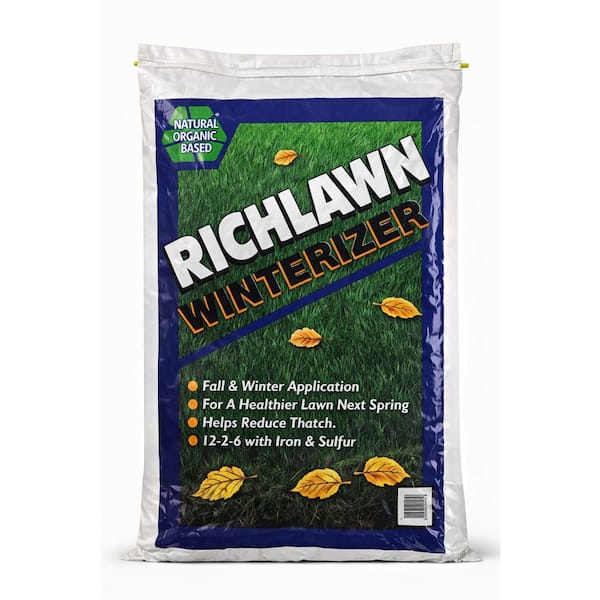
Credit: www.homedepot.com
Frequently Asked Questions
How Long Does It Take For Iron To Green Up A Lawn?
Most lawns show a deeper green within 2 to 7 days of iron application. Liquid iron works faster than granular. Results depend on grass type, weather, and soil conditions.
Will Iron Kill Weeds In My Lawn?
No, iron does not kill weeds. It only greens up the grass. Some specialty products mix iron with weed killers, but plain iron is not a herbicide.
Can I Mix Iron With My Regular Lawn Fertilizer?
Sometimes, but check the labels. Some fertilizers already include iron, and mixing can cause over-application. Avoid mixing iron with products containing phosphorus, as it can “lock up” iron.
Is Iron Safe For Pets And Kids?
Iron products are generally safe once dry or watered in. Keep pets and children off the lawn until the product has been absorbed to avoid stains and accidental contact.
What If I See Black Or Gray Patches After Applying Iron?
Black or gray patches usually mean too much iron was applied in one spot. These areas will recover, but avoid heavy overlap and follow label rates in the future.
A healthy, green lawn is possible for anyone, and iron is a powerful tool to get that rich color without extra mowing or complicated routines. By understanding your soil, choosing the right product, and following these steps, you’ll have the lush green grass that makes your neighbors jealous—all season long.