
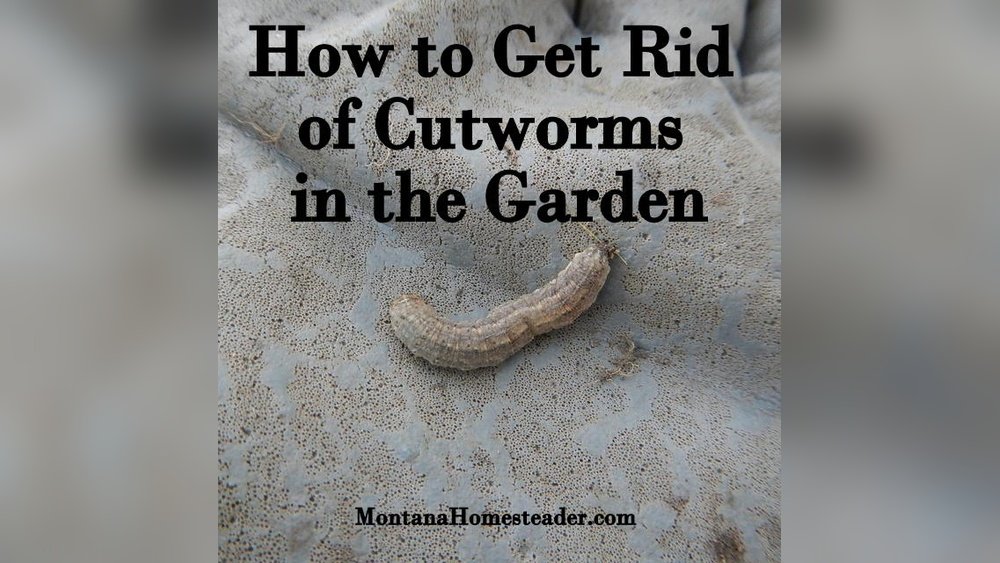
Cutworms are one of the most frustrating garden pests for both new and experienced gardeners. These small, night-active caterpillars can destroy young plants overnight, leaving you wondering what went wrong. If you’ve noticed seedlings suddenly cut off at the base, you likely have cutworms in your garden. But there’s hope—getting rid of cutworms is possible, and you don’t need toxic chemicals to do it. This guide will show you how to identify cutworm damage, understand their lifecycle, and use practical, proven methods to protect your plants.
Cutworm control isn’t just about getting rid of a pest—it’s about protecting all the hard work you put into your garden. Many gardeners lose seedlings to cutworms and give up, but the truth is, with a little knowledge and early action, you can keep your plants safe season after season.
Whether you’re growing a few tomato plants in containers or a large vegetable patch, understanding cutworms will give you an advantage most beginners never have.
What Are Cutworms And Why Are They A Problem?
Cutworms are not actually worms—they are the larvae of several species of moths, including the Agrotis genus. These caterpillars are usually gray, brown, or black and grow up to 2 inches long. At night, they crawl along the soil surface and chew through the stems of young plants, cutting them down like a tiny chainsaw. Most cutworm damage happens in spring, when moths lay eggs and the larvae are hungry.
Young seedlings and transplants are most vulnerable. Cutworms often attack tomatoes, peppers, lettuce, beans, and cabbage, but almost any plant can be affected. Because cutworms feed at night and hide during the day, they’re hard to spot. Instead, you’ll see healthy plants one day and then find them lying flat or missing the next morning.
Even experienced gardeners can underestimate how quickly cutworms can wipe out a whole row of seedlings. Sometimes, you’ll only notice a few plants missing and assume it’s bad luck. But over a few nights, the damage can multiply quickly, especially if the weather is mild and there’s plenty of mulch or plant debris for the larvae to hide in.
Key facts about cutworms:
- One cutworm can kill several plants in a single night.
- They hide under soil, leaves, or debris during daylight.
- Most damage occurs in the first few weeks after planting.
- Cutworms are not picky—they will attack flowers, herbs, and even some grasses if vegetables are not available.
- Moths that lay cutworm eggs are attracted to moist, weedy, or messy garden beds.
Knowing these facts helps you understand why early action is so important. Many gardeners focus on bigger pests like slugs or beetles, but cutworms can be more destructive in the short term.
How To Identify Cutworm Damage
Recognizing cutworm damage early is important. It helps you act before a major infestation develops.
Signs Of Cutworm Activity
- Seedlings cut at soil level: The stem looks cleanly snipped near the ground.
- Missing or wilted plants: Sometimes the plant is gone, sometimes it’s lying flat.
- No visible pests during the day: Cutworms hide well, so you rarely see them directly.
- Chewed leaves or stems: On older plants, cutworms may chew holes in leaves.
- Scattered, seemingly random damage: Unlike slugs, which may affect many leaves, cutworms usually target individual seedlings.
It’s easy to confuse cutworm damage with other problems, such as damping-off disease or rodent activity. But if you see the lower part of the stem neatly chewed, and the top of the plant left untouched or nearby, cutworms are likely to blame.
How To Find Cutworms
If you suspect cutworms, dig gently around affected seedlings in the early morning or evening. Look for curled, fat larvae hiding just below the surface. You can also check under mulch, stones, or garden debris.
Gently scrape away about an inch of soil near damaged plants. Cutworms often curl into a “C” shape when disturbed. If you find one, there are probably more, especially if you notice widespread damage.
Non-obvious tip: Sometimes cutworms climb up stems to feed on leaves, especially as they get bigger. Not all damage happens at ground level.
Another clue is the time of year and the pattern of damage. Cutworms are most active in cool, moist spring weather, especially in gardens with lots of mulch or compost. If you plant early, check more often, as cutworms are also among the first pests to become active.

Credit: www.youtube.com
Cutworm Lifecycle: Why Timing Matters
Understanding the cutworm lifecycle helps you target them at their most vulnerable stage.
| Stage | Duration | Key Activity |
|---|---|---|
| Egg | 1-3 weeks | Laid in soil or plant debris |
| Larva (Cutworm) | 4-6 weeks | Feeds on seedlings, most damage |
| Pupa | 2-4 weeks | Hidden in soil, inactive |
| Adult Moth | 2-3 weeks | Lays eggs, starts cycle again |
The lifecycle shows why timing your controls is so important. If you till the soil in early spring, you can expose eggs and pupae before the larvae hatch and start feeding. If you wait until you see damage, you may already have hungry larvae active and causing problems.
Timing tip: Most cutworm damage happens in spring, as larvae emerge. Controlling larvae early is the most effective strategy.
Also, remember that some cutworm species can have two generations per year, especially in mild climates. That means you may see damage again in late summer or early fall if you plant new crops. Keeping a record of when you see damage can help you predict and prevent future outbreaks.
Practical Ways To Get Rid Of Cutworms
Cutworms can be managed without resorting to strong pesticides. Here are proven methods that work in real gardens.
1. Physical Barriers To Protect Seedlings
Protecting young plants is often the most effective step. Cutworms can’t chew through certain barriers.
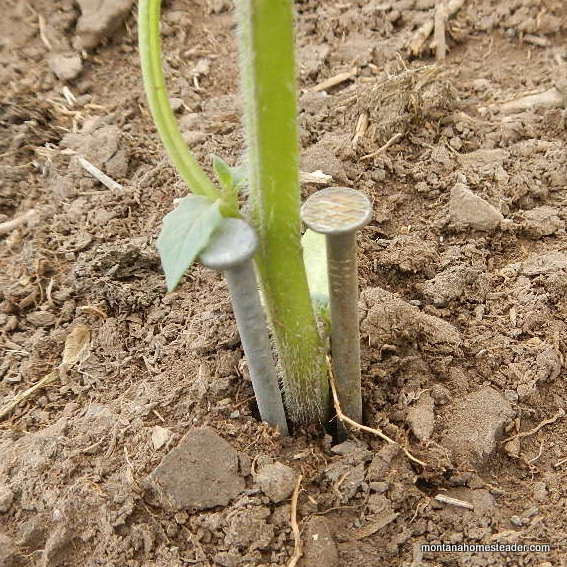
- Collars around stems: Make collars from cardboard, plastic, or aluminum foil. Wrap them around the stem and push 1 inch into the soil. Collars should be about 2 inches tall.
- Plastic cups: Cut the bottom off a plastic cup and place it around the seedling.
- Toilet paper tubes: Cheap and biodegradable, these work well for small seedlings.
Physical barriers are especially helpful for small gardens and raised beds, where you can easily reach every plant. For larger gardens, focus on the most valuable or vulnerable crops first.
Real-world tip: Collars are especially useful for tomatoes, peppers, and cabbage. Replace them as plants grow.
If you’re growing lots of seedlings, you can cut collars from cardboard boxes or use strips of aluminum foil wrapped loosely around the base. The key is making sure the collar goes into the soil, so cutworms can’t crawl underneath.
2. Nighttime Hand Picking
Cutworms are most active at night. Go into the garden with a flashlight after dark and check around seedlings.
- Pick any visible cutworms and drop them into a container of soapy water.
- Focus on areas where you see fresh damage.
This method is time-consuming but very effective for small gardens or raised beds.
Night patrols are also a good way to learn exactly which pests are active in your garden. You might spot slugs, snails, or other caterpillars at the same time. For families, this can even be a fun garden activity for kids, who often enjoy the “hunt.
”
3. Soil Cultivation And Tilling
Cutworms hide in soil and garden debris. Tilling exposes them to predators and disrupts their lifecycle.
- Till soil before planting in spring and again in fall.
- Remove plant debris and weeds, which attract moths to lay eggs.
Data point: Studies show that gardens with regular tilling have up to 70% fewer cutworms.
For no-till gardeners, you can still disturb the top inch of soil around plants with a hand tool. Just lifting and turning the soil lightly after harvest or before planting can reduce larvae and pupae. Always remove dead plants and roots, as these can shelter pests over winter.
4. Encourage Natural Predators
Birds, beetles, and even some wasps feed on cutworms. Attracting these predators helps keep cutworm numbers low.
- Install bird feeders or birdhouses near the garden.
- Avoid broad-spectrum insecticides, which harm beneficial insects.
- Grow flowers like dill and fennel to attract predatory insects.
Non-obvious insight: Ground beetles are cutworm specialists. If you see shiny black beetles in the garden, leave them alone—they’re helping you.
You can also create small “beetle banks” by leaving strips of grass or low ground cover near your garden. This provides shelter for ground beetles and other natural enemies. Chickens and ducks, if you have them, are also great at cleaning up cutworms before planting time.
5. Use Organic Soil Treatments
Several organic options can kill cutworms or make the soil less attractive.
- Diatomaceous earth: Sprinkle around seedlings. It damages cutworm bodies but is safe for plants and humans.
- Neem oil: Mix and spray on soil and plants. Neem disrupts cutworm feeding.
- Bacillus thuringiensis (Bt): A natural bacteria that kills caterpillar pests. Apply to soil or leaves as directed.
Practical tip: Diatomaceous earth loses effectiveness after rain, so reapply as needed.
Bt is especially useful because it targets only caterpillar pests and does not harm bees or other beneficial insects. However, it’s most effective when larvae are small. Neem oil is more of a repellent and works best as a preventive spray, not as a cure.
6. Trap Crops And Decoys
Trap crops are sacrificial plants that attract cutworms away from your main crops.
- Plant a small patch of lettuce or cabbage at the garden edge.
- Check these regularly and remove cutworms.
Data insight: Trap crops reduce cutworm damage to main crops by 30–50% in controlled studies.
You can also use pieces of potato or carrot as bait. Bury them near vulnerable plants and check them in the morning. Cutworms will often hide inside, making them easy to collect and destroy.
7. Chemical Controls (last Resort)
If you have a severe infestation, limited use of chemical controls may be necessary. Always choose the least toxic options.
- Permethrin: A mild insecticide, but use only near affected plants.
- Insecticidal sprays: Target only areas with visible damage.
Warning: Overuse of chemicals can harm beneficial insects and soil health. Use only if other methods fail.
Always read labels and follow safety instructions. Never spray entire garden beds unless you are sure there is a widespread, serious infestation.
Comparing Common Cutworm Control Methods
Here’s a quick comparison of popular cutworm control options, showing effectiveness and safety.
| Method | Effectiveness | Safety for Pollinators | Cost |
|---|---|---|---|
| Stem Collars | High | Safe | Low |
| Hand Picking | Medium | Safe | Low |
| Soil Tilling | Medium | Safe | Low |
| Organic Treatments | Medium | Safe | Medium |
| Chemical Sprays | High | Risky | Medium |
Guidance: For most home gardens, start with stem collars and hand picking. Save chemical controls as a last resort.
One extra tip: combining methods (such as collars plus hand picking) gives the best protection, especially during the first few weeks after planting. Don’t rely on just one solution.
Preventing Cutworms: Long-term Solutions
Controlling cutworms is important, but prevention is even better. Here’s how to keep your garden safe year after year.
Clean Up Garden Debris
Cutworms and moths love messy gardens. Remove weeds, old plant stems, and leaves after harvest.
- Compost plant debris away from the garden.
- Rake up leaves and mulch in fall.
Leaving old plants or thick mulch over winter provides shelter for cutworm eggs and larvae. Even a few missed weeds can encourage moths to lay eggs, leading to problems the next spring.
Rotate Crops Each Year
Cutworms build up in the soil if you plant the same crop every year. Rotate crops to reduce risk.
- Don’t plant tomatoes or cabbage in the same spot each season.
- Use a simple 3-year rotation plan.
Example: Tomatoes → Beans → Lettuce → back to Tomatoes.
Crop rotation also helps reduce other soil-borne pests and diseases. If possible, draw a simple map of your garden each year and plan ahead, so you don’t repeat crops in the same spot.
Prepare Soil Early
Till and prepare soil in early spring, before planting. This exposes cutworm eggs and larvae to birds and sunlight.
- Let soil dry out for a few days after tilling.
Drying the soil makes it harder for moths to lay eggs and for larvae to survive. Birds also find it easier to spot and eat exposed cutworms when there’s less debris.
Use Resistant Varieties
Some plant varieties are less attractive or tougher for cutworms.
- Choose sturdy, thick-stemmed seedlings.
- Look for resistant types in seed catalogs.
Non-obvious tip: Older, hardened seedlings are much less likely to be attacked than tiny sprouts.
If you start your own seedlings indoors, try to grow them until they are at least 3–4 inches tall before transplanting. Stronger plants are less likely to be cut off at the base.
Avoid Overwatering
Wet soil attracts cutworm moths looking to lay eggs.
- Water only when needed.
- Mulch lightly to keep soil dry near seedlings.
If your garden tends to stay moist, especially in shady areas, check those spots more often. Overwatering not only encourages cutworms but can also attract slugs and snails.
Plant Extra Seedlings
Even with good prevention, a few losses are possible.
- Plant more seedlings than you need.
- Thin them out once they’re established.
This simple step ensures you don’t lose your entire crop to unexpected cutworm activity. If you’re growing in rows, leave extra space so you can easily add collars or check for damage.

Credit: www.youtube.com
Mistakes To Avoid When Dealing With Cutworms
Even experienced gardeners make mistakes. Avoid these common errors for better results.
- Ignoring early signs: Waiting until major damage occurs makes control harder.
- Using strong pesticides first: This harms pollinators and doesn’t always work.
- Skipping physical barriers: Collars are simple but often forgotten.
- Not cleaning up debris: Old leaves and stems are cutworm magnets.
- Overwatering: Wet gardens attract moths and increase egg-laying.
Another mistake is relying only on one method and not checking for results. Combining physical and organic methods, with regular checks, is much more effective than using just one solution.
Pro tip: Prevention and early action are always easier than fixing a big infestation.
Real-life Example: Saving A Tomato Patch From Cutworms
A gardener in Ohio noticed his tomato seedlings were disappearing overnight. He tried watering less and cleaning up debris, but the problem continued. After researching, he put cardboard collars around each seedling and sprinkled diatomaceous earth around the stems. He also went out with a flashlight and hand-picked five cutworms the first night.
Over the next week, no more seedlings were lost. The physical barrier and hand-picking worked together to save his crop.
Data point: In this case, losses stopped within two days, and the garden produced a full tomato harvest.
This story highlights how combining simple solutions can stop even a bad infestation. Many gardeners find that once they understand the pest, it’s much easier to prevent future problems. The same approach can be used for peppers, beans, and other vulnerable crops.
How Cutworm Damage Compares To Other Pests
Cutworms are often confused with other pests like slugs, snails, and wireworms. Here’s a comparison to help you identify the culprit.
| Pest | Main Damage | Active Time | Typical Victims |
|---|---|---|---|
| Cutworms | Stem cut at base | Night | Seedlings |
| Slugs | Chewed leaves, slime trails | Night | Young and old plants |
| Wireworms | Roots eaten, plant wilts | Day & night | Roots of crops |
| Snails | Holes in leaves, slow damage | Night | All ages |
Guidance: If stems are cleanly cut at the base, cutworms are likely the cause.
Another clue is that cutworm damage is often focused in one area, especially where seedlings are young and soil is moist. Slugs and snails tend to leave trails and eat irregular holes in leaves, while wireworms attack underground and usually cause wilting rather than cutting stems.
How To Monitor For Cutworms
Regular monitoring helps you spot cutworms before they destroy your crops.
- Check seedlings every morning for fresh damage.
- Use sticky traps to catch adult moths.
- Dig lightly around affected plants to look for larvae.
Advanced tip: Keep a garden journal. Write down when you first see damage, what methods you use, and how many cutworms you find. Over time, you’ll notice patterns and improve your control strategies.
Sticky traps are easy to make with yellow cards and a little petroleum jelly. Place them at soil level to attract and trap moths, giving you an early warning of increased activity.
Another non-obvious technique is to plant a few “sentinel” seedlings early in the season. These are sacrificial plants you check daily for damage. If you see stems cut, you know it’s time to protect your main crops.
Credit: montanahomesteader.com
Are Cutworms Harmful To All Plants?
While cutworms prefer vegetables and tender seedlings, they can attack many plant types.
- Vegetables: Tomatoes, peppers, lettuce, beans, cabbage, carrots, potatoes.
- Flowers: Marigolds, petunias, pansies.
- Herbs: Basil, cilantro.
- Grasses: Sometimes turfgrass seedlings.
Insight: Older, woody-stemmed plants are rarely harmed. Focus protection on young, soft plants.
If you plant flowers or herbs near your vegetables, watch them closely in spring. In lawns, newly seeded grass is sometimes targeted, but established turf is usually safe.
Can You Grow Organic And Still Control Cutworms?
Yes, organic gardening and cutworm control work together. Most methods described here are organic.
- Use physical barriers, hand picking, and organic soil treatments.
- Avoid synthetic chemicals unless absolutely necessary.
Growing organically can actually make your garden less attractive to cutworms over time. Healthy, diverse gardens attract more natural predators, and using compost improves soil health, making your plants stronger and better able to recover from minor damage.
External reference: For more organic pest management, visit the EPA’s Safe Pest Control page.
Frequently Asked Questions
What Are Cutworms And Why Are They Called That?
Cutworms are the caterpillar larvae of certain moths. They get their name because they chew through the stems of seedlings at ground level, “cutting” them off.
How Do I Know If Cutworms Are In My Garden?
Check for seedlings cut at the base, missing or wilted plants, and dig around damaged plants to look for fat, curled caterpillars. Most activity happens at night.
Are Chemical Pesticides Safe For Cutworm Control?
Some pesticides work, but they can harm pollinators and soil health. Try physical barriers, hand picking, and organic treatments first. Use chemicals only if other methods fail.
Can Cutworms Destroy An Entire Crop?
Yes, if not controlled, cutworms can kill dozens of seedlings in a single night. Early action and prevention are key to saving your crops.
How Often Should I Check For Cutworms?
Check daily during spring and early summer, especially after planting new seedlings. Nighttime checks with a flashlight are most effective.
Cutworms don’t have to ruin your gardening experience. With the right information and practical steps, you can protect your plants and enjoy a healthy harvest. Remember, early detection and prevention are your best tools. Use collars, keep your garden clean, and encourage natural predators.
Soon, cutworms will be just another challenge you know how to handle with confidence.