
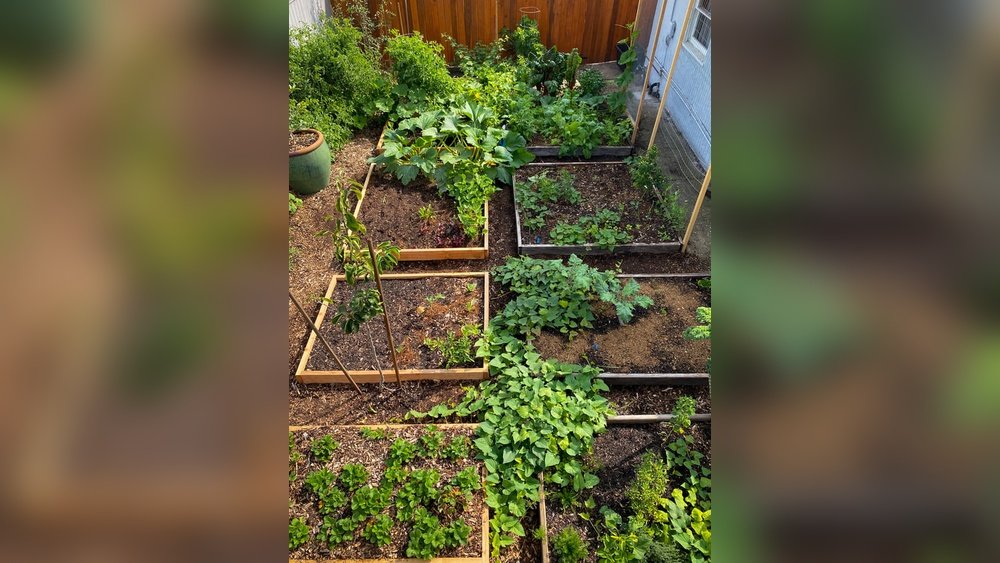
If you want to grow your own fresh vegetables but have poor soil or a small yard, raised beds are a great solution. Raised beds let you plant almost anywhere—on hard clay, gravel, or even concrete. They also warm up faster in spring, drain better after heavy rain, and make gardening easier for your back and knees.
But planting vegetables in a raised bed is not as simple as filling a box with dirt. There are tricks and tips that can make your harvest bigger, healthier, and much less work.
This guide covers everything you need to know about how to plant vegetables in raised beds. You’ll learn how to choose the right spot, build or buy your bed, pick the best soil mix, plan your layout, plant seeds or seedlings, and maintain your garden through the season.
Along the way, you’ll get expert advice, common mistakes to avoid, and smart strategies that most beginners never think about. By the end, you’ll be ready to grow a raised bed vegetable garden that produces more food, with less effort, than you ever thought possible.
Why Raised Beds Work So Well For Vegetables
Raised beds are popular for good reasons. They offer several advantages compared to traditional in-ground gardens.
Improved Soil Quality
You control the soil in a raised bed. This means you can mix in compost, sand, or other amendments to get the perfect texture for vegetable roots. Poor native soil, like heavy clay or sandy dirt, is no longer a problem.
Better Drainage
Raised beds drain faster after rain, which helps prevent rot and fungal diseases. This is especially helpful for plants like tomatoes or peppers that hate “wet feet.”
Extended Growing Season
Beds heat up faster in spring and cool down slower in fall. You can start planting earlier and often get a harvest later into the year.
Easier Access
Because beds are higher, you bend less. This makes planting, weeding, and harvesting easier, especially for people with mobility issues or back pain.
Fewer Weeds
A raised bed with fresh soil has fewer weed seeds to start with. You can also add a weed barrier at the bottom to block invasive roots.
Pest Control
You can easily add covers or fences to a raised bed. This stops rabbits, deer, and some insects from eating your crops.
Choosing The Right Spot For Your Raised Bed
The location of your raised bed is critical for success.
Sunlight
Most vegetables need at least 6–8 hours of full sun each day. Leafy greens like lettuce can handle a bit less, but fruiting plants like tomatoes, peppers, and squash need all the sun they can get. Watch your yard for a few days to see where the sun shines longest.
Level Ground
A flat spot is best. Slopes make watering tricky and can cause soil to wash out. If your yard is uneven, you may need to level a section before building your bed.
Nearby Water Source
Hauling water is tiring. Place your bed within easy reach of a hose or rain barrel. This makes watering quick and keeps your plants healthy.
Away From Large Trees
Tree roots compete for nutrients and water. Trees also cast shade, which can stunt vegetable growth. Try to keep beds at least 10–20 feet from large trees if possible.
Good Drainage
Avoid low spots where water puddles after rain. Raised beds help, but standing water can still cause problems.
Building Or Buying A Raised Bed
You have two choices: build your own or buy a ready-made kit. Both options have pros and cons.
Materials
Common materials for raised beds include:
- Wood: Cedar and redwood last longer, but pine is cheaper. Avoid old railroad ties—they may contain chemicals.
- Recycled Plastic: Durable and long-lasting. Won’t rot but can cost more upfront.
- Metal: Galvanized steel is strong and modern-looking. It heats up fast in sun—good for cool climates, but can get too hot for roots in very sunny areas.
- Stone or Brick: Permanent and attractive, but heavy and expensive.
Building Your Own Bed
If you’re handy, building a bed is simple. A popular size is 4 feet by 8 feet and 10–12 inches deep. This size is easy to reach from both sides, and deep enough for most vegetables. Use untreated lumber and strong screws or bolts.
Buying A Kit
Many garden centers sell kits made from wood, plastic, or metal. These snap together quickly—good if you want to start fast or aren’t comfortable with tools.
Lining The Bottom
For most gardens, lining the bottom with cardboard or newspaper suppresses weeds and decomposes over time. In spots with lots of burrowing pests (like moles), add a layer of hardware cloth (metal mesh) before filling with soil.
Best Soil Mix For Raised Bed Vegetables
Soil is the most important part of your raised bed. Great soil means great vegetables.
The “perfect” Mix
A popular recipe for raised beds is:
- 40% topsoil
- 40% compost
- 20% aeration material (like coarse sand, perlite, or vermiculite)
This blend holds moisture but drains well, and provides nutrients for strong growth.
Buying Vs. Mixing Your Own
You can buy bagged “raised bed mix” at garden centers. For big beds, it’s often cheaper to buy bulk topsoil and compost, then mix them yourself.
Testing Your Soil
Before planting, test your soil’s pH. Most vegetables do best between 6.0 and 7.0. Home test kits are inexpensive. If your soil is too acidic, add lime. If it’s too alkaline, mix in sulfur or peat moss.
Replenishing Each Year
Raised beds lose some nutrients and settle over time. Each spring, add 1–2 inches of fresh compost and mix it in before planting.
Non-obvious Insight
Many beginners forget to check for compaction. Over time, walking or heavy rain can compact soil, making it hard for roots to grow. Fluff up the top 6–8 inches with a fork before each new season.
Planning The Layout: What Goes Where?
Good planning helps you get the most from your space.
Plant Spacing
Raised beds let you plant closer together than traditional rows. This is called “intensive planting.” For example, instead of 18 inches between lettuce rows, you might space heads just 8–10 inches apart. This shades the soil, stopping weeds and keeping roots cool.
Tall Vs. Short Plants
Put tall crops (like tomatoes or pole beans) on the north or east side. This way, they won’t shade shorter plants. Place short crops (like carrots, lettuce, or radishes) on the south or west side for full sun.
Companion Planting
Certain vegetables help each other grow. For example:
- Tomatoes and basil: Basil can repel some tomato pests.
- Carrots and onions: Onions deter carrot flies.
Crop Rotation
Don’t plant the same family in the same spot every year. Rotate crops to prevent disease build-up and nutrient depletion. For example, follow tomatoes with beans, then with leafy greens.
Sample Layout For A 4×8 Bed
Here’s a simple layout for a beginner’s raised bed:
| Section | Vegetables | Spacing (inches) |
|---|---|---|
| North End | Tomatoes (staked) | 18–24 |
| Middle | Peppers, Bush Beans | 12–18 |
| South End | Leafy Greens, Radishes | 6–8 |
Planting Seeds Vs. Transplants
Some vegetables do best when you sow seeds directly in the bed. Others are better started indoors and transplanted as seedlings.
Direct Sowing
Plant these directly in your raised bed:
- Carrots
- Radishes
- Beets
- Peas
- Beans
- Squash
These crops dislike root disturbance.
Transplanting Seedlings
Start these indoors or buy small plants:
- Tomatoes
- Peppers
- Cabbage
- Broccoli
- Eggplant
These need a longer season or are slow to sprout.
How Deep To Plant
A general rule: plant seeds twice as deep as their diameter. For tiny seeds, barely cover with soil. For larger seeds (like beans), plant 1 inch deep.
Watering After Planting
Moisten the soil before sowing. After planting, gently water the area with a soft spray. Keep the soil damp (but not soggy) until seeds sprout.
Non-obvious Insight
If you’re planting in early spring, cover your bed with clear plastic or a frost cloth. This warms the soil faster and speeds up germination by a week or more.
Watering Strategies For Raised Beds
Raised beds dry out faster than in-ground gardens, so smart watering is key.
How Often To Water
When seeds are sprouting or plants are young, water every day or every other day. As roots grow deeper, water less often but more deeply—about 1–2 inches of water per week.
Signs Your Bed Needs Water
- Soil feels dry 2 inches below the surface
- Leaves wilt in the morning (not just midday)
- Slow growth
Best Methods
Drip irrigation or soaker hoses work well for raised beds. They deliver water directly to the roots, saving time and water.
Avoid Common Mistakes
Don’t water late in the evening—wet leaves overnight can cause disease. Water in the morning or early afternoon.
Mulching
Add 2–3 inches of mulch (like straw or shredded leaves) after seedlings are established. This keeps soil moist and reduces weeds.
Fertilizing Raised Bed Vegetables
Even with good soil, vegetables need extra nutrients to produce big harvests.
When To Fertilize
- Mix a slow-release organic fertilizer or balanced granular fertilizer into the top 3–4 inches of soil before planting.
- For heavy feeders (like tomatoes, corn, or squash), add a side-dressing of fertilizer halfway through the season.
Signs Of Nutrient Problems
- Yellow leaves: May mean a lack of nitrogen.
- Small fruit: Often a sign of low phosphorus.
- Purple leaves: May indicate a phosphorus deficiency.
Organic Vs. Synthetic Fertilizers
Organic fertilizers (like compost, manure, or fish emulsion) feed soil microbes, leading to healthier plants over time. Synthetic fertilizers give a quick boost but may need more frequent application.
Quick Guide To Common Fertilizers
| Fertilizer Type | Main Nutrients | Best For |
|---|---|---|
| Compost | Balanced | All vegetables |
| Blood Meal | Nitrogen | Leafy greens |
| Bone Meal | Phosphorus | Root crops, fruiting plants |
| Fish Emulsion | Balanced, quick-acting | Seedlings, transplants |
Non-obvious Insight
Many new gardeners over-fertilize, causing lush leaves but few vegetables. Always follow package directions. More is not always better.
Credit: www.preen.com
Controlling Weeds And Pests
Raised beds start nearly weed-free, but weeds can blow in or sprout from compost.
Weed Control
- Mulch is your best friend—keep it thick.
- Pull weeds early, before they flower.
- Never let weeds go to seed in your garden.
Pest Strategies
- Row covers: Lightweight fabric keeps out insects like cabbage worms and beetles.
- Hand-picking: Check under leaves for pests like slugs or hornworms.
- Crop rotation: Reduces pest buildup year to year.
Non-obvious Insight
Many pests hide in cracks between the bed frame and the soil. Check these spots regularly, especially after rain.
Extending The Growing Season
A raised bed lets you grow more weeks each year.
Early Start
Cover beds with clear plastic or a low tunnel in early spring. This warms the soil and protects seedlings from frost.
Late Harvest
Use floating row covers or small hoop houses in fall. These keep plants warm and protect from light frost, letting you harvest lettuce, spinach, or carrots weeks later than usual.
Cold Frame Add-on
A cold frame (a box with a clear lid) on top of your bed creates a mini-greenhouse. This is great for starting seeds early or growing greens in winter.
Credit: bonnieplants.com
Yearly Maintenance For Long-term Success
A little care each year keeps your raised bed productive for years.
End-of-season Cleanup
- Remove dead plants and weeds.
- Add a layer of compost or chopped leaves.
- Cover the bed with straw or fabric to prevent erosion and feed soil life.
Rebuilding Beds
Wood frames last 5–10 years, depending on the type of wood and weather. Replace boards as needed.
Checking For Settling
If the soil drops by more than 2 inches, top up with fresh compost and soil mix before planting the next year.
Soil Testing
Test the soil every 2–3 years and adjust pH or nutrients as needed.
Troubleshooting Common Raised Bed Problems
Even with good planning, you might face challenges. Here’s how to handle some common issues.
Poor Growth
If plants look stunted, check for:
- Too little sun (move the bed if possible)
- Compacted soil (loosen with a fork)
- Not enough nutrients (add compost or balanced fertilizer)
Overwatering
Raised beds drain fast, but overwatering can still be a problem in clay soils or beds without drainage holes. Make sure excess water can escape.
Bed Too Shallow
If root crops like carrots are forked or stunted, the bed may not be deep enough. Next time, build at least 12 inches deep for carrots, beets, and potatoes.
Heat Stress
In midsummer, metal beds can get very hot. Shade cloth or extra mulch helps protect roots.
Disease Build-up
Rotate crops each year and remove all plant debris at season’s end to minimize disease.
Sample Planting Calendar For Raised Beds
A planting calendar helps you know when to start each crop. Here’s an example for a typical temperate climate:
| Month | Vegetables to Plant |
|---|---|
| March | Spinach, Lettuce, Radish, Peas (seeds) |
| April | Carrots, Beets, Broccoli (transplants) |
| May | Tomatoes, Peppers, Beans, Squash |
| June | Corn, Cucumbers |
| August | Second planting of Lettuce, Spinach |
| September | Garlic (for next spring harvest) |
Adjust these dates for your local climate—southern gardeners can plant earlier, northern gardeners later.
Tips For Maximum Harvest In Small Spaces
You don’t need a huge bed to grow a lot of food.
- Grow up, not out: Use trellises for peas, beans, cucumbers, and squash.
- Choose compact varieties: Look for “bush” or “patio” types of tomatoes and peppers.
- Succession planting: After harvesting one crop, plant another in the same spot.
- Interplant fast and slow crops: Radishes (ready in 3–4 weeks) can grow between slower crops like carrots or cabbage.
- Harvest often: Picking beans or zucchini regularly encourages more production.

Credit: www.almanac.com
Mistakes To Avoid When Planting Vegetables In Raised Beds
Even experienced gardeners make errors. Watch out for these common mistakes:
- Overcrowding: Plants need room to breathe. Overcrowded beds are more likely to get disease and produce less.
- Neglecting soil health: Don’t reuse old soil without adding compost or fertilizer.
- Ignoring sunlight needs: Don’t try to grow tomatoes in part shade—they won’t thrive.
- Watering from overhead only: Wet leaves can spread diseases like blight and mildew.
- Planting all at once: Stagger your plantings for a longer harvest.
Real-world Example: A Season In A Raised Bed
Let’s follow a gardener, Maria, through her first raised bed season. She builds a 4×8 foot cedar bed, fills it with a 40/40/20 mix of topsoil, compost, and perlite, and lines the bottom with cardboard. In March, she plants spinach and peas.
By late April, she adds tomato and pepper seedlings. She interplants carrots and lettuce in the gaps.
Maria installs a soaker hose for easy watering and adds straw mulch once the plants are 4 inches tall. She fertilizes with compost tea every month. By July, she’s picking tomatoes, peppers, and beans. After harvesting spring peas and spinach, she sows more lettuce and radishes for a fall crop.
In October, she removes plant debris, adds fresh compost, and covers the bed with leaves for winter.
By following raised bed tips, Maria doubles her harvest compared to her old in-ground garden, with less weeding and fewer pests.
Frequently Asked Questions
How Deep Should A Raised Bed Be For Vegetables?
A depth of 10–12 inches is best for most vegetables. Shallow beds (6 inches) can work for leafy greens, but root crops like carrots or potatoes need at least 12 inches for good growth.
Can I Use Regular Garden Soil In My Raised Bed?
It’s best to use a mix of topsoil, compost, and aeration material. Pure garden soil can become compacted and may contain weed seeds or diseases. Mixing in compost improves texture and fertility.
How Often Should I Water My Raised Bed Vegetables?
Water needs depend on weather, but as a rule, aim for 1–2 inches of water per week. Raised beds dry out faster, so check soil moisture often, especially during hot weather.
Is It Necessary To Rotate Crops In A Raised Bed?
Yes, crop rotation prevents diseases and pest buildup. Don’t plant the same vegetable family in the same spot every year. Rotate between leafy greens, roots, and fruiting crops.
What’s The Best Mulch For Raised Bed Vegetables?
Straw, shredded leaves, or grass clippings (that haven’t been treated with herbicides) are excellent mulches. They keep soil moist, reduce weeds, and add organic matter as they break down.
For more scientific details about raised bed gardening, check University of Minnesota Extension.
Planting vegetables in raised beds is one of the best ways to grow more food in less space, with fewer weeds and less work. With these tips and strategies, you can enjoy healthy, delicious produce from your own backyard—no matter what kind of soil you started with.
Raised beds turn almost any patch of ground into a productive vegetable oasis. Happy gardening!