
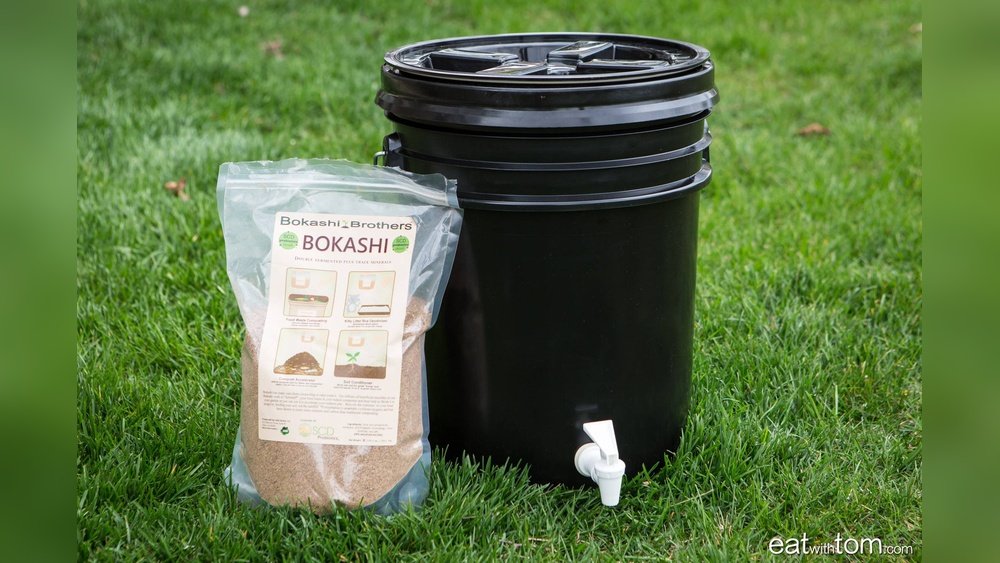
If you want to turn your kitchen scraps into rich, healthy soil right at home, bokashi composting is one of the easiest and fastest methods you can try. Unlike traditional composting, bokashi uses fermentation to break down food waste, meaning you won’t have to deal with turning piles or unpleasant odors.
Imagine reducing your household waste while creating nutrient-packed compost in just a couple of weeks. In this guide, you’ll learn exactly how to make bokashi compost at home, step by step. Whether you’re a beginner or looking for a smarter way to handle food scraps, this method will change how you think about composting—and your garden will thank you for it.
Keep reading to discover how simple it can be to start your own bokashi system today!

Credit: bokashiliving.com
Bokashi Basics
Bokashi composting offers a simple way to recycle kitchen waste indoors. It uses a special fermentation process that breaks down food quickly. This method suits small spaces and urban homes. Understanding Bokashi basics helps anyone start composting easily.
The process differs from traditional composting. It does not rely on oxygen but uses beneficial microbes to ferment scraps. This keeps smells low and speeds up decomposition. Let’s explore what Bokashi composting is and why it works well at home.
What Is Bokashi Composting
Bokashi composting is a fermentation method using a sealed bucket. Food waste is layered with Bokashi bran, which contains microbes. These microbes ferment the waste without oxygen. The process takes about two weeks to complete.
Unlike regular composting, Bokashi does not produce strong odors. It can handle all food scraps, including meat and dairy. After fermentation, the waste becomes “pre-compost” ready for soil or a traditional compost pile.
Benefits Of Bokashi At Home
Bokashi composting saves space and reduces kitchen odors. It works well in apartments or places without outdoor compost bins. This method speeds up food waste breakdown and cuts landfill trash.
The process preserves nutrients in the waste, enriching garden soil. It also lowers greenhouse gas emissions from rotting food. Using Bokashi helps turn scraps into valuable soil food quickly and cleanly.
Credit: tomsnotebook.com
Materials Needed
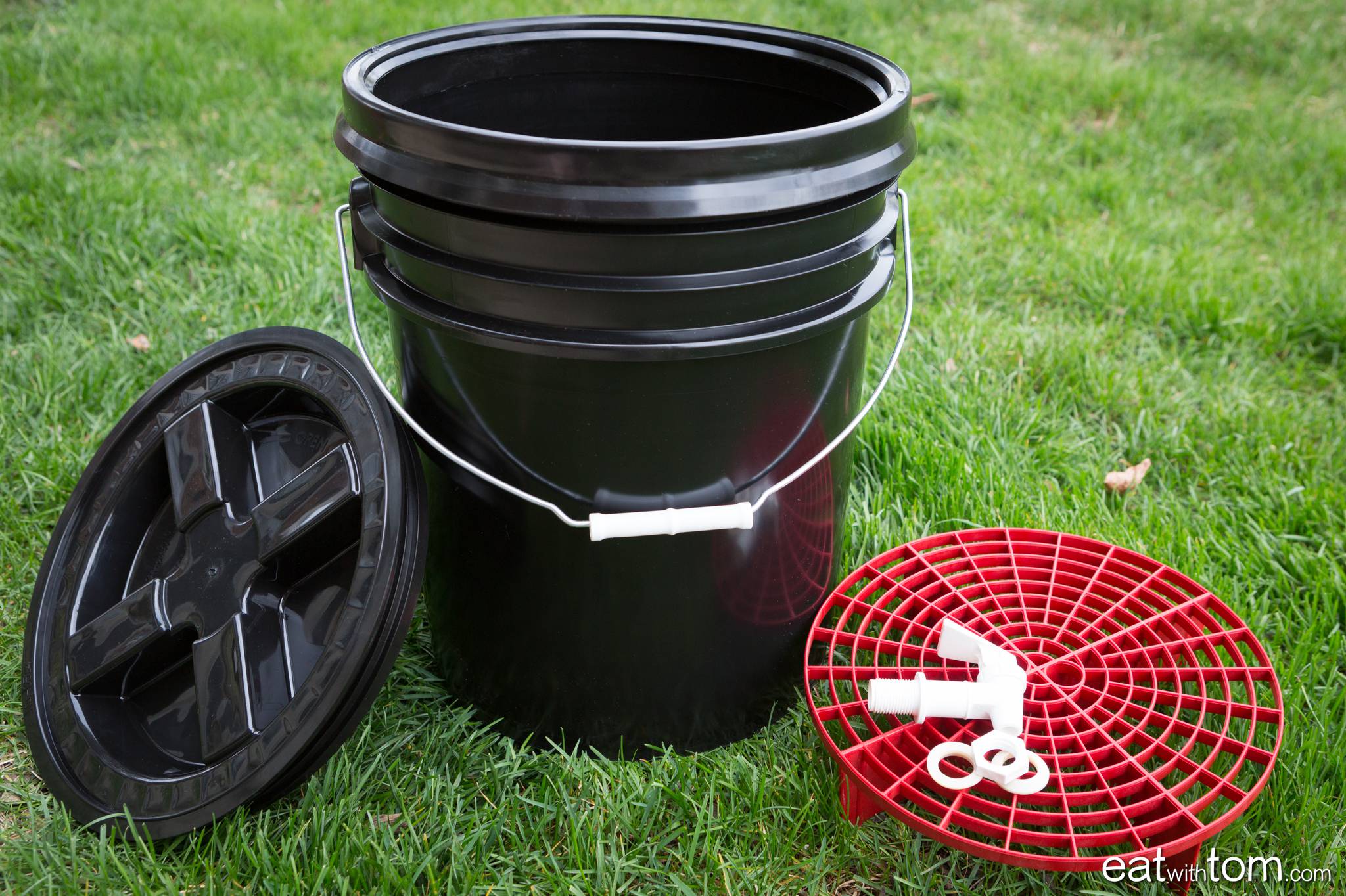
The step-by-step process of making Bokashi compost at home is simple and effective. It allows you to recycle food waste indoors without bad smells. Follow each step carefully for the best results. This method uses a special bucket and bran to ferment waste quickly. The process creates a nutrient-rich pre-compost ready for your garden.
Preparing The Bucket
Start with a clean Bokashi bucket. Make sure it has a tight lid and a spigot at the bottom. The spigot drains liquid called Bokashi tea. This liquid is useful as a fertilizer. Place the bucket on a stable surface in a warm area.
Adding Food Waste
Cut food scraps into small pieces. Add them to the bucket in layers. Avoid large bones or oily foods. These can slow fermentation. Keep adding food waste regularly but do not overfill the bucket.
Layering With Bran
After adding each layer of food waste, sprinkle a handful of Bokashi bran. The bran contains beneficial microbes that ferment the waste. Spread it evenly to cover the scraps. This step helps prevent bad odors and speeds up composting.
Compressing To Remove Air
Use a clean tool or your hand to press the waste down. Remove as much air as possible. Bokashi composting works best without oxygen. Compressing keeps the environment anaerobic. This encourages good bacteria to grow and ferment the waste.
Sealing And Storing
Close the bucket lid tightly after each use. Store the bucket in a warm, dry place. The fermentation process takes about two weeks. Drain the liquid from the spigot weekly. Use this liquid as a natural fertilizer for plants.
Step-by-step Process
Amish composting offers simple, natural ideas for enriching soil at home. Their methods focus on layering organic matter and using natural materials. These techniques fit well with Bokashi composting. They help create rich, healthy soil without chemicals. The Amish approach respects the earth and recycles nutrients efficiently.
Layering And Trench Methods
The Amish often use layering to build compost piles. They add kitchen scraps, straw, manure, and leaves in layers. This mix keeps the pile balanced and moist. Another method is trench composting. They dig trenches, add scraps, and cover them with soil. This hides waste and speeds up decomposition underground. Both methods reduce odor and attract fewer pests.
Natural Boosters
Amish composters use natural boosters to speed composting. Wood ash adds minerals and raises pH levels. Fermented grains or whey introduce good microbes to break down waste faster. Fresh manure heats the pile, helping it decompose quickly. These boosters improve nutrient content and compost quality. They avoid using chemicals or synthetic additives.
No-till Garden Approach
The Amish practice no-till gardening to protect soil life. They add compost directly on top of beds without digging. This preserves earthworms and beneficial microbes. It also prevents soil erosion and moisture loss. The Bokashi pre-compost fits well with this style. Simply spread Bokashi compost on the soil surface to feed plants naturally. It supports healthy, vibrant gardens year-round.
Fermentation Phase
Speeding up the composting process helps turn waste into rich soil faster. Bokashi composting already works quickly, but some simple tricks make it even faster. These methods improve the breakdown of food scraps and boost good microbes. Faster composting means less smell and more usable compost sooner. Below are two effective ways to speed up your Bokashi compost at home.
Using Fermented Grains
Fermented grains add natural microbes that help break down food waste. You can get fermented grains from local breweries or make your own at home. Sprinkle a thin layer of these grains into the Bokashi bucket along with your kitchen scraps. This introduces helpful bacteria and fungi that speed up fermentation. Fermented grains improve the quality and speed of composting by feeding the microbes already in the Bokashi bran. Use them regularly for faster results.
Boosting Microbial Activity
Microbial activity is key to quick composting. Keep the Bokashi bucket airtight to maintain an oxygen-free environment. This helps the good microbes grow well. Adding a bit of sugar or molasses to the bucket feeds these microbes. Keep the compost warm, around 20-30°C (68-86°F), to help microbes stay active. Stir or press down the waste to remove air pockets and keep microbes in contact with scraps. These steps boost microbial activity and speed up composting.

Credit: www.originalorganics.co.uk
Frequently Asked Questions
What Is The Main Problem With Bokashi Composting?
The main problem with Bokashi composting is improper fermentation. This causes bad smells, slow breakdown, or incomplete composting. Proper airtight sealing and correct bran use ensure effective fermentation and odor control.
How To Make Your Own Bokashi Compost?
To make bokashi compost, layer food scraps in a bokashi bucket. Sprinkle inoculated bran, press out air, and seal. Ferment for two weeks.
How Do The Amish Make Compost?
The Amish make compost by layering animal manure, straw, leaves, and kitchen scraps in trenches or piles. They add wood ash or fermented grains to boost microbes. They use hot composting for quick breakdown and bury materials in trenches to ferment over winter, enriching soil naturally.
What Are Three Items That You Should Never Put Into The Compost Bin?
Never put meat, dairy, or oily foods into the compost bin. These items attract pests and slow decomposition. Avoid adding diseased plants to prevent spreading pathogens. Keep compost healthy and efficient by excluding these three items.
Conclusion
Making Bokashi compost at home is simple and practical. It saves kitchen waste from the trash and turns it into useful soil food. Just add food scraps and Bokashi bran, press to remove air, and wait about two weeks. The process is quick, neat, and works indoors.
This compost helps plants grow healthy and strong. Anyone can start with little space or effort. Try Bokashi composting and enjoy cleaner kitchens and greener gardens. Your soil and plants will thank you.