
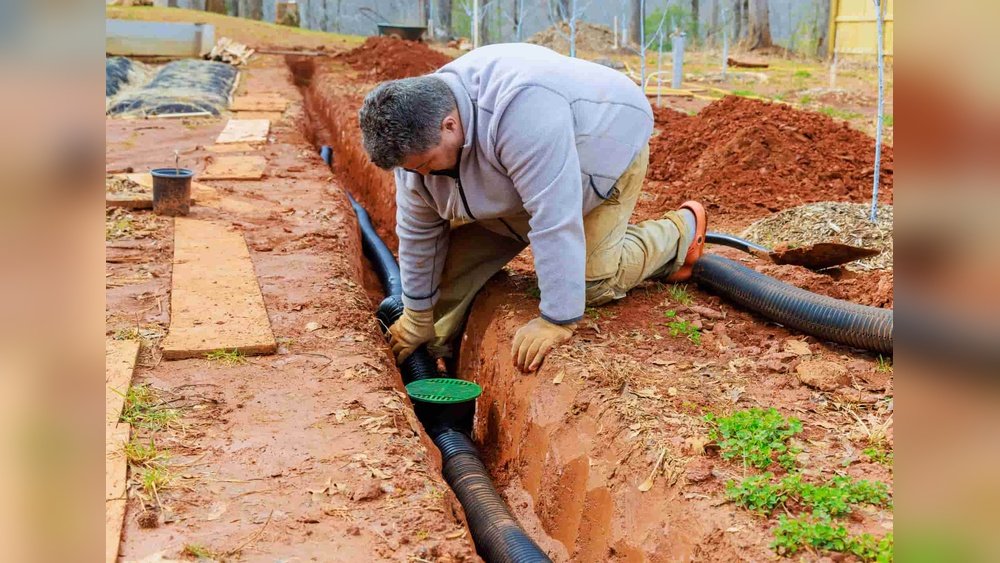
Are you planning to plant a garden or install a new lawn and wondering if your soil can handle it? Knowing how well your soil drains water is one of the most important steps before you start digging.
Poor drainage can lead to waterlogged roots, plant diseases, and wasted effort. But you don’t need expensive tools or experts to find this out—you can easily test your soil drainage right at home with a few simple steps. In this guide, you’ll learn exactly how to do a quick and effective soil drainage test yourself, so you can make smart decisions for a healthy, thriving garden.
Keep reading to discover the easy method that will save you time, money, and frustration!
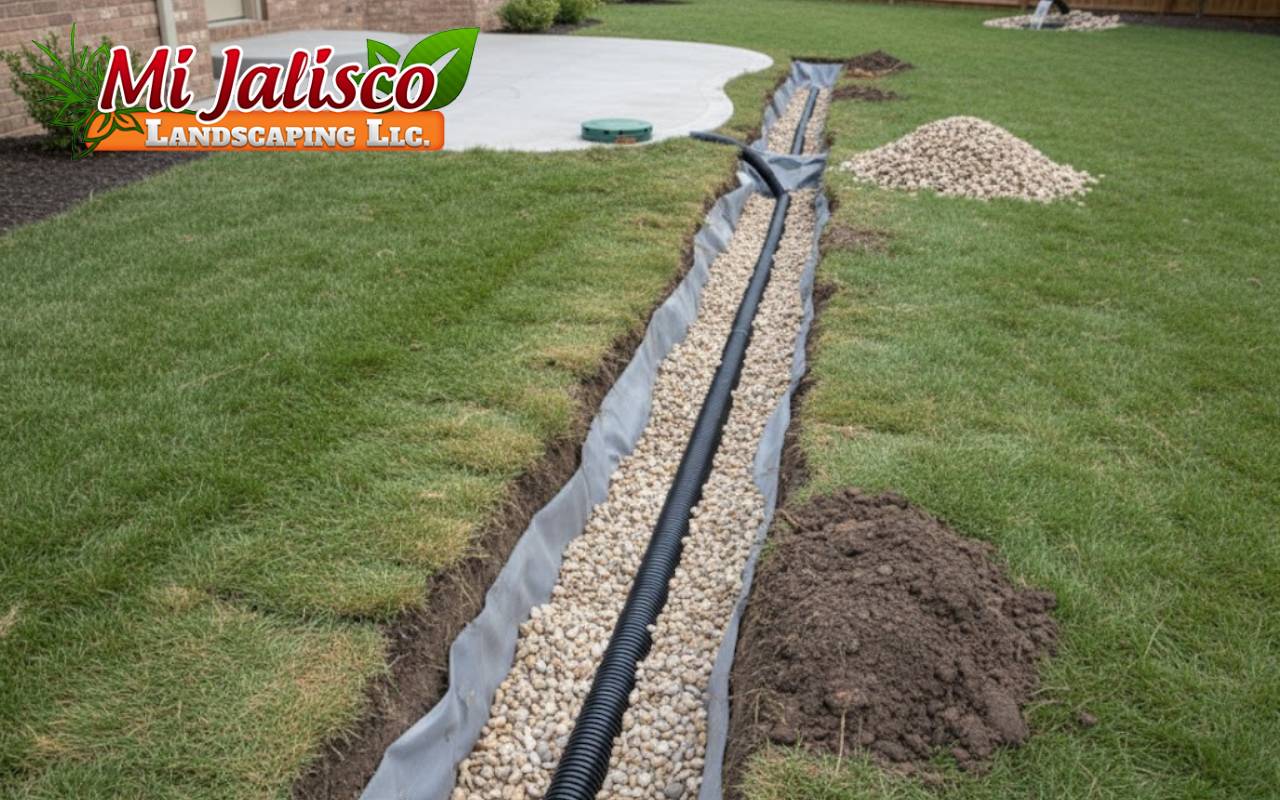
Credit: www.mijaliscolandscaping.com
Soil Drainage Basics
Understanding soil drainage is key to healthy gardening and landscaping. Good drainage ensures plants get enough water without drowning their roots. Poor drainage can cause root rot and stunt plant growth. Testing soil drainage helps you decide which plants will thrive in your yard and how to improve your soil if needed.
Soil drainage basics involve knowing how water moves through the soil. Water should pass through quickly enough to avoid puddles but slowly enough to keep the soil moist. Different soils drain at different rates. Learning about soil types and their drainage properties helps you care for your garden better.
Why Drainage Matters
Drainage affects plant health and soil quality. Waterlogged soil limits oxygen, harming roots. Roots need air to grow strong and absorb nutrients. Good drainage prevents water buildup around roots. It reduces the risk of diseases caused by too much moisture. Proper drainage also helps prevent erosion and soil compaction.
Plants vary in water needs. Some prefer dry soil, others like moist soil. Knowing your soil’s drainage helps match plants to the right spot. It also guides watering schedules and soil improvements. Healthy drainage creates a balanced environment for plants to grow well.
Types Of Soil And Drainage
Soil types determine how water moves through the ground. Sandy soil drains very fast because of large particles. Water quickly passes through, so sandy soil can dry out fast. Clay soil has tiny particles packed tightly. It holds water and drains slowly, sometimes causing puddles.
Loam soil is a mix of sand, silt, and clay. It drains well and retains moisture just right for most plants. Silty soil has medium-sized particles and drains slower than sand. It feels smooth and holds water better than sandy soil.
Knowing your soil type helps you understand drainage. It also shows if you need to add organic matter or sand to improve drainage. Testing soil drainage at home starts with recognizing these soil types and their water flow.

Credit: yardandgarden.extension.iastate.edu

Credit: www.canada.ca
Frequently Asked Questions
How To Test Your Soil Drainage?
Dig a 12-inch hole and fill it with water. Let it soak overnight to moisten soil. Refill and measure water drop hourly. Fast drainage means well-drained soil; slow drainage indicates poor drainage.
How To Test Soil Ph For Hydrangeas?
Collect soil from hydrangea roots. Mix with water in a test tube. Dip pH strip, wait for color change. Compare with chart.
How Can I Tell If I Have Well Drained Soil?
Well-drained soil absorbs water within 1-2 hours after saturation. Dig a hole, fill with water, and time drainage. Soil draining slowly or pooling water indicates poor drainage.
Can You Do A Percolation Test Yourself?
You can perform a basic percolation test yourself by timing water drainage in a dug hole. For official septic permits, hire licensed professionals to ensure accuracy and compliance with local regulations.
Conclusion
Testing soil drainage at home helps you understand your garden’s needs. Simple steps like digging, saturating, and timing water drainage reveal soil type. Well-drained soil supports healthy plants by preventing root rot and waterlogging. Regular checks guide planting choices and soil improvement efforts.
Remember, for official purposes, a professional test ensures accuracy and meets legal rules. Use this guide to start testing soil drainage easily and confidently. Healthy soil means stronger plants and a better garden overall.