
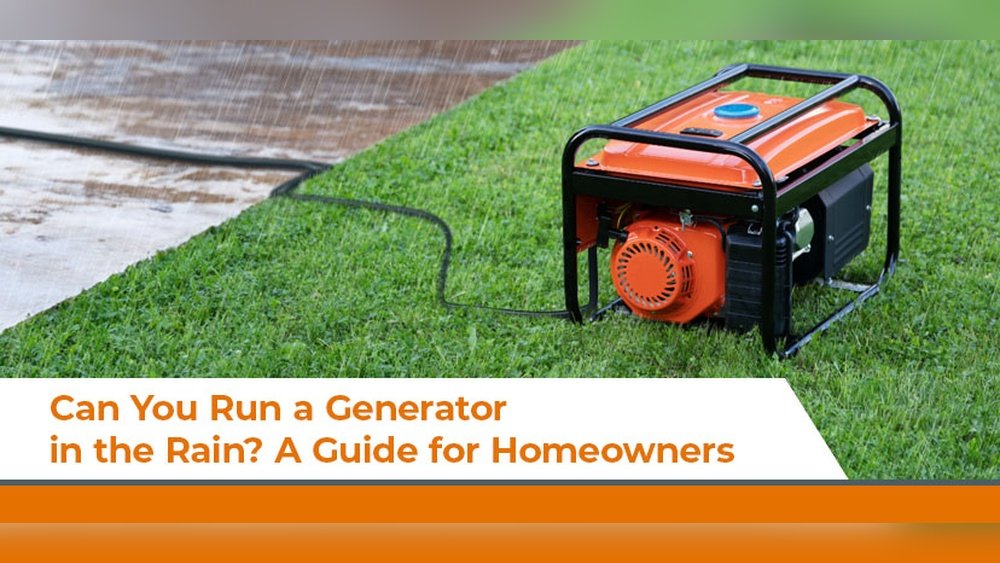
When the power goes out and the rain starts pouring, you might wonder if it’s safe to run your generator. You rely on your generator to keep your home warm, your devices charged, and your life running smoothly.
But running it in wet conditions comes with risks that could harm you, your family, or your equipment. The good news? You don’t have to choose between power and safety. You’ll discover simple, practical steps to run your generator safely in the rain.
By following these tips, you’ll protect your generator from damage and keep yourself safe—no matter how hard the storm hits. Keep reading to learn how to power through the rain without worry.
Risks Of Running Generators In Rain
Running a generator in the rain carries serious risks. Water and electricity do not mix well. Rain can cause accidents, damage, and health problems. Knowing these risks helps keep you and your equipment safe. Never ignore the dangers of using a generator in wet weather. Take steps to protect yourself and your generator.
Electric Shock Hazards
Rain increases the chance of electric shock. Water can enter the generator’s electrical parts. Wet surfaces make it easier to get shocked. Touching the generator with wet hands is very dangerous. Shock can cause injury or death. Always keep the generator dry and use ground fault circuit interrupters (GFCIs).
Generator Damage Risks
Rain can harm the generator’s engine and parts. Water inside the fuel or engine causes damage. Rust and corrosion can form on metal parts. These problems lower the generator’s life and performance. Protect the generator with a waterproof cover or shelter. Avoid running the generator in heavy rain without protection.
Carbon Monoxide Concerns
Generators produce carbon monoxide (CO) gas. CO is colorless and deadly. Rain may force you to run the generator closer to your home. This raises the risk of CO entering living spaces. Never run a generator indoors or in enclosed areas. Always place the generator outdoors, away from doors and windows.
Credit: riderswestmag.com
Choosing The Right Location
Choosing the right location to run your generator in the rain is crucial for safety. The location affects the generator’s performance and your well-being. A poor choice can lead to accidents or damage. Focus on keeping the generator dry and well-ventilated.
Dry And Elevated Surfaces
Place the generator on a dry surface to prevent water damage. Elevate it using a sturdy platform or blocks. This stops water from pooling around the generator. Avoid running it directly on grass or dirt, which can get muddy and slippery.
An elevated, dry spot reduces the risk of electrical shock. It also helps the generator run smoothly without moisture interference.
Avoiding Enclosed Spaces
Never run your generator inside enclosed areas like garages or sheds. Enclosed spaces trap dangerous carbon monoxide gas. The gas is colorless and odorless but deadly. Running the generator outdoors in open air keeps you safe.
Choose a spot that allows smoke and fumes to disperse freely. This reduces the risk of carbon monoxide poisoning. Safety must come first in every setup.
Safe Distance From Home
Keep the generator at least 20 feet away from your home. This distance protects your family from exhaust fumes. It also prevents carbon monoxide from entering living spaces. Position the generator downhill or downwind from windows and doors.
Proper distance limits noise and vibration inside the house. It also reduces fire hazards by keeping fuel and heat sources apart from the home.
Protective Coverings For Generators
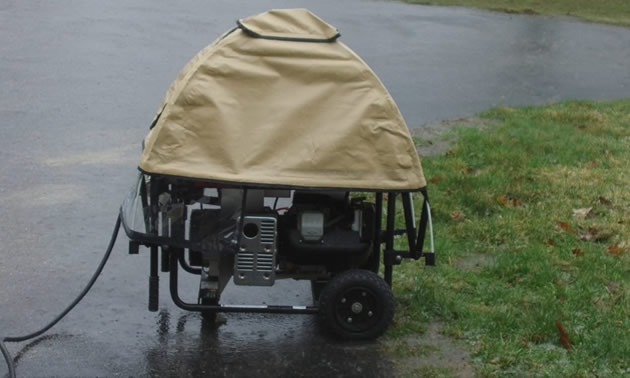
Protective coverings for generators help keep them safe from rain and moisture. These coverings prevent water from damaging the generator’s engine and electrical parts. Using a proper cover lets you run the generator outdoors during wet weather. It also reduces the risk of electrical shocks and short circuits.
Choosing the right type of shelter ensures your generator works efficiently and lasts longer. The shelter must allow airflow to avoid overheating. It should also block rain while keeping the generator dry and stable.
Weather-resistant Canopies
Weather-resistant canopies are designed to shield generators from rain, snow, and sun. These canopies use waterproof materials like heavy-duty fabric or plastic. They often include a frame that holds the cover above the generator. This setup stops water from reaching the machine.
Canopies also protect from falling debris and dust. Many models have side panels that block wind-driven rain. They provide easy access to the generator controls and fuel tank.
Diy Shelter Options
DIY shelters work well if you need a quick, low-cost solution. You can build a simple roof using wood or metal sheets. Place the shelter on a flat, raised surface to avoid water pooling.
Use tarps or plastic sheeting secured tightly over a frame. Make sure to leave open spaces for airflow. Avoid covering the generator completely with plastic to stop overheating.
Ventilation Considerations
Good ventilation is crucial when covering a generator. The engine needs fresh air to run properly. Poor airflow causes overheating and can damage the generator.
Design shelters with vents or gaps on all sides. Keep the exhaust pipe clear to avoid harmful fumes buildup. Position the generator so fumes blow away from people and buildings.

Credit: www.amazon.com
Using Proper Electrical Equipment
Using proper electrical equipment is crucial for running a generator safely in the rain. It helps prevent accidents and ensures your generator works correctly. Wet conditions can cause electrical shocks or damage if the equipment is not designed for outdoor use. Always choose tools and accessories made for outdoor and wet environments. This way, you reduce risks and keep yourself and others safe.
Outdoor-rated Extension Cords
Use extension cords marked for outdoor use only. These cords have stronger insulation to resist moisture and dirt. Avoid indoor cords, as they can easily get damaged in wet weather. Check the cord’s rating on the label before use. Heavy-duty cords with a thick gauge handle higher power loads safely. Keep cords off wet ground as much as possible to prevent water contact. Proper cords protect you from shocks and keep electricity flowing correctly.
Avoiding Backfeed Hazards
Never plug a generator directly into your home’s wall outlet. This can cause backfeed, sending electricity back to power lines. Backfeed is dangerous for utility workers and can damage your devices. Use a transfer switch or connect appliances directly to the generator. Transfer switches isolate your home’s wiring from the grid. This stops electricity from flowing in the wrong direction. Avoiding backfeed keeps everyone safe and prevents costly damage.
Regular Inspection And Maintenance
Inspect all electrical equipment before each use, especially in rain. Look for cracks, frays, or signs of water damage on cords and plugs. Replace any damaged parts immediately to avoid hazards. Clean the generator and cords after use to remove dirt and moisture. Check fuel levels, oil, and filters regularly for proper generator operation. Routine maintenance extends equipment life and ensures safe performance. Stay safe by treating your generator and accessories with care.
Safe Operating Practices
Operating a generator safely in the rain requires careful attention to several key practices. These safety measures reduce the risk of electric shock, fire, and damage to your equipment. Always prepare and follow steps that protect you and your generator during wet weather use.
Dry Hands And Footwear
Always ensure your hands are dry before touching the generator. Wet hands increase the risk of electric shock. Wear rubber-soled shoes or boots to insulate yourself from the ground. Avoid standing on wet or damp surfaces while operating the generator. This simple step keeps you safer from electrical hazards.
Starting And Stopping Procedures
Start the generator in a dry area sheltered from rain. Use a canopy or tent to protect the unit. When starting, avoid touching the generator’s metal parts. Shut down the generator before refueling or moving it. Follow the manufacturer’s instructions closely for starting and stopping. This reduces the chance of accidents and equipment damage.
Monitoring Load Capacity
Do not overload the generator by connecting too many devices. Check the generator’s wattage rating before use. Keep the total power draw within this limit to prevent overheating. Use a wattmeter or calculator to measure appliance loads. Running within capacity extends the generator’s life and prevents electrical failures.
Emergency Preparedness Tips
Preparing for emergencies means being ready to use your generator safely in the rain. Safety and readiness go hand in hand. Keep your generator protected and reliable during power outages. Follow these emergency preparedness tips to ensure safe operation under wet conditions.
Backup Fuel Storage
Store extra fuel safely in approved containers. Keep fuel away from heat and flames. Label containers clearly and place them in a cool, dry area. Avoid storing fuel inside living spaces or near the generator. Always have enough fuel to run the generator during long outages.
Regular Testing
Test your generator regularly to ensure it works when needed. Run the generator for about 20 minutes every month. Check for any leaks or unusual noises. Confirm that the unit starts easily and powers your essential appliances. Regular testing helps prevent surprises during emergencies.
Emergency Shutdown Plan
Have a clear plan to shut down the generator quickly if needed. Know how to turn off the fuel supply and the engine. Train everyone in your household on the shutdown procedure. Keep the generator area clear for easy access. A fast shutdown can prevent accidents and damage.
Common Mistakes To Avoid
Running a generator in the rain requires care and attention. Many people make simple mistakes that put them at risk. Avoiding these errors helps keep you safe and your generator working well. Understanding common missteps is key to safe operation during wet weather.
Running Indoors Or Enclosed Areas
Never run a generator inside your home or garage. Enclosed spaces trap dangerous fumes like carbon monoxide. These gases can cause serious illness or death. Always place the generator outdoors on a flat, dry surface. Keep it away from doors and windows to prevent fumes from entering.
Ignoring Weather Forecasts
Checking the weather forecast is important before using a generator. Rain and storms can increase risks. Heavy rain can damage the generator or cause electrical hazards. Plan to use the generator only during safe weather conditions. If rain is expected, use protective covers designed for generators.
Using Improper Equipment
Using wrong or low-quality equipment can cause accidents. Always use heavy-duty, outdoor-rated extension cords. Avoid cheap or indoor-only cords. Never plug the generator directly into a home outlet. This can cause backfeed, risking injury to utility workers and damage to your electrical system.

Credit: www.gentent.com
Frequently Asked Questions
Is It Okay To Run A Generator In The Rain?
Running a generator in the rain is unsafe. Always keep it dry under a canopy or weatherproof cover. Avoid wet surfaces and hands to prevent electrical hazards. Use outdoor-rated cords and never operate indoors or in enclosed spaces. Safety measures protect you and your generator from damage.
What Is The 80% Rule For Generators?
The 80% rule for generators means running them at no more than 80% of their rated capacity. This prevents overload and extends generator life. It ensures safe, efficient operation and avoids damage caused by excessive load. Always size your generator to handle peak demands within this limit.
What Is The 20 20 20 Rule For Generators?
The 20 20 20 rule for generators means running the generator at 20% load for 20 minutes every 20 hours. This prevents engine fouling and maintains efficiency.
How To Protect A Generator From Rain While Running?
Place the generator on a dry, elevated surface under a canopy or waterproof cover. Ensure proper ventilation and avoid direct water contact. Use a weather-resistant running cover designed for generators to prevent moisture damage and maintain safe operation during rain.
Conclusion
Running a generator safely in the rain requires simple but important steps. Always keep the generator dry by placing it under a sturdy cover. Use heavy-duty, outdoor-rated cords and never touch the generator with wet hands. Avoid running it indoors or in enclosed spaces.
Regular checks help spot any damage or wear. Following these easy tips protects you, your family, and your equipment. Safety matters most when using a generator in wet weather. Stay prepared and stay safe.