
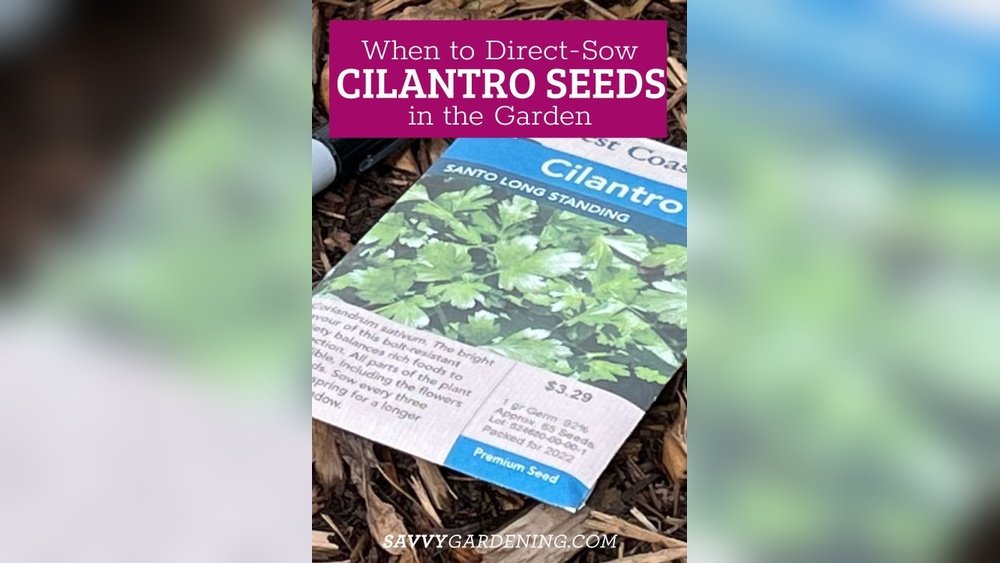
If you love fresh herbs right from your garden, growing cilantro from seeds is a great place to start. But you might wonder, how do you get those tiny seeds to sprout into healthy, flavorful plants?
You’re about to discover simple steps that make planting cilantro seeds easy, even if you’ve never grown herbs before. From choosing the best spot in your garden to watering tips that keep your plants happy, this guide will walk you through everything you need.
Stick with me, and you’ll be harvesting fresh cilantro leaves in no time—adding vibrant flavor to your meals and a satisfying boost to your gardening skills. Ready to dig in? Let’s get your cilantro growing strong!
Choosing The Right Cilantro Variety
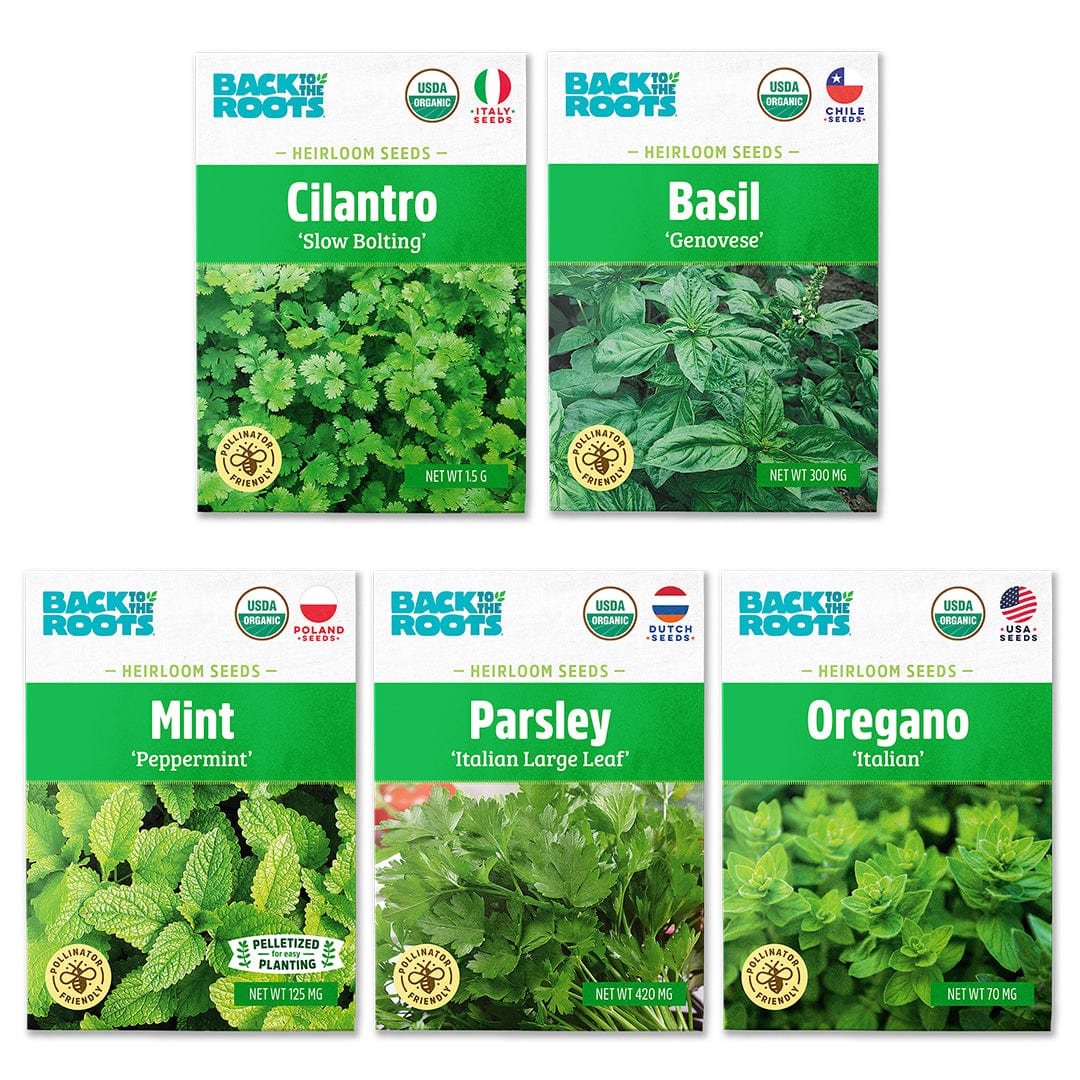
Choosing the right cilantro variety improves your garden success. Different types suit different climates and growing conditions. Some varieties resist bolting longer, giving you more harvest time. Others thrive in specific regions, like Austin’s warm climate. Picking the right one helps you enjoy fresh cilantro for weeks.
Slow-bolt Options
Slow-bolt cilantro varieties delay flowering and leaf loss. They last longer in warm weather and reduce waste. Popular slow-bolt types include ‘Calypso’ and ‘Slowbolt.’ These maintain fresh leaves for a longer period. Ideal for gardeners who want a steady supply of cilantro.
Slow-bolt varieties prefer cool mornings and some afternoon shade. Keep soil moist but not soggy for best growth. These types are best for spring and fall planting. They help avoid the quick flowering common in regular cilantro.
Varieties For Austin Climate
Austin’s hot summers challenge cilantro growth. Choose heat-tolerant varieties like ‘Leisure’ and ‘Santo.’ These adapt well to high temperatures and dry spells. Plant in early spring or late fall for best results.
Use mulch to keep roots cool and conserve moisture. Water regularly to prevent stress and bolting. Growing suited varieties ensures fresh cilantro despite Austin’s heat.
Credit: backtotheroots.com
Preparing The Garden Bed
Preparing the garden bed is the first step to growing healthy cilantro plants. A well-prepared bed gives seeds the best start. It helps roots grow deep and strong. Proper preparation also improves water retention and nutrient availability. Follow these key steps to get your garden bed ready for cilantro seeds.
Soil Requirements
Cilantro grows best in loose, well-draining soil. The soil should be light and sandy or loamy. Heavy clay soils can hold too much water and harm the roots. Aim for a soil pH between 6.2 and 6.8 for optimal growth. Testing your soil pH before planting is a good idea. Healthy soil encourages strong seed germination and growth.
Amending With Compost
Add compost to enrich the soil with nutrients. Compost improves soil texture and fertility naturally. Spread a 2 to 3 inch layer of compost over the garden bed. Mix it well into the top 6 inches of soil. Compost also helps the soil hold moisture without becoming soggy. This creates a perfect environment for cilantro seeds to sprout and grow.
Ensuring Good Drainage
Good drainage prevents water from pooling around cilantro roots. Standing water can cause root rot and other problems. Check if your garden bed drains well after rain. You can improve drainage by loosening compacted soil or adding sand. Raised beds also help excess water drain away quickly. Well-drained soil keeps cilantro plants healthy and thriving.
Best Planting Time
Choosing the best planting time for cilantro seeds helps ensure healthy growth and a rich harvest. Cilantro thrives in cool weather and can struggle in extreme heat. Planting at the right season allows the seeds to sprout quickly and develop strong roots. Understanding when to plant gives the best chance to avoid common problems like bolting or poor germination.
Spring And Fall Planting
Spring and fall offer the ideal temperatures for cilantro. Cool air and moderate soil warmth help seeds sprout well. In spring, plant seeds after the last frost. In fall, plant seeds early enough to avoid the first hard freeze. Both seasons provide a good balance of sunlight and moisture. This helps cilantro grow tender leaves and a fresh flavor.
Avoiding Summer Heat
High summer temperatures cause cilantro to bolt and turn bitter. Cilantro prefers cooler days and cooler nights. Avoid planting seeds during the hottest months. If you must grow cilantro in summer, find a shaded spot. Water regularly to keep soil moist but not soaked. These steps slow down bolting and keep the plant healthy longer.

Credit: www.gardenary.com
Planting Cilantro Seeds
Planting cilantro seeds is the first step to growing fresh, flavorful herbs in your garden. Cilantro thrives best when planted directly into the soil during cool weather. This herb prefers well-draining soil and needs a balance of sun and shade to grow strong. Proper seed planting ensures healthy growth and a steady supply of leaves for your kitchen. Follow these simple methods to plant cilantro seeds correctly.
Direct Sowing Techniques
Direct sowing means planting seeds straight into the garden soil. This method works well because cilantro has a delicate taproot. Transplanting can disturb the roots and stunt growth. Choose a spot with morning sun and afternoon shade for best results. Loosen the soil to a depth of about 6 inches before sowing. Sow the seeds evenly and cover lightly with soil. Water gently to keep the soil moist but not wet. Thin seedlings once they sprout to avoid crowding. Repeat sowing every few weeks to keep the harvest coming.
Seed Spacing And Depth
Plant cilantro seeds about 1/4 to 1/2 inch deep in the soil. This shallow depth helps seeds germinate faster. Space seeds 6 to 8 inches apart to give each plant room to grow. Crowding can lead to poor air circulation and weaker plants. After planting, cover seeds with a thin layer of soil. Water the area lightly to settle the soil around the seeds. Proper spacing and depth help seedlings develop strong roots and healthy leaves.
Sunlight And Shade Needs
Cilantro grows best with the right balance of sunlight and shade. It prefers cool conditions and can struggle under intense heat. Understanding its sunlight and shade needs helps ensure healthy growth and flavorful leaves. Choose a spot that offers gentle morning sun and protection from harsh afternoon rays. This setup supports strong plants and prevents early bolting. Proper light exposure keeps cilantro thriving in your garden.
Morning Sun Benefits
Morning sun warms the soil and helps seeds germinate faster. It provides gentle light that encourages steady growth. Early sunlight boosts leaf development and flavor without stressing the plant. Cilantro absorbs this light easily, making it more resilient. Morning sun also reduces moisture on leaves, lowering disease risk. This light timing suits cilantro’s preference for cooler conditions.
Afternoon Shade Importance
Afternoon shade protects cilantro from hot, direct sunlight that can cause wilting. Shade during the hottest hours keeps soil moist and cool. This prevents the plant from bolting or going to seed too soon. Shade slows evaporation, reducing water stress. It creates a comfortable microclimate for cilantro’s delicate leaves. Providing afternoon shade helps extend the harvest period and maintain leaf quality.
Watering Practices
Proper watering plays a key role in growing healthy cilantro plants. The soil must stay moist to help seeds germinate and young plants thrive. Too little water can dry out the seeds, while too much can harm their roots. Understanding the right watering practices ensures your cilantro grows strong and flavorful. Below are important tips on watering cilantro seeds effectively.
Maintaining Moist Soil
Keep the soil evenly moist from planting until the seeds sprout. Water gently to avoid washing seeds away. Use a spray bottle or watering can with a fine nozzle for light watering. Check soil daily, especially during warm weather. If the surface feels dry, add water carefully. Moist soil helps seeds absorb water and encourages fast germination. Mulching around the planted area can retain moisture longer.
Avoiding Waterlogging
Drainage is essential to prevent waterlogging, which can rot cilantro roots. Choose well-draining soil or raised beds to improve water flow. Do not let water pool on the surface after watering. Avoid watering too often or in large amounts. Allow the top inch of soil to dry slightly between waterings. This balance stops root damage and keeps plants healthy. Proper watering timing supports strong cilantro growth.
Preventing Bolting
Preventing bolting is key to growing healthy cilantro plants. Bolting happens when the plant flowers and sets seed early. This causes leaves to turn bitter and stops leaf growth. Cilantro bolts quickly in hot weather or if stressed. Taking simple steps can keep your cilantro producing tasty leaves longer.
Regular Harvesting
Picking cilantro leaves often helps delay bolting. It encourages the plant to keep growing new leaves. Focus on harvesting the outer leaves first. Avoid cutting the central stem, which can stress the plant. Regular harvesting also improves air flow, reducing disease risk.
Removing Flower Stalks
Watch for flower stalks starting to form. Pinch or cut these stalks off as soon as you see them. Removing flower stalks stops the plant from using energy on seeds. This directs energy back to leaf growth. Check plants every few days to catch stalks early.
Succession Planting
Plant cilantro seeds every 2 to 3 weeks. This keeps a steady supply of fresh plants. When one batch starts to bolt, new plants are ready to harvest. Succession planting spreads out your harvest season. It helps maintain fresh cilantro in your garden longer.
Growing Cilantro In Containers
Growing cilantro in containers is a smart choice for gardeners with limited space. It allows easy control over soil, water, and sunlight. Containers can be moved to catch the best light or shade. This flexibility helps cilantro thrive and stay fresh longer. You can enjoy fresh leaves right on your balcony, porch, or kitchen windowsill.
Choosing Pots
Pick containers at least 8-12 inches deep for cilantro’s roots. The pot must have drainage holes to avoid water buildup. Terra cotta pots work well since they breathe and prevent soil from staying too wet. Plastic pots are lighter and keep moisture longer, good for hot climates. Choose a size that fits your space but gives roots room to grow.
Soil Mix For Containers
Use a light, well-draining soil mix for cilantro. Combine potting soil with sand or perlite to improve drainage. Avoid heavy garden soil that can hold too much water. The soil should stay moist but not soggy. Adding organic compost boosts nutrients and helps plants grow healthy and strong.
Keeping Roots Cool
Cilantro prefers cooler root temperatures to avoid bolting. Place containers in spots with morning sun and afternoon shade. Mulch the soil surface to keep it cool and reduce evaporation. Light-colored pots reflect heat better than dark ones. Water regularly to maintain even soil moisture and prevent stress on the plant.

Credit: www.gardenary.com
Frequently Asked Questions
How Long Does It Take To Grow Cilantro From Seed?
Cilantro seeds typically germinate in 7 to 10 days. Full growth for harvest takes about 3 to 4 weeks.
Should Cilantro Seeds Be Soaked Before Planting?
Soaking cilantro seeds for a few hours softens their coating and speeds germination. It is optional but helpful.
What’s The Trick To Growing Cilantro?
Plant cilantro seeds in cool weather with well-draining soil. Provide morning sun and afternoon shade. Keep soil moist, not soggy. Harvest outer leaves regularly to prevent bolting. Use slow-bolt varieties and practice succession planting for continuous harvest. Direct sow seeds to avoid root disturbance.
Can You Plant Cilantro Seeds In The Fall?
Yes, plant cilantro seeds in fall for cool weather growth. Use well-draining soil with morning sun and afternoon shade. Keep soil moist but not soggy. This timing helps prevent bolting and supports healthy, flavorful leaves.
Conclusion
Planting cilantro seeds is simple with the right steps. Choose cool weather and well-draining soil. Provide morning sun and afternoon shade for best growth. Keep soil moist, but avoid overwatering. Sow seeds directly in the garden to protect roots. Harvest leaves regularly to stop early flowering.
Plant seeds every few weeks for a steady supply. Enjoy fresh cilantro from your garden all season long. Growing your own herbs adds flavor and fun to cooking. Start today and watch your garden thrive!