
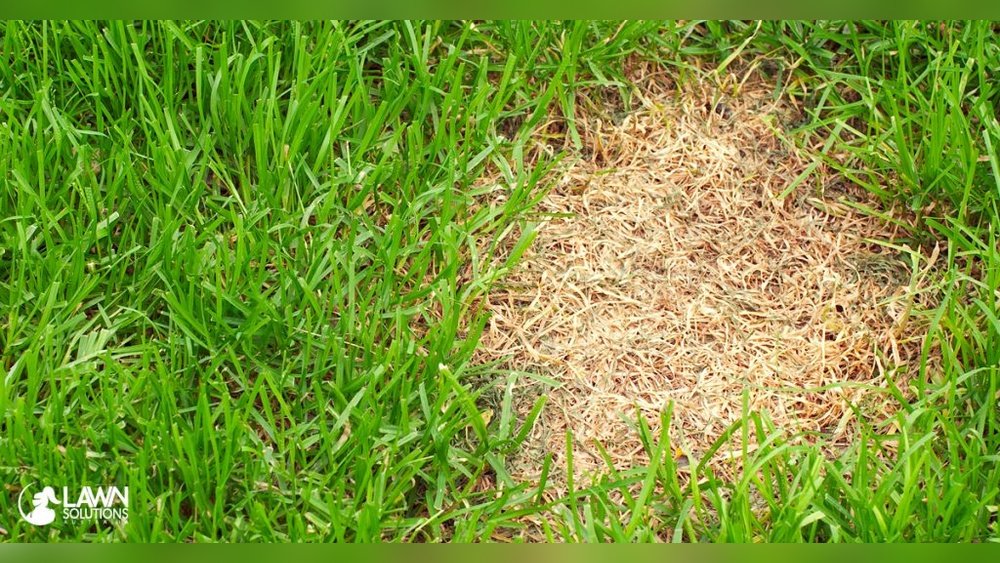
Is your lawn looking thin and patchy, leaving you frustrated every time you step outside? You’re not alone.
Many homeowners wonder why their grass isn’t lush and full like they expected. The truth is, several common issues could be causing your lawn to lose its thickness and vibrant green color. But don’t worry—understanding these problems is the first step to bringing your grass back to life.
You’ll discover the main reasons behind thin, patchy grass and simple, effective ways you can fix it to enjoy a healthy, beautiful lawn again. Keep reading to find out how to transform your struggling yard into the vibrant green space you deserve.
Credit: www.rainbowlawncare.com
Common Causes Of Thin Grass
Thin and patchy grass often results from several common lawn problems. Identifying these issues helps in restoring your lawn’s health and appearance. Understanding the causes allows you to take the right steps for improvement.
Soil Compaction
Soil compaction happens when the ground becomes too hard. It stops roots from growing deep and spreading well. Compacted soil reduces air, water, and nutrients reaching the grass roots. This leads to weak, thin grass that struggles to thrive.
Poor Drainage
Poor drainage causes water to pool or stay too long on the lawn. Excess water drowns grass roots and invites fungal diseases. Over time, this creates bare spots and thin patches in your grass.
Inadequate Sunlight
Grass needs sunlight to grow strong and green. Shade from trees, buildings, or fences limits sunlight. Without enough light, grass becomes thin and fails to fill in dense.
Pest And Disease Damage
Pests like grubs and insects eat grass roots and blades. Diseases caused by fungi or bacteria also harm grass health. These attacks create dead patches and thin areas in your lawn.
Improper Mowing Practices
Mowing too short or too often stresses the grass. It reduces leaf area needed for food production. Cutting wet grass or using dull blades can damage grass tips. These habits cause weak growth and patchy lawns.

Credit: www.reddit.com
Soil Health And Its Impact
Soil health plays a key role in the appearance of your grass. Thin and patchy lawns often point to problems beneath the surface. Healthy soil supports strong roots, which results in thick and lush grass. Poor soil conditions limit water and nutrient uptake, causing grass to weaken and die off in spots.
Testing Soil Quality
Start by testing your soil to understand its current state. Soil tests reveal nutrient levels, pH balance, and organic matter content. You can use DIY kits or send samples to a lab. Knowing soil quality helps target specific problems affecting your grass.
Balancing Ph Levels
Soil pH affects nutrient availability to grass roots. Most grasses thrive in slightly acidic to neutral soil, around pH 6 to 7. If the soil is too acidic or alkaline, nutrients become locked up and unavailable. Adjust pH by adding lime to raise it or sulfur to lower it.
Nutrient Deficiencies
Grass needs nitrogen, phosphorus, and potassium to grow well. Deficiencies cause slow growth and thin patches. Use fertilizer based on soil test results to supply missing nutrients. Avoid over-fertilizing, which can harm grass and the environment.
Improving Soil Aeration
Compacted soil restricts air, water, and root growth. Aeration creates small holes in the soil, allowing better oxygen flow. This encourages deeper root systems and healthier grass. Use a garden fork or mechanical aerator to improve soil aeration regularly.
Watering Techniques For Lush Grass
Watering plays a big role in making grass thick and green. Using the right watering methods helps grass grow strong roots. It also prevents dry spots and patchy areas. Here are key watering tips for a lush lawn.
Optimal Watering Frequency
Grass usually needs water about two to three times per week. This depends on weather and soil type. Watering too often keeps the soil wet. This can harm roots and invite disease. Less frequent watering helps roots grow deeper.
Deep Vs. Shallow Watering
Deep watering means soaking the soil about six inches down. This encourages roots to grow deep and strong. Shallow watering wets only the top layer. It leads to weak roots and dry patches. Water slowly to reach deep into the soil.
Avoiding Overwatering
Too much water can drown grass roots. It causes yellowing and thinning of the lawn. Overwatering also wastes water and attracts pests. Watch for puddles or soggy soil. Let the lawn dry between watering sessions.
Fertilizing Strategies
Fertilizing is key to fixing thin and patchy grass. Proper feeding gives your lawn the nutrients it needs to grow thick and green. Using the right fertilizer and applying it correctly helps repair damage and boost growth. Here are some smart fertilizing strategies to improve your lawn’s health.
Choosing The Right Fertilizer
Select a fertilizer that matches your grass type and soil needs. Look for a balanced mix of nitrogen, phosphorus, and potassium. Nitrogen helps green growth, phosphorus supports roots, and potassium strengthens overall health. Avoid fertilizers with too much nitrogen; they can burn the grass or cause weak growth.
Timing Fertilizer Applications
Apply fertilizer during your grass’s active growing seasons. Early spring and fall are ideal times for most lawns. Fertilizing in these periods helps the grass recover and prepare for stresses like heat or cold. Avoid feeding during extreme heat or drought to prevent damage. Follow product instructions for best results.
Organic Vs. Synthetic Options
Organic fertilizers release nutrients slowly and improve soil health over time. They are safer for the environment and reduce chemical buildup. Synthetic fertilizers work faster and provide a quick nutrient boost. Use synthetic options carefully to avoid overfeeding. Combining both types can balance quick results with long-term soil improvement.
Seeding And Overseeding Tips
Seeding and overseeding are key steps to fix thin and patchy grass. These methods help fill bare spots and boost lawn thickness. Proper seeding supports healthy growth and makes your lawn more resilient. Follow simple tips to get the best results and enjoy a lush green lawn.
Selecting Grass Seed Varieties
Choose grass seed that suits your climate and soil type. In Austin, Texas, warm-season grasses like Bermuda and Zoysia thrive well. Pick a seed mix with good disease resistance for long-lasting health. Avoid seeds that need too much water or care.
Preparing The Lawn For Seeding
Clear dead grass and debris from thin areas before seeding. Mow the lawn short to help seeds reach soil easily. Loosen the soil with a rake or aerator to improve seed contact. Water the soil lightly to create a moist seedbed for quick germination.
Best Practices For Overseeding
Spread seed evenly over the entire lawn or bare patches. Use a seed spreader for better coverage and control. Lightly rake the seeds into the soil to protect them. Keep the soil moist by watering daily until grass grows strong. Avoid heavy foot traffic on new seedlings.
Lawn Maintenance Habits
Maintaining a healthy lawn requires more than just watering and fertilizing. Your daily lawn care habits play a big role in how thick and green your grass looks. Poor maintenance can cause thin and patchy grass. Simple changes in how you mow, aerate, and remove thatch improve lawn health quickly. These basic habits help roots grow stronger and grass blades fill in bare spots.
Proper Mowing Height
Cutting grass too short stresses the plants and weakens roots. Keep your mower blades high enough to leave grass about 2.5 to 3 inches tall. Taller grass shades the soil, keeping moisture in and reducing weed growth. Avoid cutting more than one-third of the grass blade at once. Use sharp mower blades to make clean cuts and prevent damage.
Regular Lawn Aeration
Soil compaction stops air, water, and nutrients from reaching grass roots. Aeration creates small holes in the soil, relieving compaction. This allows roots to grow deeper and stronger. Aerate your lawn once or twice a year, especially in heavy clay soils. Use a core aerator to remove small plugs of soil. This improves drainage and helps your grass recover faster.
Thatch Removal Techniques
Thatch is a layer of dead grass and roots that builds up on the soil surface. Too much thatch blocks water and nutrients from reaching roots. Remove excess thatch using a rake or dethatching machine. Do this in early spring or fall when grass is actively growing. Regular dethatching keeps the lawn healthy and thick by improving soil contact and reducing disease risks.
Dealing With Lawn Pests And Diseases
Dealing with lawn pests and diseases is essential for a healthy, thick lawn. These issues often cause grass to look thin and patchy. Knowing how to identify and treat pests and diseases can save your lawn from further damage. Early action helps restore your lawn’s lush appearance and vigor.
Identifying Common Lawn Pests
Several pests attack grass roots and blades. Grubs are beetle larvae that feed underground. They create brown patches as they damage roots. Chinch bugs suck sap from grass blades, causing yellow spots. Armyworms and cutworms chew grass leaves, leaving holes and bare spots. Watch for wilting, discoloration, or visible insects. Regular checks help catch pest problems early.
Natural Pest Control Methods
Encourage natural predators like birds and beneficial insects. Nematodes are tiny worms that kill grubs in the soil. Apply them to infected areas for pest control. Use neem oil or insecticidal soap sprays to reduce insect numbers. Maintain proper lawn care to prevent pest outbreaks. Healthy grass resists pests better than weak, stressed lawns.
Treating Fungal Infections
Fungal diseases often cause thin, patchy grass. Common fungi include brown patch, dollar spot, and rust. These infections create discolored spots or rings on the lawn. Remove dead grass and improve air circulation. Water early in the day to let grass dry quickly. Fungicides can control severe infections. Follow label instructions carefully for safe use.
Seasonal Lawn Care Adjustments
Grass often looks thin and patchy because lawn care needs change with the seasons. Each season brings different challenges and opportunities for your lawn. Adjusting your care routine throughout the year can help your grass grow thick and healthy. Seasonal lawn care adjustments keep your lawn strong against weather stress, pests, and diseases.
Spring Lawn Revival
Spring is the time to wake up your lawn. Rake away dead leaves and debris to let sunlight reach the soil. Aerate compacted soil to improve air and water flow. Apply fertilizer to give grass the nutrients it needs to grow. Overseed bare or thin patches to fill in the lawn. Water regularly but avoid overwatering. Spring care sets the stage for a lush lawn.
Summer Stress Management
Summer heat can stress your grass. Raise your mower blade to leave longer grass blades. Longer grass shades roots and keeps soil moist. Water deeply and less often to encourage deep roots. Avoid heavy foot traffic on dry, stressed areas. Use mulch around flower beds to retain moisture. Treat weeds early before they spread. Summer care prevents thinning and patchiness.
Fall Fertilization And Care
Fall is a key season for lawn recovery. Apply a slow-release fertilizer to strengthen roots for winter. Continue overseeding to repair summer damage. Rake fallen leaves to prevent mold and fungus. Water your lawn as the weather cools but reduce frequency gradually. Fall care helps your lawn store energy for spring growth. This strengthens grass and reduces patches.
Winter Lawn Protection
Grass growth slows in winter but protection is important. Avoid walking on frozen grass to prevent damage. Clear heavy snow from your lawn to prevent mold buildup. Keep lawn tools and chemicals away from grass. Use winter-safe fertilizers if needed. Winter care reduces stress and prepares grass for a strong spring. Healthy roots survive cold months better.
Credit: lawnsavers.com
Frequently Asked Questions
How To Fix Patchy Thin Grass?
Aerate your soil to improve oxygen flow. Overseed bare patches with quality grass seed. Water consistently but avoid overwatering. Apply fertilizer suitable for your grass type to promote growth. Mow regularly at the correct height to encourage thick, healthy grass.
How To Thicken Up A Thin Lawn?
Aerate the soil to improve air and water flow. Overseed bare spots with quality grass seed. Water regularly and mow at the correct height. Apply fertilizer suitable for your grass type to promote growth. Maintain consistent lawn care to encourage a thick, healthy lawn.
Is October Too Late To Fertilize Grass?
October is not too late to fertilize grass. Fall fertilization promotes root growth and prepares lawns for spring. Apply before the ground freezes.
How To Thicken Up A Patchy Lawn?
Aerate the soil to improve air and water flow. Overseed bare spots with quality grass seed. Water consistently and mow regularly. Apply fertilizer to promote growth. Maintain proper sunlight and control weeds for a thicker, healthier lawn.
Conclusion
Thin and patchy grass often signals common lawn issues. Simple steps like watering well, adding fertilizer, and overseeding help. Checking soil health and controlling pests also improve growth. Regular care strengthens grass and fills bare spots. Patience and consistent effort bring a lush, green lawn back to life.
Keep monitoring your lawn to catch problems early. Your grass can look thick and healthy again with time.