

Composting food scraps in winter might seem tricky, but it’s easier than you think—and your garden will thank you for it. You might worry that cold temperatures will stop the process or that your scraps will just freeze.
The truth is, with a few simple tips, you can keep your compost pile active all season long. Imagine turning your kitchen waste into rich, healthy soil even when snow is on the ground. Ready to learn how to compost food scraps in winter and make the most of your leftovers?
Let’s dive in and keep your compost thriving through the cold months!
Winter Composting Basics
Composting food scraps in winter requires a few special steps. Cold weather slows down natural breakdown processes. With the right care, your compost can stay active all season. Understanding the basics helps keep your pile healthy and productive.
Proper insulation and moisture control protect the microbes that break down scraps. You can still recycle kitchen waste and enrich your garden soil. Let’s explore why winter composting matters and the challenges it brings.
Why Compost In Winter
Composting in winter reduces waste sent to landfills. Food scraps stay out of the trash year-round. This lowers methane emissions from garbage dumps. Your garden benefits from steady access to rich compost. It also saves money on fertilizers.
Keeping compost active in winter means faster spring planting. It prepares your soil with nutrients early. Composting scraps now keeps you connected to eco-friendly habits. Waste recycling becomes a continuous process, not seasonal.
Challenges Of Cold Weather Composting
Cold temperatures slow down microbial activity in the pile. Decomposition takes longer and may seem to stop. Moisture can freeze, making the pile dry and inactive. Wind and snow can disrupt insulation and expose scraps.
Keeping the right balance of green and brown materials is harder. Piles can become compacted and lack oxygen. Small piles freeze faster than large, well-maintained ones. You may need to turn or add materials carefully to avoid heat loss.
Setting Up Your Bin
Setting up your compost bin properly is key to successful winter composting. Cold weather slows down decomposition. Your bin needs extra care to keep the process active. The right setup protects your scraps and helps maintain heat. Here are simple ways to prepare your compost bin for winter.
Choosing The Right Compost Bin
Select a bin made of durable material like plastic or wood. It should have a lid to keep out rain and snow. A bin with good ventilation helps air flow inside. This prevents bad smells and encourages microbes to work. Size matters too. A medium bin holds enough scraps without being too large to manage.
Insulating Your Compost
Keep the compost warm by adding insulation around the bin. Use straw, leaves, or shredded paper as insulating layers. Wrap the bin with old blankets or bubble wrap for extra warmth. Place a thick layer of dry materials on top of the scraps. This traps heat and stops moisture from freezing. Insulation helps microbes stay active and speeds up decomposition.
Creating Windbreaks
Strong winter winds can cool down your compost fast. Build a windbreak to shield the bin from cold gusts. Use wooden pallets, snow fencing, or a tarp to block the wind. Place the windbreak close but not touching the bin. This reduces heat loss and keeps the compost temperature steady. A good windbreak also stops snow from piling on the bin.
Managing Food Scraps
Managing food scraps during winter needs special care. Cold weather slows down decomposition. You must choose scraps that break down well in low temperatures. Avoid adding materials that spoil the compost or attract pests. Proper handling keeps your compost healthy and ready for spring gardening.
Best Kitchen Scraps For Winter
Choose scraps that decompose easily in cold weather. Vegetable peels, coffee grounds, and fruit scraps work well. Eggshells add calcium and break down slowly. Avoid large chunks; cut scraps into small pieces. This speeds up the composting process despite the cold.
Avoiding Compost Contaminants
Do not add meat, dairy, or oily foods. These cause bad smells and attract rodents. Diseased plants can spread illness in your compost. Stay away from plastics, pet waste, and chemically treated materials. Contaminants harm compost quality and can be unsafe for gardens.
Using A Pre-compost Bucket
Keep a small bucket in your kitchen for scraps. Store scraps here until you can add them outside. This reduces trips to the compost pile in freezing weather. Empty the bucket regularly to prevent odors. Line the bucket with paper to absorb moisture and keep it clean.

Credit: www.youtube.com
Maintaining Your Pile
Maintaining your compost pile during winter requires extra attention. Cold temperatures slow down the decomposition process. Keeping your pile active helps break down food scraps efficiently. Proper care also prevents odor and pests. Focus on balancing ingredients, aerating the pile, and controlling moisture to keep composting through winter.
Balancing Greens And Browns
Mix green materials like vegetable scraps with brown materials like dry leaves. Greens provide nitrogen for microbes. Browns supply carbon and help absorb moisture. A good ratio is about three parts browns to one part greens. This balance keeps the pile warm and active. Too many greens cause odor and sogginess. Too many browns slow decomposition.
Turning And Aerating
Turn your compost pile regularly to add oxygen. Use a garden fork or shovel to mix the materials. Aeration helps microbes break down scraps faster. In winter, turning once every two weeks is enough. Avoid over-turning, which cools the pile. Keep the pile compact but loose enough for airflow. Proper aeration prevents bad smells and speeds up composting.
Moisture Control
Check the moisture level of your compost pile often. It should feel like a damp sponge—not too wet or dry. Winter dryness can slow down decomposition. Add water if the pile feels dry. Cover the pile with a tarp or straw to keep moisture in. Avoid waterlogging, which causes bad odors and slows breakdown. Good moisture balance supports healthy compost all winter long.
Troubleshooting Common Issues
Composting food scraps in winter can be tricky. Cold weather slows down the natural breakdown process. This may cause common issues in your compost pile. Knowing how to solve these problems helps keep composting effective and clean.
Dealing With Slow Decomposition
Cold temperatures reduce the activity of microbes that break down scraps. This slows decomposition significantly. Chop food scraps into small pieces to speed up breakdown. Add warm water to the pile to help microbes stay active. Turn the compost often to mix materials and add oxygen. Insulate the bin with straw or leaves to keep heat inside. These steps help maintain steady decomposition in winter.
Preventing Odors And Pests
Odors happen when scraps sit too long without air. Avoid adding meat, dairy, or oily foods, which attract pests. Cover fresh scraps with dry leaves or shredded paper to reduce smells. Use a compost bin with a lid to keep animals out. Regularly turning the pile prevents bad odors and pest problems. Keep your compost neat and balanced for a healthy system.
Handling Frozen Compost
Frozen compost stops the breakdown process temporarily. Avoid adding new scraps directly to frozen piles. Store scraps indoors in a small container until the compost thaws. Insulate your compost bin to reduce freezing. Turn the pile on warmer days to help thaw it faster. Frozen compost needs patience, but it will resume composting once warm again.
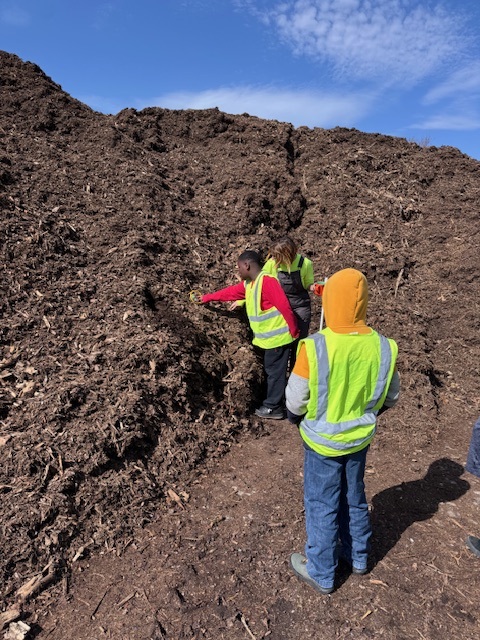
Credit: cswd.net
Alternative Composting Methods
Composting food scraps in winter can be tricky due to cold temperatures. Traditional outdoor compost piles slow down or stop. Alternative composting methods help continue recycling kitchen waste all year. These methods work well inside or in controlled environments. They keep the composting process active despite the cold season.
Indoor Composting Options
Indoor composting lets you recycle food scraps inside your home. Use a small bin or container with a lid to control smells. Add kitchen scraps like fruit and vegetable peels. Avoid meat and dairy to prevent pests and odors. Turn or mix the compost regularly to add air. Keep the bin in a warm spot like a kitchen counter. This helps speed up breakdown even in winter.
Some indoor compost systems include bokashi bins or electric composters. Bokashi uses fermentation to break down scraps quickly. Electric composters heat and mix waste for faster results. Both options fit small spaces and need little effort. They produce nutrient-rich material for houseplants or gardens once done.
Using Vermicomposting In Winter
Vermicomposting uses worms to turn food scraps into compost. Red wiggler worms are best for indoor bins. Keep the worm bin in a warm, dark place inside your home. Avoid cold garages or basements. Feed worms fruit and vegetable scraps but no meat or dairy. Worms break down scraps fast and create worm castings. These castings are rich in nutrients and great for plants.
Worm bins need moisture, air, and a balanced diet. Check the bedding and add dry leaves or paper if too wet. Harvest the worm castings every few months to feed plants. Vermicomposting is a clean, odor-free way to compost in winter. It fits well in apartments or homes without outdoor space.
Amish Composting Techniques
Amish composting techniques offer simple and effective ways to compost food scraps during winter. These traditional methods use natural materials and boosters to keep the compost warm. The process encourages steady decomposition, even in cold weather. Following these techniques helps maintain a healthy compost pile all winter long.
Layering With Natural Materials
The Amish start by layering food scraps with natural materials. They use straw, dry leaves, or hay as brown layers. These materials trap heat and provide insulation. Between the brown layers, they add green layers like vegetable scraps and grass clippings. This balance creates warmth and moisture needed for microbes. Layering also prevents odors and pests from invading the pile.
Using Manure And Ash Boosters
Manure is a key booster in Amish composting. It adds nitrogen that speeds up breakdown. They often mix horse or cow manure with food scraps. Ash from wood fires also helps by adding minerals and raising the pH. These boosters improve compost quality and keep microbes active during cold months. The combination of manure and ash ensures the compost stays healthy and fertile.

Credit: agwaycapecod.com
Frequently Asked Questions
How To Compost Food Scraps In The Winter?
Compost food scraps in winter by layering them under insulating materials like leaves or straw. Use black bags or hay bales around the bin for extra warmth. Create a windbreak with a tarp to protect your compost. Start a pre-compost bucket indoors to reduce cold trips outside.
What Three Items Should Not Be Placed In A Compost Pile?
Do not place meat, dairy, or oils in compost as they attract pests and smell bad. Avoid diseased plants to prevent spreading pathogens. Keep plastics and non-biodegradables out since they don’t decompose and contaminate soil.
How Do Amish Compost?
Amish compost by layering organic materials like manure, leaves, and kitchen scraps. They turn piles regularly for aeration and nutrient balance.
What Is The Laziest Way To Compost?
The laziest way to compost is using a simple compost bin. Toss kitchen scraps and yard waste inside. Stir occasionally. Let nature break it down. No need to turn often or monitor moisture closely. This method requires minimal effort and still produces nutrient-rich compost.
Conclusion
Composting food scraps in winter is simple with the right steps. Keep your compost warm by adding extra layers like straw or leaves. Use a pre-compost bucket to reduce trips outside. Avoid adding meat, dairy, or diseased plants to prevent pests and bad smells.
Protect your pile from wind and cold with a tarp or windbreak. With patience, your scraps will turn into rich soil by spring. Start small and watch your winter compost grow healthy and strong.