

Sow thistle can quickly take over a lawn or garden, turning healthy soil into a patch of prickly weeds. You pull it up one week, and by the next, it’s back—sometimes even thicker. Many people struggle with sow thistle weed because it grows fast and spreads seeds everywhere. If you want to get rid of sow thistle, you need more than just basic tips. You need a plan that works for your yard, your climate, and the level of infestation you’re dealing with. This guide will walk you through effective, practical methods and offer insights that most beginners miss. Whether you’re a homeowner, gardener, or farmer, you’ll learn how to control and prevent sow thistle for good.
Understanding Sow Thistle Weed
Before attacking sow thistle, it’s important to know what you’re up against. Sow thistle (Sonchus spp.) is a common broadleaf weed found in gardens, lawns, farms, and even roadside areas. There are two main types: annual sow thistle (Sonchus oleraceus) and perennial sow thistle (Sonchus arvensis). Both types have bright yellow flowers that look like dandelions and can grow up to 5 feet tall.
Sow thistle spreads mainly by seeds, but the perennial type also grows from pieces of root left in the soil. One plant can produce up to 25,000 seeds, which the wind can carry far. Seeds can stay in the ground for years and still grow when conditions are right.
This is why sow thistle often comes back even after you remove it.
Besides spreading easily, sow thistle adapts to many environments. It can survive in poor soil, dry spots, and places with low nutrients. Even if you think your soil isn’t attractive to weeds, sow thistle can find a way to thrive.
If you have disturbed soil from digging, construction, or heavy foot traffic, sow thistle often appears first.
Key Features
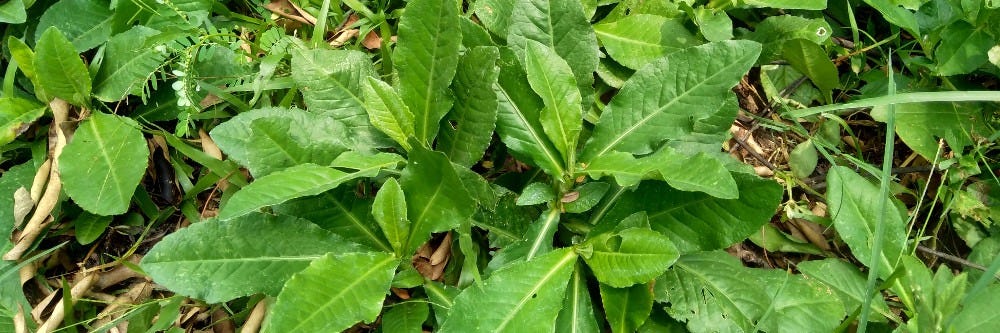
- Leaves are soft, spiny, and often have a milky sap.
- Roots can grow deep, especially in perennial types.
- Flowers produce fluffy seeds that blow away easily.
- Stems are hollow and can be brittle in mature plants.
Why It’s A Problem
Sow thistle is not just ugly. It competes with garden plants for water and nutrients, attracts aphids, and can reduce crop yields by up to 40% in severe cases. The plant also releases chemicals that stop other seeds from sprouting nearby—a process called allelopathy.
If you let sow thistle stay, you may also see more pests in your garden. Aphids and other insects like to gather on sow thistle, which can lead to infestations on your vegetables or flowers. Sometimes, sow thistle can even host diseases that then spread to other plants.
Identifying Sow Thistle: Mistakes To Avoid
Many people mistake sow thistle for dandelions or prickly lettuce. Here’s how to tell them apart and avoid wasting time on the wrong weed.
Sow Thistle Vs. Dandelion
| Feature | Sow Thistle | Dandelion |
|---|---|---|
| Leaf Edge | Spiny, soft, irregular | Smooth, deeply toothed |
| Flower Stem | Branched, tall | Single, short |
| Latex (Sap) | Milky, sticky | Milky, less sticky |
Sow thistle leaves often point upward and may be slightly shiny, while dandelion leaves grow flat on the ground. Dandelions usually bloom earlier in spring, while sow thistle can bloom multiple times through the growing season.
Common Mistakes
- Pulling only the leaves: The root will regrow.
- Cutting with a mower: This spreads seeds if flowers have formed.
- Ignoring young plants: Small seedlings are easier to remove than mature thistles.
- Confusing sow thistle with other weeds: Prickly lettuce looks similar but has tougher leaves and a taller, thinner stem. It’s important to check the leaf shape and stem before removing.

Credit: www.youtube.com
How Sow Thistle Grows And Spreads
Knowing the life cycle of sow thistle helps you attack at the right time.
Seed Germination
Seeds sprout when soil is warm and moist—usually in spring and fall. Some seeds germinate in early summer if the weather is mild.
Sow thistle seeds don’t need much soil coverage to sprout. Just a thin layer of soil or mulch is enough to start growth. They can also germinate in cracks, borders, or between paving stones, making them hard to spot early.
Rapid Growth
Sow thistle grows quickly. In just a few weeks, it can go from a small rosette to a tall, flowering plant.
Young sow thistle plants form a rosette—a circle of leaves close to the ground. Once the plant gets enough sunlight and water, it sends up a tall stem and starts producing buds. The speed of growth depends on soil, weather, and competition from other plants.
Seed Production
A single plant can release thousands of seeds in late spring and again in late summer. Wind, animals, and water spread seeds over large areas.
Seeds are light and have fluffy “parachutes” that help them travel far. If you have pets or wildlife, they might carry seeds on their fur or feet. Even heavy rain can wash seeds into new spots.
Root Growth
Perennial sow thistle forms thick, spreading roots. If you break the root while pulling, each piece can grow into a new plant.
Roots can grow horizontally, reaching several feet from the original plant. This is why patches of sow thistle often grow in circles or clusters. If you dig up a plant and leave a small root piece behind, it can sprout again within weeks.
Best Times To Control Sow Thistle
Timing matters. The most effective time to control sow thistle is when the plant is young and before it flowers.
- Early Spring: Remove seedlings before roots get deep.
- Late Fall: Target perennial roots when plants store energy underground.
- After Rain: Soil is softer, so roots come out easier.
Waiting until summer or after flowering makes the job much harder.
If you have a mild winter, sow thistle may stay green and keep growing slowly. In these cases, checking for weeds during winter can help you find and remove them before the spring rush.

Credit: www.reddit.com
Manual Removal Methods
Physical removal is the best starting point for most gardens and small lawns. It’s chemical-free, safe, and works well if you’re consistent.
Hand Pulling
Pulling sow thistle by hand works best when the soil is damp. Grip the plant at the base and pull gently to get as much root as possible. For perennial types, use a trowel or weeding fork to dig deep and remove the whole root.
If you have many weeds, try breaking up your task over several days. Start with the biggest plants and work toward the smaller ones. This helps you stay motivated and reduces soil disturbance.
Digging Tools
Special tools help remove roots without breaking them:
- Weeding fork: Loosens soil around the root.
- Dandelion digger: Reaches deep roots.
- Garden knife: Cuts under the root for tough soil.
Using the right tool makes it easier to remove roots without hurting nearby plants. If you have clay or rocky soil, try watering the area first to soften the ground.
Tips For Success
- Remove weeds before they flower.
- Collect all plant parts; even small pieces can regrow.
- Wear gloves to protect your hands from spines and sap.
- Shake off excess soil from roots, but don’t leave root pieces behind.
Common Mistakes
- Leaving roots in the ground.
- Disturbing soil too much, bringing more seeds to the surface.
- Composting seed heads—this can spread seeds if the pile doesn’t get hot enough.
Some gardeners dig up weeds and leave them in piles nearby. This can be risky because seeds can blow away. Always bag or burn sow thistle if you’re not sure your compost is hot enough.
Mulching For Prevention
Mulch stops sunlight from reaching sow thistle seeds, preventing them from sprouting.
Best Mulch Materials
- Wood chips: Last long and look neat.
- Straw or hay: Good for vegetable gardens.
- Compost: Blocks weeds and improves soil.
Spread mulch 2-4 inches thick around plants and over bare soil. Reapply as needed, especially after heavy rain.
If you’re mulching around trees or shrubs, keep mulch away from the trunk to avoid rot. For flower beds, use finer mulch for a smoother look.
Non-obvious Insight
Many people use too little mulch. Thin layers let light through and won’t block sow thistle. Always check for gaps after windy days or pet activity.
It’s also important to refresh mulch at least once a year. Over time, mulch breaks down and thins out, opening space for sow thistle to sprout. Consider adding a fresh layer each spring.
Smothering And Solarization
For large infestations, smothering or solarizing an area can kill both plants and seeds.
Smothering
Cover the area with cardboard, thick newspaper, or black plastic. Overlap the edges to keep out sunlight. Leave the cover in place for 6-8 weeks.
If you’re smothering a garden bed, you can plant directly into the cardboard after it breaks down. This not only kills weeds but also improves soil health.
Solarization
In hot climates, clear plastic sheeting works best. Water the soil, cover it tightly, and leave it for 4-6 weeks during summer. Heat builds up under the plastic, killing seeds and roots.
Solarization works best when the soil is moist and the plastic is tight against the ground. Use rocks or soil to hold the edges down. The heat can reach up to 140°F (60°C) under the plastic, killing even deep roots.
When To Use
- Smothering is best for garden beds and around trees.
- Solarization works for open areas and future planting spots.
If you have trouble areas where weeds keep returning, try combining smothering and solarization for better results.
Effective Herbicide Use
Sometimes, manual and natural methods aren’t enough—especially for large patches or hard-to-reach roots. Herbicides can help, but they must be used carefully.
Choosing The Right Herbicide
There are two main types:
- Systemic herbicides: Travel inside the plant and kill roots (e.g., glyphosate).
- Contact herbicides: Kill only the parts they touch (e.g., vinegar-based sprays).
Systemic herbicides are better for perennial sow thistle, as they target the deep roots.
Some herbicides are selective, meaning they only kill broadleaf weeds and not grass. If you have sow thistle in your lawn, look for selective herbicides so you don’t damage your grass.
Application Tips
- Spray only on sow thistle—avoid hitting your garden plants.
- Apply when the plant is actively growing (not during drought).
- Don’t spray before rain; water will wash the chemical away.
- Always follow the label for safety and dosage.
- Wear protective clothing, and avoid spraying on windy days.
If you use a sprayer, clean it well after each use. Residual herbicide can harm sensitive plants if you use the sprayer for other garden jobs.
Table: Systemic Vs. Contact Herbicides
| Herbicide Type | How It Works | Best For | Drawbacks |
|---|---|---|---|
| Systemic | Moves through plant to roots | Perennial sow thistle, deep roots | Can harm nearby plants if misapplied |
| Contact | Kills on contact only | Young, annual sow thistle | May require repeat treatments |
Non-obvious Insight
Most people spray too late—after flowers form. Herbicides work best on young, green leaves before flowering. Also, using more herbicide than the label says doesn’t make it work better; it just wastes money and can damage your soil.
If you’re treating a lawn, spot-spraying is safer than blanket spraying. This targets sow thistle directly and reduces risk to other plants.
Organic And Natural Control Methods
If you prefer not to use chemicals, there are several natural ways to fight sow thistle.
Vinegar Solution
Household vinegar (5% acetic acid) can burn young sow thistle, but stronger horticultural vinegar (20%) works better. Spray on a sunny day for best results.
- Only effective on seedlings and young plants.
- Won’t kill deep roots, so repeat as needed.
For a homemade spray, mix vinegar with a small amount of dish soap. The soap helps the vinegar stick to leaves. Repeat every few days until you see results.
Boiling Water
Pour boiling water directly on sow thistle. This method is safe for cracks in pavement or gravel, but not for use around wanted plants.
Boiling water kills both leaves and roots if applied carefully. It’s a quick fix for small areas, but you may need several treatments for stubborn patches.
Corn Gluten Meal
This acts as a pre-emergent herbicide. It stops sow thistle seeds from sprouting but won’t harm established plants. Apply in early spring for lawns and beds.
Corn gluten meal also feeds your lawn and can improve grass growth. It needs rain or watering to activate, so check weather forecasts before applying.
Cover Crops
Planting fast-growing cover crops (like clover or rye) can shade out sow thistle and improve soil health. This method works well in vegetable gardens or bare spots.
Cover crops add organic matter to the soil, making it harder for sow thistle to compete. Try planting cover crops in rotation with vegetables or flowers.
Maintaining A Healthy Lawn Or Garden
Healthy, dense lawns and gardens leave little room for sow thistle to take hold.
Lawn Care Tips
- Mow high: Keep grass at least 3 inches tall to shade the soil.
- Fertilize properly: Use the right amount at the right time for your grass type.
- Water deeply and less often: Promotes deeper roots for lawn, making it harder for weeds to invade.
- Overseed bare spots: Fill thin areas to crowd out weeds.
- Aerate compacted soil so grass roots grow deeper and stronger.
Garden Care
- Use crop rotation to prevent weed buildup.
- Don’t over-till, which brings seeds to the surface.
- Plant close together for natural weed control.
- Mulch regularly between rows or plants.
When planting new beds, choose varieties known for their weed resistance or dense foliage. This reduces the chance for sow thistle to take hold.
Table: Lawn Density Vs. Weed Infestation
| Lawn Density | Weed Pressure | Recommended Action |
|---|---|---|
| Thick, healthy | Low | Regular mowing, fertilizing |
| Thin, patchy | High | Overseed, improve soil health |
Long-term Prevention Strategies
Getting rid of sow thistle once isn’t enough. For lasting results, you need to stop new seeds from growing and roots from spreading.
Preventing Seed Spread
- Remove flowers as soon as they appear.
- Clean mower blades and garden tools after use.
- Avoid bringing in contaminated soil or compost.
- Check shoes, pets, and clothes after working in infested areas.
If you live near open fields or parks, sow thistle seeds may blow in from outside your property. Installing windbreaks or dense hedges can help reduce seed drift.
Soil Management
- Keep soil covered with plants or mulch year-round.
- Improve drainage in heavy soils (sow thistle loves wet spots).
- Test soil pH; sow thistle prefers neutral to slightly alkaline soil. Lower pH with sulfur if needed.
- Add organic matter to improve soil structure and reduce compaction.
Healthy soil supports strong plant roots, making it harder for sow thistle to compete.
Regular Inspections
Walk your lawn or garden every two weeks. Spot and remove new sow thistle before it spreads. This step is often skipped, but it makes a big difference.
For larger properties, keep a weed log and mark locations on a map. This helps track progress and target trouble spots.
Neighbor Cooperation
Seeds travel easily. Talk with neighbors or community gardeners about weed control. Coordinate efforts for better results.
Consider sharing tips, tools, or mulch with neighbors. A combined approach can cut down on sow thistle across the whole area.
Common Myths About Sow Thistle Control
With so much advice online, it’s easy to fall for myths. Here are a few to avoid:
- “Mowing alone will kill sow thistle.” Mowing only removes the top; roots stay alive.
- “One herbicide treatment is enough.” Many plants regrow, especially perennials.
- “All mulch stops weeds.” Thin or poor-quality mulch won’t block aggressive weeds.
- “You can compost all weeds.” Seeds and roots need high heat to die—most home piles aren’t hot enough.
- “Sow thistle dies in winter.” In mild climates, it can survive and regrow in spring.
Monitoring And Re-treatment
Even after you clear an area, monitor it for new growth. Sow thistle seeds can lie dormant for years. Be patient and consistent.
- Mark trouble spots on a garden map.
- Keep records of what methods worked and when you treated.
- Reapply control methods as soon as new sow thistle appears.
- Inspect after major weather events, like heavy rain or wind, which can spread seeds.
If you see sow thistle returning in the same area, try changing your control method. Sometimes, switching from manual removal to mulch or herbicide makes a big difference.
When To Call A Professional
If sow thistle has taken over a large area, or if you have tried everything with no success, professional help may be needed. Weed control companies have access to commercial-grade herbicides and know how to apply them safely.
- Large lawns, farms, or pastures often benefit from expert management.
- Professionals can test your soil and recommend the best approach for your situation.
- If you’re planning a new garden or landscape, ask for a weed prevention plan before planting.
Environmental Considerations
Every method has its environmental impact. Here’s how to reduce harm:
- Use chemicals only as a last resort.
- Avoid spraying near water bodies or wildlife habitats.
- Use mulches and barriers made from natural, biodegradable materials.
- Dispose of weeds safely—do not dump them in wild areas.
If you want to learn more about the science behind weed control, check out this resource from the USDA Agricultural Research Service.
Frequently Asked Questions
What Is The Difference Between Sow Thistle And Dandelion?
Sow thistle and dandelion look similar but have key differences. Sow thistle has spiny, soft leaves and branched flower stems, while dandelion leaves are smooth and flower stems are single. Sow thistle also grows taller and produces more seeds.
Can Sow Thistle Be Composted?
It’s risky to compost sow thistle, especially if it has seeds or root pieces. Most home compost piles don’t get hot enough to kill all seeds. Only compost sow thistle if you’re sure your pile reaches at least 140°F (60°C) for several days.
How Long Do Sow Thistle Seeds Stay Viable In The Soil?
Sow thistle seeds can stay viable for up to five years in the soil. This means you may see new plants appear for several seasons after your first removal effort. Regular monitoring is necessary to keep the weed in check.
Is Sow Thistle Harmful To Pets Or Livestock?
Sow thistle is not highly toxic to most pets or livestock, but it can cause digestive upset if eaten in large amounts. The milky sap may irritate skin in sensitive animals. Always remove weeds from grazing areas if you’re unsure.
What Is The Fastest Way To Get Rid Of Sow Thistle?
The fastest way is to pull young plants after rain, when the soil is soft, and follow up with a targeted herbicide if roots remain. Removing flowers before they seed and keeping mulch thick will prevent new growth.
Getting rid of sow thistle takes effort, but it’s possible with the right approach. Start early, use multiple methods, and stay consistent. Over time, you’ll see fewer weeds and a healthier lawn or garden. The key is patience and regular action—don’t let up, and sow thistle will lose the fight.
Credit: www.solutionsstores.com