
Gardening is more than just putting seeds in the soil and hoping for a good harvest. For many, a vegetable garden is a small sanctuary—a place to grow fresh food, save money, and enjoy nature. However, nothing frustrates gardeners more than seeing healthy plants suddenly covered in holes, wilting, or disappearing overnight.
The main suspects? Pests. From tiny aphids to stubborn rabbits, pests can quickly ruin months of hard work. The good news is that you can protect your vegetable garden with smart strategies that work for both new and experienced gardeners.
In this guide, you’ll learn how to keep your vegetables safe without using harmful chemicals or making things too complicated.
Understanding Common Garden Pests
Before you plan how to defend your garden, it helps to know your enemy. Not all garden pests are the same, and each one causes damage in its own way.
Insects
Some of the most common garden pests are insects. They come in all shapes and sizes, and many are very good at hiding. Here are a few you might meet:
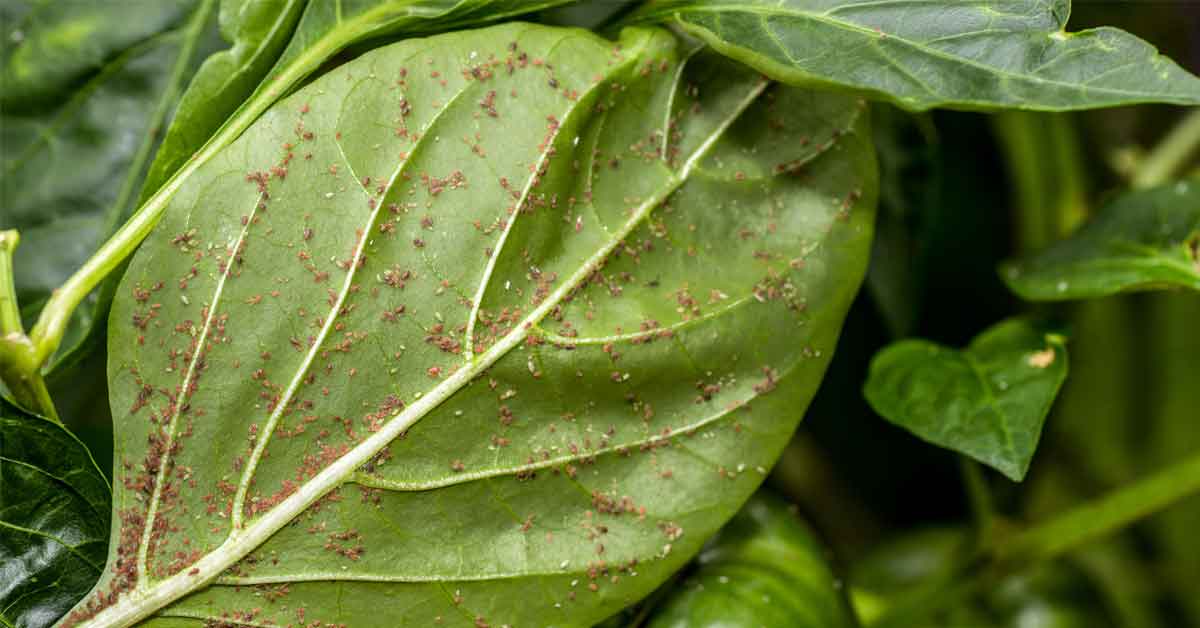
- Aphids: Small, soft-bodied bugs, often green or black, that suck sap from leaves and stems. Aphids multiply quickly.
- Caterpillars: The larval stage of butterflies and moths. They chew large holes in leaves and can strip a plant overnight.
- Whiteflies: Tiny, white, flying insects found on the underside of leaves. They weaken plants by sucking sap and can spread diseases.
- Cabbage worms: Green caterpillars that attack cabbage, broccoli, and related plants, making leaves look ragged.
- Squash bugs: Brownish-gray bugs that feed on squash and pumpkin vines, causing leaves to wilt.
Animal Pests
Larger pests can also be a problem, especially in gardens near wild areas.
- Rabbits: These animals love to nibble young shoots and leafy greens. They often eat entire plants to the ground.
- Deer: In rural or suburban areas, deer may jump fences to eat almost anything, especially tender leaves and fruits.
- Moles and voles: These diggers can damage roots and sometimes eat bulbs or seeds.
- Birds: Many birds go after ripening fruits, corn, and seedlings.
Fungal And Bacterial Threats
Not all pests are animals. Some are diseases caused by fungi or bacteria, which can weaken or kill plants. These often show up as spots, wilting, or mold. While not the focus of this article, disease prevention also helps keep pests away since weak plants attract more bugs.
Integrated Pest Management (ipm): A Smart Approach
Gardeners often think the best way to stop pests is by using strong pesticides. But this can harm bees, butterflies, pets, and people. Instead, Integrated Pest Management (IPM) is a safer and smarter way. IPM combines different methods to control pests with the least harm to the environment.
Key parts of IPM:
- Monitoring: Regularly check your plants for signs of pests before they become a big problem.
- Prevention: Use strategies to stop pests from coming in the first place.
- Physical Controls: Remove pests by hand or use barriers.
- Biological Controls: Let good insects or animals eat the bad ones.
- Chemical Controls: Use safe sprays only when needed, and choose the least toxic options.
IPM is not about one magic solution. It’s about using many small actions together to keep your garden healthy.
Preventing Pests Before They Arrive
The best defense is a strong offense. Keeping your garden healthy and unwelcoming to pests makes a big difference.
Choose Resistant Varieties
Many seed companies now offer pest-resistant vegetable varieties. These are plants bred to fight off certain pests or diseases naturally. For example, some tomatoes resist wilt, and some beans resist beetles. Always read labels and ask local garden centers for advice.
Healthy Soil Equals Healthy Plants
Strong plants are less likely to get sick or attacked by pests. Build healthy soil by:
- Adding compost or well-rotted manure
- Rotating crops every year (don’t plant the same family in the same spot)
- Testing soil pH and nutrients (kits are cheap and easy to use)
- Keeping soil covered with mulch to prevent weeds and keep roots cool
Proper Plant Spacing
Overcrowded plants compete for light and air, creating damp conditions that pests and diseases love. Follow seed packet instructions for spacing. Good airflow makes leaves dry faster and keeps bugs away.
Keep The Garden Clean
Dead leaves, weeds, and old vegetables attract pests. Remove plant debris at the end of each season, and pull weeds regularly. Dispose of infested plants by burning or trashing, not composting.
Attract Beneficial Insects
Not all insects are bad. Ladybugs, lacewings, and spiders eat aphids and other pests. Plant flowers like marigolds, dill, and alyssum to bring in these helpful bugs.
Physical Barriers: Simple, Effective Protection
Sometimes, the easiest way to stop pests is by keeping them out with a physical barrier.
Row Covers
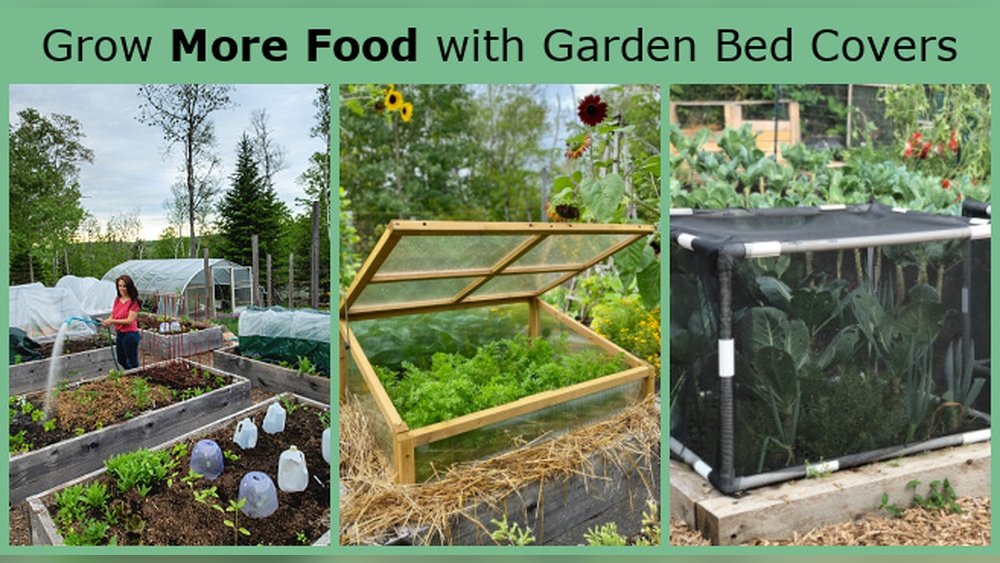
Row covers are light fabrics placed over plants. They let sunlight and water through but keep bugs out. They are great for protecting seedlings and leafy greens from aphids, beetles, and even birds.
Netting And Fencing
Netting can protect fruit crops from birds and butterflies. For larger animals like rabbits or deer, fencing is often needed. Bury the bottom of the fence several inches deep to stop burrowing animals.
Collars And Traps
Place collars (like cut pieces of plastic bottles) around young plants to keep cutworms and slugs away. You can also use traps for slugs and snails—simple beer traps attract and drown them.
Here’s a simple comparison of common physical barriers:
| Barrier Type | Pests Blocked | Best For | Downsides |
|---|---|---|---|
| Row Covers | Insects, birds | Seedlings, leafy greens | Must remove for pollination |
| Netting | Birds, butterflies | Berries, fruiting veggies | Can tangle plants |
| Fencing | Rabbits, deer | Large animal pests | Costly, needs maintenance |
| Collars | Cutworms, slugs | Young transplants | Labor-intensive for big gardens |

Credit: www.youtube.com
Organic And Natural Pest Control Methods
If pests show up despite your best efforts, there are natural ways to reduce their numbers without using harsh chemicals.
Hand-picking
For small gardens, simply picking off pests like caterpillars, beetles, and slugs by hand works well. Drop them into a bucket of soapy water. It’s not glamorous, but it’s effective.
Homemade Sprays
Some natural sprays can help control soft-bodied insects. Test any spray on a few leaves first.
- Soapy water: Mix 1–2 teaspoons of mild dish soap in 1 quart of water. Spray on aphids, whiteflies, and spider mites. Repeat every few days.
- Garlic or pepper spray: Blend garlic or hot peppers with water, strain, and spray on leaves. The smell deters many pests.
Neem Oil
Neem oil comes from the seeds of the neem tree. It disrupts insect feeding and reproduction but is safe for humans and pets when used as directed. It works on aphids, whiteflies, and powdery mildew. Do not spray in full sun—apply in the evening.
Diatomaceous Earth
Diatomaceous earth is a powder made from fossilized algae. Sprinkle it around plants to injure crawling insects like slugs and beetles. Reapply after rain.
Companion Planting
Some plants naturally repel pests or attract helpful insects. For example:
- Plant marigolds to deter nematodes and aphids.
- Grow basil near tomatoes to keep hornworms away.
- Mix onions and carrots to confuse carrot flies.
Trap Crops
A trap crop is a plant that attracts pests away from your main vegetables. For example, plant radishes near cucumbers to attract cucumber beetles. Remove and destroy trap crops once infested.
The table below shows some common companion plants and their benefits:
| Main Crop | Companion Plant | Pest Repelled | Additional Benefit |
|---|---|---|---|
| Tomato | Basil | Hornworm | Improves flavor |
| Cabbage | Dill | Cabbageworm | Attracts ladybugs |
| Carrot | Onion | Carrot fly | Saves space |
| Beans | Marigold | Aphids | Attracts pollinators |
Biological Pest Control
Letting nature do the work can be one of the easiest and most eco-friendly ways to control pests.
Beneficial Insects
Encourage or introduce insects that eat pests:
- Ladybugs eat aphids and mites.
- Lacewing larvae feed on aphids and whiteflies.
- Parasitic wasps lay eggs inside caterpillars, killing them.
You can buy these insects online or at some garden stores. Release them early in the season for best results.
Birds And Bats
Birds such as wrens and swallows eat many garden pests. Attract them by providing water, nesting boxes, and shrubs. Bats eat mosquitoes and moths. Installing a bat house can help reduce flying pests.
Nematodes
Beneficial nematodes are microscopic worms that kill soil-dwelling pests like grubs and root maggots. They are safe for plants and people.
Here’s a quick comparison of common biological controls:
| Biological Agent | Target Pest | Application Method | Considerations |
|---|---|---|---|
| Ladybugs | Aphids, mites | Release on plants | May fly away if no food |
| Lacewings | Aphids, whiteflies | Release larvae | Needs moist conditions |
| Parasitic wasps | Caterpillars | Hang cards or release adults | Works best in greenhouses |
| Beneficial nematodes | Grubs, root maggots | Mix with water, apply to soil | Soil must be moist |
When To Use Pesticides (and How To Do It Safely)
Sometimes, pests get out of control and you need extra help. Choose organic or least-toxic pesticides first. Always read the label and follow instructions.
Examples of safer options:
- Insecticidal soap: Kills soft-bodied insects by breaking down their outer shell.
- Bt (Bacillus thuringiensis): A bacteria that kills caterpillars but is safe for people and pets.
- Horticultural oils: Smother eggs and small insects.
Tips for safe use:
- Spray in the early morning or evening to protect pollinators.
- Avoid spraying on windy days.
- Only treat affected plants, not the whole garden.
- Rotate products to avoid resistant pests.
Remember, even organic sprays can harm beneficial insects and pollinators if overused.
Real-world Examples And Success Stories
Let’s look at how some gardeners have successfully protected their vegetable gardens from pests using these methods.
Example 1: Community Garden In Urban Area
In a city community garden, aphids were attacking kale and collards every spring. Instead of spraying chemicals, the gardeners introduced ladybugs and planted marigolds around the beds. They also checked plants twice a week and sprayed soapy water when aphids appeared. After two years, aphid outbreaks dropped by 70%, and pollinators increased.
Example 2: Suburban Backyard Garden
A family in the suburbs was losing tomatoes to hornworms and rabbits. They installed a 2-foot tall wire fence and used row covers on seedlings. They also planted basil and marigolds as companions. As a result, they only saw two hornworms all season and lost no plants to rabbits.
Example 3: Rural Market Garden
A market gardener growing squash and cucumbers faced problems with squash bugs and cucumber beetles. They used trap crops of blue hubbard squash and radishes, planted at the ends of rows. Once infested, the trap crops were removed and destroyed. This cut damage to the main crops by half, and yields increased.
These stories show that combining different methods works better than relying on one single approach.
Non-obvious Insights For Pest Management
While most guides focus on basic tips, there are some less-known tricks that experienced gardeners use.
- Watering in the morning: Wet leaves at night encourage fungi, which attract pests. Water early so leaves dry before sunset.
- Rotate pest families, not just crops: Many pests attack related plants. For example, don’t plant tomatoes, peppers, and potatoes (all in the nightshade family) in the same spot two years in a row.
- Use reflective mulches: Laying down silver or aluminum foil mulch can confuse flying pests like aphids and whiteflies. The reflected light makes it hard for them to find plants.
- Record pest problems in a garden journal: Writing down when and where you see pests helps you plan better defenses each year. Patterns often repeat.
- Don’t over-fertilize: Too much nitrogen makes plants tender and attractive to sucking insects. Balanced feeding keeps plants healthy but not too soft.
Dealing With Major Pest Outbreaks
Sometimes, despite your best efforts, a pest outbreak still happens. Here’s what to do:
- Act quickly: The sooner you respond, the less damage pests can do.
- Remove and destroy infested plants: Don’t compost them, as eggs or larvae can survive.
- Use a combination of methods: Hand-pick, spray, and use barriers together.
- Ask for help: Local garden centers, cooperative extensions, or master gardeners often have advice for your area.
Remember, total pest elimination is impossible. The goal is to keep damage low enough that your plants can still thrive and produce.
Credit: www.gardentech.com
The Role Of Weeds In Pest Control
Weeds are not just a nuisance—they often shelter pests. However, some weeds attract beneficial insects. For example, wild mustard and clover bring in ladybugs and lacewings. It’s a good idea to keep some flowering weeds on the edges of your garden, but never let them take over. Learn to identify which weeds are helpful and which are harmful.
Technology And Modern Pest Detection
Technology is changing how gardeners fight pests. There are now apps that identify bugs from photos, digital soil sensors that warn of high moisture (which attracts slugs), and solar-powered traps. While not always necessary, these tools can help if you have a large garden or want more data.
Some garden centers also offer sticky traps that turn color when pest numbers are high. These are useful for early warning.
For more about new pest control technology, you can check this resource: Wikipedia: Integrated Pest Management.
Practical Tips For Lasting Success
To sum up, keeping your vegetable garden safe from pests is a journey, not a one-time task. Here are some final tips:
- Walk through your garden every few days and look closely at plants.
- Mix and rotate the methods you use—don’t rely on just one.
- Learn what pests are common in your area and their life cycles.
- Be patient. Some years are worse than others, but you’ll learn as you go.
Success in pest management is not about having a bug-free garden, but about harvesting healthy vegetables and enjoying the process. Your garden will always have some pests, and that’s okay—as long as you keep their numbers under control.
Frequently Asked Questions
How Can I Tell Which Pest Is Damaging My Plants?
Look for clues like holes in leaves, slime trails, chewed stems, or tiny insects on the underside of leaves. Compare damage to photos in gardening books or apps. Sometimes, checking at night with a flashlight reveals pests that hide during the day.
Are Chemical Pesticides Safe For Vegetable Gardens?
Some are safer than others, but even organic pesticides can harm beneficial insects if overused. Always use the least-toxic product, follow instructions, and spray only when necessary. Wash vegetables before eating.
How Do I Keep Animals Like Rabbits And Deer Out?
Use fencing that’s at least 2 feet tall for rabbits and 6–8 feet for deer. Bury the bottom of the fence to stop digging. Motion-activated sprinklers or lights can also scare animals away.
Will Companion Planting Really Reduce Pests?
Yes, companion planting can repel pests or attract beneficial insects, but it works best when combined with other methods. Try different combinations to see what works in your garden.
What Should I Do If Nothing Seems To Work Against Pests?
If pests keep coming back, try combining several methods: physical barriers, biological controls, and safe sprays. Rotate crops, improve soil health, and ask local experts for advice. Sometimes, changing planting dates or varieties makes a big difference.
Protecting your vegetable garden from pests takes patience, observation, and a mix of strategies. With time, you’ll find what works best for your space and enjoy the rewards of a healthy, productive garden.

Credit: www.aboutthegarden.com.au