
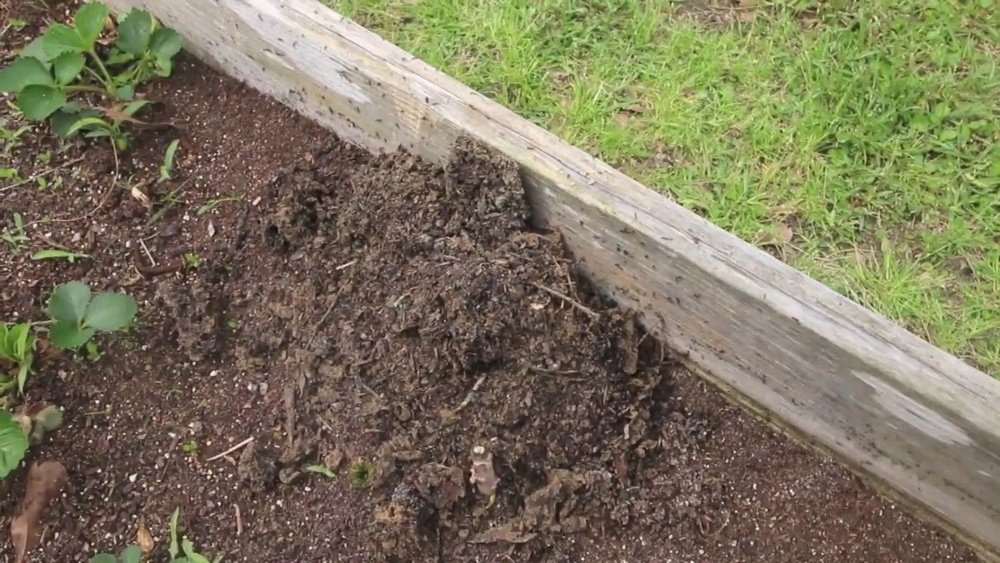
If you step outside and see lines of ants marching through your garden bed, you’re not alone. Ants are some of the most common insects found in gardens, and while a few ants may not seem like a problem, they can quickly become a big issue. Not only do ants sometimes protect pests like aphids, but they can also disturb plant roots, build nests in the soil, and even bite or sting. If you want a healthy, thriving garden, it’s important to know how to get rid of ants in your garden bed—without harming your plants, your soil, or the helpful creatures that share your garden space.
This guide will show you proven methods to control and remove ants, explain why they’re attracted to your garden, and help you choose the best solution for your situation. We’ll cover natural remedies, chemical treatments, and prevention strategies, all in simple steps.
You’ll also see what mistakes to avoid, and discover some insights even experienced gardeners sometimes miss. By the end, you’ll have a clear, confident plan to keep your garden beds ant-free and flourishing.
Why Ants Invade Garden Beds
Ants are everywhere, but they don’t always pick a garden bed for no reason. Understanding why ants choose your garden bed can help you stop future infestations.
Food Sources
Ants are always looking for food. In your garden, they may find:
- Honeydew from aphids or scale insects (a sweet liquid that ants love)
- Ripening fruits or leftover food scraps
- Seeds or plant sap
If you see both ants and aphids on your plants, the ants might be “farming” the aphids for their honeydew.
Shelter And Nesting
Loose, moist soil is perfect for ants to build their nests. Raised beds, mulch, and compost piles offer warmth and protection. Some ants prefer dry, sandy soil, while others like damp, rich earth.
Water
Ants need water to survive. A garden bed that’s watered regularly can attract them, especially during dry weather.
Protection
Ants often build their nests in spots that are safe from predators and harsh weather. The dense growth and cover in a garden bed offer excellent protection.
Are Ants Always Bad For Your Garden?
It’s easy to see ants and think they’re all bad, but it’s more complicated. Some ants help your garden by:
- Breaking down organic matter and improving soil structure
- Eating pests like caterpillars, fly larvae, or termites
- Pollinating some flowers
But when ants protect pests (like aphids), build large nests under roots, or bite, they become a problem. The key is to recognize when their presence is harmless and when it’s time to act.

Credit: www.reddit.com
Signs You Have An Ant Problem
Not every ant sighting is a crisis. Look for these signs to know when you need to take action:
- Large numbers of ants traveling in lines, especially near plant bases or roots
- Soil mounds or small heaps of fine soil in your bed
- Plants wilting or dying despite enough water—ant nests can disturb roots
- Sticky residue (honeydew) and clusters of aphids with ants crawling over them
- Ants inside fruits or vegetables, especially if you see holes or damage
Catching an infestation early makes it much easier to control.
Common Types Of Ants In Garden Beds
Knowing the type of ant can help you choose the best control method. Here are some common ants found in US gardens:
| Ant Type | Appearance | Behavior | Risk Level |
|---|---|---|---|
| Argentine Ants | Small, brown | Large colonies, protect aphids | High |
| Pavement Ants | Dark brown-black, small | Build nests under stones, mulch | Medium |
| Carpenter Ants | Large, black or red | Can tunnel into wood | High (if near house) |
| Fire Ants | Reddish, aggressive | Bite/sting, large mounds | Very High |
| Odorous House Ants | Small, dark brown/black | Release odor when crushed | Medium |
Fire ants and carpenter ants often require special attention. If you’re not sure, take a close photo and compare with online resources or ask a local garden center.
:max_bytes(150000):strip_icc()/How-to-control-ants-in-the-garden-1316071-V1-7730a7efe788416eb3889d3ff3469666.gif)
Credit: www.thespruce.com
Natural Ways To Get Rid Of Ants In Garden Beds
Many gardeners prefer natural ant control because it’s safer for plants, pets, and pollinators. These methods use common household items and simple steps. Most work best when you target the nest directly.
1. Boiling Water
Pouring boiling water over an ant nest can kill many ants instantly. Here’s how to do it safely:
- Boil at least 1-2 gallons of water.
- Pour it slowly over the nest entrance. Be careful not to splash yourself or nearby plants.
- Repeat if ants return.
Tip: Boiling water can also harm plant roots. Only use it on nests away from important plants.
2. Diatomaceous Earth
Diatomaceous earth (DE) is a powder made from fossilized algae. It works by drying out ants’ bodies.
- Sprinkle a thin layer of food-grade DE around ant trails and nest entrances.
- Avoid breathing the dust and keep it dry for best results.
- Safe for most plants, but reapply after rain.
3. Vinegar Solution
A simple vinegar spray can disrupt ant trails and kill ants on contact.
- Mix equal parts white vinegar and water in a spray bottle.
- Spray directly on ant trails, nest entrances, or affected plants.
- Vinegar can lower soil pH, so avoid overuse near acid-sensitive plants.
4. Citrus Peels
Ants dislike the smell of citrus oils.
- Place orange, lemon, or grapefruit peels on ant trails or near nests.
- You can also blend peels with water and pour the liquid over nests.
5. Soap And Water
A mixture of dish soap and water can suffocate ants and break up their trails.
- Mix 1 tablespoon of mild dish soap in 1 quart of water.
- Spray directly on ants and nest entrances.
- Repeat every few days until ants are gone.
6. Essential Oils
Some essential oils are natural ant repellents, especially peppermint, tea tree, and cinnamon oil.
- Add 10–15 drops of oil to 1 cup of water.
- Spray along ant trails and around the bed edges.
- Keep away from pets that may be sensitive to oils.
7. Baking Soda And Sugar
Baking soda kills ants when ingested, and sugar attracts them.
- Mix equal parts baking soda and powdered sugar.
- Place small amounts near nests and trails.
- The ants carry it to the nest, which helps reduce the colony.
8. Cornmeal
Ants are attracted to cornmeal, but they can’t digest it properly.
- Sprinkle cornmeal around ant nests.
- Ants eat it and share with the colony, which can disrupt their digestion.
9. Cinnamon
Ground cinnamon or cinnamon oil can disrupt ant trails and repel ants.
- Sprinkle cinnamon powder on ant trails or nest entrances.
- You can also use cinnamon sticks as a physical barrier.
10. Disrupt The Nest
Sometimes simply disturbing the nest repeatedly with a stick or garden fork can encourage ants to move away.
Non-obvious insight: Ants dislike frequent disturbance. If you dig into their nest every few days, many colonies will relocate to quieter spots.
Chemical Methods For Ant Control
If natural methods don’t work or the infestation is severe, chemical options may be necessary. Always use chemicals carefully, and follow package instructions exactly.
Ant Baits
Ant baits work by attracting ants, which then carry the poison back to the nest.
| Ant Bait Type | Main Ingredient | How It Works | Best For |
|---|---|---|---|
| Gel Baits | Borax, fipronil | Ants eat and share with colony | Argentine, pavement, odorous ants |
| Granular Baits | Hydramethylnon, abamectin | Sprinkle around nest, slow-acting | Fire ants, large colonies |
| Liquid Baits | Borax, sodium tetraborate | Ants drink and transport back | General use |
Tips:
- Place bait near trails, but not directly on the nest.
- Don’t use sprays at the same time, as they can repel ants from the bait.
- Keep away from children and pets.
Insecticidal Sprays
Sprays can kill ants on contact but usually don’t reach the queen or the nest. Use them only for spot treatment.
- Choose a garden-safe spray labeled for ants.
- Spray directly on visible ants and nest entrances.
- Avoid spraying flowers or vegetables you will eat soon.
Dusts And Granules
Some chemical dusts, like permethrin or carbaryl, can be sprinkled over nests. Use them only as a last resort and avoid overuse, as they can harm beneficial insects.
Protecting Your Plants And Soil Health
While removing ants, don’t forget your plants and soil. Some treatments—especially chemical ones—can harm earthworms, pollinators, and soil microbes.
Key strategies:
- Use targeted treatments instead of wide coverage.
- Avoid applying chemicals during bloom when pollinators are active.
- Water plants well before using any strong treatment.
- Rotate different control methods to avoid resistance.
Non-obvious insight: Overuse of ant killers can disrupt the natural balance. Sometimes, minor ant activity is less harmful than the damage caused by strong pesticides.
Preventing Ants From Returning
Getting rid of ants is only half the job. To keep them from coming back, make your garden bed less attractive.
Remove Food Sources
- Control aphids, mealybugs, and scale insects with natural predators or insecticidal soap.
- Clean up fallen fruit, leaves, and food scraps quickly.
- Store compost away from garden beds.
Change The Habitat
- Turn soil and mulch regularly to disturb nests.
- Use landscape fabric or thick mulch to block ants from reaching the surface.
- Trim plants so they don’t touch walls or other structures ants can climb.
Block Entry Points
- Seal cracks in raised bed frames.
- Use sticky barriers (like Tanglefoot) around plant stems if ants are climbing.
- Place copper strips or diatomaceous earth around the bed perimeter.
Water Carefully
- Avoid overwatering, which makes the bed more attractive to ants.
- Fix leaks in irrigation systems.
Encourage Natural Predators
Ladybugs, lacewings, and some birds eat ants or the pests ants protect. Creating a diverse garden encourages these natural allies.
Common Mistakes To Avoid
Even experienced gardeners make mistakes with ant control. Here are some to watch out for:
- Using too much pesticide: Kills beneficial insects and can harm soil health.
- Ignoring the root cause: If you don’t control aphids or clean up food, ants will return.
- Applying treatments at the wrong time: Spraying during rain or midday heat reduces effectiveness.
- Not targeting the nest: Spraying trails kills workers but leaves the queen alive.
- Mixing treatments: Using chemical sprays and baits together can make both less effective.
When To Call A Professional
Sometimes ant problems are too big for DIY solutions. If you have:
- Persistent fire ants that sting or bite
- Ants getting inside your house from the garden
- Very large nests that return after treatment
A licensed pest professional can identify the species and use stronger tools safely.
Comparing Natural And Chemical Ant Control
To help you decide which approach is best for your garden, here’s a quick comparison:
| Method | Effectiveness | Speed | Risk to Plants | Risk to Wildlife |
|---|---|---|---|---|
| Natural (boiling water, DE, vinegar, oils) | Medium-High (if persistent) | Medium | Low (if used carefully) | Low |
| Chemical Baits | High | Slow (days-weeks) | Low-Medium | Medium |
| Chemical Sprays/Dusts | High (immediate) | Fast | Medium-High | High |
Insight: Many gardeners find the best results by starting with natural methods and only using chemicals if needed.
Real-world Example: Getting Rid Of Ants Step-by-step
Let’s look at a simple, step-by-step plan for a typical garden bed with an ant problem:
- Identify the ant type and look for aphids or other pests.
- Remove food sources by trimming infested plants and cleaning up debris.
- Disturb the nest with a garden fork.
- Apply diatomaceous earth around the nest and along trails.
- Monitor for a week. If ants remain, try a vinegar spray or soap solution.
- If still persistent, use a targeted ant bait near the nest.
- Check back weekly and repeat as needed.
- Once ants are gone, keep up with prevention: Control aphids, tidy up, and turn the soil regularly.
The Role Of Ants In Garden Ecosystems
It’s worth remembering that ants are part of a larger ecosystem. While you may want to remove them from your garden bed, they have roles in nature:
- Soil aeration: Ant tunnels help water reach roots and improve soil structure.
- Decomposition: Ants help break down dead plant material.
- Predators: Some ants eat pest eggs and larvae.
Balance is key. Removing every ant is not realistic—or even desirable. The goal is to control their numbers and prevent damage, not wipe them out entirely.
Key Takeaways: How To Get Rid Of Ants In Garden Bed
- Identify the reason ants are attracted—often food, moisture, or shelter.
- Act early when you see signs of trouble.
- Try natural methods first: Boiling water, diatomaceous earth, vinegar, and essential oils.
- Target the nest, not just trails.
- Combine prevention with removal—control aphids, clean up, and disturb nests.
- Use chemicals as a last resort and follow all safety directions.
- Maintain balance: A few ants are not always bad, but large colonies need action.
If you need more detailed pest identification or advice, check expert sources such as the US Environmental Protection Agency.

Credit: www.youtube.com
Frequently Asked Questions
How Do I Get Rid Of Ants In My Vegetable Garden Without Harming My Plants?
Use natural methods like diatomaceous earth, vinegar spray, and essential oils. These are generally safe for plants when used as directed. Avoid pouring boiling water directly on plant roots, and always test sprays on a small leaf area first.
Why Do Ants Keep Coming Back After I Remove Them?
If you don’t remove the food sources (like aphids or fallen fruit) or disturb the nest regularly, ants can return. Make your garden less attractive by cleaning up, using barriers, and rotating control methods.
Are Ants Harmful To All Garden Plants?
No, most ants do not damage healthy plants directly. However, some species can disturb roots, build large mounds, or protect pests like aphids, which can harm your plants over time.
What Is The Fastest Way To Kill An Ant Nest In A Garden Bed?
Pouring boiling water on the nest is fast but risky for nearby plants. For a safer method, use targeted ant baits or diatomaceous earth, which work within days to a week.
Can I Use Commercial Ant Killers In An Organic Garden?
Some commercial baits use low-toxicity ingredients like borax and are suitable for organic gardens if used carefully. Always check the label and avoid harsh chemicals that can harm soil life and pollinators.
Getting rid of ants in your garden bed takes patience, the right tools, and a little bit of strategy. By understanding what attracts ants and how to control them safely, you can protect your plants, support healthy soil, and enjoy a more peaceful garden.