
A healthy lawn with fescue grass can look beautiful, but weeds can spoil its look and health. Many homeowners struggle to keep weeds away without damaging their fescue grass. This problem is common, but there are proven ways to control weeds and help your lawn thrive. If you want a green, weed-free yard, it helps to know both simple and expert methods. Let’s explore the most effective ways to kill weeds in a lawn with fescue grass, while keeping the grass strong.
Why Fescue Lawns Struggle With Weeds
Fescue grass is a cool-season grass. It grows best in spring and fall, but it can get thin or stressed in hot summers. Thin spots make it easy for weeds to grow. Some weeds, like crabgrass and dandelions, love the same conditions as fescue.
Another challenge is that many common herbicides can hurt fescue. So, you need to be careful when choosing weed killers. Also, mowing too short or watering too little makes fescue weak, helping weeds take over.
Identify The Weeds In Your Lawn
Before you treat weeds, you should know what kind you have. Not all weed killers work for all weeds. Weeds fall into three main types:
- Broadleaf weeds (like dandelions, clover, chickweed)
- Grassy weeds (like crabgrass, foxtail)
- Sedges (like nutsedge)
Look at the leaf shape and growth pattern. If you’re not sure, take a photo and compare it to an online weed guide or ask a garden center expert.

Credit: bonide.com
Best Methods To Kill Weeds In Fescue Lawns
1. Manual Removal
Pulling weeds by hand is safe for fescue grass and works well for small areas. Use a weeding tool to get the roots. This prevents the weed from growing back.
Tip: Pull weeds after rain, when the soil is soft. This makes it easier to remove the whole root.
2. Use Selective Herbicides
Selective herbicides kill weeds but do not harm fescue grass. Always choose products labeled “safe for fescue. ” These usually target broadleaf weeds.
- For broadleaf weeds, use a 2,4-D, MCPP, and dicamba mix.
- For crabgrass, use a product with quinclorac.
Read all instructions carefully. Spray only on the weeds, not the whole lawn. Avoid treating during very hot weather, as this can stress the fescue.
3. Apply Pre-emergent Herbicides
Pre-emergent herbicides stop weed seeds from growing. The best time to apply is early spring before weed seeds sprout. This is key for controlling crabgrass and annual weeds.
- Apply when soil temperature is about 55°F (13°C) for 2-3 days.
- Water your lawn lightly after applying, so the product enters the soil.
4. Improve Lawn Health
A thick, healthy lawn naturally crowds out weeds. Fescue needs special care:
- Mow at 3–4 inches. Tall grass shades out weed seeds.
- Water deeply, but not often. Fescue likes 1–1.5 inches of water per week.
- Fertilize in fall and spring. Use a slow-release fertilizer made for fescue.
5. Spot Treatment
For a few stubborn weeds, use a spot sprayer. This targets the weed and avoids harming the lawn. Some products come in ready-to-use bottles.
6. Avoid Common Mistakes
Many people treat the whole lawn with strong chemicals. This can hurt your grass. Others mow too short, which weakens fescue. Here’s how to avoid these errors:
- Never mow fescue below 2.5 inches.
- Don’t over-fertilize. Too much nitrogen helps weeds.
- Don’t water at night—this causes disease.
Comparing Herbicide Options
Choosing the right weed killer is important. Here’s a quick comparison of popular options for fescue lawns:
| Herbicide Type | Targets | Safe for Fescue? | Best Use Time |
|---|---|---|---|
| Selective (2,4-D mix) | Broadleaf weeds | Yes | Spring/Fall |
| Quinclorac | Crabgrass, some broadleaf | Yes | Late Spring |
| Pre-emergent (dithiopyr) | Annual grassy weeds | Yes | Early Spring |
| Non-selective (glyphosate) | All weeds & grass | No | Spot treatment only |
Lawn Care Practices That Prevent Weeds
Prevention is better than cure. Simple practices can make a big difference:
- Overseed thin areas in fall. Fescue germinates best in cool weather.
- Keep mower blades sharp for a clean cut.
- Remove thatch if it’s thicker than ½ inch.
- Rotate mowing patterns to avoid soil compaction.
Example: Real Results With Proper Care
One lawn owner in North Carolina had a fescue yard with heavy dandelion and clover growth. By following a simple plan—applying pre-emergent in early spring, mowing high, and spot-treating weeds—he reduced weeds by over 80% in one year. Thickening the lawn with overseeding in fall helped crowd out new weeds.
Costs And Effort: What To Expect
Managing weeds in fescue is not expensive, but it takes regular effort. A 32-ounce selective herbicide costs about $15–$25 and treats most average lawns for a season. Pre-emergent products are about the same price. Manual weeding is free, but takes more time.
| Weed Control Method | Average Cost (per season) | Effort Level |
|---|---|---|
| Manual Pulling | $0 | High |
| Selective Herbicide | $20 | Medium |
| Pre-emergent | $20 | Low |
| Professional Service | $150–$300 | Low |
Non-obvious Tips Most Beginners Miss
- Read the weather forecast before spraying herbicides. Rain within 24 hours can wash chemicals off weeds, making them less effective.
- Check your soil pH. Fescue likes a pH of 6.0–6.5. Out-of-balance soil encourages weeds. You can get your soil tested at local extension offices.
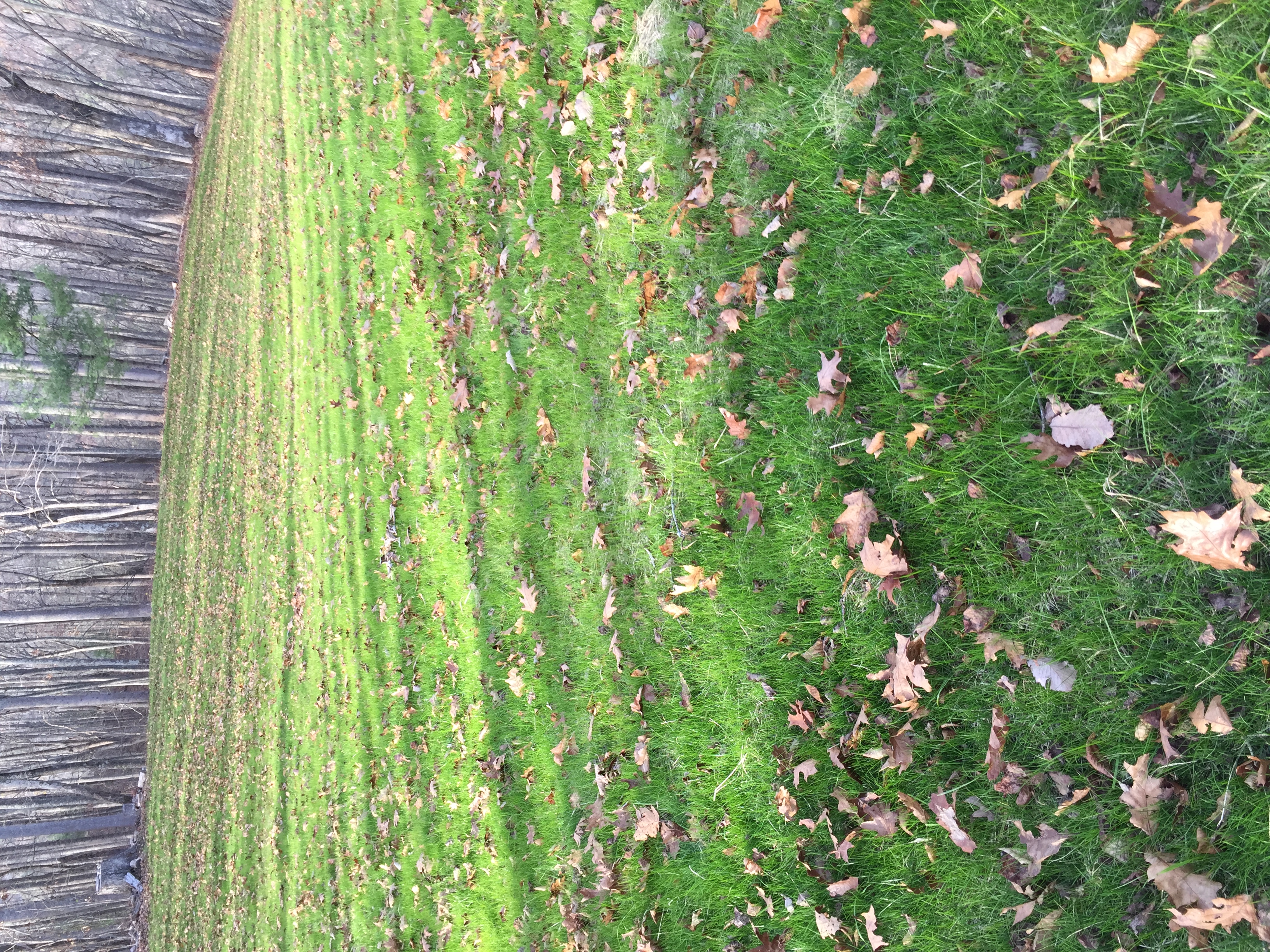
Credit: henderson.ces.ncsu.edu
When To Call A Professional
If you have a large area or hard-to-kill weeds (like wild violets or nutsedge), a pro may be needed. Professionals can use stronger, targeted products not found in stores. They also know how to avoid damage to your fescue grass.
For more details about weed science and control, visit the Weed Control Wikipedia page.
Frequently Asked Questions
How Soon After Applying Weed Killer Can I Mow My Fescue Lawn?
Wait at least 2–3 days after spraying weed killer. This gives the product time to absorb into the weeds for best results.
Can I Seed My Fescue Lawn After Using A Pre-emergent Herbicide?
No. Pre-emergent stops all seeds from growing, including grass seed. Wait at least 8–12 weeks after applying before overseeding fescue.
Will Vinegar Or Boiling Water Kill Weeds In Fescue Grass?
These methods can kill weeds, but they also harm fescue. Use them only on cracks or places with no grass.
What Is The Safest Weed Killer For Pets And Children?
Once dried, most selective herbicides are safe. Keep pets and kids off the lawn until the product dries completely.
Why Does Mowing Higher Help Control Weeds In Fescue Lawns?
Taller fescue shades the soil, making it hard for weed seeds to sprout. It also helps fescue grow deeper roots, making your lawn stronger.
A weed-free fescue lawn is possible with the right approach. Focus on healthy grass, use correct weed control methods, and stay consistent. Soon, you’ll enjoy a lush, green yard without unwanted weeds.

Credit: www.youtube.com