
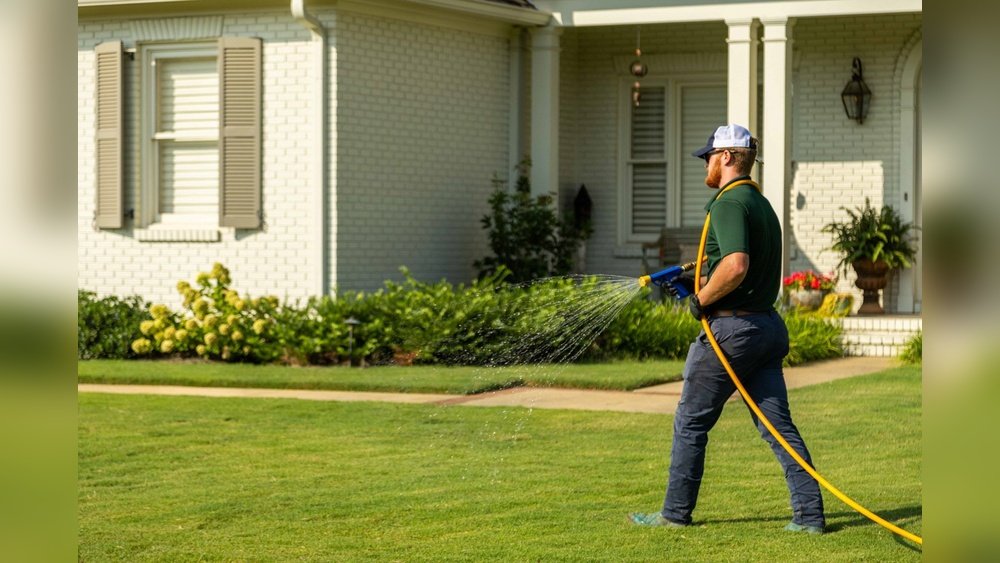
Are stubborn weeds taking over your lawn and making it look less than perfect? You want a lush, green yard that’s free of unwanted plants—but how do you get rid of weeds without harming your precious grass?
The good news is, it’s possible to control weeds effectively while keeping your lawn healthy and vibrant. You’ll discover simple, proven methods to target weeds safely, from selective herbicides to natural remedies and smart lawn care practices. Keep reading to learn how you can protect your grass and win the battle against weeds once and for all.
Selective Herbicides
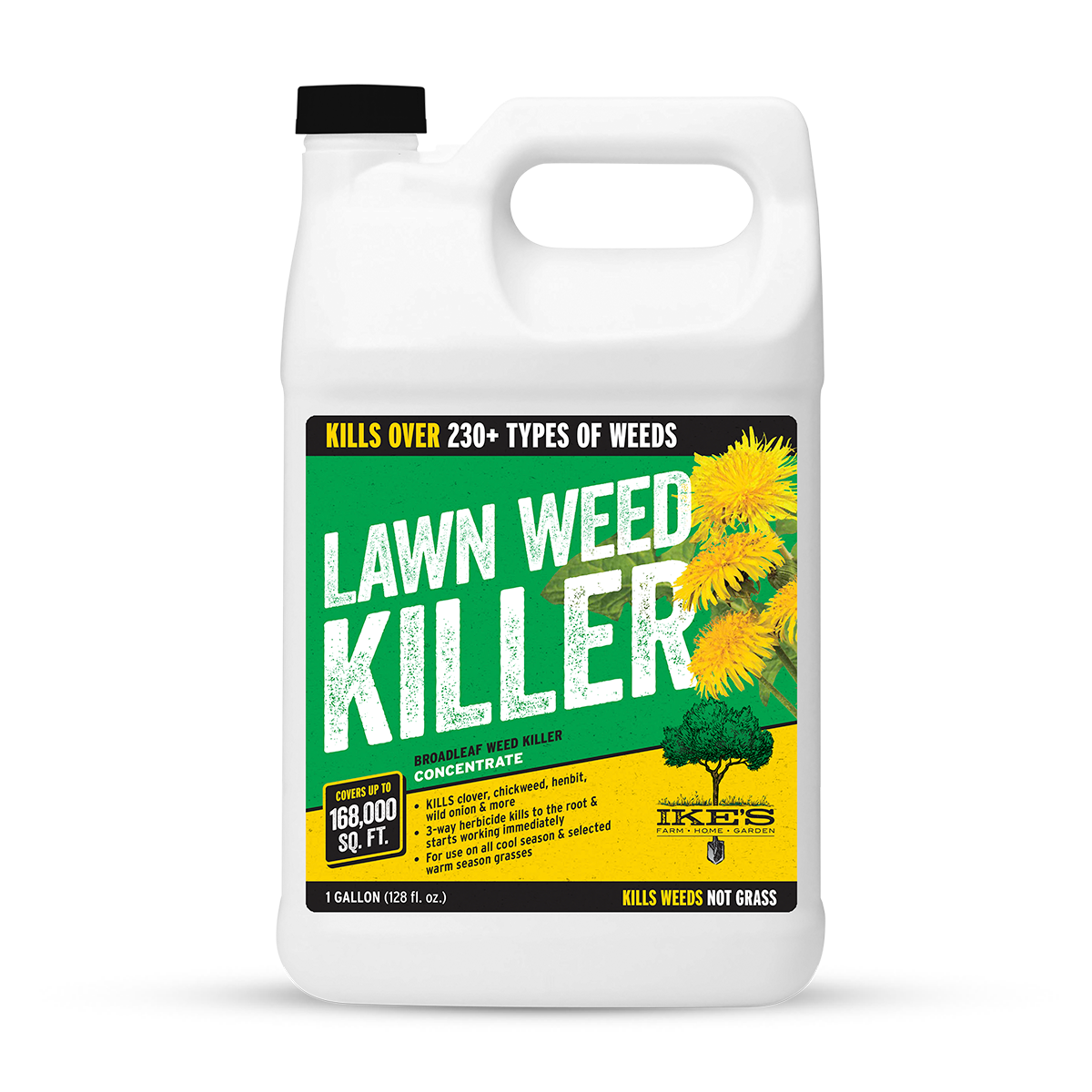
Selective herbicides are designed to kill weeds without damaging your lawn grass. They target specific weed types, leaving the grass unharmed. These products help maintain a healthy and green lawn while controlling unwanted plants.
Using selective herbicides properly ensures effective weed control and protects your grass. Understanding how to choose and apply these herbicides is key to a successful lawn care routine.
Choosing The Right Product
Pick a herbicide that matches your weed problem. Different products work on different weeds. Check the label to see which weeds it controls. Also, confirm it is safe for your grass type. Some herbicides suit cool-season grasses, others warm-season. Buy from trusted brands with clear instructions.
Targeted Application Tips
Apply herbicides directly on the weeds only. Avoid spraying the entire lawn to protect grass. Use a spray bottle or spot treatment tool for small areas. Apply on dry, calm days to reduce drift. Follow the recommended dose on the label carefully. Repeat treatments if needed but wait the suggested time between applications.
Safety Precautions
Wear gloves and protective clothing during application. Keep children and pets away until the product dries. Store herbicides in a safe, locked place. Read and follow all label warnings and instructions. Dispose of containers properly to avoid environmental harm. Wash hands and clothes after use to remove residues.
Manual Weed Removal
Manual weed removal is a safe and effective way to protect your lawn grass. It involves physically removing weeds without using chemicals. This method helps keep your lawn healthy and green. By focusing on weeds alone, manual removal avoids damage to grass blades and roots. It also reduces the chance of chemicals harming beneficial soil life. Regular manual removal keeps weeds from spreading and taking over your lawn.
Hand-pulling Techniques
Hand-pulling weeds is simple but requires care. Pull weeds gently from the base, making sure to get the entire root. Removing only the top can let weeds grow back quickly. Use your fingers to grasp the weed firmly near the soil. Pull slowly and steadily to avoid breaking the root. This helps stop weeds from returning. Always wear gloves to protect your hands from dirt and possible irritants.
Using Weeding Tools
Weeding tools make manual removal easier and more effective. Tools like a dandelion digger or hand fork help reach deep roots. Insert the tool beside the weed and loosen the soil. Lift the weed out along with its roots without disturbing nearby grass. These tools reduce strain on your hands and improve precision. Clean tools after use to prevent spreading weed seeds or diseases.
Best Time To Remove Weeds
Timing is key for manual weed removal success. The best time is after rain or watering when the soil is soft. Wet soil allows roots to come out easily and reduces root breakage. Early morning or late afternoon is ideal to avoid heat stress on plants and yourself. Removing weeds before they flower prevents seed spread. Regular checks and quick removal keep your lawn weed-free and healthy.
Natural Spot Treatments
Natural spot treatments offer a safe way to control weeds without damaging your lawn grass. These methods focus on treating only the weed areas, leaving the surrounding grass unharmed. Using natural products or simple household items, you can effectively manage weeds while keeping your lawn healthy and green.
Horticultural Vinegar Use
Horticultural vinegar contains a higher acid concentration than kitchen vinegar. This makes it effective at burning weeds on contact. Spray the vinegar directly onto the weed leaves on a dry, sunny day. Avoid spraying on windy days to prevent drift onto grass. Repeat applications may be needed for tough weeds. This method works best on young, small weeds.
Boiling Water Method
Pour boiling water carefully over the weed base to kill it instantly. The heat destroys the weed’s cell structure and roots. Use a kettle or pot to pour the water slowly. Avoid splashing boiling water on grass or desirable plants. This method works well for weeds growing in cracks or isolated spots. Boiling water is a chemical-free option for weed control.
Precautions To Protect Grass
Apply natural spot treatments only on the weeds, avoiding grass contact. Use a small spray bottle or watering can for precise application. Treat weeds during calm weather to reduce drift risk. Always test on a small patch first to check grass reaction. Water the grass after treatment to help it recover. Careful application ensures healthy grass and effective weed removal.
Credit: ikesproducts.com
Pre-emergent Controls
Pre-emergent controls play a key role in managing weeds without harming your lawn grass. These controls stop weed seeds before they sprout. This method protects your grass by preventing weeds at the earliest stage. Using pre-emergent products reduces the need for harsh chemicals later.
Corn Gluten Meal Benefits
Corn gluten meal is a natural pre-emergent option. It works by blocking weed seeds from growing roots. This product also adds nitrogen to your soil, helping grass grow strong. Unlike synthetic herbicides, corn gluten meal is safe for pets and children. It improves lawn health while reducing weed problems.
Timing For Application
Apply pre-emergent controls before weed seeds start to grow. Early spring and late summer are the best times. Weather changes trigger seed germination, so act ahead of time. Applying too late will not stop weeds. Follow local gardening advice for the best timing in your area.
Preventing Weed Seed Germination
Pre-emergent products create a barrier on the soil surface. This barrier stops weed seeds from sprouting. It does not harm established grass roots. Maintain lawn moisture after application to activate the product. Regular lawn care supports the pre-emergent effect, keeping weeds away longer.
Lawn Care Practices
Strong, healthy grass fights weeds naturally. Lawn care practices create the best environment for grass to grow thick and vibrant. These practices reduce weed growth by keeping grass competitive. Proper mowing, watering, fertilizing, and overseeding build lawn strength. Focus on these key steps to protect grass while controlling weeds.
Proper Mowing Height
Cut grass at the right height to keep it healthy. Mowing too short stresses grass and opens space for weeds. Set your mower blade higher to shade the soil and block weed seeds. Keep grass blades long enough to collect sunlight for growth. Regular mowing at the correct height helps grass stay dense and strong.
Deep Watering Strategies
Water grass deeply but less often to promote deep roots. Shallow watering encourages weak roots and weed growth. Water early in the morning to reduce evaporation. Deep roots help grass survive drought and crowd out weeds. Aim for about one inch of water per week, depending on weather.
Correct Fertilizing Schedule
Feed grass with fertilizer at the right times of year. Apply fertilizer during active growth periods like spring and fall. Avoid fertilizing too early in spring to prevent encouraging weeds. Use a balanced fertilizer to strengthen grass without harming soil. Proper feeding improves grass health and reduces weed invasion.
Overseeding For Density
Plant more grass seed to fill thin spots and increase lawn density. Thick lawns block sunlight from reaching weed seeds, stopping them from sprouting. Choose grass types suited to your climate and soil. Overseeding works best in spring or fall when conditions favor growth. A dense lawn is the best natural defense against weeds.

Credit: www.amazon.com
Advanced Weed Control
Advanced weed control methods target weeds effectively without damaging lawn grass. These techniques go beyond basic chemical treatments and manual removal. They use innovative approaches to keep your lawn healthy and weed-free. Below are two powerful options that can help manage weeds safely.
Flame Weeding Safety
Flame weeding uses intense heat to kill weeds quickly. The heat bursts weed cells, causing them to die off. It does not burn the roots but weakens the weed over time. Use a propane torch designed for weed control. Always wear protective gloves and eye protection. Avoid using flame weeding on windy days or near dry grass. Keep a water source nearby to put out any accidental fires. Flame weeding is best for small areas or spot treatment. Repeat treatments may be needed for stubborn weeds.
Solarization With Tarps
Solarization uses the sun’s heat to kill weed seeds and roots under a clear tarp. Cover moist soil with a plastic tarp for 4 to 6 weeks during hot weather. The trapped heat raises soil temperature to levels that kill weeds and pathogens. Use clear or black plastic tarps designed for solarization. Make sure the tarp edges are sealed tightly to trap heat. This method also improves soil health by breaking down organic matter. Solarization is chemical-free and safe for lawn grass if done before seeding or laying sod.
Seasonal Timing
Seasonal timing plays a crucial role in weed control for lawns. Choosing the right time ensures weeds die while grass stays healthy. Applying weed control too early or late can stress grass or allow weeds to grow back. Understanding the best seasons helps maintain a green and lush lawn all year.
Why October Works Well
October is ideal for weed control in many regions. Grass growth slows down but remains active enough to recover quickly. Weeds like dandelions and clover start to absorb herbicides effectively in fall. Cooler temperatures reduce stress on the lawn during treatment. October applications target weeds before they spread seeds. This timing reduces weed problems in the next spring.
Winter Weed Management
Winter offers a chance to manage weeds with minimal lawn damage. Many weeds go dormant but remain vulnerable to control methods. Applying pre-emergent herbicides in late winter blocks weed seeds from sprouting. Lawns are less active, so they take less damage from treatments. Winter weed management prepares your lawn for a strong, weed-free spring.

Credit: www.walmart.com
Frequently Asked Questions
How Do I Kill Weeds In My Lawn Without Killing The Grass?
Use selective herbicides targeting weeds only, hand-pull roots, or spot-treat with vinegar or boiling water. Maintain healthy grass with proper mowing, watering, and fertilizing. Apply corn gluten meal to prevent weed seeds from germinating.
Is October Too Late To Spray For Weeds?
October can still work for spraying weeds, especially cool-season types. Apply herbicides on dry, mild days. Avoid freezing temperatures for best results.
Is There A Weed Killer That Does Not Harm Grass?
Selective herbicides target weeds without harming grass when applied carefully. Hand-pulling and spot-treating with vinegar or boiling water also work. Maintain lawn health by proper watering, mowing, and fertilizing. Corn gluten meal prevents weed seeds from germinating, protecting your lawn naturally.
What Happens When You Put Weed Killer On Grass?
Applying weed killer on grass can damage or kill the grass, especially if it’s non-selective. Use selective herbicides to target weeds safely.
Conclusion
Applying weed control carefully protects your lawn’s health. Use selective herbicides and natural methods to target weeds only. Hand-pulling works well for small patches. Maintain strong grass by watering deeply and fertilizing properly. Thick, healthy grass outcompetes weeds naturally. Avoid overusing chemicals that may harm grass roots.
Regular lawn care prevents weed growth over time. Stay patient and consistent with your efforts. Your lawn will stay green and weed-free with simple, safe steps.