
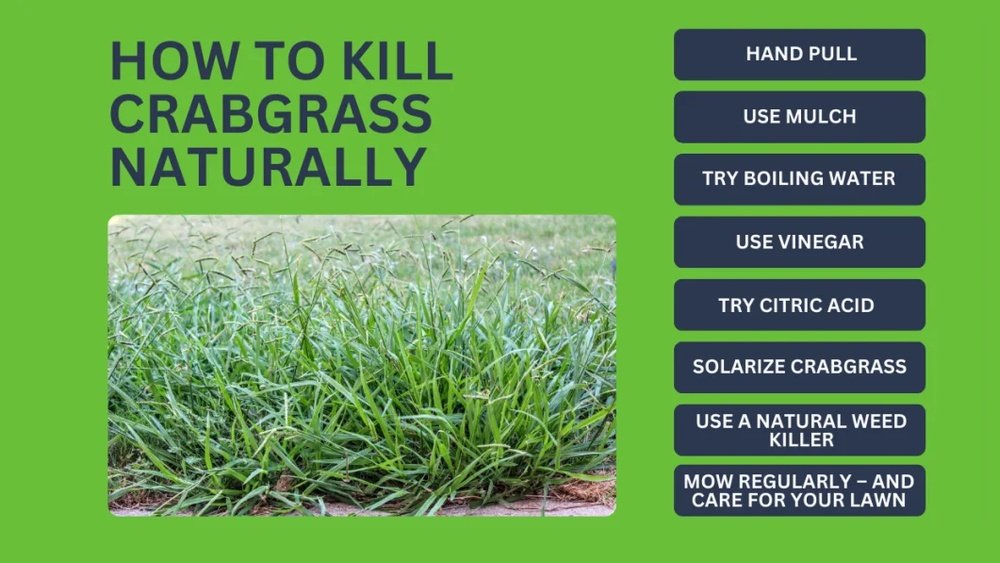
Summer is the perfect time to enjoy your lush, green lawn—but pesky weeds can quickly take over and spoil the look. If you want to keep your yard healthy without harsh chemicals, you’re in the right place.
You’ll discover simple, natural ways to treat summer lawn weeds that protect your grass and the environment. Ready to learn how to take control of those stubborn weeds the natural way? Keep reading, and you’ll find easy tips you can start using today to get your lawn looking its best all season long.
Credit: natural-alternative.com
Eco-friendly Weed Control
Eco-friendly weed control protects your lawn and the environment. It avoids harsh chemicals that harm beneficial insects and soil health. Natural methods keep your grass strong and healthy. They stop weeds from taking over without damaging the ecosystem.
Corn Gluten Meal Benefits
Corn gluten meal prevents weed seeds from sprouting. It acts as a natural pre-emergent weed control. This product feeds your lawn while blocking weeds. It is safe for children and pets. Applying it early in spring helps reduce summer weeds. It also adds nitrogen to the soil, improving grass growth.
Mulching For Weed Prevention
Mulching creates a barrier that blocks sunlight from weed seeds. Without light, seeds cannot grow. Use organic mulch like wood chips or straw around your lawn edges. Mulch keeps soil moist and cool, which benefits grass roots. It also improves soil quality as it breaks down. Thick mulch layers reduce weed growth effectively.
Natural Weed Killers
Natural weed killers use ingredients like vinegar, salt, or soap. These solutions kill weeds without chemicals. Spray them directly on unwanted plants. Be careful to avoid spraying grass. These natural killers work best on young, small weeds. Repeat applications may be needed for tough weeds.
Lawn Care Practices
Proper lawn care practices help keep summer weeds under control naturally. Healthy grass grows strong and crowds out unwanted plants. Focus on watering, overseeding, and mowing to maintain a lush lawn. These simple steps reduce weed growth without chemicals.
Deep Watering Techniques
Water your lawn deeply but less often. This encourages grass roots to grow deeper. Deep roots make grass healthier and more drought-resistant. Shallow watering lets weeds thrive near the surface. Aim to water about once or twice a week. Use slow, steady watering to soak the soil thoroughly.
Overseeding For Thick Grass
Spread grass seed over thin or bare spots. Thick grass blocks sunlight from reaching weed seeds. Overseeding improves lawn density and color. Choose grass types suited for your climate. Water the new seed lightly and keep the soil moist until it grows. A full lawn is the best defense against weeds.
Mowing To Manage Weeds
Keep your grass at the right height for its type. Cutting too short stresses grass and helps weeds grow. Mow regularly to prevent weeds from flowering and spreading seeds. Use sharp mower blades for a clean cut. Leave grass clippings on the lawn to return nutrients to the soil.
Manual And Physical Methods
Manual and physical methods are simple and effective ways to control summer lawn weeds naturally. These techniques focus on removing or killing weeds without chemicals. They keep your lawn healthy and safe for kids and pets. Use these methods regularly to maintain a weed-free lawn during hot months.
Hand Pulling Weeds
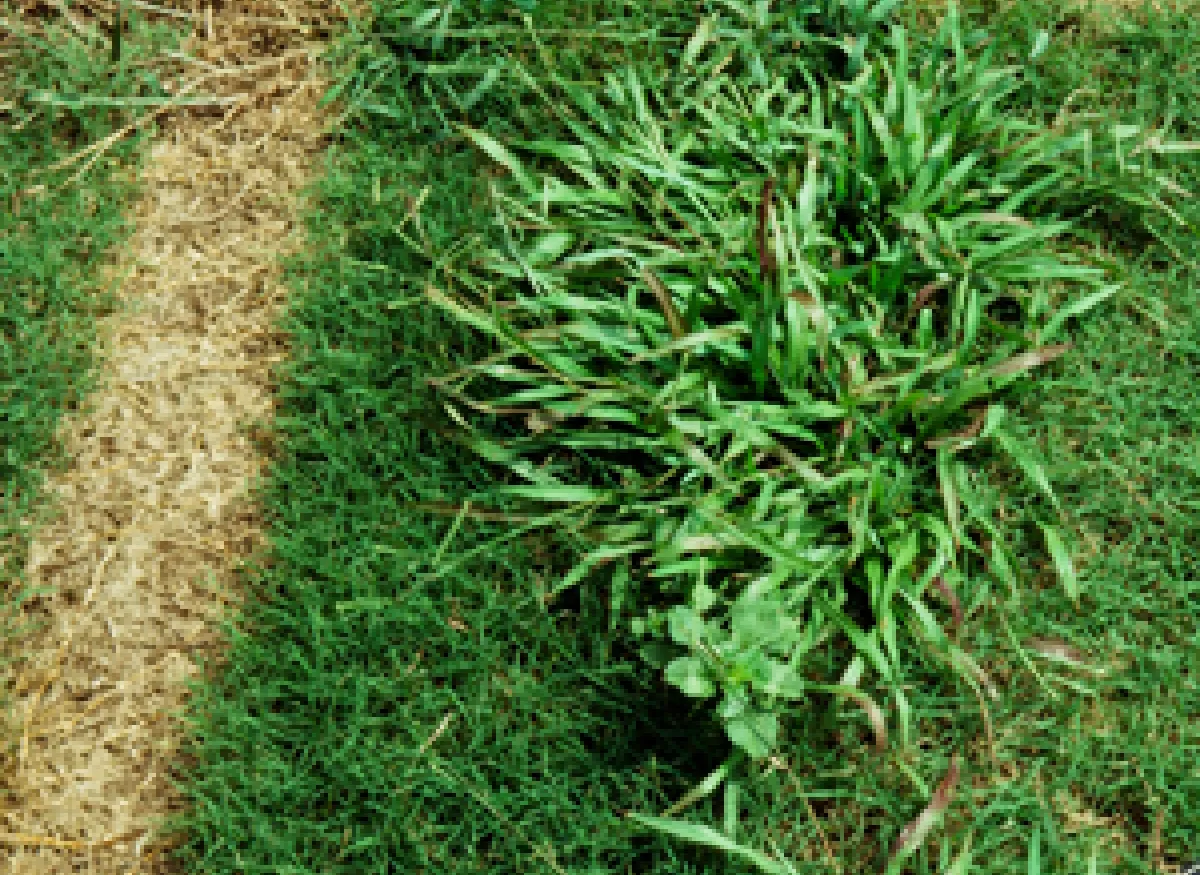
Hand pulling is the easiest way to remove weeds. Grab the weed at the base and pull gently to remove the roots. Do this after watering or rain when the soil is soft. Removing the whole root prevents the weed from growing back quickly. Regular hand pulling stops weeds from spreading seeds.
Solarizing The Lawn
Solarizing uses the sun’s heat to kill weeds and seeds. Cover the lawn with clear plastic sheets for 4 to 6 weeks during hot weather. The trapped heat destroys weed roots and soil pathogens. This method works best on small areas and bare spots. Solarizing improves soil health without chemicals.
Using Boiling Water Safely
Pour boiling water directly on weeds to kill them fast. Use a kettle or pot to pour water carefully. Avoid spilling on grass or plants you want to keep. Boiling water damages weed leaves and roots immediately. Repeat treatment for tough weeds to stop regrowth.
Credit: natural-alternative.com
Homemade Weed Remedies
Homemade weed remedies offer a natural way to control summer lawn weeds. These methods use simple ingredients from around the house. They avoid harsh chemicals and keep your lawn safe. Using homemade solutions helps maintain a healthy and green lawn without harming the environment.
Vinegar And Soap Mixtures
Vinegar is a popular natural weed killer. It contains acetic acid, which burns the leaves of weeds. Mix one gallon of white vinegar with one cup of salt and a few drops of liquid soap. The soap helps the mixture stick to the weeds. Spray this solution directly on the weeds on a dry, sunny day. Avoid spraying on grass or plants you want to keep.
Salt Applications
Salt can stop weeds by drying them out. Use table salt or rock salt for small patches of weeds. Sprinkle salt directly on the weed base or dissolve it in water to spray. Be careful not to use too much, as salt can harm your soil. Limit salt use to small areas to avoid damaging your lawn and nearby plants.
Limitations And Precautions
Natural remedies work best on young and small weeds. Tough or deep-rooted weeds may need repeated treatments. Vinegar and salt can harm grass and soil if overused. Always test a small area first to avoid damage. Use these remedies carefully near desirable plants. Keep children and pets away from treated areas until dry.
What To Avoid
Knowing what to avoid is as important as knowing how to treat summer lawn weeds naturally. Some common lawn care mistakes can harm your grass and soil. Avoiding these pitfalls helps keep your lawn healthy and weed-free.
Non-selective Herbicides Risks
Non-selective herbicides kill all plants they touch, including grass. Using them can leave bare patches in your lawn. These open spots allow more weeds to grow. They also disrupt the natural balance of your garden.
Overusing Chemical Solutions
Repeated chemical use weakens your lawn over time. Chemicals can build up in the soil, harming beneficial organisms. This reduces soil fertility and grass health. Overuse also leads to resistant weeds that are harder to control.
Damage To Grass And Soil
Harsh treatments can burn grass leaves and roots. Damaged grass cannot compete with weeds effectively. Soil structure may break down, causing poor water absorption. This creates a stressful environment for your lawn’s growth.
Long-term Weed Prevention
Preventing summer lawn weeds naturally requires a long-term approach. Weed seeds lie dormant in the soil and sprout when conditions favor them. Stopping weeds before they start helps maintain a healthy, green lawn. Focus on improving soil, growing thick grass, and using shade smartly. These steps reduce weed growth naturally and keep your lawn strong.
Improving Soil Health
Healthy soil supports strong grass that crowds out weeds. Add organic matter like compost to enrich the soil. Good soil holds moisture and nutrients well. Avoid compacting soil by limiting heavy foot traffic. Aerate the lawn to improve air and water flow to roots. Balanced soil pH helps grass absorb nutrients better. Test soil every few years to adjust nutrients as needed.
Maintaining Lawn Density
Thick grass blocks sunlight from reaching weed seeds. Overseed bare or thin spots in early spring or fall. Choose grass types suited for your climate and soil. Water deeply but less often to encourage deep roots. Mow regularly but never cut grass too short. Longer grass blades shade the soil and reduce weed growth. Dense lawns recover faster from damage and resist weeds better.
Shading And Plant Spacing
Strategic shading prevents weeds from growing in sunny spots. Plant ground covers or low shrubs around lawn edges. Space plants close enough to block sunlight but not overcrowd. Mulch around plants to keep soil moist and suppress weeds. Shade cools the soil, slowing weed seed germination. Use natural plant barriers to protect vulnerable lawn areas from weed invasion.
Credit: www.jonathangreen.com
Frequently Asked Questions
What Kills Weeds Permanently Without Killing Grass?
Use selective herbicides like dicamba or MCPP to kill weeds without harming grass. Organic options include corn gluten meal and mulching. Maintain thick, healthy grass and water deeply to prevent weed growth naturally. Avoid non-selective herbicides like glyphosate that damage all plants.
How To Fix A Lawn Full Of Weeds Naturally?
Mow the lawn to weaken weeds, then apply mulch to block sunlight. Overseed with grass to crowd out weeds. Water deeply to promote strong grass roots. Hand-pull persistent weeds and use solarization or boiling water for natural weed control.
Does Dawn And Vinegar Really Work To Kill Weeds?
Dawn dish soap combined with vinegar can kill some weeds by breaking down leaf surfaces. It works best on young, small weeds. This mixture is a natural, non-selective herbicide, but may require repeated applications for effective control. Use carefully to avoid harming nearby plants.
How To Get Rid Of Weeds In October?
Apply selective herbicides or pull weeds manually in October. Use mulch to block sunlight and prevent weed growth. Overseed grass to outcompete weeds. Water deeply and mow regularly to maintain healthy lawn and reduce weeds.
Conclusion
Treating summer lawn weeds naturally keeps your grass healthy and green. Use simple methods like mulching and watering deeply. Thick grass crowds out weeds and stops them from growing. Avoid harsh chemicals that can harm your lawn. Natural treatments protect the environment and save money.
Regular care prevents weeds from taking over your yard. A healthy lawn looks great and feels soft underfoot. Stay consistent, and you will enjoy a weed-free summer lawn.