
Is your garden soil feeling hard and tough to work with? Compacted soil can stop your plants from growing strong and healthy by blocking air, water, and nutrients from reaching the roots.
But don’t worry—you can fix this problem easily with the right tool: a garden fork. Using a garden fork to break up compacted soil is simple, effective, and can transform your garden into a thriving, vibrant space. You’ll learn exactly how to use a garden fork to loosen your soil, improve its health, and give your plants the best chance to flourish.
Ready to get your hands dirty and bring your garden back to life? Let’s dive in!
Choosing The Right Garden Fork
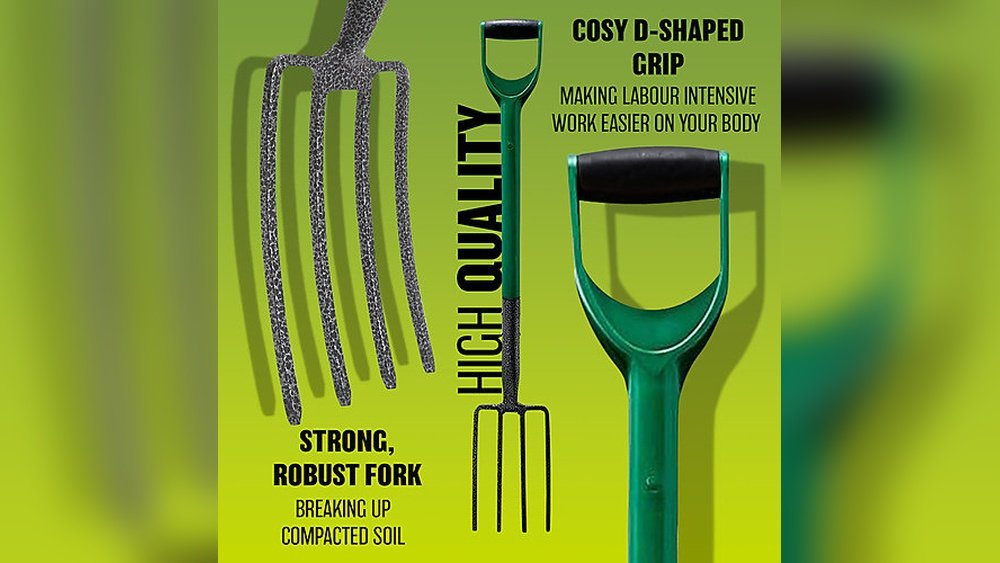
Choosing the right garden fork is key to breaking up compacted soil efficiently. The right tool makes the job easier and protects your back from strain. Not all garden forks are the same. Consider your soil type and garden size before picking one. Understanding the types, materials, and sizes will help you decide.
Types Of Garden Forks
Garden forks come in several types. Digging forks have strong, thick tines for breaking hard soil. Border forks have thinner tines and are lighter for working in flower beds. Broadforks are larger and good for loosening large areas without turning the soil. Pick a type that suits your soil condition and garden tasks.
Materials And Durability
Forks made of stainless steel resist rust and last longer. Carbon steel forks are strong but need more care to avoid rust. Handles come in wood, fiberglass, or metal. Wooden handles feel natural but can break over time. Fiberglass handles offer good strength and resist weather damage. Choose a durable fork that fits your budget and use.
Size And Tine Spacing
Size matters for comfort and effectiveness. A longer handle gives more leverage but can be harder to control. Short handles work well for small gardens or tight spaces. Tine spacing affects how the soil breaks up. Wider spacing works well for heavy, compacted soil. Narrow spacing is better for loose soil and small roots. Match size and spacing to your garden needs.
Preparing The Soil
Preparing the soil is the first step to break up compacted soil effectively. Proper preparation makes the garden fork work easier and improves soil health. It helps air, water, and roots move through the soil better. Follow these simple steps to get your soil ready.
Clearing Debris And Weeds
Start by removing sticks, rocks, and old plants from the soil. Clear away weeds and grass to expose the compacted soil underneath. This makes it easier to work with the garden fork. Clean soil also prevents damage to your tools.
Checking Soil Moisture
Check if the soil is moist but not too wet. Dry soil is hard to break, and wet soil can become muddy. Use your hand to feel the soil. If it clumps but crumbles easily, the moisture level is just right.
Marking Compact Areas
Walk around and spot the hard, compacted spots in your garden. Mark these areas with small flags or sticks. This helps you focus on the toughest parts first. Targeting compact soil saves time and effort.
Techniques For Breaking Up Soil
Breaking up compacted soil is essential for healthy plant growth and good garden drainage. Using a garden fork correctly makes this task easier and more effective. The right techniques help you loosen the soil without damaging its structure. Below are key methods to use your garden fork properly for best results.
Proper Stance And Grip
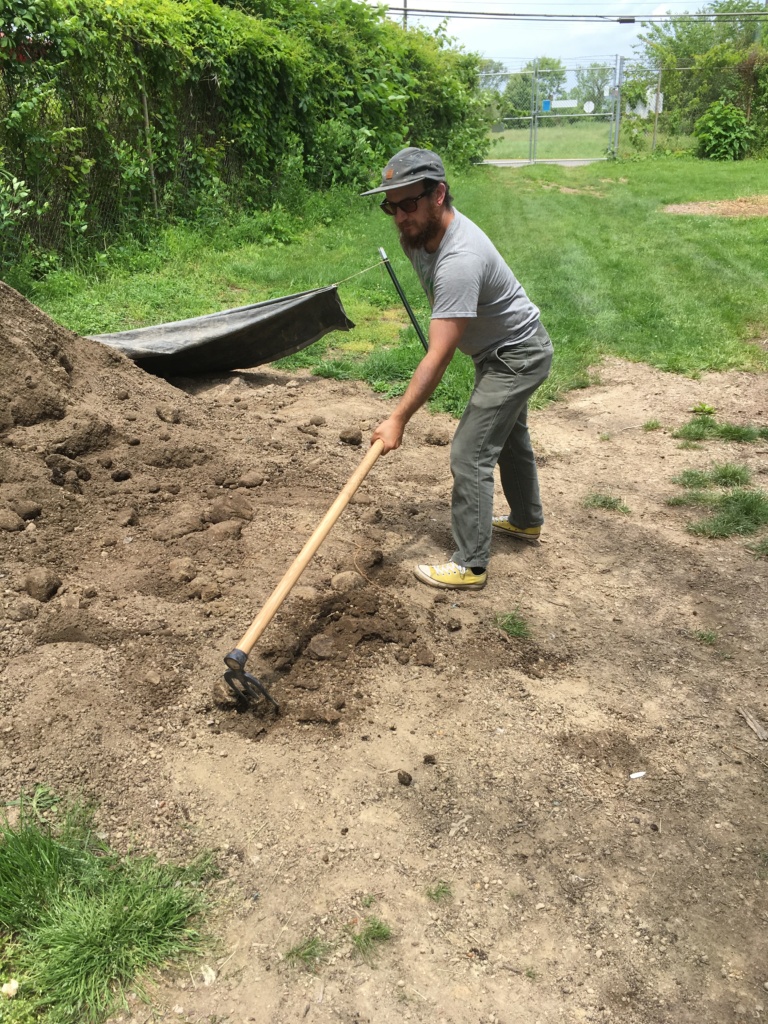
Stand with your feet shoulder-width apart for stability. Hold the garden fork firmly with both hands. Keep your back straight to avoid strain. Position one hand on the handle’s end and the other near the fork’s base. This grip gives you control and power.
Inserting The Fork Correctly
Push the fork’s tines straight down into the soil. Use your foot to press the fork deeper if the soil is hard. Avoid forcing the fork at an angle, which can damage roots and soil layers. Insert the fork every few inches for thorough loosening.
Lifting And Loosening Soil Gently
Lift the soil gently by rocking the fork back and forth. This motion breaks up clumps without flipping the soil over. Pull the fork upwards slowly to allow air to reach roots. Repeat this process to improve soil aeration and drainage.
Avoiding Over-tilling
Do not overwork the soil with the garden fork. Excessive tilling destroys soil structure and kills beneficial organisms. Stop once the soil feels crumbly and loose. Over-tilling can cause soil erosion and reduce fertility.
Credit: www.growpittsburgh.org
Working On Different Soil Types
Different soil types need different care when using a garden fork. Each type reacts uniquely to digging and breaking. Knowing how to handle clay, sandy, and loamy soils helps you work better. It also protects your soil from damage. Let’s explore tips for each soil type.
Clay Soil Tips
Clay soil is dense and heavy. It holds water for a long time. Use the garden fork to gently lift and loosen the soil. Avoid digging when the clay is very wet. Wet clay sticks to the fork and clumps together. Work in small sections to prevent compacting the soil further. Adding organic matter helps improve clay soil over time.
Sandy Soil Considerations
Sandy soil drains quickly and feels loose. It is easy to work with a garden fork. Insert the fork and lift the soil to add air and space. Be careful not to overwork sandy soil. Too much digging can break the structure and cause erosion. Mix in compost to help sandy soil hold moisture better.
Loamy Soil Handling
Loamy soil is the best type for gardening. It has a balanced mix of sand, silt, and clay. Use the garden fork to gently loosen the soil surface. This soil type responds well to light turning. Avoid deep digging to keep soil layers intact. Regularly adding organic matter keeps loamy soil healthy and fertile.
Maintaining Soil Health
Maintaining soil health is vital for a thriving garden. Healthy soil supports strong plant growth and improves water retention. Using a garden fork to break up compacted soil helps keep the soil loose and fertile. This process encourages beneficial soil organisms and improves root development. Proper care and regular maintenance prevent soil problems and boost garden productivity.
Aeration Benefits
Aeration increases air flow in the soil. It allows oxygen to reach plant roots easily. Roots need oxygen to grow and absorb nutrients. Aerated soil drains water better, reducing waterlogging risks. This process also helps soil bacteria break down organic material. Using a garden fork gently lifts and loosens compacted soil without disturbing layers.
Incorporating Organic Matter
Adding organic matter improves soil texture and fertility. Compost, mulch, or aged manure enrich the soil with nutrients. Organic matter increases the soil’s ability to hold moisture. It supports beneficial microbes that help plants grow. After loosening the soil with a garden fork, spread organic material evenly and mix it in lightly. This step enhances soil structure and promotes healthy roots.
Preventing Future Compaction
Preventing soil compaction saves time and effort later. Avoid walking or using heavy tools on garden beds. Create paths to keep foot traffic off planting areas. Use mulch to protect soil surface and reduce crusting. Rotate crops and cover bare soil to maintain structure. Regularly loosen soil with a garden fork to keep it airy and healthy.

Credit: www.reddit.com
Safety Tips And Best Practices
Using a garden fork to break up compacted soil can improve your garden’s health. Safety is key for an effective and injury-free experience. Follow these tips to protect yourself and maintain your tools. Proper care keeps your garden work smooth and safe.
Protective Gear
Wear sturdy gloves to protect your hands from blisters and cuts. Use closed-toe shoes or boots to shield your feet from injury. Long pants help avoid scratches from soil or plants. Safety glasses protect your eyes from flying debris. Dress comfortably but safely for outdoor work.
Avoiding Injury
Keep a firm grip on the garden fork handle. Use your legs, not your back, to push the fork into the soil. Avoid twisting your body when lifting soil. Take breaks if you feel tired or strained. Work slowly to keep control and prevent slips. Clear the area of stones or obstacles before starting.
Tool Maintenance
Clean the garden fork after each use to remove dirt and debris. Dry it well to prevent rust on metal parts. Sharpen the tines regularly for easier soil penetration. Check the handle for cracks or splinters and sand or replace if needed. Store the fork in a dry place off the ground. Good care extends your tool’s life and performance.
Alternative Tools To Garden Fork
Garden forks are popular for breaking up compacted soil, but other tools can also help. These alternatives can make soil loosening easier and more efficient. They work well in different garden sizes and soil types. Understanding these options helps you choose the best tool for your garden needs.
Broadfork Advantages
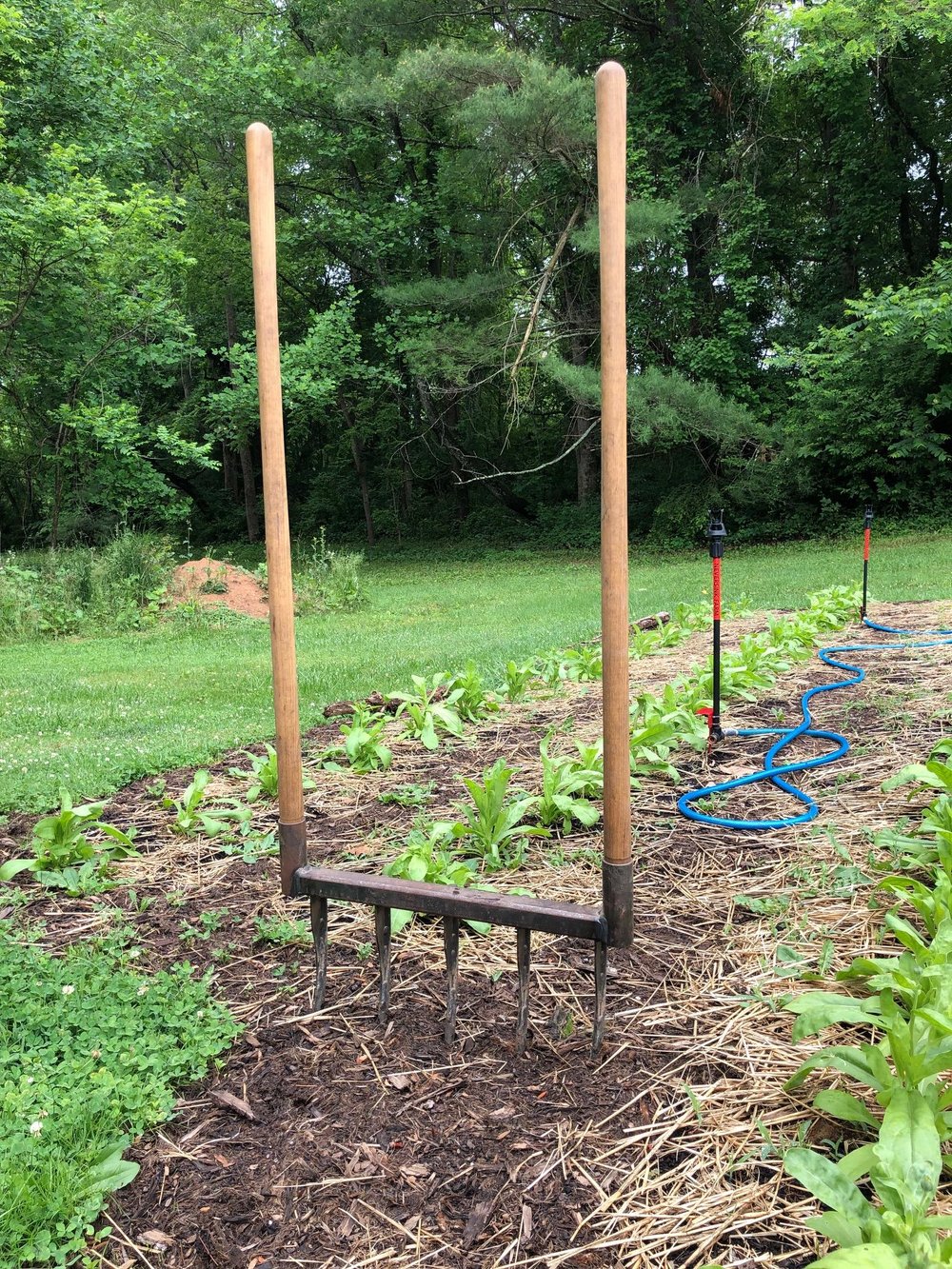
A broadfork has wide tines that loosen soil deeply without turning it over. It preserves soil layers and helps maintain soil life. Using a broadfork reduces soil disturbance and compaction. It is ideal for larger garden beds. The broadfork allows for better root growth and water movement.
Deep Spaders
Deep spaders cut through tough, compacted soil with sharp blades. They penetrate soil more deeply than garden forks. Deep spaders require less effort to loosen hard soil. They work well in heavy clay or rocky soils. Standing on the crossbar gives extra leverage for tough soil.
Manual Vs. Mechanical Options
Manual tools offer control and are low cost. They are quiet and eco-friendly. Mechanical tools use engines to break up soil faster. They suit large gardens or heavy soil. Choose manual tools for small spaces and gentle care. Pick mechanical tools for speed and hard soil work.
Credit: rethinkrural.raydientrural.com
Frequently Asked Questions
How To Break Up Heavily Compacted Soil?
Use a garden fork or broadfork to loosen soil by inserting and gently lifting it. Avoid flipping soil completely. Adding organic matter improves texture and drainage. Regularly aerate compacted areas to maintain soil health and promote root growth.
How To Loosen Soil With Garden Fork?
Insert the garden fork into the soil vertically. Push down with your foot on the crossbar. Gently rock the fork back and forth to loosen soil without flipping it. Repeat across the area to aerate and break up compacted soil effectively.
What Tool Should You Use To Break Up Hard Soil?
Use a broadfork or garden fork to break up hard soil. These tools loosen and aerate soil effectively without damaging its structure.
Can A Broadfork Break Up Clay Soil?
A broadfork effectively breaks up clay soil by loosening and aerating it without disturbing soil structure. It reduces compaction and improves drainage.
Conclusion
Using a garden fork to break up compacted soil improves air and water flow. It helps roots grow stronger and plants stay healthier. Work the soil gently without flipping it over. Regularly loosening your soil keeps it fertile and easy to work.
This simple tool makes gardening easier and more productive. Give your garden the care it needs for better growth. You’ll enjoy healthier plants and a more vibrant garden space. Keep your soil loose and watch your garden thrive.