
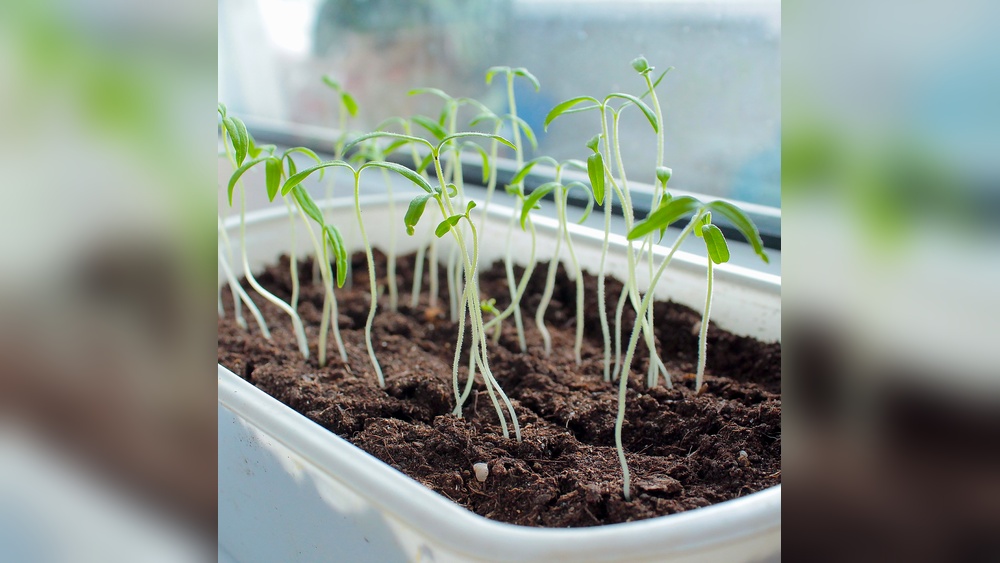
Are your seedlings crowded and struggling to grow strong? Thinning your seedlings is a simple step that can make a huge difference in your garden’s success.
When you learn how to thin seedlings properly, you give each plant the space and nutrients it needs to thrive. You’ll discover easy, effective techniques to thin your seedlings for optimal growth. By the end, you’ll know exactly when and how to thin, helping your garden flourish with healthier, stronger plants.
Let’s get your seedlings off to the best start possible!

Credit: www.gardenary.com
Why Thin Seedlings
Thinning seedlings is a key step for strong plant growth. It means removing extra young plants. This helps the remaining seedlings grow better and healthier. Thin seedlings early for best results. Proper thinning leads to bigger, stronger plants and better yields.
Prevent Overcrowding
Too many seedlings in one spot cause crowding. Crowded plants compete for space and light. This makes them weak and spindly. Thinning gives each seedling room to grow. It stops seedlings from blocking each other’s sunlight. Plants grow tall and sturdy with enough space.
Improve Air Circulation
Dense seedlings block air flow around leaves and stems. Poor air circulation creates a wet environment. Wetness invites diseases like mold and mildew. Thinning opens gaps between seedlings for fresh air. Good airflow keeps plants dry and healthy. Strong plants resist pests and diseases better.
Enhance Nutrient Access
Seedlings close together must share soil nutrients. This limits nutrient supply for each seedling. Thin seedlings reduce competition for water and minerals. Each plant gets enough nutrients to grow well. Healthy seedlings develop strong roots and leaves. Nutrient-rich soil supports faster, vigorous growth.
When To Thin Seedlings
Knowing the right time to thin seedlings helps plants grow strong and healthy. Thinning too early or too late can harm growth. Careful timing improves air flow and gives seedlings space for roots and leaves. Watch your seedlings closely to find the best moment to thin them. This section explains when to thin seedlings for best results.
After True Leaves Appear
Seedlings first grow small leaves called cotyledons. These are not the real leaves. Wait until the true leaves appear before thinning. True leaves are larger and look like the adult plant’s leaves. At this stage, seedlings are strong enough to handle thinning. Removing extra seedlings now reduces crowding without risking damage. Thin carefully by snipping weaker seedlings at soil level. This method helps the remaining plants grow bigger and healthier.
Timing For Different Plants
Different plants need thinning at different times. Fast-growing vegetables like lettuce and spinach need thinning soon after true leaves appear. Slow-growing plants such as tomatoes and peppers may need extra time before thinning. Flower seedlings also vary; some need early thinning, others later. Check seed packet instructions for specific timing. Observe seedling growth to decide the best thinning time. Proper timing ensures healthy plants and better harvests.
Tools For Thinning
Thinning seedlings is a delicate task that requires the right tools. Proper tools help remove extra seedlings without harming those you keep. They make the process clean and precise. Using the best tools can improve plant health and growth.
Choosing The Right Scissors
Small, sharp scissors work best for thinning seedlings. Avoid large scissors that can crush stems. Look for scissors with fine tips to reach close to the soil. This helps cut seedlings at the base cleanly. Sharp blades reduce damage and stress on plants.
Stainless steel scissors resist rust and stay sharp longer. Lightweight scissors are easier to handle during thinning. Choose scissors that feel comfortable in your hand for better control. This precision helps keep the strongest seedlings safe.
Sanitizing Tools
Clean tools prevent the spread of disease between plants. Wipe scissors with rubbing alcohol before and after use. Use a cotton ball or cloth to apply the alcohol. Avoid using dirty or rusty tools that can infect seedlings.
Sanitizing tools regularly helps keep seedlings healthy. It reduces the chance of fungal or bacterial problems. Simple hygiene protects your plants and improves overall garden success. Always dry tools after cleaning to prevent rust.
Selecting Seedlings To Keep
Selecting seedlings to keep is a key step in thinning for better plant growth. Choosing the right seedlings helps your garden thrive. It prevents overcrowding and gives each plant enough space to grow strong. Careful selection encourages healthy roots and sturdy stems.
Focus on seedlings that show good growth signs. Avoid weak or damaged ones. This step sets the foundation for a healthy garden full of robust plants.
Identifying Strongest Seedlings
Pick seedlings with thick, firm stems. These are signs of strength. Taller seedlings often have more energy and better growth potential. Look for those that stand upright without bending or drooping. Strong seedlings survive better in tough conditions.
Ignore those that look pale or thin. They may struggle to grow well. Choose seedlings that seem balanced and well-formed. This improves your chances of a successful harvest or garden display.
Spotting Healthy Stems And Leaves
Check stems for a healthy green color and firmness. Avoid seedlings with soft, weak stems. Leaves should be bright green and free from spots or holes. Healthy leaves show the plant is getting enough nutrients and light.
Seedlings with damaged or yellow leaves should be removed. Healthy stems and leaves mean the plant can photosynthesize well. This supports fast, strong growth and reduces disease risks.
Thinning Techniques
Thinning seedlings helps plants grow stronger by giving each one enough space and light. Cut weaker seedlings at soil level to keep the healthiest ones. This simple step improves air flow and reduces crowding for better growth.
Thinning seedlings is key to strong and healthy plants. It lets each plant have enough room to grow well. Proper thinning helps plants get enough light, water, and nutrients. Use gentle and careful methods to avoid harming young seedlings. These techniques help plants thrive and produce better yields.
Snipping At Soil Level
Use small scissors or garden snips to thin seedlings. Cut unwanted seedlings right at the soil surface. This method stops damage to nearby roots. Pulling seedlings can disturb the roots of plants you want to keep. Snipping is clean, quick, and easy. It keeps the soil intact and plants safe.
Avoiding Root Damage
Root damage slows plant growth and may cause disease. Thin seedlings by cutting, not pulling, to protect roots. Handle seedlings gently to avoid shaking or disturbing soil. Leave enough space between seedlings for roots to spread. Healthy roots help plants absorb water and nutrients well. Careful thinning leads to stronger plants.
Spacing Recommendations
Check seed packet instructions for ideal spacing. Most vegetables need 2 to 4 inches between seedlings. Leafy greens may require less space than larger plants. Thin seedlings so the strongest remain evenly spaced. Good spacing allows air to circulate and reduces disease risk. Proper space gives each plant room to grow big and healthy.
Caring For Seedlings After Thinning
Caring for seedlings after thinning is essential for strong growth. Thinning removes weaker plants, giving room for healthy seedlings to thrive. After thinning, seedlings need gentle care to recover and grow well. Proper watering, support, and stress prevention help seedlings develop into robust plants.
Watering Tips
Water seedlings carefully after thinning to avoid damage. Use a gentle spray or watering can to keep soil moist. Avoid overwatering, which can cause root rot. Water in the morning to give seedlings time to dry. Consistent moisture helps roots grow deep and strong.
Providing Support
Thin seedlings may need support as they grow taller. Use small stakes or toothpicks to keep stems upright. Tie stems loosely with soft ties to avoid breaking. Support prevents bending and falling over in wind or rain. This helps seedlings use energy to grow, not recover from damage.
Preventing Stress
Handle seedlings gently to reduce stress after thinning. Avoid moving or disturbing them too much. Keep seedlings in a stable environment with steady light and temperature. Protect them from strong sun and cold drafts. Stress-free seedlings recover faster and grow healthier.
Saving Leggy Seedlings
Leggy seedlings appear tall and thin with weak stems. They struggle to support themselves. Saving these seedlings helps you avoid wasting seeds and time. Healthy seedlings grow strong, ready for transplanting. Several simple techniques boost seedling strength and prevent legginess. These methods mimic natural conditions to toughen young plants.
Simulating Wind Movement
Gentle wind helps plants develop sturdy stems. Use a small fan on low setting near seedlings. Run the fan for a few hours daily. The airflow forces seedlings to sway slightly. This movement strengthens stem cells naturally. Avoid strong wind that could damage plants. Simulated wind reduces legginess and promotes compact growth.
Strengthening Stems
Lightly brushing seedlings daily mimics animal or human touch. Use your finger or a soft brush. Stroke the seedlings 2-3 times each day. This gentle stress encourages thicker stems. Also, provide enough light to prevent stretching. Position seedlings close to grow lights or a sunny window. Strong stems support healthy leaves and future growth.
Common Mistakes To Avoid
Thinning seedlings is key to healthy plant growth. Avoiding common mistakes helps plants grow strong and healthy. Many gardeners struggle with thinning, but simple errors can harm seedlings. Pay attention to these common mistakes to get the best results.
Removing Too Many Seedlings
Removing too many seedlings can stunt growth. Leave enough seedlings to fill the space as they grow. Take out only the weakest or smallest plants. Over-thinning leaves gaps and wastes space. Keep a balanced number of seedlings for strong roots and shoots.
Ripping Instead Of Cutting
Ripping seedlings damages roots and soil. Always use scissors or sharp tools to cut seedlings at soil level. Cutting protects nearby roots and reduces plant shock. Ripping can pull out healthy plants by mistake. A clean cut helps remaining seedlings grow better.
Thinning Too Late
Thinning too late causes overcrowding and weak plants. Thin seedlings early when they have two sets of leaves. Early thinning prevents root competition for water and nutrients. Crowded plants become spindly and prone to disease. Act quickly for the best plant development.
Benefits Of Proper Thinning
Proper thinning of seedlings plays a key role in growing healthy plants. It helps young plants get the space, light, and nutrients they need. Thinning early supports better root development and stronger stems. This simple step can greatly improve the overall health and productivity of your garden.
Stronger Plant Growth
Thinning gives seedlings enough room to grow without competing. Plants spread their roots wider and grow taller. Crowded seedlings become weak and spindly. Proper thinning allows each plant to develop a strong stem and healthy leaves. It builds a solid foundation for future growth.
Higher Yields
Plants that have enough space produce more fruits and vegetables. Thinning reduces competition for water and nutrients. Each plant can focus energy on producing flowers and fruit. This leads to bigger, better harvests. Well-spaced plants also mature faster and more evenly.
Reduced Disease Risk
Crowded seedlings trap moisture and limit airflow. These conditions create a perfect place for diseases. Thinning opens up the garden and improves air circulation. It lowers the chances of fungal infections and rot. Healthy plants resist pests and diseases better.
Credit: www.outsidepride.com

Credit: www.amazon.com
Frequently Asked Questions
How Do I Thin Out My Seedlings?
Select the strongest seedling with the thickest stem. Use scissors to snip weaker seedlings at soil level. Thin early for healthy growth.
What Is The 70 30 Rule In Gardening?
The 70 30 rule in gardening means planting 70% structural plants and 30% filler plants. This balance creates a healthy, visually appealing garden.
How Often Should Seedlings Be Thinned?
Thin seedlings about 1-2 weeks after sprouting, once they develop their first true leaves. Thin regularly to prevent crowding.
How To Strengthen Spindly Seedlings?
Provide strong light to prevent stretching. Gently brush seedlings daily to build stem strength. Avoid overwatering and ensure proper spacing for air circulation.
Conclusion
Thinning seedlings helps plants grow strong and healthy. Removing extra plants reduces competition for water and nutrients. It lets sunlight reach each seedling evenly. Cut weaker seedlings at soil level carefully. This simple step improves air flow around plants. Stronger seedlings will produce better fruits and flowers.
Remember, patience and gentle care bring great results. Keep thinning regularly for a thriving garden. Your plants will thank you with vibrant growth.