
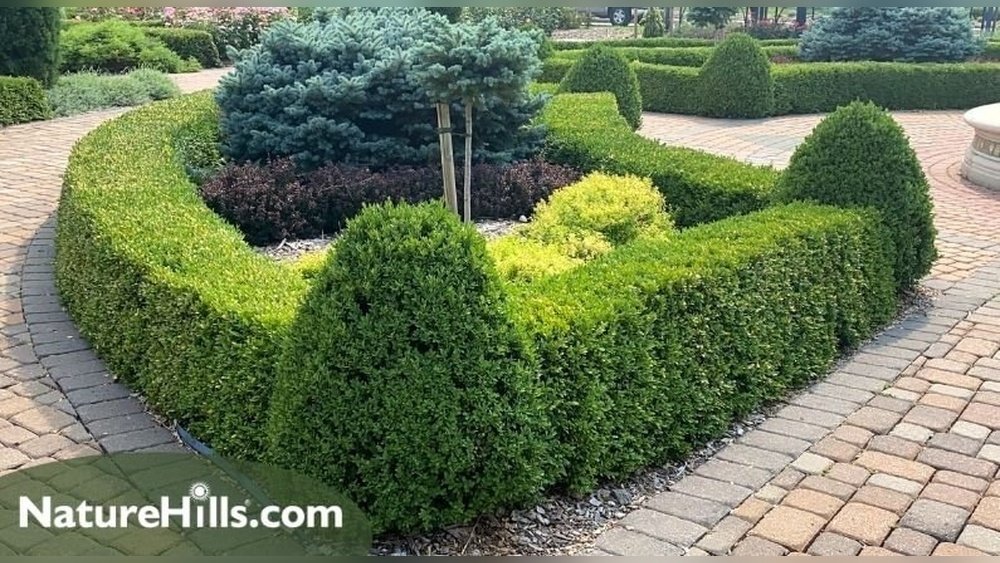
A boxwood hedge brings timeless beauty and structure to any garden or yard. Whether you want neat borders, privacy screens, or a classic formal look, boxwoods are the go-to plant for many homeowners and landscapers. Their dense foliage, slow growth, and ability to thrive in different climates make them a favorite for both small gardens and large estates. But planting a healthy, long-lasting boxwood hedge needs careful planning and the right method. This guide explains every step, from choosing the best boxwood variety to planting, caring, and solving common problems. You’ll learn practical tips and insider advice that will help you build a strong, beautiful hedge that lasts for decades.
Choosing The Right Boxwood Variety
Not all boxwoods are the same. There are over 70 species and hundreds of cultivars. Picking the right type for your climate, soil, and desired look is key. Some varieties are better for formal gardens, while others suit natural, flowing landscapes.
The variety you choose also affects how much maintenance you’ll need to do.
Popular Boxwood Varieties
1. English Boxwood (buxus Sempervirens ‘suffruticosa’)
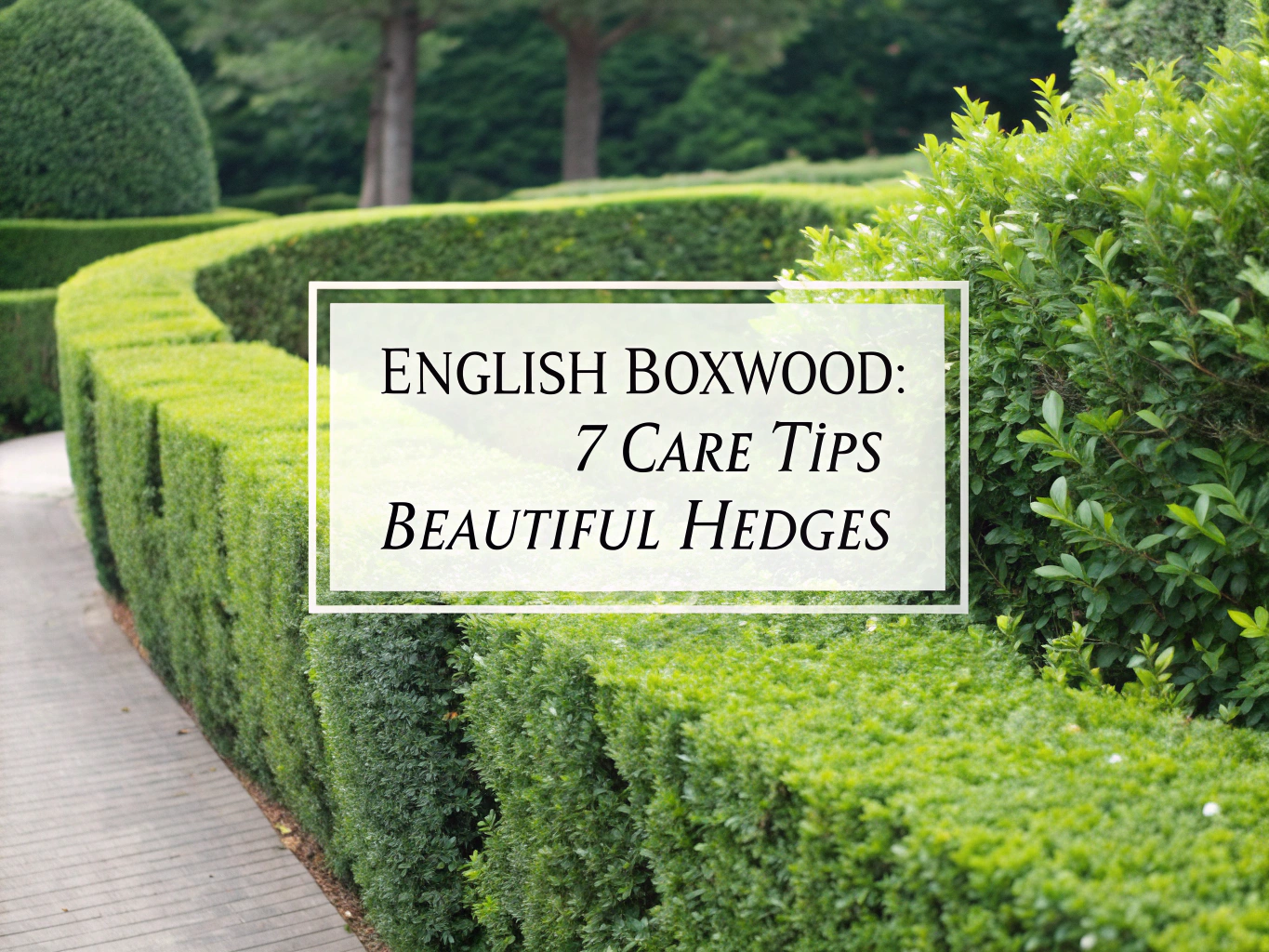
Famous for its small leaves and compact form, this is ideal for formal hedges and borders. English boxwood grows very slowly, which means you will spend less time trimming, but you will also need patience as it fills in. It prefers partial shade and can be sensitive to hot afternoon sun.
2. American Boxwood (buxus Sempervirens)
Grows taller and faster than English boxwood. Perfect for privacy screens. Its upright growth makes it great for marking property lines or creating living fences. While it is more vigorous, it also needs slightly more pruning to keep the shape neat.
3. Winter Gem Boxwood (buxus Microphylla Var. Japonica ‘winter Gem’)
Handles cold weather well and keeps green color through winter. Winter Gem is popular in areas with harsh winters because it resists bronzing (leaf discoloration). The leaves are slightly larger and glossier than English types.
4. Green Velvet Boxwood (buxus ‘green Velvet’)
Round shape, dense foliage, and good resistance to disease. Green Velvet was bred for extra hardiness and easy care, making it a popular choice for beginner gardeners. It forms a mounded shape, naturally filling in gaps and providing a thick, uniform appearance.
5. Japanese Boxwood (buxus Microphylla Japonica)
Tolerates heat and humidity. Good for southern states. Japanese boxwood is also more resistant to certain pests and diseases that can plague other varieties. Its leaves are slightly lighter green and can take more sun than English or American types.
Comparing Boxwood Varieties
Here’s a quick comparison to help you decide:
| Variety | Growth Rate | Height | Hardiness Zone | Best For |
|---|---|---|---|---|
| English Boxwood | Slow | 2-3 ft | 5-8 | Formal edges |
| American Boxwood | Moderate | 10-20 ft | 5-8 | Privacy screens |
| Winter Gem | Fast | 3-4 ft | 5-9 | Cold climates |
| Green Velvet | Moderate | 3-4 ft | 5-8 | Dense hedges |
| Japanese Boxwood | Moderate | 4-6 ft | 6-9 | Warm climates |
Key Tips For Choosing
- Check your USDA Hardiness Zone so plants survive winter.
- Decide if you want a formal hedge (needs regular trimming) or a natural look (less pruning).
- Think about maintenance needs—some boxwoods, like English, need less frequent shaping.
- Consider disease resistance if you live in an area with frequent boxwood blight.
- Look at leaf size and color. Smaller leaves give a more refined look.
Insider Insight: Many beginners forget to consider sunlight and humidity. Japanese boxwood is best for hot, humid areas, while English boxwood prefers cooler climates. If your area has long, hot summers, avoid English boxwood to prevent leaf burn and stress.
Planning Your Boxwood Hedge
Good planning prevents problems later. A boxwood hedge can live for decades, so invest time to design carefully. Poor planning leads to hedges that don’t grow evenly or suffer from disease.
Measuring And Spacing
- Use stakes and string to mark the hedge line. This keeps your planting straight and even.
- Decide the length, height, and width of your hedge.
- Most boxwoods need 2–3 feet between plants for a dense hedge, but smaller varieties (like English) can be spaced closer, around 12–18 inches.
- For very tall or wide hedges, increase spacing to allow each plant to develop fully.
Example: For a 20-foot hedge using Green Velvet boxwood, you’ll need about 10 plants spaced 24 inches apart.
Soil Preparation
- Boxwoods thrive in well-drained soil with pH 6.5–7.5.
- Test your soil for pH and nutrients (kits are available at garden centers or online).
- Add lime if your soil is acidic to raise pH.
- Mix in compost or aged manure to improve soil structure and provide nutrients.
- Avoid heavy clay soils or areas where water pools after rain. If needed, create raised beds or improve drainage with sand or gravel.
Pro Tip: Let your prepared soil rest for a week before planting. This allows organic matter to settle and nutrients to balance.
Sunlight And Location
- Boxwoods need at least 3–4 hours of sun daily. Some shade is okay, but too much shade leads to sparse growth.
- Avoid planting in low spots where water collects after rain—boxwoods hate “wet feet.”
- Plant away from large trees with aggressive roots, like maples or willows, as they compete for water and nutrients.
- Consider wind exposure. In cold climates, strong winter winds can dry out boxwood leaves and cause damage.
Planning Table: Hedge Layout
| Desired Hedge Height | Plant Spacing | Sunlight Needed | Soil pH |
|---|---|---|---|
| 2 ft | 12–18 in | Partial sun | 6.5–7.0 |
| 4 ft | 18–24 in | Full sun | 6.5–7.5 |
| 6 ft | 24–36 in | Full sun | 7.0–7.5 |
Common Mistakes In Planning
- Planting too close: Leads to poor airflow and disease. Crowded plants also compete for water and nutrients, leading to thin, patchy hedges.
- Ignoring soil pH: Boxwoods don’t like acidic soil. Acidic soil can stunt growth and cause yellowing leaves.
- Skipping sunlight check: Weak, leggy growth. Hedges in too much shade will never fill in properly.
- Not planning for growth: Young boxwoods are small, but they will grow! Make sure there’s enough space for mature size.
Non-obvious Insight: Mark your planting line with flour or spray paint before digging. This helps you visualize the hedge and avoid mistakes.
How To Plant Boxwood Hedge: Step-by-step
Planting boxwoods is simple but needs attention to detail. Follow these steps for the best results. The way you plant your boxwoods will affect their health for years to come.
Step 1: Buy Healthy Plants
- Choose nursery-grown boxwoods with strong roots. Look for plants with full, green foliage and no signs of disease.
- Avoid plants with yellow or wilted leaves, or with roots circling inside the pot (root-bound plants).
Example: When buying in spring, check that the nursery stored boxwoods outside, not in a hot greenhouse. Sudden temperature changes can shock young plants.
Step 2: Digging The Trench
- Dig a trench 2–3 times wider than the root ball. This gives roots room to spread out easily.
- Depth should match the container height (usually 8–12 inches), so the root ball sits level with the ground.
- If planting multiple rows, keep at least 12–18 inches between rows for airflow.
Step 3: Soil Amendment
- Mix 2–3 inches of compost into the bottom of the trench. This boosts soil nutrition and holds moisture.
- Add slow-release fertilizer—use a formula for woody plants. Avoid quick-release fertilizers, which can burn roots.
Tip: If your soil is heavy clay, add coarse sand or fine gravel to improve drainage.
Step 4: Planting
- Remove boxwoods from containers, gently loosen roots with your fingers. This encourages roots to grow outward.
- Place plants in the trench, making sure tops of root balls are level with the ground. Don’t plant too deep.
- Space plants according to your plan (see previous table). Precise spacing is key for a dense, even hedge.
Step 5: Backfill And Water
- Fill trench with soil, pressing gently to remove air pockets. Pat down the soil but don’t compact it too hard.
- Water deeply after planting to settle the soil and hydrate roots. Use a watering can with a gentle shower or a hose on low pressure.
Step 6: Mulching
- Add a 2–3 inch layer of mulch around the base. Mulch keeps roots cool and holds in moisture.
- Keep mulch 1–2 inches away from stems to prevent rot and fungal problems.
Step 7: First Pruning
- Lightly trim tops and sides to encourage bushy growth. Early pruning helps create a full, even hedge.
- Don’t over-prune; just remove uneven branches and any dead or damaged stems.
Practical Tip: Many beginners water too lightly. After planting, soak the roots well—at least 1–2 gallons per plant. Check the soil with your finger to make sure moisture reaches deep.
Extra Advice: Label each boxwood with a plant tag, especially if using multiple varieties. This helps you remember care needs for each type.
Caring For Your Boxwood Hedge
Proper care keeps your hedge healthy and beautiful. While boxwood hedges are low-maintenance, they still need attention, especially in the first few years.
Watering
- Boxwoods need regular water, especially during the first year. Water deeply to encourage deep root growth.
- Water deeply once a week, more often in hot weather or sandy soil.
- Avoid overhead watering; wet leaves can cause disease. Instead, water at the base of the plant.
- In the second year and beyond, established boxwoods can handle short dry spells, but will still look best with steady moisture.
Example: In dry summers, use a slow-drip hose to water early in the morning.
Feeding
- Apply balanced fertilizer in spring and mid-summer. Look for slow-release formulas for shrubs.
- Avoid high-nitrogen products—boxwoods prefer slow, steady growth. Too much nitrogen can lead to weak, fast growth that is prone to pests.
- Sprinkle fertilizer on the soil, not on leaves, and water it in well.
Insider Insight: Over-fertilizing can do more harm than good. If your soil is rich and your hedge looks healthy, you may only need to fertilize once a year.
Pruning And Shaping
- Prune in late winter or early spring before new growth. This timing helps you see the hedge’s shape and avoids damage to tender new shoots.
- Use sharp hedge shears or hand pruners. Dull tools can tear leaves and cause brown edges.
- Remove dead or damaged branches. This keeps plants healthy and prevents disease.
- Shape hedge for airflow—avoid dense, solid shapes. Taper the sides so the base is slightly wider than the top; this lets sunlight reach the lower leaves.
Non-obvious Insight: If your hedge is more than three years old, thin out a few inner branches each year. This allows sunlight and air into the center, reducing disease risk.
Mulching
- Refresh mulch every spring. Old mulch breaks down and should be replaced.
- Use organic mulch like bark or shredded leaves. Avoid rocks or plastic, which can overheat roots.
- Mulch helps keep roots cool and moist, and also suppresses weeds.
Pest And Disease Control
- Watch for boxwood blight, leafminer, and mites. Blight shows as brown spots and rapid leaf drop.
- Remove affected branches immediately. Bag and dispose of diseased clippings—don’t compost them.
- Use insecticidal soap or horticultural oil if needed. Follow label directions carefully.
- Good airflow and proper spacing are the best prevention. Clean up fallen leaves and debris from under the hedge.
Care Comparison Table
| Care Task | Frequency | Best Practice |
|---|---|---|
| Watering | Weekly (more in heat) | Deep soak, not shallow |
| Fertilizing | Spring & mid-summer | Balanced, slow-release |
| Pruning | Yearly, as needed | Sharp tools, light trims |
| Mulching | Annual | Organic, keep clear of stems |
| Pest Control | Inspect monthly | Remove infected parts |
Non-obvious Insight: Many people think boxwoods are drought tolerant, but newly planted boxwoods need regular water. Only mature hedges can handle dry spells. Also, boxwoods grown in containers dry out faster than those in the ground.

Credit: betterboxwood.com
Advanced Tips For Healthy Boxwood Hedges
Improving Growth And Longevity
- Rotate your pruning pattern each year for even growth. This prevents one side from becoming too dense or thin.
- Use drip irrigation for steady moisture. Drip systems deliver water directly to roots, saving water and reducing disease.
- Protect roots from winter freeze with extra mulch. In cold regions, a thick mulch layer insulates roots and prevents freeze-thaw cycles.
- Add mycorrhizal fungi to the soil at planting. These beneficial fungi help boxwoods absorb water and nutrients.
Avoiding Common Problems
- Don’t plant boxwood where you removed old boxwoods—soil may carry disease. If you must, remove old soil and replace with fresh soil.
- Monitor pH after heavy rains; acidic soil can develop quickly, especially in clay or sandy soils.
- Watch for signs of stress (yellow leaves, slow growth) and address early. Early action prevents bigger problems later.
- Clean pruning tools with alcohol or bleach between plants to prevent spreading disease.
Creating Formal Vs. Informal Hedges
- Formal hedges need precise, regular trimming. Use string lines and stakes as guides for straight edges.
- Informal hedges can be allowed to grow more naturally, with only light shaping. This look suits cottage gardens or relaxed landscapes.
- For formal shapes, trim two or three times a year. For informal, prune just once in early spring.
Experienced Gardener Insight: If you want a thick hedge, plant two staggered rows. This gives depth and better coverage, especially in windy or exposed sites.
Extra Tip: To keep the base of your hedge full, always trim the top narrower than the bottom. This lets sunlight reach all leaves and prevents thinning.
Geo-specific Boxwood Planting Tips
Boxwood hedges grow in many regions, but local climate affects their care. Adapting your methods to your area helps your hedge stay healthy.
Northern States (zones 4–6)
- Choose cold-hardy varieties like Winter Gem or Green Mountain. These types resist winter burn and bronzing.
- Protect young plants from winter wind with burlap screens. Wind dries out leaves and causes brown patches.
- Water less in winter, but don’t let roots dry out—evergreen plants lose water even when dormant.
- In areas with heavy snow, brush snow off hedges gently to prevent broken branches.
Southern States (zones 7–9)
- Use Japanese boxwood or Green Beauty for heat and humidity. These varieties resist leaf scorch and root rot.
- Mulch heavily to keep roots cool and moist.
- Prune lightly to prevent stress in hot weather. Avoid heavy pruning in midsummer.
- In areas with long droughts, water early in the morning or late evening to reduce evaporation.
Coastal Regions
- Boxwoods tolerate salt spray moderately, but need protection from strong winds.
- Use windbreaks or plant near walls or fences for shelter.
- Rinse salt off leaves with fresh water after storms or strong winds.
Urban Areas
- Boxwoods handle pollution well, making them perfect for city gardens.
- Check soil for contamination (especially lead or heavy metals) before planting, especially if your area was once industrial.
- Mulch to reduce dust, heat, and weed pressure.
Real-world Example
In Atlanta, Georgia, a homeowner planted Japanese boxwood for a 50-foot privacy hedge. They used drip irrigation, heavy mulch, and spaced plants 18 inches apart. The hedge filled in within three years and stayed healthy through hot summers. The homeowner also pruned lightly each spring and added compost every fall, which kept the soil rich and loose.
Another Example: In Boston, Massachusetts, a gardener planted Winter Gem boxwood and wrapped young plants in burlap each winter. After three years, the hedge had no winter burn and stayed green through harsh New England winters.
Credit: glamorwood.com
Common Mistakes And How To Avoid Them
Even experienced gardeners sometimes make errors. Here are mistakes to watch for:
1. Planting Too Deep
Boxwood roots should be at the same level as the soil. Planting too deep can cause rot and suffocation of roots.
2. Overcrowding
Tight spacing blocks airflow and increases disease risk. It also makes pruning more difficult.
3. Skipping Soil Amendment
Poor soil leads to weak growth. Always add compost or organic matter before planting.
4. Ignoring Pests
Small insects or leaf spots can ruin a hedge fast. Inspect regularly and act at the first sign of trouble.
5. Over-pruning
Too much trimming stresses plants and slows growth. Only prune what’s needed to maintain shape.
6. Neglecting Winter Protection
Cold winds can burn leaves. Use burlap or mulch for new hedges, especially in exposed sites.
7. Not Watering Deeply
Shallow watering encourages surface roots, making plants less drought-tolerant.
Extra Tip: If your hedge develops gaps, you can plant new boxwoods in those spots. Water well and keep soil loose around new plants. You can also encourage nearby plants to fill gaps by trimming lightly.
Non-obvious Insight: Many people forget to clean tools between plants, which can spread disease—always disinfect your shears.
Boxwood Hedge Alternatives
Sometimes boxwood isn’t the best choice. Here are alternatives for different needs:
- Privet: Fast-growing, good for tall hedges and quick screens. Needs more frequent trimming.
- Yew: Tolerates shade, easy to shape, and lives for many years. Poisonous berries—avoid if you have pets or children.
- Euonymus: Colorful foliage, handles heat and drought. Some types have variegated (multi-colored) leaves.
- Holly (Ilex): Evergreen, prickly leaves deter animals, and some types have red berries.
Data Point: Boxwood is the most popular hedge plant in the US, but privet is used more in areas with poor soil or where quick growth is needed.
Non-obvious Insight: For a wildlife-friendly alternative, consider native shrubs like inkberry or viburnum, which also offer flowers or berries.
Credit: www.leaflandscapesupply.com
Sustainable And Eco-friendly Boxwood Hedge Practices
Organic Care
- Use natural compost instead of chemical fertilizers. This feeds soil microbes and improves plant health.
- Avoid pesticides unless necessary. Hand-pick pests or use insecticidal soap as a safer option.
- Encourage beneficial insects, like ladybugs, to control pests naturally.
Water Conservation
- Install drip irrigation to save water and reduce evaporation. Drip hoses also help keep leaves dry, which lowers disease risk.
- Mulch heavily to reduce evaporation and keep roots cool. Organic mulch breaks down over time, adding nutrients back to the soil.
Wildlife Friendly Hedges
- Leave some berries or flowers on nearby plants for pollinators and birds.
- Boxwood hedges provide cover for small birds and insects, making your garden more lively.
- Plant native flowers or grasses near your boxwood hedge to boost local biodiversity.
Expert Insight: Many gardeners skip organic mulch, but it improves soil health, reduces weeds, and supports earthworms and other beneficial organisms. Over time, this leads to fewer problems and a more resilient hedge.
Non-obvious Insight: If you compost your hedge trimmings, let them dry out first to avoid spreading disease.
Troubleshooting Boxwood Hedge Problems
Yellowing Leaves
- Usually caused by poor drainage or acidic soil. Check soil pH and adjust if needed, and make sure the area isn’t waterlogged.
- Sometimes yellowing is caused by over-fertilizing or salt buildup from road de-icing in winter.
Leaf Spots
- Often fungal. Remove affected leaves and improve airflow by thinning branches.
- Avoid wetting the leaves when watering.
Slow Growth
- May be lack of nutrients, water, or sunlight. Feed with balanced fertilizer and water deeply.
- Check that roots aren’t competing with nearby trees or compacted soil.
Winter Burn
- Protect with burlap screens or extra mulch. Water well before the ground freezes to help plants resist dehydration.
- In late winter, check for brown tips and prune lightly to encourage new growth.
Pest Infestation
- Use insecticidal soap for minor pests like mites or leafminers.
- For major issues, consult local extension services for advice on safe treatments.
For more detailed plant care, see National Gardening Association.
Non-obvious Insight: Sometimes what looks like disease is actually environmental stress, like too much fertilizer, salt, or inconsistent watering. Always check your care routine before reaching for chemicals.
Frequently Asked Questions
What Is The Best Time To Plant Boxwood Hedges?
The ideal time is spring or fall. This gives roots time to establish before extreme weather. Avoid summer planting, as heat can stress new plants. In very cold regions, early fall is best so roots settle before frost.
How Fast Do Boxwood Hedges Grow?
Boxwoods are slow to moderate growers. Expect 3–6 inches of growth per year for most varieties. American boxwood grows faster than English boxwood. If you want a quick hedge, consider using larger starter plants or spacing them closer together.
How Do I Keep My Boxwood Hedge Green Year-round?
Use cold-hardy varieties in northern zones. Water regularly, mulch, and avoid high-nitrogen fertilizers. Prune in early spring for best results. In hot areas, protect from afternoon sun and mulch to keep roots cool.
What Should I Do If My Boxwood Hedge Gets Blight?
Remove and destroy infected branches. Clean tools with bleach. Improve airflow and avoid overhead watering. Some fungicides help, but prevention is best. Consider replacing very infected plants with disease-resistant varieties.
Can I Transplant Established Boxwood Hedges?
Yes, but it’s tricky. Dig a wide root ball, keep roots moist, and transplant in early spring or fall. Expect some shock—water and mulch carefully after moving. Prune lightly after transplanting to reduce stress.
Should I Fertilize My Boxwood Hedge Every Year?
Not always. If growth is healthy and leaves are green, you may only need to fertilize every other year. Test your soil to check for nutrient needs.
Can I Grow Boxwood In Containers?
Yes. Use well-draining soil and water regularly. Container-grown boxwoods need more frequent watering and may need winter protection in cold climates.
Bringing It All Together
Planting a boxwood hedge is more than just digging and placing plants. Success comes from choosing the right variety, planning carefully, and giving steady care throughout the year. With the tips and steps in this guide, you’ll avoid common mistakes, create a hedge that fits your climate, and enjoy a lush, green border for many years. Remember to adjust your methods for your local conditions and watch your hedge closely for signs of stress. Boxwoods reward careful attention with classic beauty and lasting structure. Whether for privacy, decoration, or garden design, a healthy boxwood hedge is always worth the effort. With patience and the right care, your hedge will become a living frame that enhances your landscape for generations.