
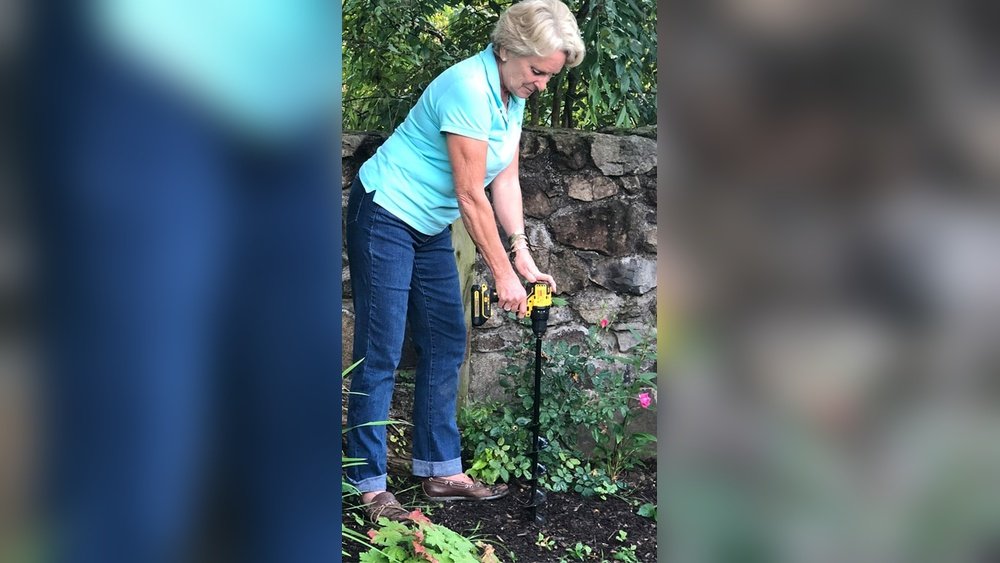
You love spending time in your garden, but worn-out tools can turn that joy into frustration. What if you could make your garden tools last longer and work better every season?
By taking a few simple steps, you can protect your investment, save money, and enjoy smoother gardening sessions. You’ll discover easy, practical tips to clean, maintain, and store your tools so they stay sharp, rust-free, and ready whenever you are.
Keep reading, and watch your garden tools stand the test of time.

Credit: www.amazon.com
Tool Cleaning Methods
Proper cleaning of garden tools extends their life and keeps them working well. Dirt, rust, and plant sap can damage tools quickly. Regular cleaning removes harmful residues and prevents decay. Use simple methods that fit your tools and materials available. Clean tools help maintain sharpness and ease your gardening tasks.
Removing Dirt And Soil
Start by brushing off loose soil with a stiff brush. Use water to rinse stubborn dirt but avoid soaking wooden handles. Scrape off mud with a plastic scraper or old cloth. Dry tools completely to stop rust. Cleaning right after use stops buildup and saves effort later.
Using Natural Cleaners
Natural cleaners work well and protect tools gently. Mix equal parts water and white vinegar to wipe metal parts. Lemon juice and baking soda paste removes stains without harsh chemicals. These cleaners kill germs and help prevent rust. Rinse tools with water and dry after cleaning.
Rust Removal Techniques
Remove rust by scrubbing with steel wool or a wire brush. For tough rust, soak tools in vinegar overnight. After soaking, scrub again to clear loose rust. Use sandpaper to smooth rough spots. Apply a thin coat of oil to protect metal from moisture.
Sharpening Techniques
Sharpening garden tools extends their life and improves performance. Sharp tools cut better, reduce effort, and cause less damage to plants. Regular sharpening prevents rust and wear. Use simple techniques with common tools to keep blades in top shape.
Sharpening Pruners And Shears
Start by cleaning the blades with a damp cloth. Remove dirt and sap for a clear edge. Use a fine sharpening stone or a diamond file. Hold the blade at a 10 to 20-degree angle. Stroke the blade away from you with smooth, even motions. Repeat until you feel a sharp edge. Wipe blades with oil to prevent rust. Check for loose screws and tighten as needed.
Maintaining Blades On Shovels And Spades
Clean the blade with a wire brush to remove soil. Dry the blade thoroughly before sharpening. Use a flat file to sharpen the edge. File in one direction along the blade edge. Keep the angle close to 45 degrees for best results. Remove any nicks or dents during filing. After sharpening, wipe the blade with oil. Store tools in a dry place to avoid rust.
Lubrication And Oiling
Proper lubrication and oiling keep garden tools working smoothly. They prevent rust and reduce wear. This simple care step extends tool life and saves money. Pay attention to both wooden and metal parts for best results.
Choosing The Right Oil
Pick oil that protects without damaging parts. Linseed oil suits wooden handles well. Mineral oil works great for metal surfaces. Avoid cooking oils; they can go rancid and attract dirt. Use clean, light oils for easy application and good protection.
Oiling Wooden Handles
Clean handles before oiling. Sand rough spots gently with fine sandpaper. Apply a small amount of oil with a cloth. Rub it into the wood until fully absorbed. Let handles dry completely. This keeps wood strong and prevents cracking or splintering.
Lubricating Metal Parts
Remove dirt and rust from metal parts first. Use a wire brush or cloth. Apply a few drops of oil to hinges, joints, and blades. Work the oil in by opening and closing moving parts. Wipe off excess oil to avoid dirt buildup. Regular lubrication stops rust and keeps tools sharp.
Credit: growhoss.com
Storage Solutions
Proper storage is key to making garden tools last longer. Storing tools correctly keeps them safe from damage. It also helps prevent rust and wear. Good storage solutions save space and make tools easy to find. Organizing tools properly can extend their life significantly.
Using Hanging Racks
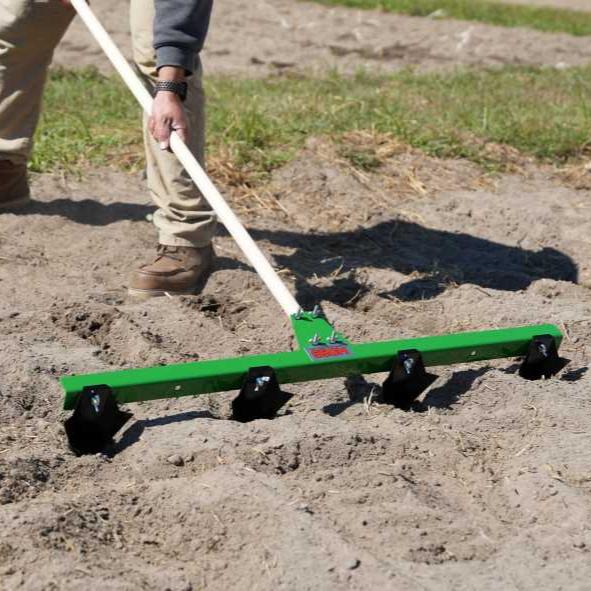
Hanging racks keep tools off the ground and organized. They prevent handles from warping or breaking. Hooks or specialized racks hold shovels, rakes, and hoes securely. This method allows air to circulate around tools, reducing moisture buildup. Hanging racks are simple to install and use in garages or sheds.
Wall-mounted Pegboards
Pegboards offer flexible and visible storage for garden tools. You can arrange hooks and holders to fit different tools. Pegboards keep tools at eye level for quick access. They also prevent clutter by giving each tool a specific spot. Wall-mounted pegboards make it easier to spot missing or damaged tools early.
Protecting Tools From Moisture
Moisture causes rust and damages metal parts quickly. Store tools in a dry, well-ventilated area to avoid this. Use silica gel packets or moisture absorbers in storage spaces. Wipe tools dry before storing after use. Cover tools with cloth or plastic sheeting if humidity is high. Proper moisture protection keeps tools sharp and functional longer.
Preventive Maintenance
Preventive maintenance keeps garden tools in good shape longer. It stops small problems from growing into big ones. Simple care routines protect your tools from rust and damage. This saves money and effort over time.
Regular check-ups and cleaning make your tools ready for every use. Taking time for upkeep ensures tools work well and feel comfortable in your hands. Follow easy steps to keep your tools sharp and strong.
Regular Inspection Routines
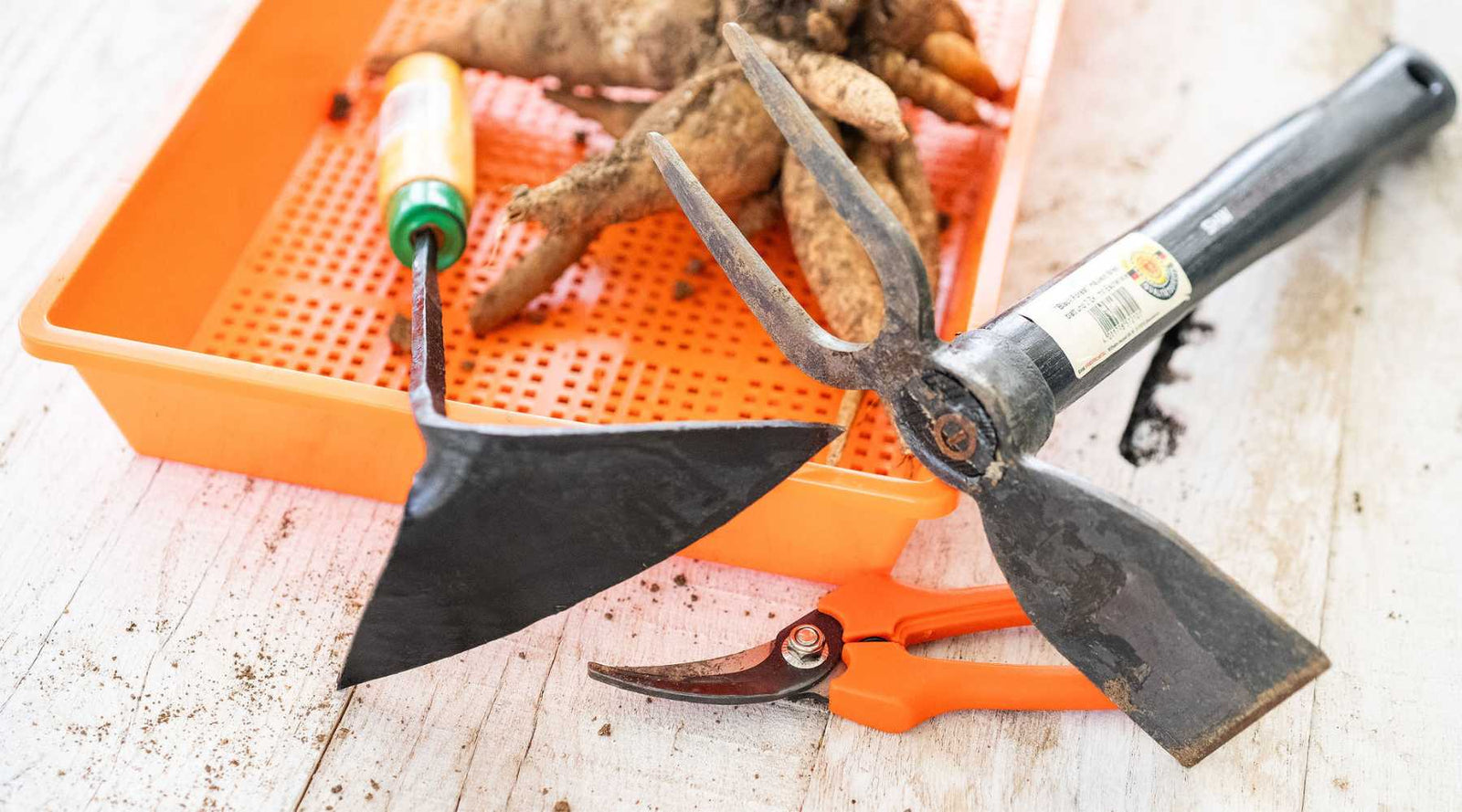
Look over your tools after each use. Check for dirt, rust, or loose parts. Clean blades and handles with a stiff brush or cloth. Spot problems early to avoid costly repairs. Tighten screws and bolts before storing tools away.
Replacing Worn Parts
Change broken or worn pieces quickly. Replace handles that are cracked or splintered. Swap out dull blades or bent prongs. Using damaged parts strains the tool and makes work harder. Keep spare parts handy for quick fixes.
Seasonal Care Tips
Clean tools thoroughly at the end of each season. Remove all soil and moisture to prevent rust. Apply a thin coat of oil on metal parts to protect them. Store tools in a dry place, off the ground. Sand wooden handles lightly and rub with linseed oil for smoothness.
Credit: www.bootstrapfarmer.com
Frequently Asked Questions
Should You Oil Your Garden Tools?
Oiling garden tools prevents rust and keeps wooden handles from drying out. Use linseed or sunflower oil for best results. Regular oiling extends tool life and maintains performance.
Can Wd-40 Be Used On Garden Tools?
Yes, WD-40 can lubricate and protect garden tools from rust. Apply it after cleaning for best results.
What Is The Best Lubricant For Garden Tools?
The best lubricant for garden tools is boiled linseed oil. It protects metal and wooden handles, preventing rust and drying. Sunflower oil with sand or sawdust also works well as a natural, affordable alternative for light lubrication and cleaning.
How Long To Soak Garden Tools In Vinegar?
Soak garden tools in vinegar for 8 to 12 hours to dissolve rust effectively. Then, scrub and rinse thoroughly.
Conclusion
Taking care of garden tools helps them last many seasons. Clean tools after each use to stop rust. Store tools in a dry place, off the ground. Oil wooden handles to keep them strong and smooth. Sharpen blades regularly for easier, safer work.
Small efforts protect your tools and save money. Enjoy gardening with tools that work well every time. Simple care makes a big difference in tool life.