
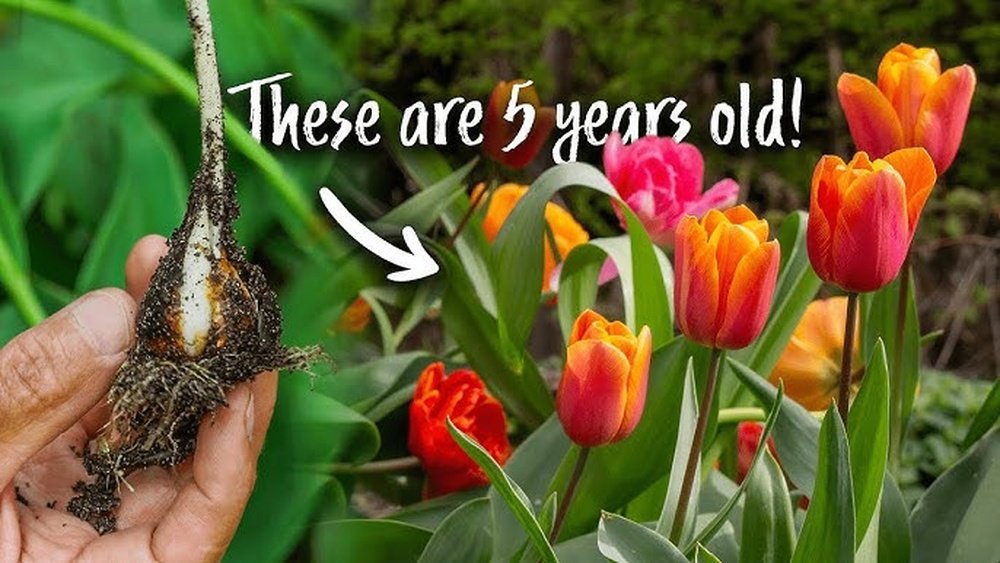
If you want your flower bulbs to produce bigger, brighter blooms year after year, pruning is key. But knowing exactly when and how to prune your bulbs can make all the difference between a lackluster garden and a stunning display.
In this guide, you’ll discover simple, effective pruning techniques that help your bulbs stay healthy and encourage vibrant flowers. Whether you’re growing tulips, daffodils, or other popular bulbs, following these steps will help you get the most out of your garden.
Ready to unlock the secret to better blooms? Let’s dive in!
:strip_icc()/deadheading-roses-00nNzI7O4WQAKgSBC9W-ew-8fa3bf18111046a8b9199ad89729d522.jpg)
Credit: www.bhg.com
Choosing Bulbs To Prune
Choosing which flower bulbs to prune is key for vibrant blooms. Each bulb type needs different care to stay healthy. Understanding when and how to prune helps bulbs grow strong and bloom well next season.
Spring Vs. Fall Bulbs
Spring bulbs, like tulips and daffodils, bloom in early warm months. They need pruning after their flowers fade but leaves stay green. Fall bulbs, such as crocus and alliums, bloom in autumn. These bulbs require pruning after their leaves turn yellow or brown. Knowing the difference helps time pruning correctly for each bulb type.
Identifying Spent Blooms
Spent blooms are flowers that have finished blooming and start to wilt or dry. Removing these spent blooms stops the plant from wasting energy on seed production. Cut the flower stem close to the base but avoid cutting green leaves. Keeping leaves lets the bulb store energy for next year’s flowers.
Credit: organicbazar.net
Timing For Pruning
Knowing the right timing for pruning flower bulbs improves bloom quality. Prune too early, and the plant may weaken. Prune too late, and the bulbs might not store enough energy. Understanding when to cut ensures healthy growth and vibrant flowers next season.
After Flowering Period
Prune flower bulbs only after they finish blooming. The flowers should be fully wilted or dried. This phase is when the plant moves energy from flowers to the bulb. Cutting too soon stops this transfer and weakens the bulb.
Wait until petals drop naturally. Remove spent flowers by pinching or cutting the flower stalk. Leave the leaves intact to keep photosynthesis active. The leaves feed the bulb and help it gather nutrients.
Signs To Wait Before Cutting
Do not cut leaves until they turn yellow or brown. Green leaves mean the bulb still stores energy. Look for signs like curling, yellowing, or drying leaves. These show the bulb’s energy storage is almost complete.
Cutting leaves too early reduces next year’s bloom size and strength. Patience helps bulbs store enough energy for strong roots and flowers. Once leaves are dry and brown, trim them back close to the ground safely.
Pruning Techniques
Pruning flower bulbs improves their health and bloom quality. Proper pruning directs energy toward new flowers. It prevents disease and keeps plants neat. Use careful techniques to get the best results.
Deadheading Flowers
Deadheading means removing faded or dead flowers. Cut the flower stem just above the first set of leaves. This stops the plant from using energy to produce seeds. The bulb can then focus on growing stronger and producing more blooms.
Trimming Foliage
Trim yellow or brown leaves carefully. Leave healthy green leaves untouched until they turn yellow naturally. The green leaves feed the bulb through photosynthesis. Once leaves die back, cut them near the soil. This keeps the garden tidy and prevents diseases.
Removing Seed Pods
Remove seed pods after flowers fade. Seed pods take energy away from the bulb. Cutting them off helps the plant store nutrients for next year’s growth. Use clean scissors or pruners to avoid damage. Regular seed pod removal supports stronger blooms.
Tools For Pruning
Pruning flower bulbs helps keep plants healthy and encourages stronger blooms. Using the right tools makes pruning easier and cleaner. Proper tools reduce damage to bulbs and stems. Sharp, well-maintained equipment ensures neat cuts that heal quickly. Below are key tips on choosing and using tools for pruning flower bulbs.
Choosing The Right Tools
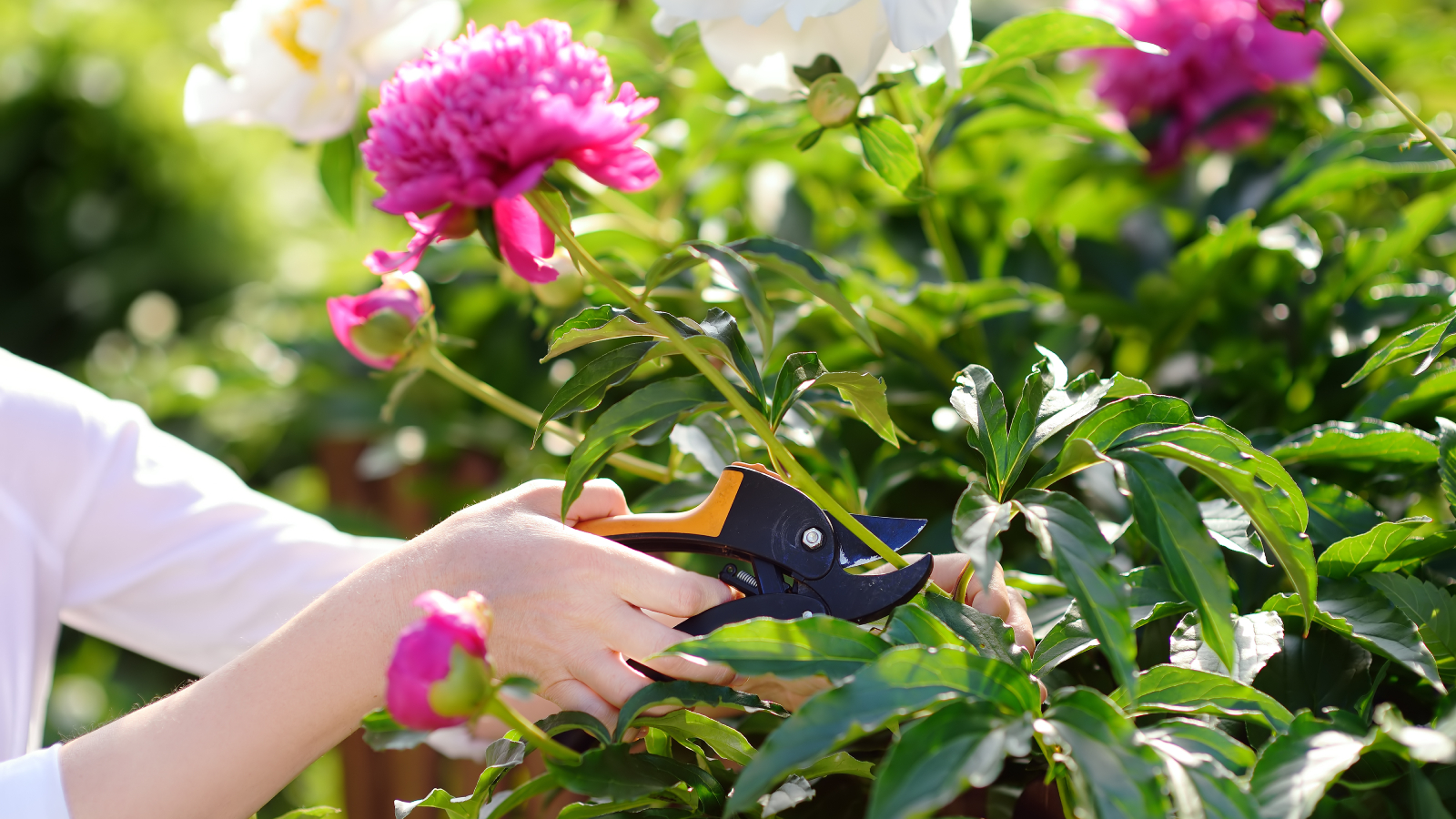
Select tools designed for small, precise cuts. Hand pruners or garden scissors work best. Avoid large shears that can crush stems or bulbs. Use bypass pruners for clean slicing cuts. Make sure tools fit comfortably in your hand for control. Consider tools with sharp blades to cut through tough stems easily.
Maintaining Clean Cuts
Clean cuts prevent diseases and promote faster healing. Sterilize your tools before and after use with rubbing alcohol or a bleach solution. Wipe blades clean to remove sap and dirt. Sharpen blades regularly for smooth cuts without tearing. Avoid crushing stems by cutting at a slight angle. Proper care of tools protects your plants and improves bloom quality.
Post-pruning Care
After pruning flower bulbs, proper care is vital for strong blooms next year. Post-pruning care helps bulbs recover and store energy. This stage supports healthy growth and vibrant flowers. Focus on feeding, watering, and protection to boost bulb health.
Fertilizing Tips
Use a balanced fertilizer with equal nitrogen, phosphorus, and potassium. Apply it after pruning to help bulbs rebuild nutrients. Avoid over-fertilizing as it can harm the bulbs. Slow-release fertilizers work best for steady nutrition. Spread fertilizer evenly around the bulbs, keeping it away from the base.
Watering Practices
Water bulbs deeply but infrequently to encourage strong roots. Ensure the soil is moist but not soggy. Reduce watering as foliage dies back to prevent rot. Use mulch to keep soil moisture steady and reduce evaporation. Water early in the day to allow leaves to dry.
Protecting Bulbs For Next Season
Cover bulbs with mulch to shield them from frost and temperature swings. Use straw, leaves, or compost as protective layers. Remove mulch in early spring to let new shoots grow. Check bulbs for signs of disease or pests and remove affected parts. Store bulbs indoors if your area has harsh winters.
Common Mistakes To Avoid
Pruning flower bulbs is essential for healthy, vibrant blooms. Avoiding common mistakes helps bulbs store energy for next season. Many gardeners cut bulbs too early or remove too much foliage. These errors reduce bloom quality and bulb strength. Learn to recognize and prevent these frequent pruning pitfalls.
Cutting Too Early
Cutting flower stems or leaves too soon stops the bulb from gathering nutrients. The green leaves feed the bulb as they photosynthesize. Removing them early leaves bulbs weak and less likely to bloom again. Wait until leaves turn yellow or brown before cutting them back. Patience ensures bulbs store enough energy for next spring.
Over-pruning Foliage
Trimming too much foliage harms the bulb’s food supply. Bulbs need leaves to make and store food. Cutting more than one-third of the foliage reduces bulb strength. Leave most leaves intact until they naturally wither. This practice supports strong blooms and healthy bulbs year after year.
Encouraging Future Blooms
Encouraging future blooms starts after your flower bulbs finish blooming. Proper care now helps bulbs store energy for next year. The way you handle leaves and bulbs affects bloom strength. Follow simple steps to keep your bulbs healthy and ready.
Allowing Leaves To Die Back Naturally
Leaves help bulbs gather sunlight and make food. Do not cut leaves immediately after flowers fade. Leave leaves alone until they turn yellow and dry. This process lets bulbs store energy for next bloom. Cutting leaves too soon weakens bulbs and reduces flowers. Patience with leaves leads to stronger plants next season.
Storing Bulbs Properly
Some bulbs need storage after leaves die back. Carefully dig bulbs from soil once leaves are dry. Remove excess dirt but avoid washing bulbs with water. Store bulbs in a cool, dry place with good air flow. Use paper bags or mesh containers to prevent moisture. Proper storage stops bulbs from rotting or drying out. Check bulbs regularly and discard any soft or moldy ones.
Credit: www.gardeningknowhow.com
Frequently Asked Questions
Do You Cut Back Bulbs In The Fall?
Do not cut back bulbs in the fall. Wait until foliage turns brown and dies naturally before pruning. This protects bulb health.
What Plants Need To Be Pruned In October?
Prune herbaceous perennials, lavender, rosemary, summer-fruiting berries, Knock Out roses, southern magnolia, gardenia, hydrangeas, and shrubs with suckers in October.
How To Get Bulbs To Bloom Again?
Allow foliage to fully yellow and die before cutting back. Provide ample sunlight and water during growth. Fertilize bulbs after blooming to restore energy. Store bulbs in a cool, dry place if necessary. Plant bulbs at the correct depth for best reblooming results.
Is It Okay To Prune In September?
Yes, prune summer-flowering shrubs, herbs, and evergreen hedges lightly in September. Avoid heavy pruning on most trees to prevent frost damage.
Conclusion
Pruning flower bulbs helps plants grow strong and bloom well. Cut back leaves only when they turn yellow or brown. This lets the bulb store energy for next year’s flowers. Avoid cutting leaves too early to keep bulbs healthy. Regular care improves bloom size and color.
Keep bulbs free from pests and diseases. Simple pruning steps lead to beautiful garden blooms. Try this easy method to enjoy vibrant flowers yearly. Your garden will thank you with brighter, fuller blooms.