

Lilacs are famous for their sweet fragrance and beautiful blooms. Many gardeners dream of growing these hardy bushes, but planting lilacs correctly is the key to enjoying their flowers for decades. If you want to know how to plant a lilac bush so it thrives, you’re in the right place.
This guide will walk you through every step, from choosing the right variety to care after planting. Even if you’re new to gardening, you’ll find clear instructions and practical tips that make the process easy.
Lilacs are more than just pretty plants—they’re also long-lived, often lasting 50 years or more. With the right start, your lilac bush can become a family favorite, attracting butterflies and filling your yard with color and scent every spring. Let’s look at everything you need to know to plant lilac bushes the right way.
Understanding Lilac Bushes
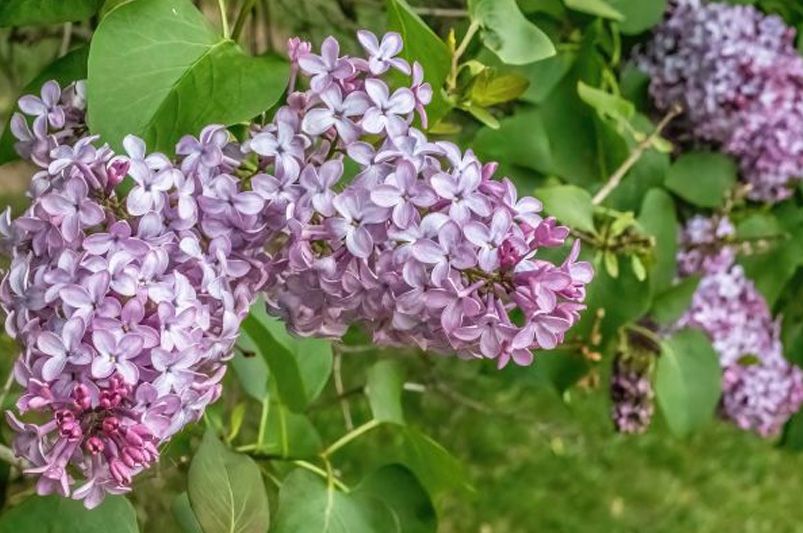
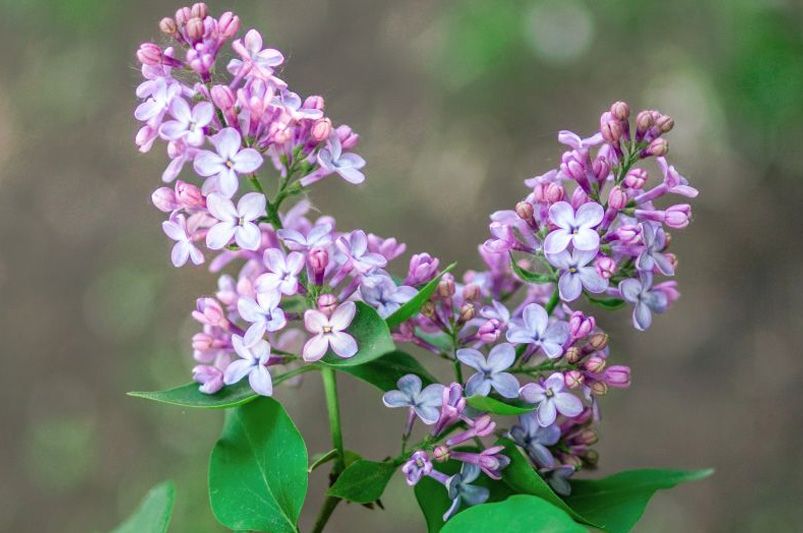
Lilac bushes belong to the Syringa genus. Most people know the common lilac (Syringa vulgaris), but there are over 20 species and hundreds of cultivars. Lilacs are native to Eastern Europe and Asia, thriving in cool climates. Their flowers appear in late spring, and colors range from purple to white, pink, blue, and even yellow.
Lilacs are deciduous shrubs, meaning they lose their leaves in winter. Mature bushes can reach heights of 6–20 feet, depending on the variety. The blooms are grouped in large clusters called panicles. Lilacs are valued for their scent, which is strongest in the morning.
Types Of Lilac Bushes
Choosing the right lilac variety is important. Here are some popular types:
- Common Lilac: Tall, classic, fragrant, with purple or white flowers.
- Dwarf Korean Lilac: Compact, good for small gardens, pale lavender blooms.
- Japanese Tree Lilac: Grows as a small tree, cream-colored flowers, less fragrant.
- Miss Kim Lilac: Compact, cold-hardy, light lavender flowers.
- French Hybrid Lilac: Large blooms, rich colors, bred for beauty and scent.
Lilac Bush Statistics
Lilacs are known for their longevity and hardiness. Here are some quick facts:
- Average lifespan: 50–100 years
- Mature height: 6–20 feet
- Bloom time: Late spring (April–June)
- USDA Hardiness zones: 3–7
- Growth rate: 1–2 feet per year
Knowing these basics helps you plan for the space and care lilacs will need.
Choosing The Right Location
Planting a lilac bush in the right spot is critical. Lilacs need plenty of sunlight and well-drained soil to bloom well.
Sunlight Requirements
Lilacs thrive in full sun. They need at least 6 hours of direct sunlight each day. If planted in shade, lilacs may grow leaves but produce few flowers. Most experts recommend a south-facing spot for best results.
Soil Conditions
Lilacs prefer neutral to slightly alkaline soil (pH 6.5–7.5). Heavy clay or waterlogged soil can cause root rot. If your soil is acidic, add lime to raise the pH.
Space And Airflow
Lilacs need space. Plant bushes at least 5–15 feet apart (depends on variety) to allow airflow and prevent disease. Avoid planting too close to buildings or fences. Good airflow is important because damp, crowded spots lead to fungal problems.
Checking Your Site
Test your soil’s pH before planting. Home soil test kits are cheap and easy to use. If drainage is poor, amend with compost or sand. Avoid low areas where water pools after rain.
Picking The Best Lilac Variety For Your Garden
Lilacs come in many shapes and sizes. Choosing the best one depends on your climate, space, and style.
Climate Compatibility
Lilacs love cold winters. They need a period of cold dormancy to bloom. If you live in USDA zones 3–7, most varieties will do well. In warmer regions, look for heat-tolerant types like Miss Kim or Bloomerang.
Size And Growth Habit
Select a variety that fits your space. Here’s a quick comparison:
| Variety | Mature Height | Mature Width | Best For |
|---|---|---|---|
| Common Lilac | 12–20 ft | 8–12 ft | Large yards, hedges |
| Dwarf Korean Lilac | 4–5 ft | 5–7 ft | Small gardens, borders |
| Japanese Tree Lilac | 20–30 ft | 15–25 ft | Shade trees, focal points |
| Miss Kim Lilac | 6–8 ft | 6–8 ft | Cold climates, compact areas |
Color And Fragrance
Lilacs offer a range of colors: purple, pink, white, blue, even yellow. Fragrance varies—some are very strong, others mild. If scent is important, choose French hybrids or common lilacs.
Disease Resistance
Some lilacs resist powdery mildew and other diseases better. Miss Kim and Bloomerang are good choices for humid areas. Always check the disease resistance rating before buying.
When To Plant Lilac Bushes
The best time to plant lilacs is during their dormant phase. This ensures the roots settle before rapid growth in spring.
Planting Seasons
- Early spring: Just as the ground thaws but before leaves sprout.
- Early fall: After summer heat but before the first frost.
Avoid planting during the hottest part of summer or when the ground is frozen. Roots need time to adjust before extreme weather.
Climate-based Timing
In cold zones (3–5), spring planting is often safest. In warmer zones (6–7), fall planting gives roots a head start before winter.
How To Prepare The Soil
Healthy soil is the foundation for a strong lilac bush. Start by testing and improving your planting area.
Testing Soil Ph And Quality
Use a soil test kit to check pH. Aim for 6. 5–7. 5. If soil is too acidic, add garden lime. If too alkaline, add sulfur. Check for drainage—dig a hole, fill with water, and see how fast it drains.
Ideally, water should disappear within an hour.
Amending Soil
Lilacs dislike soggy roots. If your soil is heavy clay, mix in sand or compost. For sandy soil, add organic matter to retain moisture. About 2–4 inches of compost spread over the planting area improves fertility.
Fertilizing Before Planting
Lilacs do not need rich soil, but a little balanced fertilizer can help. Use a 10-10-10 NPK fertilizer at half the recommended rate, mixing it into the soil.
Example Of Soil Preparation Steps
- Remove weeds and rocks.
- Dig a hole twice as wide and as deep as the root ball.
- Mix compost and sand into soil.
- Check pH and adjust if needed.
- Lightly sprinkle fertilizer.
Choosing The Right Planting Method
You can plant lilacs from bare-root, container-grown, or even cuttings. Each method has its own steps.
Bare-root Lilacs
Bare-root lilacs are sold dormant, with no soil around roots. They’re cheaper and establish quickly. Soak roots in water for an hour before planting.
Container-grown Lilacs
Container lilacs come with soil and leaves. They can be planted anytime the ground is not frozen. Loosen roots before planting.
Planting From Cuttings
Lilacs can be propagated from softwood cuttings, but this method takes longer. Use rooting hormone and keep cuttings moist.
Comparison Of Planting Methods
| Method | Cost | Ease | Success Rate |
|---|---|---|---|
| Bare-root | Low | Moderate | High |
| Container | Medium | Easy | High |
| Cuttings | Low | Difficult | Low |
For beginners, bare-root or container-grown lilacs are best.
Credit: www.shrubhub.com
Step-by-step: How To Plant Lilac Bushes
Planting a lilac bush the right way ensures strong growth and healthy blooms. Here’s a clear guide:
- Dig the hole: Make it twice as wide as the root ball and just as deep.
- Prepare the roots: Soak bare roots for an hour. For container plants, loosen roots gently.
- Place the bush: Set the lilac in the hole so the top of the root ball is level with the ground.
- Backfill soil: Fill in with amended soil, pressing gently to remove air pockets.
- Water deeply: Give at least 2 gallons of water after planting.
- Mulch: Spread 2–3 inches of mulch around the base, keeping it away from the stem.
- Stake if needed: If your area is windy, use a stake for the first year.
Common Mistakes To Avoid
- Planting too deep—roots need oxygen.
- Using rich, wet soil—causes rot.
- Mulching against the stem—invites disease.
- Skipping soil tests—leads to poor growth.
- Crowding bushes—limits airflow.
Practical Example
Imagine planting a Miss Kim Lilac in a small yard. You dig a hole 18 inches wide and 12 inches deep. After soaking the bare roots, you place the bush, cover with compost-mixed soil, and water deeply. You finish by mulching around (but not touching) the stem.
Caring For Newly Planted Lilac Bushes
The first year is critical for lilac survival. Proper care builds strong roots and healthy stems.
Watering
Lilacs need moist soil, but not soggy. Water once a week for the first month, then reduce as rain increases. About 1 inch of water per week is enough.
Mulching
Mulch conserves moisture and stops weeds. Use wood chips or bark. Keep mulch 2–3 inches from the stem to prevent rot.
Fertilizing
Do not over-fertilize. Too much nitrogen causes leafy growth but few flowers. Use balanced fertilizer in early spring only, and skip it in the first year if soil is rich.
Pruning
Do not prune in the first year. After the second year, remove dead or weak stems. Prune just after flowering, so new buds have time to form.
Protecting From Pests And Diseases
Lilacs are strong but can suffer from powdery mildew, scale insects, and borers. Ensure good airflow. If mildew appears, prune to open the bush. For insect problems, use horticultural oil.
Example: First-year Care Schedule
- Week 1: Water deeply after planting.
- Weeks 2–4: Water weekly, check mulch.
- Month 2: Watch for mildew, remove weeds.
- Month 3: Reduce watering if rainfall increases.

Credit: creativehomemaking.com
Lilac Bush Growth And Blooming Tips
Lilacs bloom best when their basic needs are met. Here’s how to encourage strong, healthy flowers.
Sunlight And Airflow
Lilacs bloom poorly in shade. Make sure your bush gets full sun all day. Thin out crowded stems to improve airflow.
Annual Pruning
Prune after flowers fade. Remove old stems and faded blooms to direct energy to new growth. Never prune in late summer or fall—this removes buds for the next year.
Fertilizer And Soil
Use fertilizer sparingly. If leaves are yellow, test soil and add nutrients as needed. Too much fertilizer can cause lush leaves but no flowers.
Blooming Statistics
- Lilacs bloom for 2–3 weeks each spring.
- Flower clusters can reach 8–12 inches long.
- Average bush produces 100–200 blooms at maturity.
Non-obvious Insight: Bud Formation
Lilac buds form the summer before they bloom. If you prune late, you may remove these buds. Prune right after flowering for best results.
Troubleshooting Common Lilac Problems
Lilacs are tough, but they can face issues. Here’s how to solve the most frequent problems.
Powdery Mildew
A white, powdery coating on leaves. Caused by humid, crowded conditions.
- Solution: Improve airflow, prune crowded stems, avoid overhead watering.
No Blooms
Lilacs sometimes fail to flower.
- Causes: Too much shade, over-fertilizing, pruning at the wrong time, young age.
- Solution: Move to sunnier spot, reduce fertilizer, prune just after blooming.
Yellowing Leaves
Usually a sign of poor soil or drainage.
- Solution: Test soil pH, check for waterlogged roots, add compost.
Insect Pests
Scale, borers, and aphids can attack lilacs.
- Solution: Inspect regularly, use horticultural oil, remove affected stems.
Lilac Bush Comparison Table
Here’s a quick comparison of popular lilac varieties:
| Variety | Flower Color | Fragrance | Growth Rate | Disease Resistance |
|---|---|---|---|---|
| Common Lilac | Purple, White | Strong | Medium | Medium |
| Dwarf Korean Lilac | Pale Lavender | Mild | Fast | High |
| Miss Kim Lilac | Pale Lavender | Mild | Medium | High |
| Japanese Tree Lilac | Cream | Weak | Slow | High |
Advanced Tips For Healthy Lilacs
If you want your lilac bush to really shine, here are some expert ideas:
Deadheading
Remove faded flowers after blooming. This prevents seed formation and encourages more blooms next year.
Root Suckers
Lilacs sometimes send up shoots from the base. Remove these suckers to keep the bush tidy and healthy.
Non-obvious Insight: Root Competition
Lilacs hate root competition. Avoid planting near large trees or aggressive groundcovers. Roots need space and nutrients.
Winter Protection
Lilacs are hardy, but young bushes can suffer from frost heaving. Add extra mulch in late fall to protect roots.
Rejuvenation Pruning
Old lilacs can be revived by cutting back a third of the oldest stems each year. This encourages new growth and improves flowering.
Landscaping With Lilac Bushes
Lilacs add beauty and scent to gardens. Planning their placement increases their impact.
Hedges And Borders
Plant common lilacs in rows for a fragrant hedge. Space bushes 8–12 feet apart. Mix colors for a striking look.
Focal Points
Use Japanese tree lilac as a centerpiece in lawns. Dwarf lilacs fit well in foundation plantings or near patios.
Companion Plants
Lilacs pair well with peonies, daylilies, and spring bulbs. Avoid plants that crowd the roots.
Propagating Lilac Bushes
You can grow new lilacs from existing plants. Here are the main methods:
Cuttings
Take softwood cuttings in late spring. Use rooting hormone and plant in moist sand.
Division
Older bushes can be divided at the base. Dig up and split root clusters, replant in new spots.
Suckers
Remove root suckers and plant elsewhere. Suckers grow quickly if watered and mulched.
Seed
Lilacs can grow from seed, but this method is slow and unpredictable. Most gardeners use cuttings or division.
Lilac Bushes In Different Climates
Lilacs are adapted to cold, but some varieties tolerate heat.
Cold Climates
Most lilacs thrive in cold winters. Choose classic varieties. Mulch well in fall.
Warm Climates
Look for heat-tolerant types like Miss Kim or Bloomerang. Plant in cooler spots, avoid afternoon sun.
Urban Areas
Lilacs tolerate pollution. Plant away from busy roads if possible. Choose disease-resistant types.
Lilac Bush Statistics And Fun Facts
Lilacs are more than just garden plants. Here are some surprising details:
- Oldest lilac bush in the US: Planted in 1750 in New Hampshire.
- Lilacs are state flower of New Hampshire.
- Lilac festivals are held in Rochester, NY and Spokane, WA.
- Mature lilacs can bloom for over 100 years with care.
- Lilacs attract butterflies and bees, but deer rarely eat them.
Frequently Asked Questions
How Long Does It Take For A Lilac Bush To Bloom After Planting?
Most lilac bushes bloom 2–5 years after planting. Bare-root plants often bloom sooner than cuttings. Container-grown lilacs may flower in their first or second year if mature enough.
Can Lilac Bushes Grow In Containers?
Yes, dwarf lilac varieties can grow in containers. Use a pot at least 18 inches wide and ensure good drainage. Container lilacs need extra watering and annual pruning.
What Is The Best Fertilizer For Lilacs?
Use a balanced 10-10-10 fertilizer in early spring. Avoid high-nitrogen fertilizers, which cause leafy growth but fewer blooms. Fertilize only once a year unless soil is poor.
How Do I Prevent Powdery Mildew On Lilacs?
Ensure good airflow by spacing bushes properly and pruning crowded stems. Water at the base, not overhead. Choose disease-resistant varieties like Miss Kim for humid climates.
Can I Transplant An Old Lilac Bush?
Yes, but it’s challenging. Dig up as much root as possible in early spring or fall. Replant quickly and water well. Old bushes may take 2–3 years to recover and bloom again.
Planting a lilac bush the right way sets the stage for years of beauty and scent. Remember to pick the right variety, prepare the soil carefully, and give your bush plenty of sun and space. With patient care, your lilac will reward you every spring. For more detailed information, visit Missouri Botanical Garden. Lilacs are a classic garden favorite, and planting them correctly is the first step to enjoying their charm for generations.
Credit: www.shrubhub.com