
If you’ve ever wished you could grow more of your favorite flowers without spending a fortune at the nursery, learning how to propagate flowers from seed cuttings is the perfect skill for you. Imagine turning just a single cutting into a whole garden full of vibrant blooms—sounds exciting, right?
Whether you’re a beginner or have tried growing plants before, this method gives you control over your garden’s future and helps you create beautiful, healthy plants from scratch. Ready to discover simple, step-by-step techniques that anyone can master? Keep reading and unlock the secrets to growing stunning flowers right from your own home.

Credit: anthuriumhi.com
Choosing Seeds And Cuttings
Choosing the right seeds and cuttings is the first step in successful flower propagation. Healthy seeds and cuttings grow into strong plants that bloom beautifully. Picking the best materials helps avoid problems like disease or weak growth. This section explains how to select seeds and cuttings that will give your flowers the best start.
Best Flowers For Seed Propagation
Some flowers grow easily from seeds and make great choices for beginners. Marigolds, zinnias, cosmos, and sunflowers sprout quickly and need little care. Annual flowers often produce seeds that germinate well. Perennial flowers like echinacea and black-eyed Susan also grow nicely from seeds but take longer. Choose flowers that suit your climate and garden space for the best results.
Selecting Healthy Cuttings
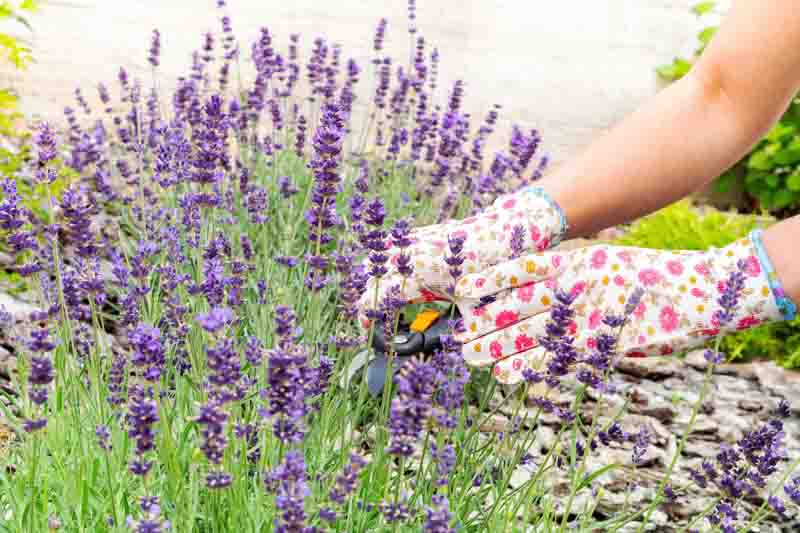
Healthy cuttings come from strong, disease-free plants. Look for stems that are firm and green, with no signs of wilting or spots. Avoid old wood or weak, thin stems. Choose cuttings with several leaf nodes, as new roots grow from these points. Cut just below a leaf node using sharp, clean scissors or a knife. Clean cuttings root faster and reduce the risk of infection.
Timing For Taking Cuttings
Take cuttings when plants are actively growing for better success. Softwood cuttings work well in spring and early summer. Semi-hardwood cuttings are best in late summer. Hardwood cuttings suit late fall and winter, from dormant plants. Avoid cutting in extreme heat or cold. Early morning or late afternoon are ideal times to take cuttings, as plants are less stressed.
Credit: www.gardenia.net
Preparing Seeds And Cuttings
Preparing seeds and cuttings correctly improves your chances of growing healthy flowers. Seeds need special care to start strong. Cuttings require careful trimming and treatment to root well. Follow simple steps to get your seeds and cuttings ready for planting.
Seed Treatment And Soaking
Some flower seeds have hard shells that block water. Soaking softens the shell and speeds up germination. Use warm water and soak seeds for 12 to 24 hours. Avoid soaking too long to prevent seed rot. After soaking, plant seeds in moist soil to help them sprout quickly.
Trimming And Preparing Cuttings
Choose healthy stems for cuttings, about 4 to 6 inches long. Cut just below a leaf node where roots grow best. Remove lower leaves to stop them from rotting in soil. Keep the top leaves to help the cutting make food. Trim any flowers or buds to focus energy on roots.
Using Rooting Hormones
Rooting hormones help cuttings grow roots faster and stronger. Dip the cut end into rooting powder or gel. Shake off extra hormone before planting. This step is useful for woody or slow-rooting plants. Rooting hormones increase success rates and create healthy new plants.
Setting Up Propagation Environment
Creating the right environment is vital for growing flowers from seed cuttings. The setup influences how well cuttings root and develop. Careful attention to containers, soil, temperature, and humidity helps young plants thrive. Setting up this space with the right tools and conditions improves success rates. Follow these steps for a healthy start.
Choosing Suitable Containers
Select containers with good drainage holes to prevent waterlogging. Small pots, seed trays, or recycled containers work well. Clear plastic pots or trays help monitor root growth. Avoid deep pots; shallow ones keep soil moist near cuttings. Clean containers before use to reduce disease risk.
Soil And Growing Medium Options
Use light, well-draining soil to keep cuttings healthy. Mix equal parts of peat moss, perlite, and vermiculite for a perfect medium. Avoid heavy garden soil as it retains too much water. Sterilized potting mix reduces pests and fungi. Moist but not soggy soil encourages root formation.
Temperature And Humidity Control
Maintain temperatures between 65°F and 75°F to stimulate root growth. Use a heat mat if room temperature is too low. High humidity helps prevent cutting dehydration. Cover containers with plastic or a humidity dome to keep moisture in. Remove covers daily to allow fresh air and avoid mold.
Credit: www.gardeningknowhow.com
Planting Seeds And Cuttings
Planting seeds and cuttings is the first step in growing new flowers. This process needs care and the right technique. Proper planting helps seeds and cuttings develop roots and grow strong plants. Understanding how to handle both seeds and cuttings improves your chances of success. Follow clear steps to prepare, plant, and nurture your new flower plants.
Sowing Seeds Correctly
Start with fresh, high-quality seeds. Use seed trays or small pots filled with light, well-draining soil. Plant seeds at the depth suggested on the seed packet. Cover seeds gently with soil. Space seeds evenly to avoid crowding. Place trays in a warm spot with indirect sunlight. Keep the soil moist but not soggy for best germination.
Inserting Cuttings For Rooting
Choose healthy, disease-free stems for cuttings. Cut just below a leaf node using a sharp knife or scissors. Remove lower leaves to expose the stem. Dip the cut end in rooting hormone to boost root growth. Insert the cutting into moist rooting medium like perlite or peat moss. Firm the soil around the cutting to hold it upright. Place cuttings in a bright area with indirect light.
Watering Techniques
Watering is crucial for seeds and cuttings to thrive. Keep soil consistently moist but avoid waterlogging. Use a spray bottle to mist the soil surface gently. Water early in the day to allow drying before night. Check moisture daily, especially in warm conditions. Overwatering can cause rot, while underwatering dries out roots. Balance is key to healthy growth.
Caring For New Plants
Caring for new plants after propagating flowers from seed cuttings is crucial. Young plants need the right environment to grow strong roots and healthy leaves. Proper care increases the chance of survival and helps them become mature plants. Focus on light, moisture, and pest control to support their growth.
Light Requirements
New plants need plenty of bright, indirect light. Avoid direct sunlight as it can burn delicate leaves. A spot near a window with filtered light works well. Rotate plants regularly for even growth. Keep light consistent to prevent weak, leggy stems.
Maintaining Moisture Levels
Keep the soil moist but not soggy. Check soil daily by touching the surface. Water gently to avoid disturbing roots. Use a spray bottle or a watering can with a fine spout. Good drainage is essential to prevent root rot. Mist the leaves to keep humidity up, especially in dry rooms.
Monitoring For Pests And Diseases
Inspect plants regularly for pests like aphids or spider mites. Look under leaves and along stems. Remove any insects by hand or with a gentle spray of water. Watch for signs of disease such as spots or mold. Remove affected leaves promptly. Healthy plants resist pests and diseases better.
Transplanting And Hardening Off
Transplanting and hardening off are vital steps in growing strong, healthy flowers from seed cuttings. Transplanting moves young plants into larger pots or outdoor soil. Hardening off prepares them for outdoor life by slowly exposing them to natural conditions. These steps increase survival and growth after planting.
Identifying Root Development
Check roots before transplanting. Gently remove the seedling from its container. Healthy roots are white and spread well. Avoid plants with brown or mushy roots. Strong root growth means the plant is ready for transplant.
Preparing For Outdoor Planting
Choose a suitable location with the right sunlight and soil. Water the soil before planting to reduce shock. Dig holes slightly larger than the root ball. Handle seedlings carefully to protect roots. Place the plant gently and cover roots with soil. Press soil lightly to remove air pockets.
Gradual Acclimatization Process
Start hardening off by placing plants outside in shade. Leave them out for 1-2 hours the first day. Increase time outdoors daily by 1-2 hours. Gradually expose plants to more sunlight and wind. After 7-10 days, plants will adjust to outdoor conditions. This process strengthens plants for permanent planting.
Troubleshooting Common Issues
Troubleshooting common issues helps improve success in propagating flowers from seed cuttings. Problems often arise but most can be fixed with simple steps. Understanding root rot, poor germination, and wilting cuttings is key. This guide covers easy solutions to keep your cuttings healthy and growing strong.
Dealing With Root Rot
Root rot happens when cuttings sit in water too long. It causes roots to turn brown and mushy. To stop root rot, use well-draining soil or growing medium. Avoid overwatering by letting the soil dry slightly between waterings. Remove any affected parts of the cutting to prevent spread. Clean pots and tools before use to reduce infection risks.
Addressing Poor Germination
Poor germination means seeds or cuttings fail to sprout well. Check if seeds are fresh and stored correctly. Use a warm, moist environment to encourage growth. Light may be needed for some seeds, so research your flower type. Avoid planting seeds too deep or too shallow. Keep soil evenly moist but not soaked. Patience is important as some seeds take longer to sprout.
Handling Wilting Cuttings
Wilting happens when cuttings lose too much water. It signals stress or poor root development. Increase humidity by misting or covering cuttings with a plastic dome. Ensure cuttings get indirect sunlight and stable temperatures. Check for pests or diseases that may cause wilting. Trim damaged leaves and avoid strong drafts. Healthy roots help cuttings stay firm and green.
Seasonal Tips For Propagation
Propagation success improves with the right seasonal techniques. Each season offers unique conditions that affect seed and cutting growth. Understanding these differences helps you choose the best method for your flowers. Timing your propagation efforts can lead to stronger, healthier plants.
Fall And Winter Hardwood Cuttings
Hardwood cuttings work best in fall and winter. Use mature, dormant stems from deciduous shrubs and trees. Cuttings taken after leaves drop have a higher chance of rooting. Keep cuttings moist and cold but not frozen. Plant them in well-draining soil or pots with good airflow. This method suits plants like dogwood, rose, and willow. Rooting can take several months, so patience is key.
Spring And Summer Softwood Cuttings
Softwood cuttings thrive in spring and summer. These come from new, flexible growth on plants. Cut just below a leaf node for best rooting. Maintain high humidity and warm temperatures around cuttings. Use a rooting hormone to boost success rates. Water regularly but avoid waterlogging. This technique works well for tender perennials and shrubs like hydrangea and forsythia. Faster root development happens in these warmer months.
Adjusting Methods By Climate
Climate plays a big role in propagation timing. In warmer areas, softwood cuttings can start earlier and last longer. Cooler climates favor hardwood cuttings during dormant months. Adjust watering and shelter based on local weather. Protect cuttings from frost or extreme heat. Use greenhouses or indoor setups to control conditions. Tailoring your approach to your climate increases the chance of strong plant growth.
Frequently Asked Questions
Is October Too Late To Take Cuttings?
October suits hardwood cuttings from dormant plants like rose, fig, and dogwood. Avoid softwood cuttings; they need warmth and active growth. Root hardwood cuttings indoors or in a greenhouse for best results.
What Is The Easiest Flower To Grow From A Seed?
Sunflowers are the easiest flowers to grow from seed. They germinate quickly and thrive in full sun with minimal care.
Why Is It Illegal To Propagate Plants?
Propagating certain plants is illegal to protect patented, endangered, or trademarked species. It preserves breeders’ rights and biodiversity.
What Is The 70 30 Rule In Gardening?
The 70 30 rule in gardening means planting 70% of your garden with perennial plants and 30% with annuals for balanced growth and color.
Conclusion
Propagating flowers from seed cuttings takes patience and care. Start with healthy seeds and cuttings for best results. Keep the soil moist and provide enough light. Watch your plants grow day by day. This method saves money and lets you grow many flowers.
Try different flowers to find what works best. Enjoy the process and the beauty it brings to your garden. Small steps lead to big blooms. Happy gardening!