
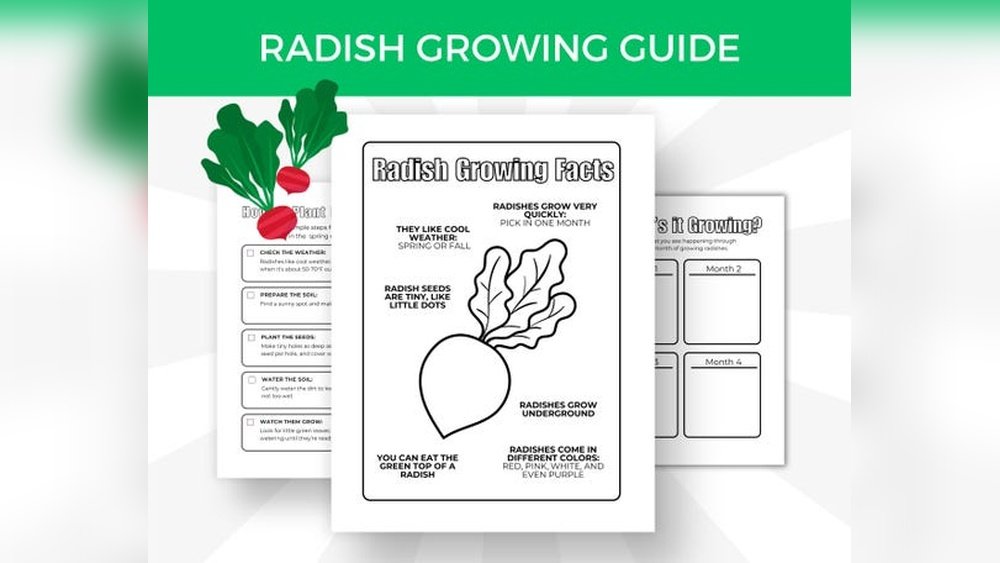
Growing radishes from seed is one of the most rewarding—and easiest—gardening projects you can start. Radishes are fast-growing, hardy, and suitable for beginners and experienced gardeners alike. With their crisp texture and peppery flavor, radishes add color and bite to salads, sandwiches, and many dishes.
But there’s much more to growing radishes than simply planting seeds and waiting. To get the best crop, you need to understand the right conditions, varieties, soil preparation, and care. This guide will walk you through every step, from seed to harvest, so you can enjoy fresh radishes straight from your garden.
Why Grow Radishes From Seed?
Radishes are one of the quickest vegetables to mature. Many varieties are ready to harvest in just 3–4 weeks. This fast turnaround makes them a favorite for impatient gardeners. Growing radishes from seed also gives you access to dozens of unique varieties you won’t find in stores. You control the growing conditions, ensuring they’re free from pesticides and taste fresher. Plus, radishes can be grown in small spaces, containers, or even between other crops as a “catch crop.”
Non-obvious insight: Radishes can also help break up compacted soil with their roots, improving conditions for other plants. They’re often used in crop rotation for this reason.
Choosing The Right Radish Varieties
Radishes come in many shapes, sizes, and colors. Picking the right variety is crucial for your climate, season, and taste preferences. Here are the main types:
Spring Radishes
These are the most common. They mature quickly and have a crisp, mild flavor. Examples include Cherry Belle, White Icicle, and French Breakfast.
Winter Radishes
Winter radishes grow larger and take longer to mature. They’re planted in late summer for fall harvest. Popular varieties include Daikon, Black Spanish, and Watermelon radish.
Specialty Varieties
Some radishes have unique colors or flavors, such as Purple Plum or Easter Egg. These add visual interest to dishes and gardens.
| Variety | Shape/Color | Days to Harvest | Best Season |
|---|---|---|---|
| Cherry Belle | Round/Red | 22–28 | Spring |
| French Breakfast | Oblong/Pink-White | 25–30 | Spring |
| Daikon | Long/White | 50–60 | Fall/Winter |
| Watermelon | Round/Green-Red | 60 | Fall |
| Black Spanish | Round/Black | 55 | Fall/Winter |
Non-obvious insight: If you struggle with hot summers, try winter radishes—they tolerate heat better and store longer.
When To Plant Radish Seeds
Timing is key. Radishes grow best in cool weather, so plan your sowing carefully.
- Spring radishes: Plant as soon as the soil can be worked, usually 2–4 weeks before last frost.
- Winter radishes: Sow in late summer, about 6–8 weeks before first fall frost.
Radishes can be sown every 7–10 days for a continuous harvest. This technique, called succession planting, prevents a glut and keeps radishes coming.
Practical tip: Don’t sow in midsummer—hot weather causes radishes to bolt (flower) and become woody.
Preparing The Soil
Radishes need loose, well-draining soil. The roots won’t develop properly in compacted or rocky ground.
Steps For Soil Preparation
- Clear debris: Remove stones, weeds, and old roots.
- Loosen soil: Till or turn soil to at least 6 inches deep.
- Add compost: Mix in 1–2 inches of well-rotted compost for fertility.
- Check pH: Radishes prefer a pH of 6.0–7.0.
| Soil Factor | Ideal Range | Effect on Growth |
|---|---|---|
| pH | 6.0–7.0 | Boosts nutrient uptake |
| Organic Matter | High | Improves root development |
| Drainage | Good | Prevents rot |
| Compaction | Low | Avoids misshapen radishes |
Common mistake: Using rich, nitrogen-heavy fertilizer causes lush leaves but poor roots. Use balanced or low-nitrogen mixes.
Sowing Radish Seeds
Planting radish seeds is straightforward, but small details matter.
Step-by-step Planting
- Mark rows: Space rows 12 inches apart.
- Make shallow furrows: Use your finger or a stick to create ½ inch deep lines.
- Place seeds: Sow seeds 1 inch apart in the furrow.
- Cover lightly: Gently cover with soil and press down.
- Water: Moisten the soil—but avoid overwatering.
Direct Sowing Vs. Transplanting
Radishes dislike being transplanted. Always sow seeds directly where you want them to grow.
Non-obvious insight: Sowing too close leads to crowded roots. Thin seedlings early—remove weak ones so remaining plants are 2 inches apart.
Caring For Radish Seedlings
Once seeds are planted, care in the first weeks is vital.
Watering
Keep soil consistently moist. Radishes need about 1 inch of water per week. If soil dries out, roots become tough and spicy.
Thinning
After seedlings reach 1–2 inches tall, thin them to 2 inches apart. Overcrowding leads to small, misshapen radishes.
Mulching
Add a thin layer of mulch (like straw or grass clippings) to keep soil moist and cool.
Fertilizing
If soil is poor, add a balanced fertilizer once seedlings have 4–5 leaves. Avoid high nitrogen.
Practical tip: Radishes are sensitive to stress. Keep conditions stable for best results.
Dealing With Pests And Diseases
Radishes are generally robust, but some pests and diseases can cause problems.
Common Pests
- Flea beetles: Small holes in leaves. Use row covers or neem oil.
- Root maggots: Brown tunnels in roots. Avoid sowing near cabbage family crops.
- Cutworms: Seedlings cut at soil level. Place collars around young plants.
Diseases
- Downy mildew: Yellow patches on leaves. Improve air flow and avoid overhead watering.
- Clubroot: Swollen, deformed roots. Rotate crops and use disease-resistant varieties.
| Pest/Disease | Symptoms | Prevention |
|---|---|---|
| Flea Beetle | Small leaf holes | Row covers, healthy soil |
| Root Maggot | Tunnels in roots | Crop rotation |
| Downy Mildew | Yellow spots | Air circulation |
| Clubroot | Swollen roots | Resistant varieties |
Non-obvious insight: Healthy soil with plenty of organic matter makes radishes less likely to suffer from pests.
Growing Radishes In Containers
Radishes are ideal for container gardening. This is useful if you have limited space or poor soil.
Choosing A Container
- Minimum depth: 6 inches
- Width: As wide as possible for more plants
- Drainage: Ensure holes in the bottom
Potting Mix
Use a light, well-draining mix. Avoid garden soil—it’s too dense.
Planting Steps
- Fill container with mix, leaving 1 inch from the rim.
- Sow seeds 1 inch apart.
- Keep moist and place in a sunny spot.
Practical tip: Containers heat up faster. Check moisture daily.
Companion Planting With Radishes
Radishes fit well in many gardens because they grow quickly. They can be planted alongside other vegetables to improve growth.
Good Companions
- Carrots: Radishes mature faster, marking carrot rows.
- Lettuce: Shade helps radishes stay cool.
- Spinach: Both enjoy cool weather.
- Cucumbers: Radishes deter cucumber beetles.
Bad Companions
- Potatoes: Compete for nutrients.
- Cabbage: Attracts similar pests.
Non-obvious insight: Planting radishes with slow-growing crops (like parsnips) helps keep soil loose and weed-free.
Harvesting Radishes
Radishes mature quickly. Harvesting at the right time is crucial for flavor and texture.
When To Harvest
- Spring varieties: 20–30 days after sowing
- Winter varieties: 50–60 days
Check by gently pulling one radish. If it’s the right size, harvest the rest.
How To Harvest
- Grasp leaves and pull gently.
- Shake off soil.
- Trim leaves and roots.
Storage
Radishes keep in the fridge for 1–2 weeks. Place in a plastic bag with a damp paper towel.
Practical tip: Don’t leave radishes in the ground too long—they become woody and bitter.

Credit: www.botanicalinterests.com
Troubleshooting Common Radish Problems
Growing radishes is simple, but problems can happen. Here’s how to fix them.
Radishes Don’t Form Roots
- Cause: Too much nitrogen, overcrowding, or heat
- Solution: Thin seedlings, use balanced fertilizer, plant in cooler weather
Radishes Are Spicy Or Woody
- Cause: Drought, late harvest
- Solution: Keep soil moist, harvest early
Radishes Bolt (flower Early)
- Cause: Hot weather
- Solution: Plant earlier or later, choose bolt-resistant varieties
Radishes Crack Or Split
- Cause: Uneven watering
- Solution: Water regularly, avoid dry spells
Saving Radish Seeds
Saving seeds lets you grow radishes year after year. Here’s how:
- Let a few plants flower and set pods.
- Wait until pods turn brown.
- Collect pods and dry them for 1–2 weeks.
- Open pods and store seeds in a cool, dry place.
Practical tip: Only save seeds from healthy, strong plants to avoid spreading disease.
Radish Nutrition And Uses
Radishes are low in calories but high in nutrients.
- Calories: 16 per 100g
- Vitamin C: 20% of daily value
- Fiber: 1.6g per 100g
- Folate: 25 micrograms per 100g
They’re eaten raw, roasted, or pickled. Radish leaves are also edible—use them in soups or salads.
Non-obvious insight: Radish greens contain more vitamin C than the roots.
Radish Growing Calendar
Timing your radish crop is important. Here’s a sample calendar for temperate climates:
| Month | Activity |
|---|---|
| March–April | Sow spring radish seeds |
| May–June | Harvest spring radishes, succession sowing |
| July–August | Prepare soil for winter radishes |
| August–September | Sow winter radish seeds |
| October–November | Harvest winter radishes |
Practical tip: Adjust calendar for your region—radishes can be grown almost year-round in mild climates.
Tips For Beginners
Radishes are simple, but a few tips will boost your success:
- Use fresh seeds—radish seeds lose viability after 2–3 years.
- Avoid sowing too deep—½ inch is ideal.
- Water lightly but often.
- Don’t over-fertilize.
- Start with fast varieties like Cherry Belle.
- Try succession planting for steady harvests.
- Use row covers to stop pests.
- Check roots often to avoid woody texture.
Non-obvious insight: If you have heavy clay soil, grow radishes in raised beds—they prefer loose soil.
Comparing Radish Varieties For Home Gardeners
Choosing the right variety depends on your goals. Here’s a comparison of popular options:
| Variety | Flavor | Growth Speed | Size | Best Use |
|---|---|---|---|---|
| Cherry Belle | Mild | Fast | Small | Salads |
| French Breakfast | Mild-Spicy | Medium | Medium | Sandwiches |
| Daikon | Sweet-Spicy | Slow | Large | Pickling |
| Watermelon | Mild | Slow | Large | Raw/Pickled |
| Black Spanish | Spicy | Medium | Medium | Roasting |
Practical tip: Try a mix of varieties for color and taste.
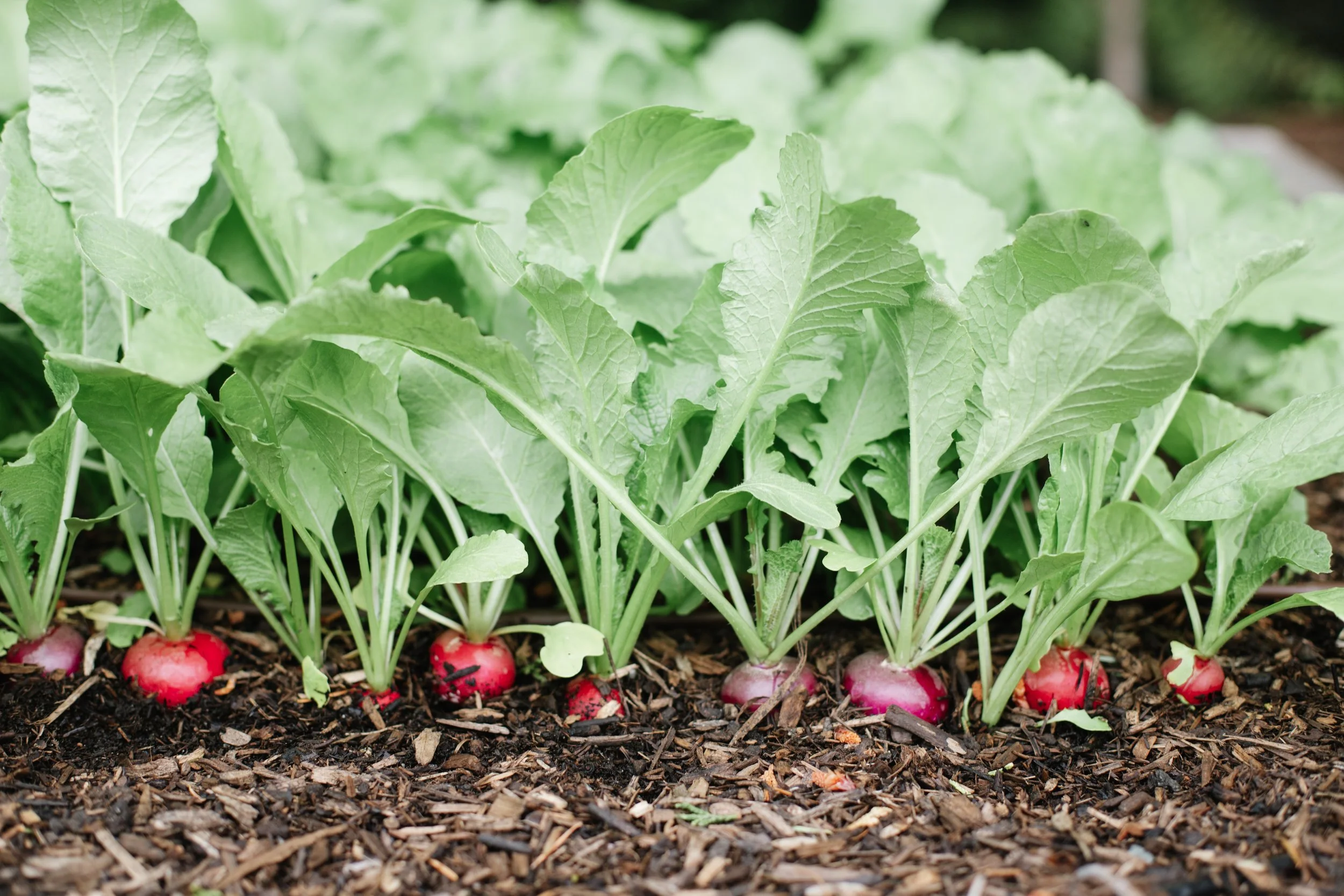
Credit: www.thepurposefulyou.com
Growing Radishes Indoors
If you lack outdoor space, radishes can be grown indoors under lights.
Requirements
- Light: 6 hours of sunlight or grow lights
- Temperature: 60–70°F
- Container: At least 6 inches deep
Steps
- Fill container with potting mix.
- Sow seeds 1 inch apart.
- Place near window or under grow light.
- Water regularly.
Non-obvious insight: Indoor radishes may take a bit longer due to less intense light.
Radish Crop Rotation And Soil Health
Radishes are part of the brassica family. Rotate crops to prevent disease.
- Don’t plant radishes after cabbage, broccoli, or turnips.
- Wait at least 3 years before planting brassicas in the same spot.
Practical tip: Radishes are a good “catch crop” between main plantings—improving soil and controlling weeds.
Using Radishes In Recipes
Radishes are versatile. Here are easy ways to use them:
- Salads: Slice thin and mix with greens.
- Roasted: Toss with oil and roast for 20 minutes at 400°F.
- Pickled: Quick-pickle with vinegar, salt, and sugar.
- Leaf soup: Use radish greens in vegetable soup.
Non-obvious insight: Roasting radishes reduces their spice and makes them sweet and soft.
Protecting Radishes From Extreme Weather
Radishes are hardy but sensitive to heat and drought.
- Use shade cloth in hot climates to keep soil cool.
- Mulch heavily to retain moisture.
- In cold snaps, cover with fleece or row covers.
Practical tip: If a heat wave is coming, harvest early to prevent bolting.
Growing Radishes For Microgreens
Radish microgreens are packed with nutrients and can be grown in just 7–10 days.
Steps
- Fill a shallow tray with potting mix.
- Sprinkle seeds densely.
- Mist daily and keep covered for 2 days.
- Remove cover and grow until 2–3 inches tall.
- Harvest by cutting above soil.
Non-obvious insight: Microgreens are more spicy than mature radishes.
How To Grow Radishes Organically
Radishes are easy to grow without chemicals.
- Use compost instead of synthetic fertilizer.
- Control pests with row covers or neem oil.
- Rotate crops and use disease-resistant varieties.
Practical tip: Healthy, organic soil grows the best-tasting radishes.
For more on organic gardening, see Garden Organic.
:max_bytes(150000):strip_icc()/growing-radishes-in-the-home-vegetable-garden-1403477-02-c295e04667df4c8fac380a5543b663e1.jpg)
Credit: www.thespruce.com
Frequently Asked Questions
Can Radishes Grow In Shade?
Radishes prefer full sun, but they can tolerate partial shade—especially in hot climates. Shade helps keep soil cool and prevents bolting. However, too much shade slows growth and produces smaller roots.
How Long Do Radish Seeds Stay Viable?
Radish seeds usually stay viable for 2–3 years if stored in a cool, dry place. After that, germination drops. Always use fresh seeds for the best results.
Why Are My Radishes Only Leaves And No Roots?
This happens if radishes get too much nitrogen, are crowded, or experience hot weather. Thin seedlings, use balanced fertilizer, and plant in cool conditions. Avoid sowing in midsummer.
Are Radish Leaves Edible?
Yes! Radish leaves are nutritious and can be eaten raw or cooked. Wash them well and use in salads, soups, or stir-fries. They’re high in vitamin C and fiber.
Can Radishes Be Grown All Year Round?
In mild climates, radishes can be grown almost year-round. In colder areas, plant spring and fall. Use greenhouses or indoor growing for winter crops.
Growing radishes from seed is simple, fast, and rewarding. Whether you have a big garden or a small pot, you can enjoy crisp, fresh radishes in just a few weeks. Choose the right variety for your climate and taste, prepare your soil, and follow these tips for a healthy harvest.
Radishes are perfect for beginners, but even experienced gardeners find them useful for improving soil and adding color to meals. With careful timing, good soil, and a little attention, you’ll have delicious radishes ready to eat—and maybe even seeds to save for next season.