
If your lawn has yellow patches, weak growth, or seems to struggle with weeds, it may not just be about watering or mowing. The problem could be hidden in the soil. Many lawns in the US have acidic soil that stops grass from growing strong and green. Lime is the simple answer—but only if you apply it correctly. Many people make mistakes, so lawns don’t improve, or even get worse. This guide will show you how to apply lime to your lawn the right way, step by step, so you get real results.
Why Lawn Soil Needs Lime
Grass is like any living thing—it needs the right environment. Most US lawns do best in soil with a pH between 6.0 and 7.0. If your soil is too acidic (pH below 6), grass can’t absorb nutrients, roots weaken, and weeds take over. Lime is a natural product made from crushed limestone. When you add lime, it raises the pH, making the soil less acidic. This helps your lawn absorb nutrients and fight off weeds.
If your soil is not in this healthy pH range, even the best fertilizer or watering schedule cannot help your grass reach its full potential. Nutrients like nitrogen, phosphorus, and potassium become “locked up” and unavailable to the roots. This means you could be wasting money on lawn treatments if the pH is not fixed first.
How Acidic Soil Happens
- Rain washes away minerals, making soil more acidic.
- Fertilizers and organic matter can lower pH over time.
- Some regions (like the Northeast and Pacific Northwest) naturally have acidic soil.
Lawns in areas with heavy rainfall lose calcium and magnesium, which are needed to keep pH balanced. Acid rain, which is more common near cities or industrial areas, can also speed up soil acidification. Even using compost and mulch, while good for organic matter, can sometimes lower pH if done too often without testing.
Signs Your Lawn Needs Lime
- Grass looks yellow or thin.
- Moss grows in shady spots.
- Fertilizer seems to have no effect.
- Weeds increase, especially dandelions and clover.
Another sign people miss is soil that feels hard and compacted. Acidic soil often goes hand in hand with compaction, which further blocks roots from taking in nutrients. Mushrooms and an increase in broadleaf weeds can also be clues. If you notice your grass is slow to green up in spring, or you see moss even in sunny areas, these are red flags.
Most people overlook the role of soil pH, but fixing it is one of the fastest ways to improve your lawn.
Understanding Soil Ph And Lime Types
Before you add lime, you need to know your soil’s pH and pick the right lime product.
How To Test Soil Ph
Testing is easy and not expensive. You can buy a soil pH test kit at garden stores or online. Some local extension offices will test soil for free or a small fee.
- Take samples from different parts of your lawn.
- Mix the soil and follow instructions on the kit.
- Record the pH for each area.
Try to sample at least 4–5 spots, especially if you have areas of the lawn that look different. Mix soil from 2–3 inches below the surface, not just the very top. If you want a more detailed report, labs can also test for nutrients and organic matter.
If your pH is below 6. 0, lime will help. If it’s above 7. 0, you don’t need lime. Many beginners skip this step and waste money.
Non-obvious insight: Even small differences in pH can make a big impact. A pH of 5.8 versus 6.2 can mean your grass gets double the nutrition from the same fertilizer.
Choosing The Right Lime
There are several kinds of lime. Here’s a quick comparison:
| Type of Lime | Best For | Speed of Effect | Form | Notes |
|---|---|---|---|---|
| **Pelletized lime** | Home lawns | Medium | Pellets | Easy to spread, less dust |
| **Powdered lime** | Large areas | Fast | Fine powder | Messy, can blow away |
| **Dolomitic lime** | Low magnesium soils | Medium | Pellets or powder | Adds magnesium as well as calcium |
| **Agricultural lime** | Farms/gardens | Slow | Bulk powder | Not for small lawns, needs special tools |
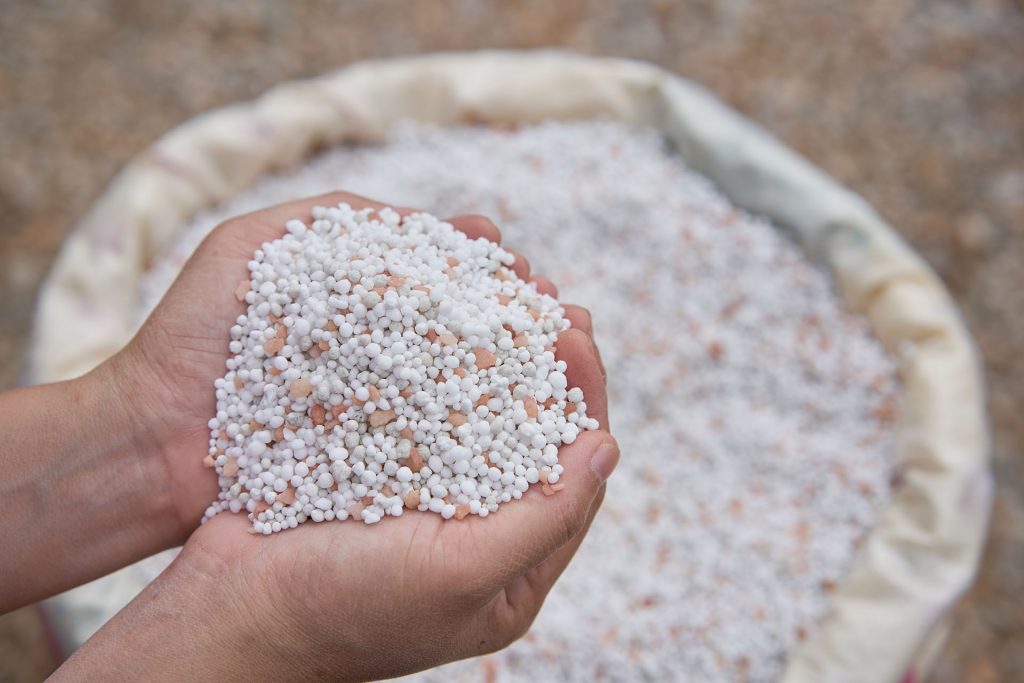
Pelletized lime is best for most homeowners. It’s easy to handle and works well for small or medium lawns.
If your soil test shows low magnesium, which is common in older lawns or sandy soils, dolomitic lime is the better choice. It helps prevent yellowing that comes from magnesium deficiency. For very large lawns or open areas, powdered lime is sometimes used, but it’s dusty and more difficult to spread evenly.
When To Apply Lime To Your Lawn
Timing matters. Applying lime at the wrong time can waste your effort.
Best Times For Lime Application
- Fall: Ideal, because rain and snow help lime soak into soil. Lawn is not stressed by heat.
- Early spring: Also good, but avoid very wet or frozen ground.
- After aeration: Lime moves deeper if you aerate first.
Avoid applying lime during summer heat or when soil is very dry or frozen.
Applying lime in fall gives it months to break down before the grass starts growing quickly in spring. Early spring is second best, but you want to make sure the ground is not soggy or frozen, or the lime will just sit on top and not work into the soil.
Non-obvious insight: If you have recently dethatched your lawn (removed dead grass), this is also a great time to lime, as the soil surface is more open.
How Often Should You Apply Lime?
Most lawns need lime every 2–3 years. Some very acidic soils need lime yearly. Always retest your soil before reapplying.
Don’t assume you need lime every year. Over-liming can be as bad as acidic soil. After the first application, check your soil pH each year in the same season to see how fast your soil changes. Lawns on sandy soil may need more frequent liming, while clay soils hold onto lime longer.
How Much Lime Does Your Lawn Need?
Applying the right amount is critical. Too little does nothing. Too much can harm your grass.
Calculating Lime Amount
The amount depends on your soil pH, soil type, and the lime product. Here’s a quick reference:
| Soil pH | Soil Type | Lime Needed (per 1,000 sq ft) |
|---|---|---|
| 5.0–5.5 | Sandy | 25 lbs |
| 5.0–5.5 | Loam | 50 lbs |
| 5.0–5.5 | Clay | 75 lbs |
| 5.5–6.0 | Sandy | 15 lbs |
| 5.5–6.0 | Loam | 25 lbs |
| 5.5–6.0 | Clay | 40 lbs |
To find your lawn size, measure length and width in feet and multiply. Divide by 1,000 to know how many “units” you have.
Example: If your lawn is 2,000 sq ft and your soil is loam with pH 5.4, you need 100 lbs of lime.
When in doubt, apply less and retest. It’s safer to add more later than try to fix soil that’s been made too alkaline.
Common Mistakes In Measuring
- Guessing instead of measuring.
- Not adjusting for soil type.
- Applying more than recommended, which can cause nutrient lockout.
Another mistake is not accounting for slopes or irregular shapes. Always break your lawn into smaller sections, estimate each, and then add up the totals. If you’re between soil types (for example, sandy loam), use the lower amount to avoid over-liming.
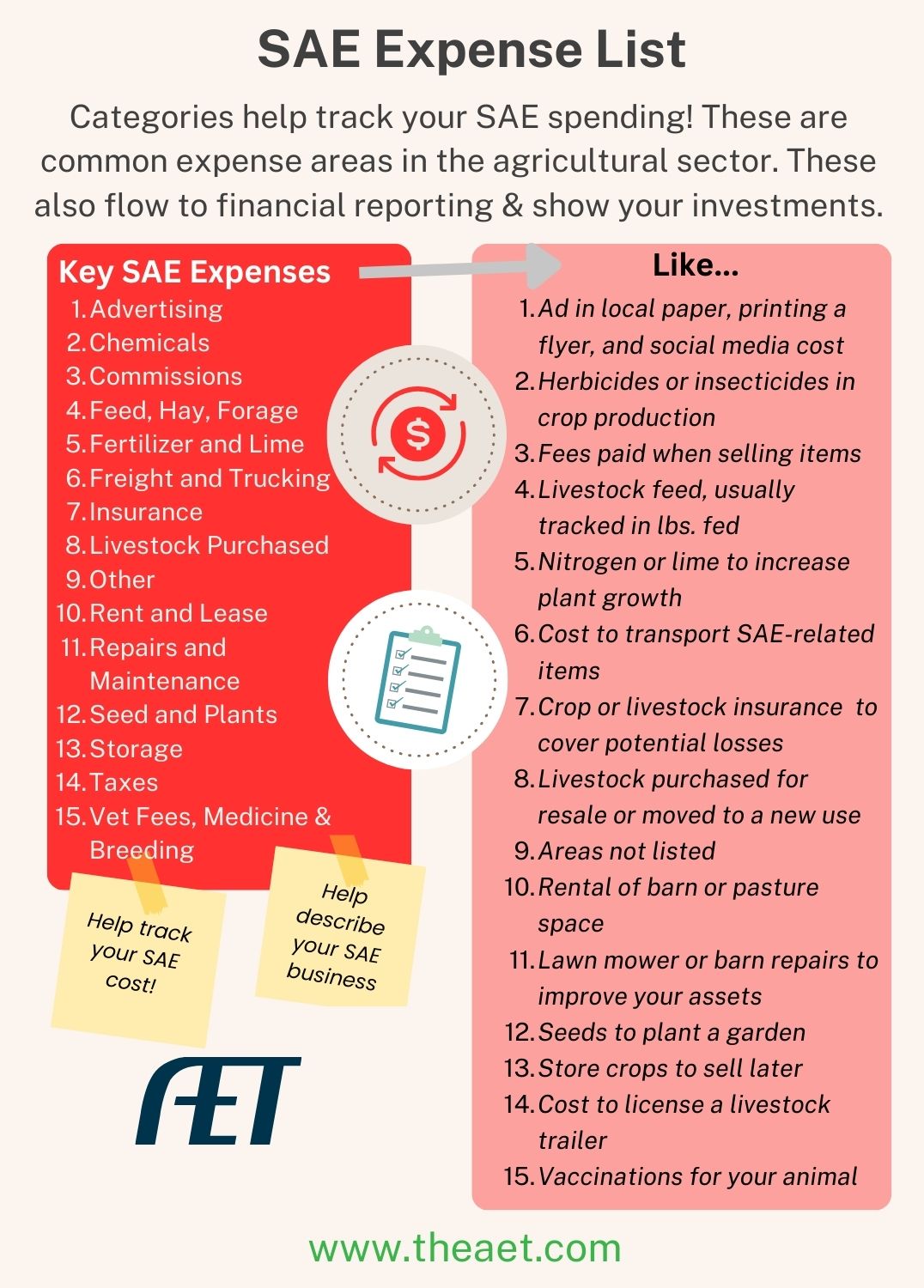
Credit: www.theaet.com
Step-by-step: How To Apply Lime To Lawn
Applying lime is simple if you follow the right steps.
1. Prepare Your Lawn
- Mow grass to normal height (2–3 inches).
- Remove leaves, sticks, and debris.
- Water lawn lightly a day before, if soil is dry.
Make sure the lawn is dry enough to walk on, but not so dry that the soil is dusty. A slightly damp surface helps lime stick and stay in place.
2. Aerate The Soil (optional, But Recommended)
Aeration helps lime reach deeper roots. You can rent an aerator or use a handheld tool.
Aerating is especially helpful for compacted or clay-heavy lawns. If you have never aerated before, you’ll notice thicker, healthier grass in the months after.
3. Choose The Right Spreader
There are two main types:
- Drop spreader: Good for small lawns, gives even coverage.
- Broadcast spreader: Covers large areas quickly, but less precise.
If you use powdered lime, wear a mask and gloves. Pelletized lime is cleaner.
If your lawn is on a slope or has a lot of trees and obstacles, a drop spreader gives better control. For open, flat lawns, broadcast spreaders are faster.
4. Set Spreader Correctly
Check lime bag instructions for spreader settings. If not listed, start with a medium setting and test a small area.
After the first pass, check the ground to see if you are laying down too much or too little lime. Adjust as needed before finishing the rest of the lawn.
5. Apply Lime Evenly
Walk in straight lines, slightly overlapping each pass. For uneven lawns, go in two directions (north-south, then east-west).
Uneven application leaves some areas untreated, which can cause patchy results. For very large lawns, mark your paths with garden stakes or string to keep lines straight.
6. Water After Applying Lime
A light watering helps lime start working. Don’t flood the lawn. Rain is also fine.
If there is no rain in the forecast, use a sprinkler to give the lawn a gentle soak—not enough to cause runoff. Heavy watering can wash lime away, especially on slopes.
7. Clean Up Equipment
Wash spreader and tools outside. Lime can corrode metal if left on.
Also, sweep any lime off sidewalks, driveways, or patios to avoid staining or accidental tracking into the house.
8. Wait For Results
Lime takes weeks to months to change soil pH. Don’t expect overnight results. Retest soil after 3–6 months.
Non-obvious tip: If you have pets, keep them off the lawn for a few days after applying lime. Lime can irritate paws.
Mistakes To Avoid When Applying Lime
Many beginners make common mistakes. Avoid these to get the best results:
- Skipping the soil test. Never guess your pH.
- Applying lime to wet or frozen ground. It won’t absorb well.
- Overapplying. Too much lime can make soil alkaline (above pH 7), which harms grass.
- Not cleaning equipment. Lime left on tools can damage them.
- Ignoring soil type. Sandy, loam, and clay soils need different amounts.
A less-known error: applying lime at the same time as fertilizer. Always wait at least a month between lime and fertilizer. This prevents nutrient lockout.
Also, don’t apply lime right before heavy rain, as it can wash away. Spreading lime during windy conditions can create dust and uneven coverage, especially with powdered lime.
Extra Tips For Best Lawn Results
Want your lawn to look its best? Use these advanced tips:
Combine Lime With Aeration
Aeration opens the soil, letting lime move deeper. This is especially useful for clay soil, which is harder for lime to penetrate.
Plug aerators (which remove small cores of soil) work better than spike aerators (which just poke holes). After aeration, apply lime within a day or two for best effect.
Use Dolomitic Lime For Low Magnesium
If your soil test shows low magnesium, choose dolomitic lime instead of calcitic. Magnesium helps grass grow greener.
Some fertilizers can lower magnesium in soil over time, so dolomitic lime helps restore balance. If your grass stays pale even after liming, check for magnesium deficiency.
Track Your Lawn’s Progress
Keep a notebook or phone notes of pH tests, lime applications, and lawn changes. Patterns will help you know what works.
Photos taken each month can help you compare progress. This way, you won’t repeat mistakes or forget when you last limed.
Watch Weather Forecasts
Apply lime when there’s light rain expected, but avoid heavy storms. Too much rain can wash lime away.
Ideal conditions: overcast day, no wind, and gentle rain in the next 24–48 hours.
Don’t Mix Lime With Other Amendments
If you need to add fertilizer or compost, do it at least 1 month before or after lime. Mixing can stop both products from working.
Some people make the mistake of mixing lime with “weed and feed” products. This can result in wasted money and poor lawn results.
What To Expect After Applying Lime
- Grass may look greener after 2–3 months.
- Weeds and moss will slowly fade.
- Lawn feels thicker and healthier.
Some people notice changes in as little as 6 weeks, but full results can take up to 6 months.
If you see little or no improvement, retest your soil—sometimes heavy clay or very acidic soil needs a second, lighter application.
Real-life Examples And Data
Many US homeowners have seen big improvements after liming.
- In a 2022 study by Virginia Tech, lawns with pH raised from 5.2 to 6.5 showed 35% thicker grass and 50% fewer weeds after 6 months.
- A family in Pennsylvania applied lime to their clay lawn, following soil test results. Their lawn improved from patchy to lush in 4 months.
Other examples include a homeowner in Oregon who battled moss for years with fertilizers and moss killers. After a soil test showed pH 5. 4, they applied pelletized lime in autumn and saw moss disappear by the next spring. Their grass became thicker, and fertilizer worked much better.
These examples show that following the correct process pays off.
Lime Application Compared To Other Lawn Treatments
Some people think fertilizer alone is enough. But if your pH is wrong, fertilizer won’t help.
Here’s a quick comparison:
| Treatment | What It Does | When to Use | Cost (per 1,000 sq ft) | Speed of Results |
|---|---|---|---|---|
| Lime | Raises soil pH, improves nutrient uptake | Acidic soil (pH < 6) | $10–$18 | 2–6 months |
| Fertilizer | Adds nutrients for growth | Any soil | $15–$35 | 2–4 weeks |
| Iron supplement | Makes grass greener | High pH, yellow grass | $12–$20 | 1–2 weeks |
| Compost | Improves soil texture | Poor, compacted soil | $20–$40 | 1–3 months |
Lime is not a fertilizer. It helps fertilizer work better, but must be used at the right time.
A common misunderstanding is using iron supplements on yellow grass with acidic soil. Iron works only if the soil pH is correct. Compost can help with soil structure but won’t change pH much. Lime is the only treatment that directly fixes acidic soil.
How Lime Helps Different Grass Types
Each grass type has its own pH needs. Here’s what you need to know:
- Kentucky bluegrass: Loves pH 6.2–7.0.
- Tall fescue: Thrives at pH 6.0–7.0.
- Bermuda grass: Needs pH 5.8–7.0.
- St. Augustine grass: Prefers pH 6.0–7.5.
If you have a mix, aim for a pH around 6. 5.
Southern lawns with Bermuda or St. Augustine often tolerate slightly more acidic soil, but growth will slow and weeds will increase if pH drops below 5. 8. Cool-season grasses like fescue and bluegrass are especially sensitive to low pH and will thin out quickly if lime is not added when needed.
Credit: naturehills.com
Safety, Environmental, And Health Concerns
Lime is safe for most lawns, but take these precautions:
- Keep pets and children off freshly limed lawns for 24–48 hours.
- Wear gloves and a mask if using powdered lime.
- Wash hands and tools after handling lime.
- Don’t let lime wash into streams or drains. It can affect water pH and harm fish.
If you spill lime on hard surfaces, sweep it up rather than hosing it away. Lime dust can irritate eyes and lungs, so apply on calm days. Lime is considered safer than most herbicides or weed killers, but still handle it with care.
Lime is less harmful than many chemical lawn products, but always use it responsibly.
How To Store Lime Safely
If you buy extra lime, store it in a dry, sealed container. Moisture will make lime clump and lose effectiveness. Keep out of reach of children and pets.
A plastic bin with a tight lid works well. Store in a garage or shed, off the ground to avoid moisture. If lime gets wet, it may harden and become impossible to spread evenly.
Credit: theturfgrassgroup.com
Troubleshooting: What If My Lawn Doesn’t Improve?
If you’ve applied lime and your lawn still looks bad:
- Retest soil pH after 3–6 months.
- Check for compacted soil—try aeration.
- Inspect for pests or diseases.
- Make sure you’re not mixing lime and fertilizer too close together.
Sometimes, lawns need more than one application, especially if soil was very acidic.
It’s also possible that other problems are present, like poor drainage, excessive shade, or root-eating insects. Fixing pH is important, but it’s only one part of a healthy lawn system.
Where To Buy Quality Lime
You can buy lime at:
- Local garden centers
- Home improvement stores (like Home Depot or Lowe’s)
- Online retailers
Look for reputable brands. Avoid cheap, bulk lime if you have a small lawn—it’s harder to apply evenly.
Ask store staff for the best type for your lawn size and soil. Pelletized lime is usually found in 40–50 lb bags, while agricultural lime is sold in larger quantities for big properties.
For more detailed information about lime and soil health, visit EPA Soil pH Guide.
Frequently Asked Questions
What Is Lawn Lime Made Of?
Lawn lime is made from crushed limestone, usually calcium carbonate. Some types, called dolomitic lime, also include magnesium carbonate. These minerals raise soil pH and help grass absorb nutrients.
How Long Does It Take For Lime To Work?
It usually takes 2–6 months for lime to change soil pH. Pelletized lime works a bit slower than powdered lime. You’ll see healthier grass after a few weeks, but full results take time.
Can I Apply Lime And Fertilizer At The Same Time?
No. Wait at least one month between lime and fertilizer. Applying together can make nutrients less available to grass.
Is Lime Safe For Pets And Kids?
Lime is safe once watered in, but keep pets and children off the lawn for 24–48 hours after applying. Always read product safety instructions.
How Do I Know If My Lawn Needs Lime?
Test your soil pH. If it’s below 6.0, your lawn will benefit from lime. Signs like yellow grass, moss, and poor growth also suggest acidic soil.
Your lawn is a living system. With the right lime application, you can transform it from weak and patchy to thick and green. Take the time to test, measure, and apply lime carefully. The results will last for years, and your grass will thank you.