
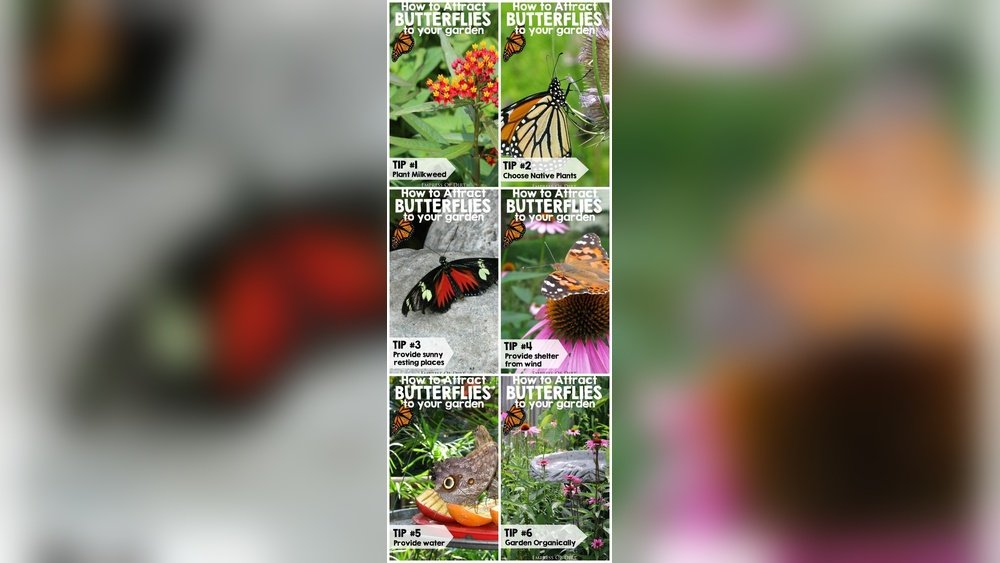
Do you want your garden to burst with vibrant colors and gentle fluttering wings? Attracting butterflies to your outdoor space is easier than you think, and it can transform your garden into a lively, enchanting haven.
Imagine stepping outside and seeing beautiful butterflies dancing from flower to flower, bringing life and beauty to your backyard. By choosing the right plants and creating a welcoming environment, you can invite these delicate creatures to visit again and again.
Keep reading to discover simple, effective tips that will help you turn your garden into a butterfly magnet you’ll love spending time in.
:max_bytes(150000):strip_icc()/GettyImages-155140782-0688470dfade41ac917638485fc24f13.jpg)
Credit: www.southernliving.com
Choose Nectar-rich Flowers
Choosing nectar-rich flowers is essential to attract butterflies to your garden. Butterflies need nectar for energy. Planting flowers loaded with nectar makes your garden a favorite spot for these beautiful insects. Bright colors and sweet scents also help butterflies find flowers easily. Select flowers that bloom at different times to provide nectar throughout the seasons.
Best Flower Types For Butterflies
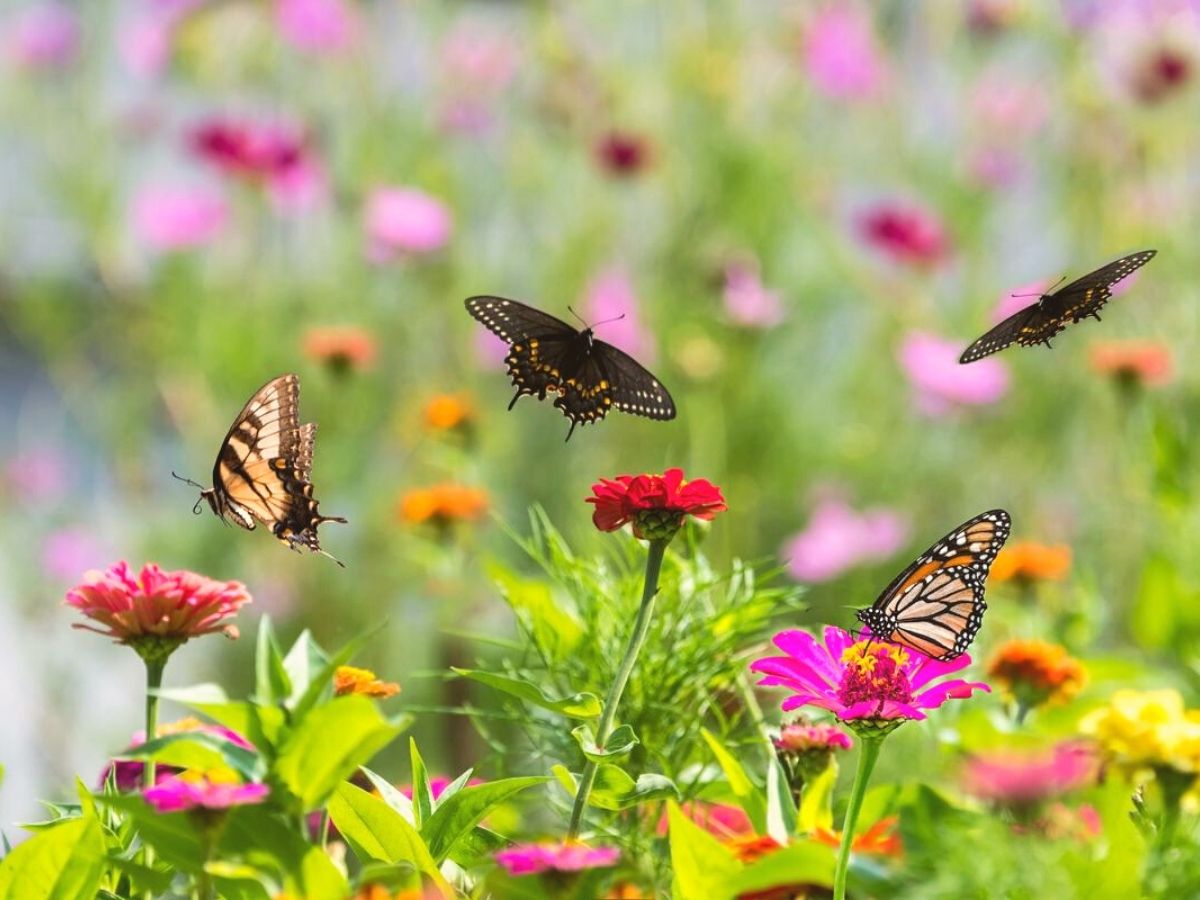
Butterflies prefer flowers with flat tops or clusters that make landing easy. Some top choices include milkweed, coneflowers, and lantana. Zinnias and marigolds are also popular among butterflies. These flowers offer plenty of nectar and come in bright colors like red, yellow, and purple. Planting a variety helps attract many butterfly species.
Seasonal Planting Tips
Plant flowers that bloom in spring, summer, and fall to keep butterflies visiting all year. Early bloomers like crocus and bluebells provide nectar after winter. Summer flowers such as butterfly bush and verbena feed butterflies during their peak activity. Late bloomers like goldenrod and asters offer nectar before winter. Changing your plants each season ensures a steady nectar supply.
Include Host Plants
Including host plants in your garden is vital to attract butterflies. These plants provide food and shelter for butterfly caterpillars. They support the entire life cycle of butterflies, ensuring they keep coming back to your garden.
Plants For Caterpillars
Host plants serve as food sources for caterpillars. Each butterfly species prefers specific plants to lay eggs on. For example, milkweed is essential for monarch caterpillars. Parsley, fennel, and dill attract swallowtail caterpillars. Planting these helps caterpillars grow and thrive.
Choose native plants when possible. Native plants are best suited to local butterflies. They offer the right nutrients and protection for caterpillars. Avoid chemicals near these plants to keep caterpillars safe.
Supporting Butterfly Life Cycle
Host plants are more than just food. They also provide shelter during caterpillar and chrysalis stages. Butterflies need a place to rest and develop safely. By planting host plants, you create a nurturing environment.
Healthy host plants encourage butterflies to return year after year. They help complete the butterfly’s life cycle from egg to adult. This creates a sustainable butterfly population in your garden.
Create Water Sources
Water is essential for butterflies. Creating water sources in your garden invites them to visit more often. Butterflies need water to stay hydrated and to get nutrients. Simple water features can make your garden a butterfly hotspot. These water spots also help butterflies cool down on hot days.
Shallow Puddles And Mud
Butterflies prefer shallow water areas like puddles and damp mud. These spots let them drink safely without drowning. Create small, shallow puddles by filling a shallow dish or tray with water. Add some sand or soil to make a muddy patch. Keep the water just wet enough, not deep. Place puddles in sunny spots to warm the water. Butterflies are more attracted to warm and calm water sources.
Providing Minerals And Nutrients
Butterflies need minerals for energy and reproduction. These come from water with dissolved salts and nutrients. Mud puddles are perfect for this. You can add a pinch of salt or crushed eggshells near water spots. This gives butterflies essential minerals like sodium and calcium. These nutrients help butterflies stay healthy and active. Make sure the area is safe and free from chemicals.
Offer Shelter And Resting Spots
Butterflies need more than just flowers to thrive in your garden. Offering shelter and resting spots creates a safe and comfortable environment for them. These spots protect butterflies from wind and predators. They also provide places to rest between flights. Creating such areas invites butterflies to stay longer and visit often.
Soft Landing Areas
Butterflies prefer soft, flat surfaces to land on. Use plants with broad leaves or low-growing flowers. Smooth leaves help them rest without damaging their wings. Soft surfaces like moss or grass also work well. Avoid hard or rough areas that might hurt their delicate wings. Soft landing spots make your garden more inviting to butterflies.
Sunlight And Shade Balance
Butterflies need both sun and shade to feel comfortable. Sunlight warms their bodies, helping them fly and feed. Provide sunny spots with open flowers for feeding. Shade offers protection from heat and predators. Trees, shrubs, or tall plants create good shaded areas. A mix of sun and shade keeps butterflies active and safe all day.
Avoid Harmful Chemicals
Avoiding harmful chemicals is essential for a butterfly-friendly garden. Chemicals like pesticides and herbicides can harm butterflies and caterpillars. They damage the plants and reduce the food sources butterflies need. A safe garden encourages more butterflies to visit and thrive.
Eliminate Pesticides And Herbicides
Pesticides kill insects, including butterflies and their larvae. Herbicides remove weeds, but also destroy plants butterflies use for food and shelter. Stopping the use of these chemicals creates a healthier garden. Natural pest control methods protect butterflies and other helpful insects.
Encourage Organic Practices
Organic gardening avoids synthetic chemicals and focuses on natural growth. Compost and mulch improve soil health and plant growth. Attract beneficial insects that eat pests without harming butterflies. Organic gardens provide a safe space for butterflies to feed and lay eggs.
Credit: thursd.com
Manage Garden Maintenance
Managing garden maintenance plays a key role in attracting butterflies. A well-maintained garden provides shelter, food, and breeding areas. Regular care helps create a safe environment for butterflies to thrive. Simple habits in garden upkeep can boost butterfly visits significantly.
Focus on gentle maintenance that supports natural growth. Avoid harsh cleaning and let nature play its part. This balance invites butterflies and other beneficial insects.
Avoid Over-tidying
Butterflies enjoy gardens that feel natural and slightly wild. Over-tidying removes important plants and hiding spots they need. Leaving some dead leaves and stems offers shelter and places for caterpillars to grow.
Cut back plants only when necessary. Let flowers bloom fully before trimming. This practice ensures steady nectar sources throughout the season.
Preserve Natural Habitat Features
Natural features like rocks, logs, and bare soil are vital for butterflies. These spots provide warmth and resting areas. They also support other insects that butterflies feed on or interact with.
Keep these elements in your garden. Avoid removing old wood or stones. Create small patches of undisturbed soil for butterflies to lay eggs and gather minerals.
Use Fermenting Fruit
Using fermenting fruit is a natural way to attract butterflies to your garden. Butterflies enjoy the sweet, strong smell of fermenting fruit. It provides them with important nutrients and energy. Placing pieces of overripe or fermenting fruit in your garden creates a feeding spot for butterflies. This method works well alongside planting nectar-rich flowers.
Attracting Butterflies With Fruit
Butterflies find fermenting fruit irresistible. They sip the juices and gain nutrients like sugars and minerals. These nutrients help butterflies stay active and healthy. Place fruit on shallow dishes or directly on tree trunks. Keep the fruit in sunny, sheltered spots to speed fermentation. Check the fruit regularly and replace it when it dries out or molds. This simple step invites many butterfly species to visit your garden.
Best Fruit Choices
Choose fruits that ferment quickly and smell sweet. Bananas, oranges, and peaches are excellent choices. Apples and pears also attract many butterflies. Overripe or slightly squished fruit works best. Avoid fruits treated with pesticides or chemicals. Cut the fruit into small pieces for easy access. Using a mix of fruits can attract a wider variety of butterflies. Remember to refresh the fruit every few days to keep it appealing.

Credit: johnsonsnurseries.co.uk
Plan For Seasonal Changes
Planning for seasonal changes is key to attracting butterflies all year. Butterflies need different plants and conditions through the year. Preparing your garden for each season helps keep them coming back. This way, you create a welcoming home for butterflies from spring to late fall. Pay attention to weather and local climate to adjust your garden’s needs.
Late Season Tips
In late season, butterflies need food to build energy. Plant late-blooming flowers like asters and goldenrod. These provide nectar when other flowers fade. Leave some seed heads and dried stems for shelter. Avoid cutting back plants too early. Provide shallow water sources to help butterflies stay hydrated. Watch for warm, sunny days to release any butterflies you raise. This supports their migration and survival.
Adapting To Local Climate
Know your local climate’s effect on butterfly habits. In warmer areas, butterflies may stay longer or breed later. Choose plants that bloom in your area’s specific seasons. Protect plants from harsh winds and frost. Use native plants to better support local butterfly species. Adjust watering schedules with changing weather. This keeps plants healthy and flowers blooming longer. Monitor temperatures and weather patterns to plan garden care effectively.
Frequently Asked Questions
How Do I Get Butterflies To Come To My Garden?
Plant nectar-rich flowers like milkweed and coneflowers to provide food. Include host plants for caterpillars. Add a water source and avoid pesticides to attract butterflies.
Can I Release Butterflies In October?
Yes, you can release butterflies in October, especially in warm, sunny, and calm weather. Avoid cold, rainy, or windy days.
How Do You Attract Butterflies Quickly?
Plant nectar-rich flowers and larval host plants to provide food. Ensure sunlight and fresh water sources. Avoid pesticides to attract butterflies quickly.
What Are Common Butterfly Garden Mistakes?
Common butterfly garden mistakes include planting non-native species, using pesticides, lacking nectar sources, ignoring host plants, and poor sunlight exposure.
Conclusion
Attracting butterflies brings life and color to your garden. Plant flowers rich in nectar and include host plants for caterpillars. Provide fresh water and places for butterflies to rest. Avoid pesticides to keep them safe and healthy. Sunlight helps butterflies stay active and warm.
A small garden can become a butterfly haven with these simple steps. Enjoy watching these beautiful insects flutter and brighten your outdoor space. Start today and create a welcoming garden for butterflies to visit often.