
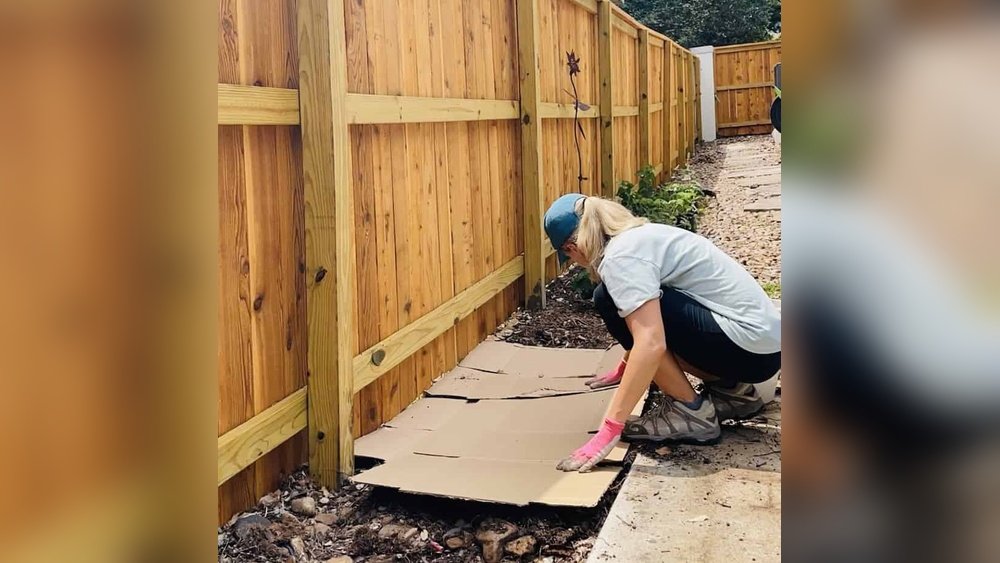
Are you tired of constantly battling weeds that take over your garden beds? Weeds not only steal nutrients from your plants but also ruin the look of your carefully tended garden. If you’re looking for ways to stop weeds in garden beds, you’re in the right place.
The good news is, you don’t have to spend endless hours pulling them out one by one. With the right strategies, you can stop weeds from growing“>stop weeds from growing in your garden beds for good. You’ll discover simple, effective methods that anyone can use to keep your garden clean and thriving.
Ready to enjoy beautiful, weed-free garden beds with less effort? Let’s dive into the best ways to make weeds a thing of the past in your garden.
Mulching For Weed Control
Mulching is a simple and effective way to control weeds in garden beds. It creates a protective layer over the soil that blocks sunlight from reaching weed seeds. This stops them from growing and spreading. Mulch also keeps moisture in the soil and helps maintain a healthy garden“>maintain a healthy garden environment.
Choosing The Right Mulch
Select mulch based on the type of plants and garden bed. Organic mulches like wood chips, straw, or shredded leaves break down over time and add nutrients to the soil. In vegetable gardens, use faster-decomposing mulches such as sugar cane or straw. In flower beds, wood chips or bark work well and last longer. Avoid mulches that may contain weed seeds or chemicals.
Mulch Benefits For Soil And Plants
Mulch protects soil from erosion and keeps it moist longer. It reduces the need for frequent watering. Mulch also keeps soil temperature steady, which helps plant roots grow strong. Organic mulch improves soil quality as it decomposes. It feeds beneficial soil organisms and prevents harmful weed growth. Mulching creates a healthier, more balanced garden ecosystem.
Applying Mulch Effectively
Clear the garden bed of existing weeds before mulching. Spread mulch evenly in a layer 2 to 4 inches thick. Avoid piling mulch against plant stems to prevent rot. Replenish mulch yearly to maintain weed control and soil benefits. Water the mulch after applying to help it settle and start working. Proper mulching saves time and keeps garden beds weed-free.
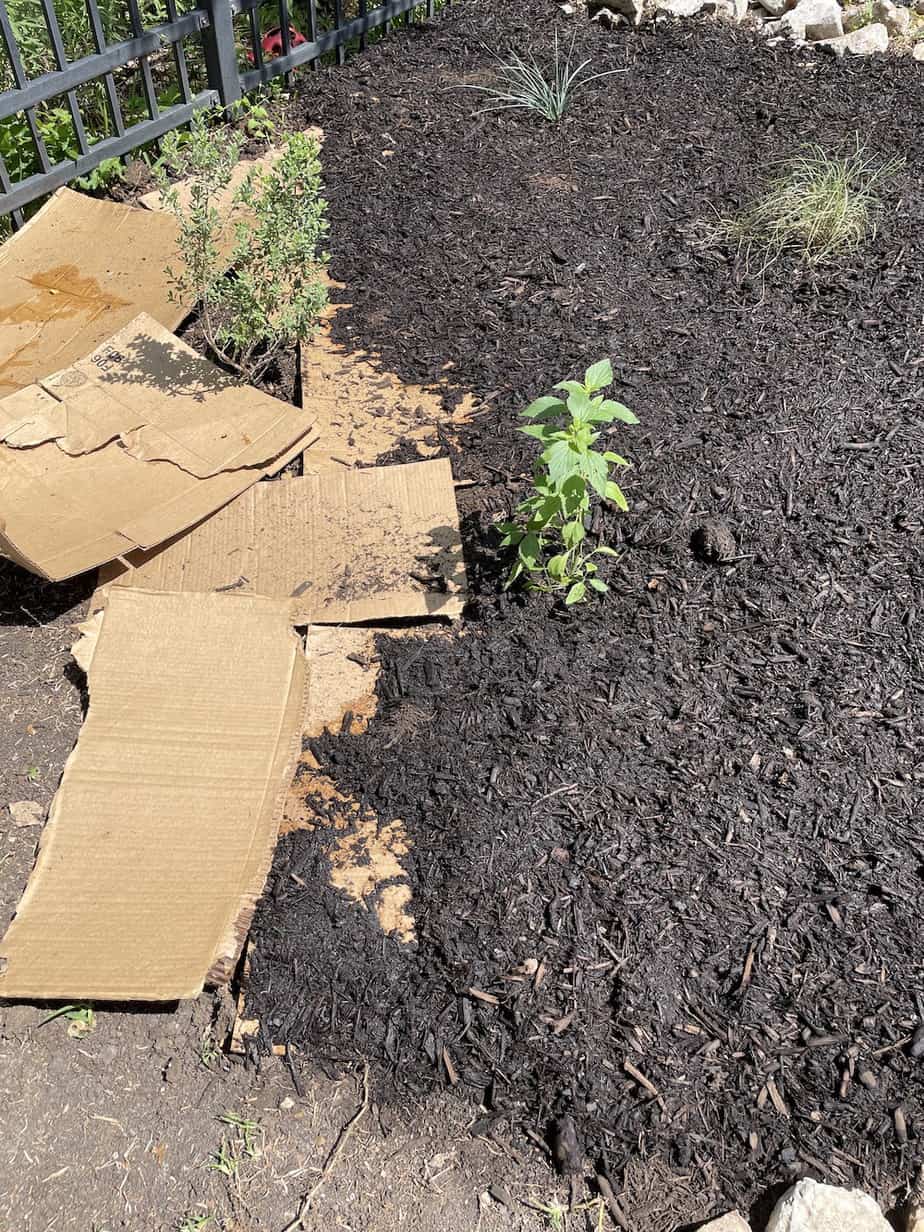
Credit: nativebackyards.com
Plant Spacing And Ground Cover
Proper plant spacing and using ground cover play a big role in stopping weeds. When plants are spaced well, they create shade that blocks sunlight from reaching weed seeds. Ground cover plants also help by covering soil and taking up space weeds need. Together, these methods reduce weed growth naturally and keep garden beds tidy.
Close Planting To Shade Soil
Planting crops or flowers close together helps shade the soil surface. Less sunlight reaches the soil, so weed seeds struggle to sprout. This method limits empty space where weeds can grow. Close planting also helps retain soil moisture, which benefits your plants.
Using Ground Cover Plants
Ground cover plants spread quickly and cover bare soil. They act as a natural barrier against weeds by occupying space and using nutrients. Some common ground covers include clover, creeping thyme, and moss. These plants add beauty and help keep weeds out.
Benefits Of Dense Planting
Dense planting creates a thick layer of leaves that blocks light from reaching weed seeds. It reduces the chance for weeds to grow between your plants. This method also improves soil health by protecting it from erosion and drying out. Dense planting supports a healthy, weed-free garden bed.
Watering Techniques To Reduce Weeds
Watering methods play a crucial role in controlling weeds in garden beds. Proper watering limits water availability to weed seeds. This reduces their chance to sprout and grow. Using the right techniques also helps plants thrive without encouraging weed growth. Focused watering helps keep your garden healthy and weed-free.
Drip Irrigation Benefits
Drip irrigation delivers water directly to plant roots. This system avoids watering