
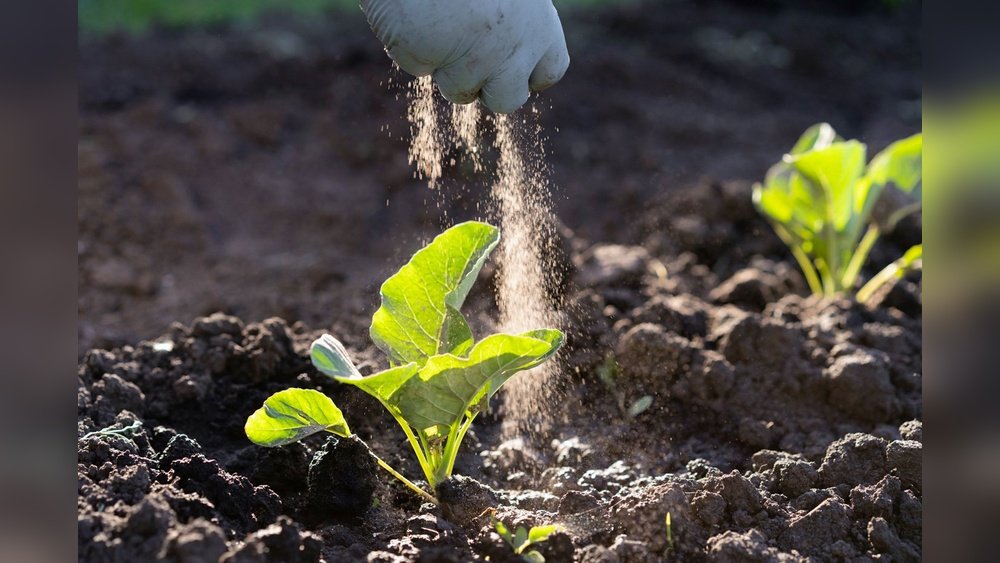
Sidedressing vegetables with fertilizer is a technique that can help turn average gardens into highly productive ones. When you side dress, you give plants extra nutrients during their growing season—not just at planting time. This method often brings healthier plants, bigger harvests, and fewer problems with weak growth.
Many home gardeners use fertilizer only when they plant seeds or seedlings. But as vegetables grow, their needs change, and the nutrients in soil can run low. Side dressing fills this gap, feeding plants right when they need a boost.
In this guide, you’ll learn exactly how to side dress vegetables with fertilizer. You’ll discover which vegetables benefit most, the best timing for each type, and how to apply fertilizer safely and effectively. You’ll also see common mistakes to avoid and get tips for both organic and synthetic fertilizers.
Whether you’re growing tomatoes in pots, carrots in rows, or squash in raised beds, understanding sidedressing can make a real difference in your garden’s success.
What Is Side Dressing?
Side dressing means placing fertilizer near growing plants, rather than mixing it into the soil before planting. The goal is to add nutrients during key growth stages. This method is different from top dressing, where fertilizer is spread over the whole soil surface, or broadcasting, where it’s spread before planting and mixed in.
When you side dress, you usually apply fertilizer in a band a few inches away from the plant’s main stem. You don’t want to touch the stem or leaves with fertilizer, especially with strong types, because it can burn plants.
Instead, nutrients are close enough for roots to absorb them, but not close enough to cause harm.
This technique is especially useful for heavy feeders—vegetables that use a lot of nutrients, like tomatoes, corn, and cabbage. It’s also important in sandy soils, where fertilizer washes away quickly, or in places with heavy rain.
Why Side Dressing Matters For Vegetable Gardens
Side dressing is not just an extra step. It’s a powerful tool for improving your harvest. Here’s why:
- Nutrient supply matches plant needs: As vegetables grow, their demand for nutrients changes. For example, leafy greens need more nitrogen as they form leaves, while tomatoes need more potassium as they start to fruit. Side dressing lets you give the right nutrients at the right time.
- Prevents nutrient leaching: In many soils, especially sandy ones, nutrients added at planting time can wash away before plants can use them. Side dressing puts nutrients in the root zone when plants are actually growing.
- Reduces waste: Instead of fertilizing the whole garden, you can target only the plants that need it. This saves money and is better for the environment.
- Better plant health: Plants that get steady nutrition grow stronger and are less likely to suffer from disease or pests.
A study by the University of Missouri Extension found that side dressing increased yields of sweet corn by 20% compared to only fertilizing at planting. For home gardeners, that could mean dozens more ears of corn from the same space.
When To Side Dress Vegetables
Timing is key to successful side dressing. The best time depends on the vegetable type and its growth stage. Here’s a breakdown of when to side dress common crops:
| Vegetable | Best Side Dressing Time | Key Nutrient |
|---|---|---|
| Corn | When plants are 12 inches tall, then again when tassels form | Nitrogen |
| Tomatoes | 2 weeks after transplanting, then when first fruits set | Nitrogen, Potassium |
| Peppers | First fruit set, then every 3-4 weeks | Nitrogen, Potassium |
| Cabbage | 3-4 weeks after planting | Nitrogen |
| Carrots | When tops are 3-4 inches tall | Phosphorus, Potassium |
| Beans | After first true leaves appear | Phosphorus |
Non-obvious insight: Many gardeners forget to side dress after heavy rain. If you have sandy soil or a rainy season, a lot of fertilizer can be washed away. In those cases, an extra, smaller side dressing can help plants recover.
Extra tip: If you’re growing vegetables in containers, nutrients run out even faster. Side dress more often but with weaker fertilizer to prevent burning roots.
Choosing The Right Fertilizer For Side Dressing
Not all fertilizers are good for side dressing. The best choice depends on your plant’s needs, your soil type, and whether you prefer organic or synthetic options.
Types Of Fertilizer
1. Granular Fertilizer
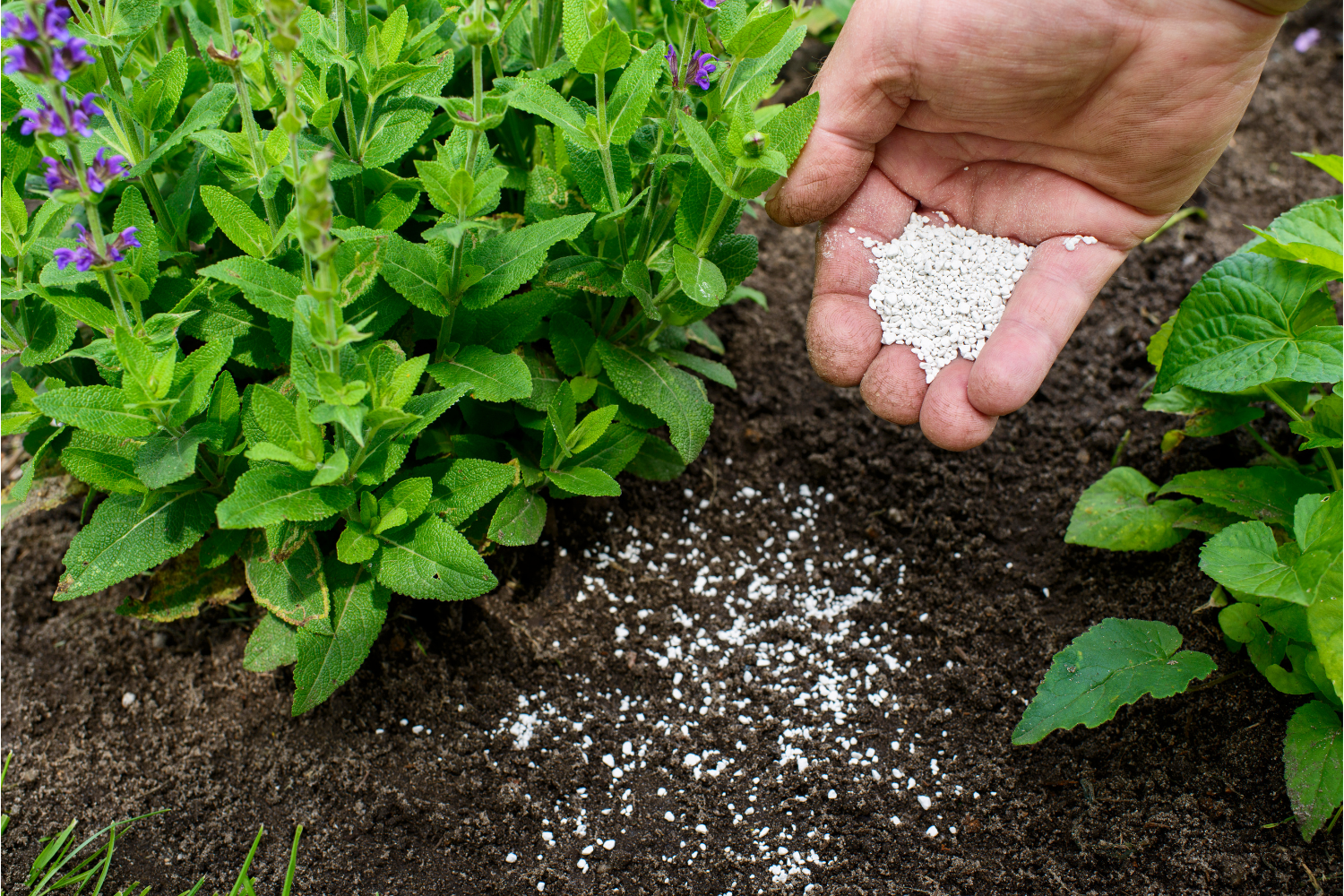
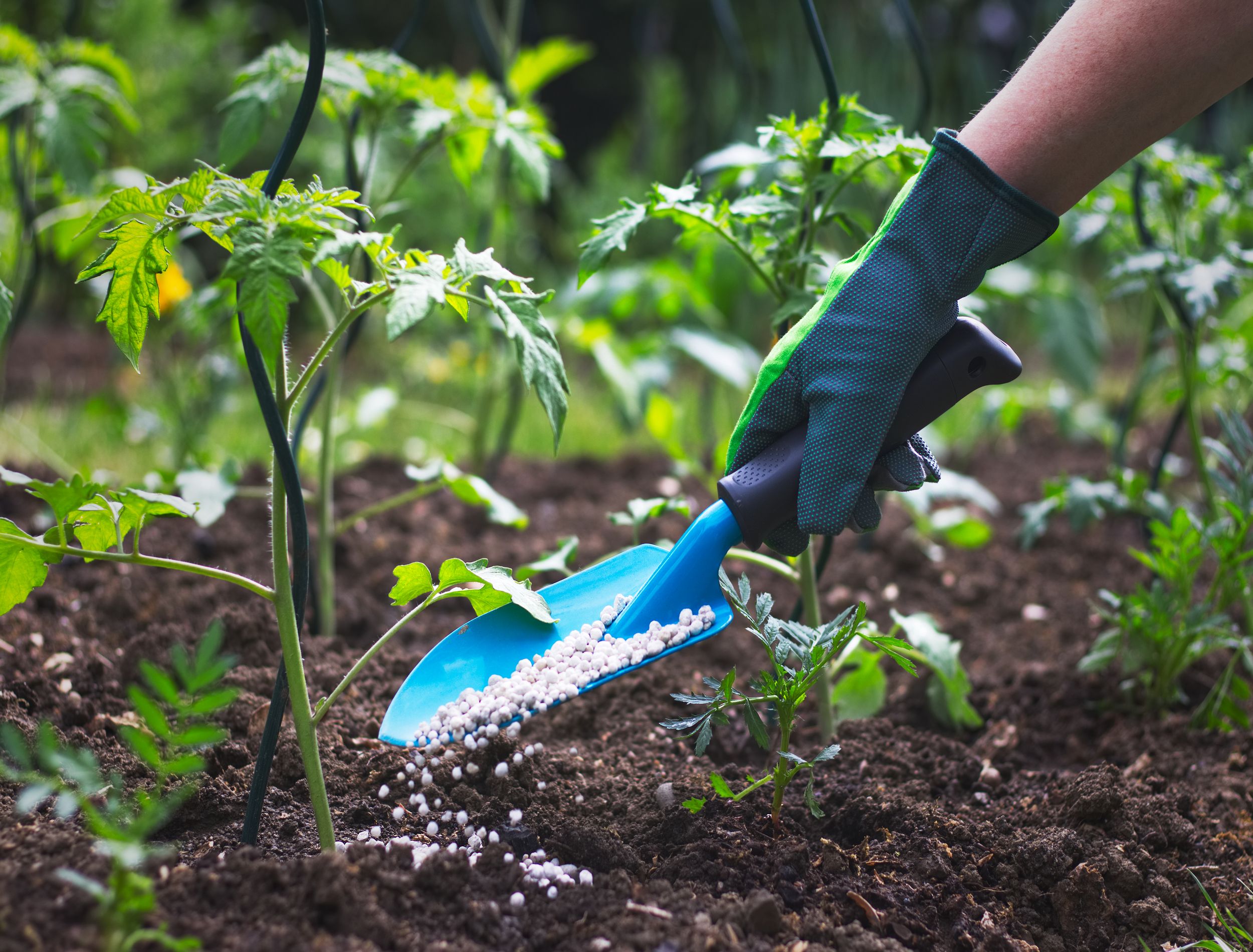
These are dry, slow-release pellets or powders. They’re easy to measure and spread. Examples include 10-10-10 all-purpose fertilizer, blood meal, and bone meal.
2. Liquid Fertilizer
These are mixed with water and poured around plants. They work quickly, which is good if plants look pale or weak. Fish emulsion and seaweed extract are popular organic liquids.
3. Compost And Manure
These natural materials add nutrients slowly and improve soil health. Well-rotted manure is safe for side dressing, but fresh manure can burn plants.
4. Specialty Fertilizers
Some products are made for certain crops, like tomato food or corn booster. These often have extra potassium or phosphorus.
Organic Vs Synthetic
- Organic fertilizers (compost, manure, bone meal) improve soil long-term but may release nutrients slowly. Good for steady, gentle feeding.
- Synthetic fertilizers (10-10-10, ammonium nitrate, urea) give a quick nutrient boost but can burn roots if overused.
Non-obvious insight: Synthetic fertilizers can give “fast food” to plants, but if the soil lacks organic matter, growth will still be limited. Mixing a little compost with synthetic fertilizer often gives the best results.
How To Read Fertilizer Labels
Every fertilizer has three numbers, like 10-10-10. These show the percentage of nitrogen (N), phosphorus (P), and potassium (K). For side dressing:
- Leafy greens often need more nitrogen (first number)
- Root crops like carrots need phosphorus and potassium (second and third numbers)
- Fruiting vegetables, like tomatoes, do best with a balanced or slightly higher potassium fertilizer
Check your soil test if you have one, and avoid using high-nitrogen fertilizer on crops that are already lush and green.
Credit: www.greenwaybiotech.com
Tools And Materials Needed
You don’t need fancy tools to side dress, but having the right items makes the job easier and safer.
- Measuring spoons or cups: For accurate fertilizer amounts
- Hand trowel or hoe: For making shallow trenches or furrows
- Gloves: Some fertilizers can irritate skin
- Watering can or hose: To water in dry fertilizer after application
- Bucket: For carrying fertilizer along rows
If you use liquid fertilizer, a dedicated watering can helps avoid mixing with other chemicals.
Step-by-step Guide: How To Side Dress Vegetables With Fertilizer
Let’s break down the process so you can do it confidently in your own garden.
1. Identify Which Vegetables Need Side Dressing
Not every crop benefits from side dressing. Focus on:
- Heavy feeders: Tomatoes, corn, peppers, cabbage, squash
- Long-season crops: Eggplant, broccoli, kale, potatoes
- Sandy or poor soils: Most vegetables will need extra help
Light feeders like beans, peas, or radishes often need less fertilizer and may not require side dressing at all.
2. Choose The Correct Fertilizer
- For leafy crops: Use a high-nitrogen fertilizer, like blood meal or 21-0-0 ammonium sulfate.
- For fruiting crops: Use a balanced fertilizer (like 10-10-10) or tomato food (5-10-10).
- For root crops: Use a fertilizer with more potassium and phosphorus, such as 5-10-15.
If you’re unsure, a balanced all-purpose fertilizer is a safe start.
3. Measure The Right Amount
Too much fertilizer can burn plants and pollute groundwater. Follow package instructions. As a rule:
- 1 tablespoon of granular fertilizer per plant (for large crops like tomatoes)
- 1/2 cup per 10 feet of row for smaller crops
- For liquid fertilizers, mix as directed (often 1 tablespoon per gallon of water)
Pro tip: It’s better to use less and repeat later than to overdo it in one go.
4. Apply Fertilizer In The Right Spot
- Make a shallow furrow or trench 3-6 inches away from the plant stem (closer for small plants, farther for large ones).
- Sprinkle fertilizer evenly in the furrow, not directly on the stem or leaves.
- For container plants, spread fertilizer around the edge of the pot.
Why not apply closer? Fertilizer can “burn” roots if it touches them directly, especially with strong types.
5. Cover And Water In
- Gently cover the fertilizer with a thin layer of soil. This keeps nutrients from washing away or burning leaves.
- Water the area well. This helps nutrients move into the root zone where plants can use them.
If you use liquid fertilizer, you can skip the covering step—just water around the base of the plant.
6. Repeat As Needed
Some crops benefit from more than one side dressing. For example:
- Corn: Side dress when plants are 12 inches tall, then again when tassels form.
- Tomatoes and peppers: After the first fruits set, then every 3-4 weeks during harvest season.
- Cabbage and broccoli: Once after transplanting, then again mid-season.
Check your plants every 2-3 weeks. If they look pale or weak, another side dressing may help.
Practical Tips For Successful Side Dressing
- Always water plants before and after side dressing if the soil is dry. This reduces the risk of burning roots.
- Avoid getting fertilizer on leaves or stems. If you do, brush it off or rinse with water.
- Don’t side dress right before heavy rain. Nutrients can wash away before roots absorb them.
- Use organic mulch after side dressing. This helps hold nutrients in place.
- For root crops, avoid too much nitrogen. It can cause lots of leaves but small roots.
Real-world example: A gardener in Florida found her tomatoes had yellow leaves and poor fruit set. After side dressing with a liquid fish emulsion (5-1-1) at the start of flowering, the plants greened up and started producing more tomatoes within two weeks.
Organic Vs Synthetic Side Dressing: Pros And Cons
Side dressing works with both organic and synthetic fertilizers, but each has strengths and weaknesses.
| Type | Pros | Cons |
|---|---|---|
| Organic (compost, manure, bone meal) | Improves soil health, safe for soil life, less risk of burning | Slower release, may need more frequent application, bulky to handle |
| Synthetic (10-10-10, urea, ammonium nitrate) | Quick results, easy to measure, concentrated | Can burn plants if overused, does not improve soil, risk of leaching |
Which is best? For long-term soil health, organic fertilizers are better. For a quick boost, synthetic fertilizers work well—especially if you combine them with compost or mulch.
Special Cases: Side Dressing In Raised Beds And Containers
Raised Beds
- Fertility drains faster than in ground soil.
- Use slow-release organic fertilizers like compost, worm castings, or pelletized manure.
- Apply side dressing every 3-4 weeks for heavy feeders.
Containers
- Nutrients leach out quickly with watering.
- Use liquid fertilizers at half strength every 2-3 weeks.
- Granular fertilizers can be mixed into the top inch of soil, but avoid strong types to prevent burning.
Tip: In containers, yellowing leaves often mean a lack of nitrogen. A quick side dressing with fish emulsion or liquid seaweed can help.
Common Mistakes And How To Avoid Them
Many gardeners make errors that reduce the benefits of side dressing. Here’s how to avoid them:
- Applying too close to stems: Always keep fertilizer 3-6 inches from the plant base.
- Using too much fertilizer: Over-fertilizing can cause leaf burn, poor fruit set, or even kill plants.
- Side dressing at the wrong time: Fertilizer is wasted if applied when plants are small or not growing fast.
- Ignoring soil type: Sandy soils need more frequent, smaller doses. Clay soils hold nutrients longer.
- Relying only on fertilizer: Healthy soil needs organic matter, not just chemicals.
Non-obvious insight: Some liquid fertilizers, especially fish-based ones, can attract animals like raccoons or cats. If this is a problem, cover treated areas with mulch.
Understanding The Science: How Side Dressing Helps Plants
Plants absorb nutrients mainly from the area near their roots. As plants grow, their roots spread and use up available nutrients. Side dressing puts fresh nutrients back into the root zone—the “eating area” for plants.
- Nitrogen helps make strong green leaves. It’s needed most during early and middle growth.
- Phosphorus helps with root growth and flowering.
- Potassium helps plants resist disease and produce strong fruits.
Most soils start with some nutrients, but as vegetables grow, they use them up. Rain can also wash nutrients deeper than roots can reach. By side dressing, you keep the “pantry” stocked for your plants, so they never run short.
Data point: According to the University of California Agriculture and Natural Resources, side dressing with 1/2 cup of ammonium sulfate per 10 feet of row increased tomato yields by up to 30% compared to unfertilized controls.
Sidedressing For Different Vegetable Families
Different types of vegetables have different needs. Here’s a simple guide:
Leafy Greens (lettuce, Spinach, Kale)
- Side dress with high-nitrogen fertilizer 3-4 weeks after planting.
- Repeat every 3-4 weeks for continuous harvesting.
Fruiting Vegetables (tomatoes, Peppers, Eggplant)
- Side dress when first fruits form and every 3-4 weeks during harvest.
- Use a balanced or slightly higher potassium fertilizer for best fruit quality.
Root Crops (carrots, Beets, Onions)
- Side dress when tops are 3-4 inches tall.
- Use a fertilizer higher in phosphorus and potassium for strong roots.
Legumes (beans, Peas)
- Usually need little extra fertilizer. If your soil is poor, a small side dressing of phosphorus is enough.
Brassicas (cabbage, Broccoli, Cauliflower)
- Side dress 3-4 weeks after transplanting and again at head formation.
- Use high-nitrogen fertilizer for best leaf and head growth.

Credit: deepgreenpermaculture.com
Environmental Considerations
Overusing fertilizer can harm rivers, lakes, and groundwater. To side dress responsibly:
- Use only as much as your plants need—check soil tests if possible.
- Avoid side dressing before heavy rain.
- Use organic mulch to hold nutrients in place.
- Rotate crops each year to balance soil health.
If you live near sensitive areas, organic fertilizers are usually safer. For more information about environmental impacts, see this EPA resource.
Troubleshooting: Signs Your Plants Need Side Dressing
Plants often show signs when they need extra nutrients. Here’s what to watch for:
- Pale, yellowing leaves: Usually a sign of nitrogen deficiency
- Poor fruit set: May mean low potassium or phosphorus
- Slow growth: Could be a general nutrient shortage
- Reddish or purple leaves: Sometimes a sign of phosphorus deficiency
If you see these symptoms, side dress with the correct fertilizer and monitor for improvement in 1-2 weeks.
Tip: Always rule out other problems first, like drought, disease, or root damage. Fertilizer won’t fix these issues.
Tracking Your Results
Keep a simple garden journal or log:
- Date and type of side dressing
- Amount used
- Weather conditions
- Plant responses (greener leaves, more fruit, etc.)
Over time, you’ll learn which crops in your garden need more or less, and when to side dress for the best results.
Frequently Asked Questions
How Much Fertilizer Should I Use For Side Dressing?
The amount depends on the crop, fertilizer type, and soil. As a general rule, use 1 tablespoon of granular fertilizer per large plant (like tomato), or 1/2 cup per 10 feet of row for smaller plants. For liquid fertilizers, follow label instructions—usually 1 tablespoon per gallon of water.
Always start with less if you’re unsure, as over-fertilizing can harm plants.
Can I Side Dress With Compost Instead Of Chemical Fertilizer?
Yes, well-rotted compost is excellent for side dressing. Spread 1-2 inches around plants and lightly mix into the topsoil. Compost releases nutrients slowly and improves soil structure. However, if plants are showing strong nutrient deficiencies (like yellow leaves), a faster-acting fertilizer may be needed for a quick fix.
Is Side Dressing Safe For All Vegetables?
Most vegetables benefit from side dressing, especially heavy feeders like corn, tomatoes, and cabbage. Light feeders like beans, peas, and radishes often need little or no extra fertilizer. Always avoid direct contact between fertilizer and plant stems or leaves to prevent burning.
What Is The Difference Between Side Dressing And Top Dressing?
Side dressing means placing fertilizer in a band beside growing plants, about 3-6 inches from the stem. Top dressing is spreading fertilizer or compost over the whole soil surface. Side dressing is more targeted and reduces waste, while top dressing is often used for lawns or perennial beds.
How Often Should I Side Dress Container Vegetables?
Container-grown vegetables need more frequent feeding because nutrients wash out with watering. Side dress with a liquid fertilizer at half strength every 2-3 weeks during the growing season. For granular fertilizers, mix a small amount into the top inch of soil every 4-6 weeks. Always water well after applying.
Side dressing is a simple but powerful way to boost your vegetable harvests. By giving plants the right nutrients at the right time, you help them grow stronger, resist disease, and produce more food. Whether you garden in rows, raised beds, or pots, learning this skill can make your efforts much more rewarding.
Remember to start small, observe your plants, and adjust your approach as you learn what works best in your own garden. With practice, you’ll see healthier plants and bigger, tastier harvests season after season.
Credit: www.backyardboss.net