
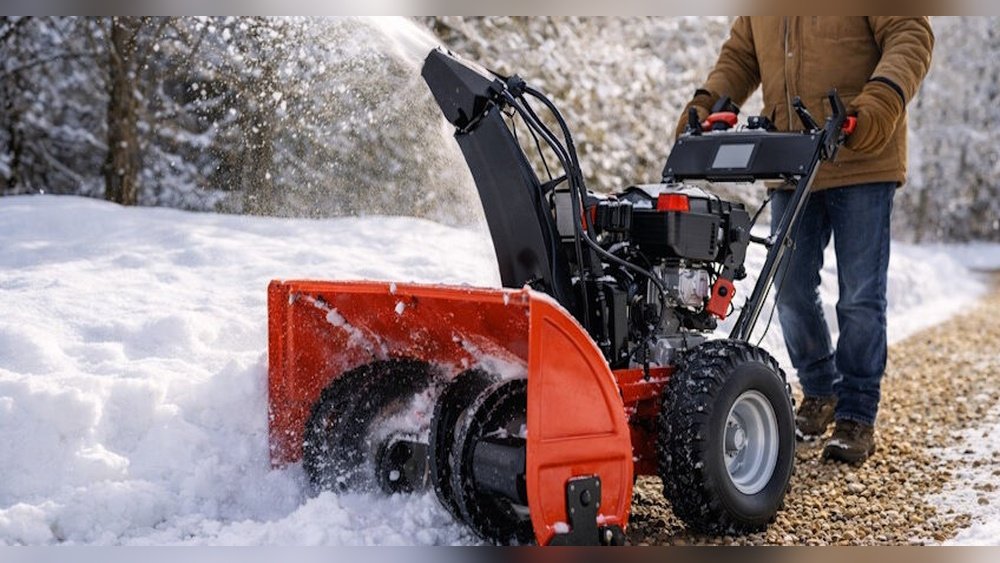
Snowfall can transform a quiet rural morning into a busy one. If your driveway or path is made of gravel, snow removal isn’t as simple as pushing a button. Using a snow blower on gravel needs the right skills and understanding to avoid accidents and prevent damage to your property or machine. Many people worry about shooting rocks through windows, hurting someone, or damaging the snow blower itself. The good news is, with the right approach, you can clear snow from gravel safely and efficiently.
This guide explains how to use a snow blower on gravel surfaces. You’ll learn the best settings, clever techniques, and safety precautions. Whether you’re a first-time snow blower owner or someone looking to improve, these tips will help you get professional results without headaches.
Why Gravel And Snow Blowers Need Special Care
Gravel driveways add a rustic charm and are often more affordable than concrete. But when winter comes, snow removal on gravel becomes tricky. Unlike a paved surface, gravel is loose. If you use a snow blower the same way you would on concrete, you risk picking up and throwing rocks along with the snow.
The danger isn’t just to property: flying gravel can break windows, dent cars, or cause injuries. It can also wear out your snow blower quickly, leading to expensive repairs. Understanding the unique risks of using a snow blower on gravel is the first step to safe and effective snow removal.
Choosing The Right Snow Blower For Gravel Driveways
Not every snow blower is ideal for gravel. Some types are more likely to pick up and toss rocks, while others can be adjusted to handle rough surfaces better. Here’s what to consider:
Single-stage Vs. Two-stage Snow Blowers
| Type | Snow Removal Method | Gravel Compatibility | Best For |
|---|---|---|---|
| Single-Stage | Auger touches the ground | Poor (can pick up gravel easily) | Small, paved areas |
| Two-Stage | Auger stays above ground, uses impeller | Good (can be adjusted for height) | Long or gravel driveways |
| Three-Stage | Auger + accelerator for heavy snow | Good, with correct adjustment | Large areas, deep snow |
Single-stage snow blowers are not recommended for gravel. Their auger scrapes the ground, picking up rocks. A two-stage snow blower is better; it has skids you can adjust to lift the auger above the gravel, reducing the risk of picking up stones.
Key Features To Look For
- Adjustable skid shoes: Let you raise or lower the auger housing above the gravel.
- Power steering: Makes handling easier on uneven surfaces.
- Large tires or tracks: Offer better grip on loose surfaces.
- Multiple speed settings: Allow for slower, more controlled passes.
Electric Vs. Gas
Gas-powered snow blowers are generally stronger and handle deep, heavy snow better. Electric models can work for light snow but might struggle with deep drifts or compacted snow on gravel.
Preparing Your Gravel Driveway Before Snowfall
A bit of planning goes a long way. Preparing your gravel driveway before the first snow can make your job easier and safer.
Compact The Gravel
Before winter, use a roller or drive over the surface several times to compact the gravel. The more compact the base, the less likely your snow blower will pick up loose stones.
Add Fresh Gravel
If you notice thin spots or ruts, add a layer of fresh gravel and spread it evenly. This keeps the surface level and reduces the chances of the auger digging in.
Mark The Edges
Install driveway markers or stakes along the edges. Snow can make it hard to see where the driveway ends and the lawn begins. Markers will help you stay on track and avoid damaging grass or landscaping.
Remove Large Rocks And Debris
Walk your driveway and remove branches, large rocks, or debris before the snow falls. This step prevents surprises that can damage your snow blower or become dangerous projectiles.
Snow Blower Setup: Adjusting For Gravel Surfaces
Proper setup is key to safe snow removal on gravel. Most accidents happen when the snow blower is too low, or when users move too fast.
Set The Skid Shoes
Skid shoes are metal or plastic pieces on either side of the auger housing. They control how high the snow blower sits above the ground. For gravel:
- Lower the skid shoes so the auger is at least 1/2 to 1 inch above the gravel.
- On a level surface, loosen the bolts on both skid shoes.
- Place a board or shim under the scraper bar to set your desired clearance.
- Lower the skid shoes until they touch the ground.
- Tighten the bolts.
This setup means the snow blower will leave a thin layer of snow. It’s better to have a bit of snow left than risk throwing gravel.
Adjust The Chute Direction
Always point the discharge chute away from buildings, cars, people, and pets. Even with careful setup, a few rocks may get picked up. Aim the chute toward open space.
Use The Right Speed
Go slow over gravel. Fast passes can cause the snow blower to bounce, digging into the gravel and collecting rocks. Use a lower speed and steady pace.
Check Tire Pressure
Proper tire pressure ensures good traction on loose surfaces. Check your snow blower’s tires regularly, especially before a big storm.
Step-by-step Guide: How To Use A Snow Blower On Gravel
Now that your machine is set up, here’s how to clear your gravel driveway safely and effectively.
1. Survey The Area
Before starting, inspect the driveway for new obstacles, pets, or objects hidden under snow.
2. Start With A Higher Setting
On the first pass, keep the auger higher above the gravel. If you miss some snow, you can lower the machine slightly for a second pass.
3. Overlap Your Passes
Overlap each pass by about one-third to ensure you don’t leave strips of snow. This also reduces the risk of missing low spots or hitting rocks.
4. Clear Snow Early And Often
Don’t let snow build up. Heavy, compacted snow is harder to remove and more likely to get mixed with gravel.
5. Avoid The Edges
The edges of a gravel driveway are usually less compact. Stay a few inches inside the markers to reduce the risk of picking up rocks.
6. Use A Two-pass System
On the first pass, keep the auger high to remove the top layer. On the second pass, lower the skids slightly to get closer to the gravel, but never scrape clean.
7. Inspect After Each Storm
After clearing, check for areas where gravel was thrown or where the surface was damaged. Fix issues before the next snowfall.
Common Mistakes When Using Snow Blowers On Gravel
Even experienced users make mistakes. Here are a few to avoid:
- Setting the auger too low: This is the most common error. It leads to thrown gravel and machine damage.
- Using a single-stage blower: These machines are not designed for gravel and will almost always pick up rocks.
- Going too fast: Fast passes can cause bouncing, which increases the risk of picking up stones.
- Neglecting maintenance: Worn skid shoes or a loose scraper bar can cause uneven clearing and more gravel pickup.
- Forgetting safety gear: Always wear safety glasses and keep bystanders away.
Safety Precautions For Gravel Snow Blowing
Safety is essential for you and anyone nearby. Flying gravel can cause real harm.
Personal Protective Equipment
- Safety glasses or goggles: Protect your eyes from flying debris.
- Hearing protection: Gas blowers can be loud, especially during long use.
- Thick gloves and boots: Keep your hands and feet warm and protected.
Keep People And Pets Away
Never allow children or pets near the clearing area. Even with good technique, a few stones might get thrown unexpectedly.
Watch For Cars And Windows
Point the chute away from vehicles, windows, and glass doors. Gravel can break glass and cause expensive damage.
Shut Down To Clear Jams
If the machine jams, turn it off and use a stick or snow removal tool to clear the blockage. Never use your hands.
Stay Aware Of Weather
Wind can blow snow (and gravel) off course. Adjust your technique if it’s gusty outside.
Maintenance Tips For Snow Blowers Used On Gravel
Gravel is rough on machines. Regular maintenance will keep your snow blower working longer.
Clean After Every Use
After each session, brush off any stuck gravel or debris from the auger, chute, and undercarriage. This prevents wear and rust.
Check Skid Shoes And Scraper Bar
Examine the skid shoes and scraper bar for wear. Replace them if they’re worn down. Metal skid shoes last longer but can be replaced with poly skids to reduce scratching and digging.
Lubricate Moving Parts
Gravel dust can make parts stick or wear out. Lubricate the auger, impeller, and chute rotation gears regularly.
Inspect Belts And Shear Pins
Shear pins protect your blower from damage if the auger hits a hard object. Check them often and keep a few spares on hand.
Off-season Storage
Before storing your blower for the spring, clean it thoroughly, change the oil (for gas models), and store it in a dry place. This will ensure it’s ready for next winter.
Credit: safepaw.com
Advanced Tips: Getting The Best Results On Gravel
Once you’re comfortable with the basics, these advanced tips can help you get cleaner, safer, and more efficient results.
Try Poly Skid Shoes
Standard metal skid shoes can dig into soft gravel. Poly skids (made of strong plastic) glide over gravel with less digging and scratching. They’re an easy upgrade for many snow blower models.
Use A Snow Blower Mat
If you need to clear snow near garages or entryways with gravel, lay down a snow blower mat or old rug. This lets you clear right up to the edge without picking up stones.
Consider Snow Melting Products
After blowing, if you have a thin layer of snow left, use eco-friendly ice melt. It will finish the job without needing to scrape the gravel bare.
Make Multiple Light Passes
Instead of removing all the snow in one go, make several light passes. This method reduces the chance of picking up rocks and gives a smoother finish.
Add Chains To Tires
If your snow blower slips on gravel, add tire chains. They boost traction without damaging the surface.
Watch For Freeze-thaw
Gravel driveways often form icy patches after snow removal. Sprinkle sand on these areas for extra grip and safety.
Alternatives To Snow Blowers On Gravel
Sometimes, using a snow blower isn’t the best choice. Here are alternatives that might work better for certain situations:
Snow Plow Attachment
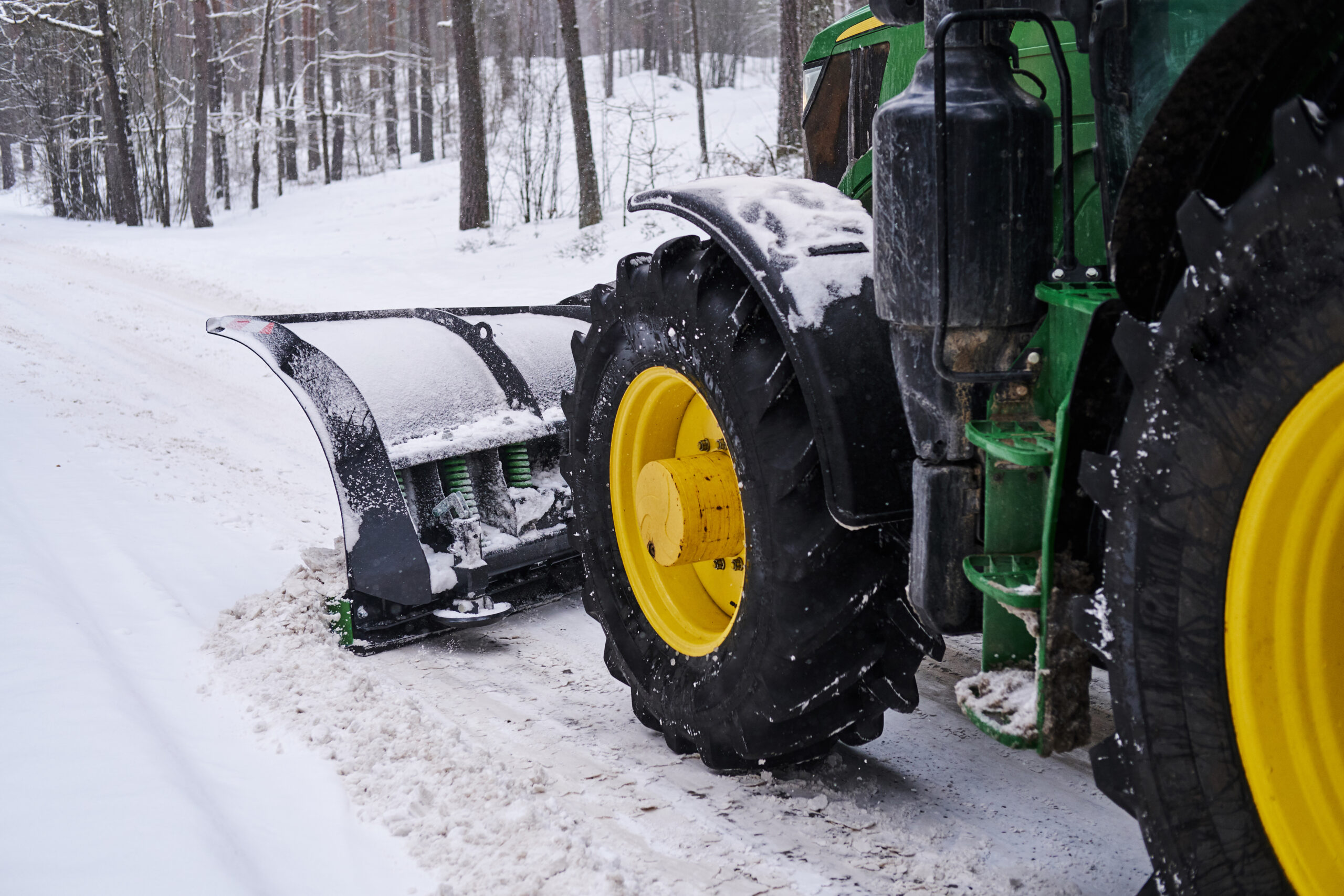
If you own a small tractor or ATV, a snow plow blade can clear gravel without picking up stones. Plow with the blade raised just above the surface.
Snow Shovels And Pushers
For small areas, a wide snow pusher or shovel is safe and effective. Push snow to the side, leaving a thin layer on top of the gravel.
Snow Melting Mats
Electric snow melting mats can be installed under high-traffic areas to keep them clear without shoveling or blowing.
Cost Comparison: Gravel Driveway Snow Removal Methods
Here’s a quick comparison of common gravel snow removal methods:
| Method | Average Cost (USD) | Best For | Pros | Cons |
|---|---|---|---|---|
| Two-Stage Snow Blower | $600 – $2000 | Medium to large driveways | Fast, efficient, adjustable | Requires maintenance, risk of gravel throw |
| Tractor/ATV Plow | $300 – $1000 (plow only) | Very large driveways | No gravel throw, covers wide area | Needs a tractor/ATV, less precise |
| Manual Shoveling | Free – $50 | Small driveways, walkways | No machine needed, safe | Labor intensive, slow |
| Snow Melting Mats | $300 – $1500 per area | High-traffic spots | No maintenance, no gravel throw | High install cost, limited coverage |
Environmental Considerations
Snow removal impacts more than just your driveway. When using a snow blower on gravel:
- Avoid spreading gravel into grass: Picked-up gravel can damage your lawn and make spring cleanup harder.
- Use eco-friendly de-icers: If you apply ice melt, choose products safe for pets and plants.
- Store fuel safely: For gas blowers, keep fuel in proper containers away from children or flames.

Credit: www.farmry.com
Regional And Climate Factors
Where you live affects the best snow removal approach:
- Heavy snowfall areas (like the Great Lakes or Northeast US) benefit most from two-stage blowers with powerful engines.
- Milder climates with occasional light snow can often use a high-quality electric blower or manual methods.
- Mountainous regions may need extra safety steps due to steep slopes and deep drifts.
Always match your machine and technique to your local conditions.
Real-world Example: Clearing A 200-foot Gravel Driveway
Imagine you have a 200-foot-long, 10-foot-wide gravel driveway in a region that averages 60 inches of snow per winter.
- Machine used: 28-inch two-stage snow blower with adjustable skid shoes
- Preparation: Gravel compacted in fall, edges marked with reflectors
- Technique: First pass with auger 1 inch above gravel, overlap passes, chute aimed at open field
- Result: Driveway clear, thin layer of snow left on top, minimal gravel displaced
- Cleanup: After each storm, walk the driveway to replace any displaced stones
This approach keeps the driveway usable all winter with minimal damage or safety risk.
Troubleshooting Common Problems
Even careful users sometimes face challenges. Here’s how to handle them:
Too Much Gravel Being Thrown
- Raise the skid shoes higher
- Slow down your pace
- Check if the scraper bar is worn or loose
Uneven Clearing
- Level the gravel before winter starts
- Overlap passes more
- Make sure both skid shoes are set to the same height
Snow Blower Slipping On Gravel
- Reduce tire pressure for more grip
- Add tire chains
- Move in straight lines, avoid sharp turns
Machine Jamming With Wet Snow
- Clear snow before it gets heavy or wet
- Spray auger and chute with non-stick spray
Upgrades And Accessories For Gravel Snow Blowing
A few accessories can make snow removal on gravel safer and more efficient:
- Heated hand grips: Keep hands warm in cold weather
- LED lights: Improve visibility during early morning or evening use
- Drift cutters: Help slice through tall snow banks
- Poly skids: As mentioned, better for gravel than metal skids
Check your manufacturer’s website or manual for compatible upgrades.
Credit: www.powerequipmentct.com
When To Call A Professional
Sometimes, hiring a snow removal service is the best option. If you have a very large driveway, steep slopes, or health concerns, a professional crew with the right equipment can clear your driveway quickly and safely. They know how to adjust machines for gravel and can minimize damage.
Resources For Learning More
If you want to dive deeper, the Consumer Reports Snow Blower Guide is a reliable place for unbiased reviews and detailed tips on snow blower safety and maintenance.
Frequently Asked Questions
What Type Of Snow Blower Is Best For Gravel Driveways?
Two-stage snow blowers are best for gravel. Their augers do not touch the ground, and you can adjust the skids to keep the machine above the gravel. This reduces the chance of picking up and throwing rocks.
Can I Use A Single-stage Snow Blower On Gravel?
It’s not recommended. Single-stage blowers have augers that touch the ground, which will almost always pick up gravel. You risk damaging your machine, driveway, and property.
How High Should I Set The Skid Shoes On Gravel?
Set the skid shoes so the auger is at least 1/2 to 1 inch above the gravel. It’s better to leave a thin layer of snow than risk throwing gravel.
What Do I Do If My Snow Blower Picks Up Gravel?
Stop immediately and check for damage to the auger or chute. Remove any stuck stones before continuing. After finishing, walk your driveway to return any displaced gravel to the surface.
Is It Safe To Use Ice Melt On Gravel Driveways?
Yes, but choose a product that is eco-friendly and safe for pets and plants. Avoid salt-heavy mixes, which can harm soil and make gravel muddy in spring.
Clearing snow from a gravel driveway can be challenging, but with the right approach, tools, and knowledge, you can keep your property safe and accessible all winter. Remember, preparation and proper technique are your best tools. With these tips, you’ll tackle every storm with confidence.