

Are stubborn weeds taking over your lawn and ruining its beauty? You’re not alone, and the good news is you don’t have to rely on harsh chemicals to fight back.
Imagine having a lush, green lawn that naturally resists weeds without harmful sprays or synthetic fertilizers. In this guide, you’ll discover simple, organic methods that work with nature to stop weeds in their tracks. From easy lawn care habits to natural treatments, these tips empower you to protect your grass while keeping your yard healthy and vibrant.
Ready to take control and enjoy a weed-free lawn the organic way? Keep reading to learn how!

Credit: www.townofwinchester.org
Healthy Lawn Habits
Building a healthy lawn helps stop weeds naturally. Strong grass grows thick and crowds out weed seeds. Healthy lawn habits improve soil and grass roots. These habits make your lawn harder for weeds to invade.
Focus on simple care steps to keep grass healthy. Each step supports grass growth and weed prevention. Consistent care means less need for weed killers later.
Mow High
Cut grass at a taller height to shade soil. Taller grass blocks sunlight from weed seeds. It also promotes deeper roots in grass. Avoid cutting grass too short. Mowing high keeps lawn dense and strong.
Water Deeply And Infrequently
Give your lawn a good soak once or twice a week. Deep watering encourages grass roots to grow down. Shallow, frequent watering helps weeds grow faster. Water early in the morning to reduce evaporation. Deep watering makes grass tougher and weeds weaker.
Fertilize Regularly
Feed your lawn with natural fertilizer every season. Fertilizer helps grass grow thick and healthy. Strong grass outcompetes weeds for water and nutrients. Use organic options like compost or slow-release fertilizer. Avoid over-fertilizing, which can harm grass.
Aerate And Dethatch
Loosen soil by aerating to let air and water reach roots. Dethatch removes dead grass that blocks nutrients. Both help grass grow better and stay healthy. Aeration reduces soil compaction that favors weeds. Do these tasks once or twice a year.
Overseed Bare Spots
Fill bare or thin areas with grass seed. Bare spots let weeds take hold quickly. Overseeding helps grass cover the soil fully. Use seeds that match your existing grass type. A thick lawn leaves no room for weeds to grow.
Credit: ecoactions.homedepot.com
Manual Weed Removal
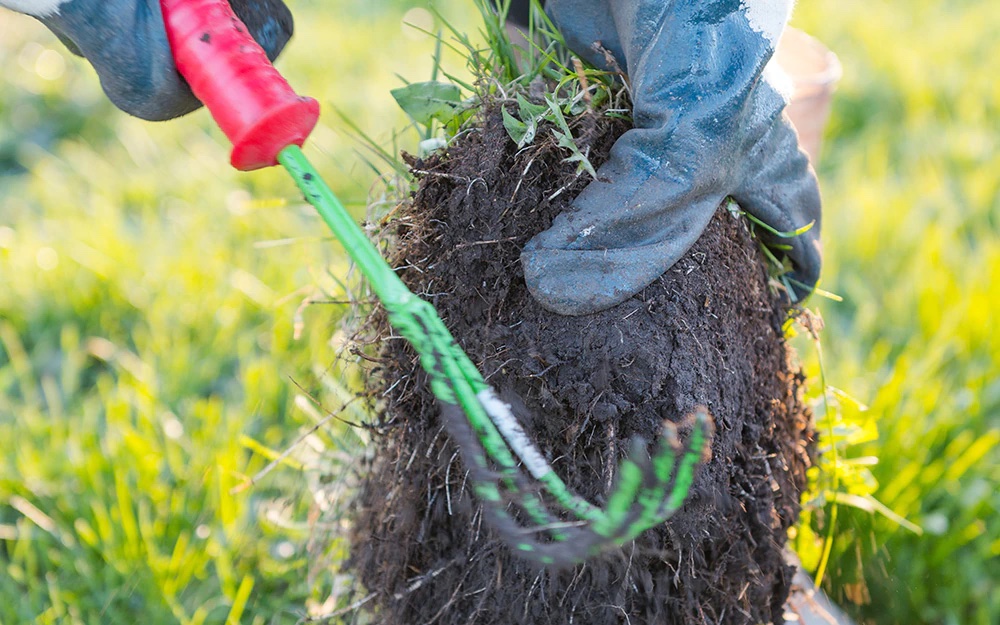
Manual weed removal is a simple and effective way to keep your lawn healthy and weed-free. It does not require chemicals or special tools. Just patience and the right technique. Pulling weeds by hand removes them completely, including roots. This prevents weeds from growing back quickly.
This method works best for small lawns or areas with few weeds. It also helps protect the environment. You avoid using harmful products that can damage grass or soil. Manual removal is a natural solution that fits well with organic lawn care.
Hand-pulling Techniques
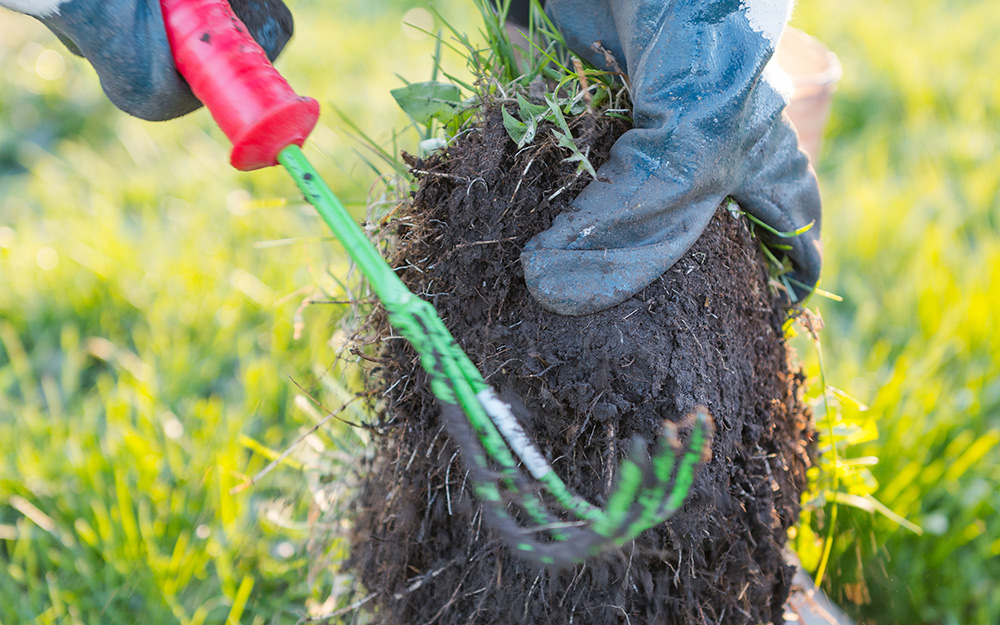
Start by loosening the soil around the weed with your fingers or a small tool. This makes pulling easier and reduces root breakage. Grab the weed close to the ground. Pull slowly and steadily to remove the entire root.
Use gloves to protect your hands. Dispose of weeds in a compost bin or trash. Avoid leaving pulled weeds on the lawn. They can reseed and grow again.
Timing For Best Results
Remove weeds when the soil is moist. After rain or watering is ideal. Soft soil lets you pull roots out fully. Pull weeds early in the morning or late afternoon.
Remove weeds before they flower or set seeds. This stops new weeds from spreading. Regularly check your lawn. Early removal keeps weeds from taking over.
Natural Spot Treatments
Natural spot treatments offer a safe way to control weeds without harming your lawn. These methods target specific weeds, avoiding damage to nearby grass. Using organic ingredients, you can keep your lawn healthy and green while managing unwanted plants.
Horticultural Vinegar Use
Horticultural vinegar contains higher acetic acid than kitchen vinegar. It burns the leaves of weeds on contact, causing them to die quickly. Apply it on a dry, sunny day for best results. Avoid spraying on grass or desirable plants to prevent damage. Use a spray bottle for precise application on weeds only.
Soap Solutions For Broadleaf Weeds
Soap solutions help break down the outer layer of broadleaf weeds. Mix a few drops of natural liquid soap with water. Spray this solution directly on weed leaves. It causes the weeds to dry out and die. This method is gentle and safe for your grass and soil.
Corn Gluten Meal As Pre-emergent
Corn gluten meal stops weed seeds from sprouting. Apply it early in spring before weeds emerge. It also adds nitrogen to your soil, helping grass grow stronger. Spread corn gluten meal evenly on bare spots or thin areas in your lawn. Water lightly after application to activate its effects.
Preventive Lawn Care
Preventive lawn care forms the foundation of a healthy, weed-free lawn. It focuses on practices that stop weeds from taking hold in the first place. A strong, dense lawn naturally blocks sunlight and space that weeds need to grow. Simple, organic steps help grass thrive and keep weeds away.
Encouraging Dense Grass Growth
Dense grass creates a thick carpet that crowds out weeds. Mow your lawn at the right height to keep grass blades healthy. Water deeply but less often to build strong roots. Apply natural fertilizers to feed the soil and grass. Aerate the lawn to improve air, water, and nutrient flow. A well-fed lawn grows fast and covers bare spots quickly.
Avoiding Bare Soil
Bare soil invites weed seeds to settle and sprout. Fill empty patches by overseeding with quality grass seed. Use organic mulch in garden edges and paths to block weed growth. Keep foot traffic low on weak spots to avoid soil compaction. Healthy soil with good cover stops weeds before they start. Maintain consistent care to reduce open soil areas.
Common Mistakes To Avoid
Stopping weeds in your lawn using organic methods requires care and attention. Many people make simple mistakes that harm their grass or fail to control weeds effectively. Avoiding these common errors helps keep your lawn healthy and weed-free naturally. Learn which actions to skip for better results.
Using Salt And Boiling Water
Salt and boiling water kill weeds quickly but also harm your grass. These substances do not discriminate between weeds and lawn plants. Salt can stay in the soil and prevent grass from growing back. Boiling water can burn the roots of nearby grass. Avoid using these methods near your lawn to protect healthy grass.
Indiscriminate Chemical Killers
Some chemical weed killers kill all plants they touch, including grass. Using these indiscriminate products damages your lawn’s health. They may also harm beneficial insects and soil life. Instead, use organic spot treatments that target only weeds. This approach keeps your lawn safe and supports a natural balance.
Credit: www.homedepot.com
Eco-friendly Weed Control Tools
Using eco-friendly weed control tools helps maintain a healthy lawn without harming the environment. These tools support organic methods and reduce the need for synthetic chemicals. They protect beneficial insects, soil health, and water quality. Choosing the right natural tools can make weed control easier and safer for your family and pets.
Natural Weed Killers You Can Make
Homemade weed killers use simple ingredients found at home. White vinegar, salt, and dish soap mix well to target weeds. Spray this solution directly on weeds to dry them out. Cornmeal gluten acts as a pre-emergent to stop new weed seeds from growing. Baking soda sprinkled on cracks in driveways or walkways prevents weed growth there. These natural recipes are safe for lawns and the environment.
Safe Alternatives To Harsh Chemicals
Tools like hand-pullers and weed pullers remove weeds by the roots without chemicals. Mulching with organic materials blocks sunlight and stops weed seeds from sprouting. Use a hoe or a flame weeder for spot treatment on tough weeds. These alternatives keep your lawn healthy and avoid chemical buildup in soil. They also reduce risks to pets, children, and beneficial insects.
Frequently Asked Questions
How Do You Kill Weeds In Your Lawn Organically?
Kill lawn weeds organically by mowing high, watering deeply, fertilizing regularly, and hand-pulling weeds. Use horticultural vinegar or corn gluten meal for spot treatment. Avoid salt or boiling water to protect grass. Maintain a healthy, dense lawn to naturally outcompete weeds and prevent growth.
What Kills Weeds But Not Grass Naturally?
Use healthy lawn care—mow high, water deeply, fertilize—to outcompete weeds. Hand-pull weeds or apply horticultural vinegar and corn gluten meal safely. Avoid salt and boiling water, which harm grass.
How To Naturally Keep Weeds Out Of A Lawn?
Maintain a dense lawn by mowing high, watering deeply but infrequently, and fertilizing regularly. Hand-pull weeds and apply corn gluten meal as a natural pre-emergent. Use horticultural vinegar for spot treatment. Avoid harsh chemicals like salt or boiling water to protect grass.
What Is The Most Environmentally Friendly Way To Kill Weeds?
The most environmentally friendly way to kill weeds is by hand-pulling, using horticultural vinegar, and applying corn gluten meal as a natural pre-emergent. Maintain a healthy lawn by mowing high, watering deeply, and fertilizing to naturally outcompete weeds without harming grass.
Conclusion
Stopping weeds in your lawn takes patience and care. Focus on growing thick, healthy grass. Water deeply but less often to strengthen roots. Mow at a higher setting to shade weed seeds. Pull weeds by hand before they spread. Use natural treatments like horticultural vinegar carefully.
Avoid harmful methods like salt or boiling water. Over time, these organic steps keep your lawn green and weed-free. A healthy lawn naturally blocks weeds and stays beautiful. Keep up regular maintenance for the best results. Your lawn will thank you with lush, green grass.