
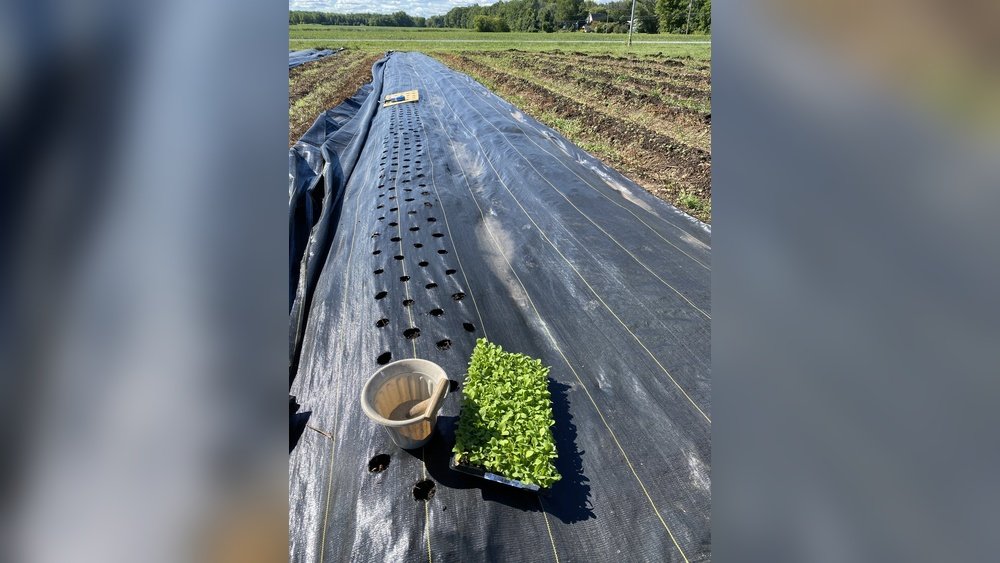
Weeds can quickly take over your garden, stealing nutrients and making your outdoor space look messy. You want a simple, effective way to keep them at bay without spending hours pulling them out. Landscape fabric weed prevention“>weed prevention is a proven method to achieve this goal.
That’s where landscape fabric comes in. When used correctly, it acts as a strong barrier that stops weeds from growing while still letting water and air reach your plants. In this guide, you’ll learn exactly how to use landscape fabric for weed prevention—step by step—so you can enjoy a cleaner, healthier garden with less work.
Keep reading to discover the tips and tricks that will transform your gardening routine.
Benefits Of Landscape Fabric
Landscape fabric offers many benefits for gardeners and landscapers. It helps keep outdoor spaces neat and healthy. Using fabric can reduce the time spent on weeding. It also supports plant growth by improving soil conditions. Understanding its benefits makes it easier to decide where and how to use it.
Weed Control Advantages
Landscape fabric blocks sunlight from reaching weed seeds. This stops weeds from growing through the soil. It reduces the need for chemical herbicides. The fabric allows water and air to pass, helping plants grow. It keeps the garden clean and free from unwanted plants.
Soil Erosion Prevention
The fabric holds soil in place during heavy rains. It protects slopes and garden beds from washing away. By stabilizing the soil, it helps keep plant roots safe. This reduces soil loss and maintains a healthy garden structure. It also prevents mud and dirt from splashing onto plants.
Moisture Retention
Landscape fabric helps keep soil moisture longer. It reduces water evaporation from the soil surface. Plants get consistent moisture, which supports steady growth. This can lower the frequency of watering needed. The fabric also helps mulch stay in place, improving moisture retention“>moisture retention.
Credit: ueo-workshop.com
Choosing The Right Fabric
Choosing the right landscape fabric is key for effective weed prevention. The fabric must suit your garden’s needs. It should block weeds but allow water and air to pass through. Quality fabric lasts longer and saves time and effort. Understanding material types, durability, and permeability helps you pick the best option.
Material Types
Landscape fabrics come in woven and non-woven types. Woven fabric is made from tightly woven polypropylene or polyester strands. It is strong and durable. Non-woven fabric is made by bonding fibers together. It is softer and easier to cut. Both types block weeds but woven fabrics last longer in tough conditions.
Durability Factors
Good fabric resists tearing and UV damage. Look for UV-stabilized options. These fabrics stay strong in sunlight. Thickness also matters. Thicker fabric lasts longer but can be harder to handle. Choose a fabric that matches your garden’s exposure to sun and foot traffic. Proper installation extends fabric life too.
Permeability Considerations
The fabric must allow water and air to reach plant roots. Permeable fabric prevents water pooling and soil erosion. Check the fabric’s water flow rate. High permeability means better water drainage. Avoid fabrics that trap water. Healthy plants need good airflow and moisture balance under the fabric.
Preparing The Garden Bed
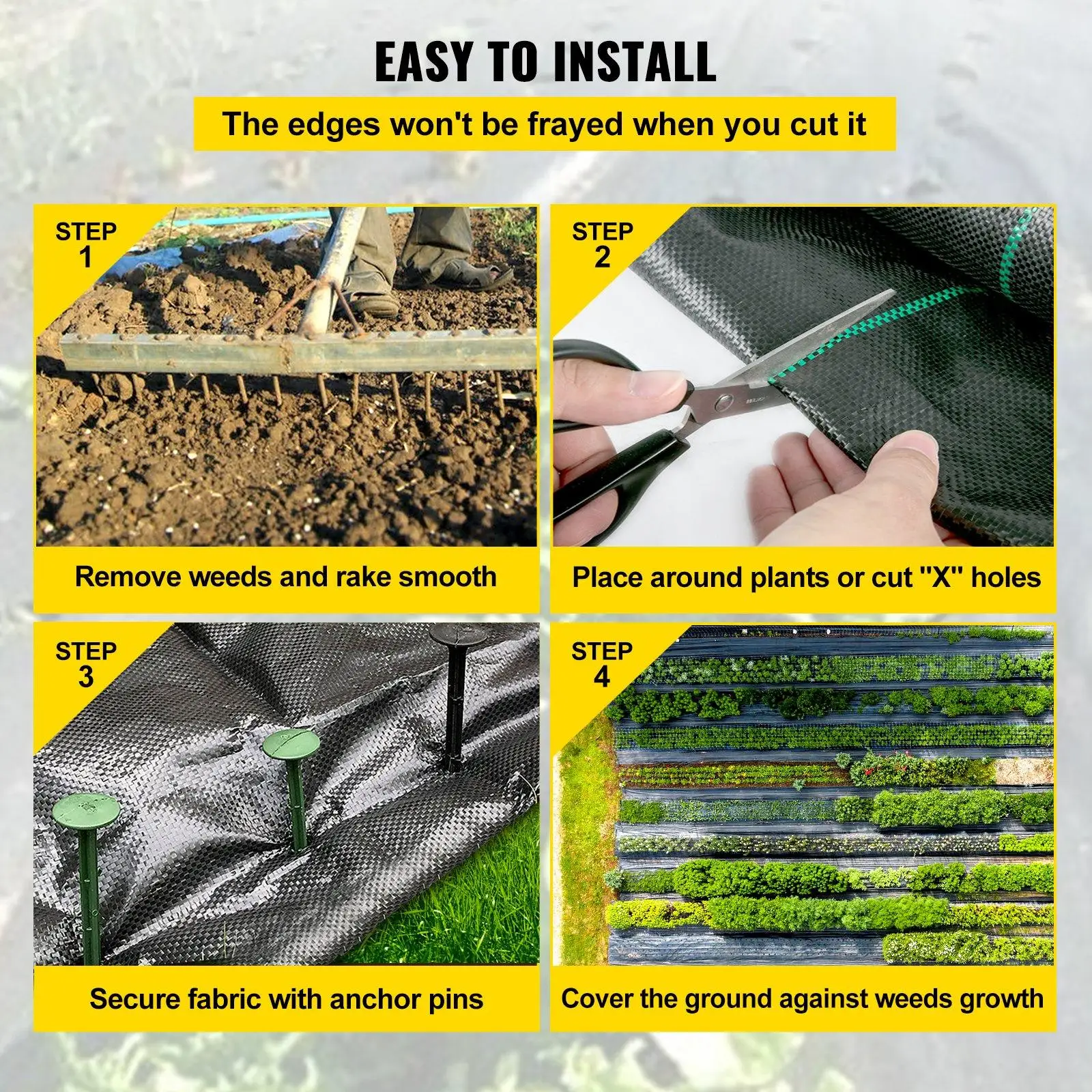
Preparing the garden bed is the first step in using landscape fabric for weed prevention. A well-prepared bed ensures the fabric works effectively. It helps keep weeds from growing through and makes your garden look neat. Proper preparation also improves plant health and soil quality.
Weed Removal Techniques
Clear all weeds from the garden bed. Pull out weeds by hand or use a hoe. Make sure to remove roots to stop regrowth. Dispose of the weeds away from the garden. This stops seeds from spreading back. Thorough weed removal helps the fabric block new