
Last updated: October 2026 · Written by the LawnVibe editorial team.
If your lawn has hard, compacted soil, water that runs off instead of soaking in, or grass that thins out along paths and play areas, a core aerator is the tool that addresses the cause. The best core aerator pulls real plugs of soil out of the lawn, creating space for roots to grow and for air, water and nutrients to move down into the root zone.
This guide focuses only on true core and plug aerators, from tow-behind models for riding mowers to rolling and hand-held coring tools for small lawns. We explain tine types, depth, timing and technique, so you can relieve compaction properly rather than just poking holes. For a broader look at all aerator types, see our main guide to the best lawn aerator.
| # | Product | Best for | Link |
|---|---|---|---|
| 1 | Agri-Fab 48 inch Tow-Behind Lawn Plug Aerator | Big, open lawns | Check price |
| 2 | Brinly 40 inch Tow-Behind Plug Aerator | Lawns with obstacles | Check price |
| 3 | Craftsman 40 inch Tow Plug Aerator + 40 inch Tow Lawn Dethatcher | Dethatch and aerate together | Check price |
| 4 | Garvee 48 inch Tow-Behind Core Aerator | Large lawns on a budget | Check price |
| 5 | VEVOR 40 inch Tow-Behind Plug Aerator | Medium lawns on a budget | Check price |
| 6 | 60 inch 3-Point Plug Aerator | Fields and acreage | Check price |
| 7 | Dual-Row Hollow Tine Rolling Core Aerator | Small to medium lawns | Check price |
| 8 | Yard Butler Manual Lawn Coring Aerator (ID-6C) | Spot aeration and small lawns | Check price |
| 9 | Step N Tilt Core Lawn Aerator V4 Kit | Easier hand coring | Check price |
| 10 | Gardzen Hand Hollow Tine Plug Aerator | Budget spot aeration | Check price |
How We Chose the Best Core Aerator
We did not run hands-on tests. We included only tools that remove soil cores, then compared published specifications: tine or spoon type and count, listed plug depth, working width, weight tray capacity, frame materials and ease of use. We also considered university extension guidance, which consistently favours core aeration for compacted lawns.
Specifications change, so confirm details on the listing before you buy.
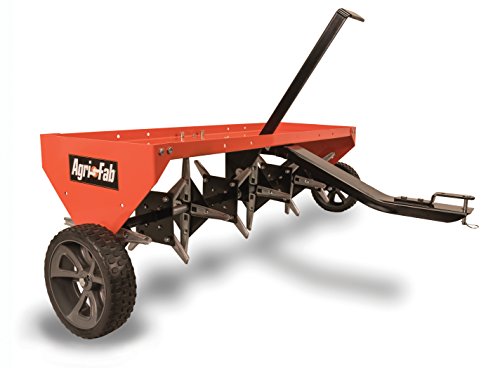
Agri-Fab 48 inch Tow-Behind Lawn Plug Aerator
Best for: Big, open lawns
32 galvanized knives pull plugs up to 3 inches deep across a 48 inch path, with a universal hitch.
- Wide coverage
- 32 knives
- Up to 3 inch plugs
- Bulky
- Needs weight in tray

Brinly 40 inch Tow-Behind Plug Aerator
Best for: Lawns with obstacles
24 heat-treated, 16-gauge steel spoons with a narrower design pull plugs up to 3 inches.
- Heat-treated spoons
- Easier to steer
- Universal hitch
- More passes on big lawns
- Needs added weight

Craftsman 40 inch Tow Plug Aerator + 40 inch Tow Lawn Dethatcher
Best for: Dethatch and aerate together
A plug aerator with 24 galvanized coring points paired with a 40 inch tow dethatcher with automatic raking.
- Two renovation tools
- Galvanized points
- Up to 3 inch plugs
- Storage space
- Higher upfront cost

Garvee 48 inch Tow-Behind Core Aerator
Best for: Large lawns on a budget
A heavy-duty 48 inch tow-behind core aerator with 3 inch spikes and an adjustable lever to tailor aeration depth.
- 48 inch width
- Adjustable depth lever
- Heavy-duty build
- Newer brand
- Assembly required
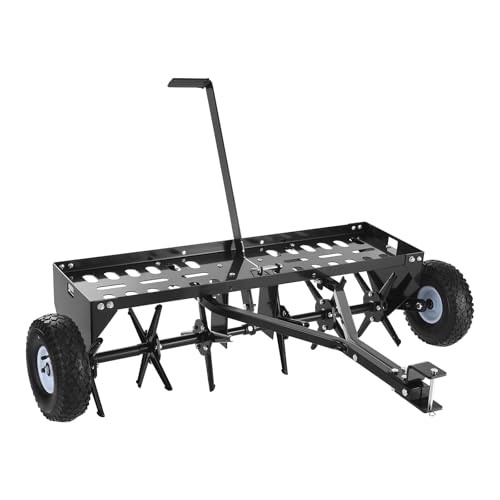
VEVOR 40 inch Tow-Behind Plug Aerator
Best for: Medium lawns on a budget
A 40 inch core aerator with a universal hitch, rust-resistant steel and a weight capacity of around 120 lb.
- Good weight capacity
- Rust resistant
- Universal hitch
- Newer brand
- Assembly required

60 inch 3-Point Plug Aerator
Best for: Fields and acreage
A 60 inch 3-point aerator with 66 replaceable coring plugs that penetrate up to 3 inches, for Category 0 and 1 tractors.
- Very wide coverage
- Replaceable plugs
- Weight tray
- Needs a compatible tractor
- Heavy

Dual-Row Hollow Tine Rolling Core Aerator
Best for: Small to medium lawns
A rolling aerator with dual rows of hollow tines and a drum that can be filled with water or sand for extra weight.
- Fillable drum for weight
- Dual-row tines
- No tow vehicle needed
- Pushing effort
- Generic brand

Yard Butler Manual Lawn Coring Aerator (ID-6C)
Best for: Spot aeration and small lawns
A powder-coated steel tool with dual plugs and a foot bar for leverage, ideal for compacted patches and small areas.
- Durable steel
- Dual plugs
- Affordable
- Slow for whole lawns
- Manual effort

Step N Tilt Core Lawn Aerator V4 Kit
Best for: Easier hand coring
A step-and-tilt motion and large stepping surface make coring easier on shoulders and back, with 3.4 inch tines.
- Ergonomic design
- Deep 3.4 inch tines
- Large step
- Assembly tools needed
- Manual work
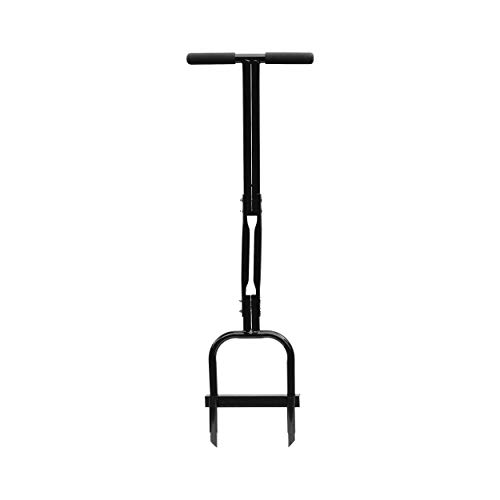
Gardzen Hand Hollow Tine Plug Aerator
Best for: Budget spot aeration
A powder-coated steel hand aerator with hollow tines that remove plugs of soil, measuring about 35 by 11 inches.
- True hollow tines
- Simple design
- Low cost
- Slow on large areas
- Manual effort
Why Core Aeration Works
Soil compaction squeezes out the pore spaces that hold air and water. Roots struggle to push through dense soil, so grass stays shallow-rooted, dries out quickly and thins under stress. A core aerator physically removes small plugs of soil, typically leaving holes a few inches deep. Those holes let roots expand, improve drainage and allow fertilizer and seed to reach the soil.
Spike aerators, by contrast, push soil sideways. That can open the surface for seed but may increase compaction around each hole. Kansas State University Research and Extension explains these differences in its guide to aerating your lawn.
Types of Core Aerators
Tow-behind plug aerators
Pulled behind a riding mower, lawn tractor or ATV. They use rows of spoons or knives on rotating reels, with a weight tray to push tines into the soil. They are the fastest way for homeowners with a tow vehicle to core aerate a large lawn.
3-point hitch plug aerators
Designed for compact tractors, with wide working widths and many coring plugs. They suit acreage and fields.
Rolling core aerators
Push-along rollers fitted with hollow tines. Some have drums that can be filled with water or sand for weight. They suit small to medium lawns without a tow vehicle.
Manual hollow-tine tools
Step-on tools with two to four hollow tines. Slow for whole lawns but ideal for small lawns, compacted spots, areas near trees and spaces machines cannot reach. For more options, see our guide to the best manual lawn aerator.
Gas walk-behind core aerators
Professional machines usually rented by homeowners. They pull deep, consistent plugs but are heavy. See our guide to the best gas-powered aerator.
Hollow Tines vs Spoons
Hollow tines are cylindrical and punch straight down, pulling a clean core. Spoon tines, common on tow-behind aerators, are curved scoops that rotate into the soil and lift a plug. Both remove soil. Hollow tines tend to produce neater, more uniform holes, while spoons work well on rolling reels where tines enter at an angle. Heat-treated or galvanized steel resists wear and rust.
How to Core Aerate for the Best Results
Aerate when grass is actively growing so it recovers quickly: early fall or spring for cool-season grasses, and late spring to early summer for warm-season grasses. Water thoroughly one or two days before aerating, so the soil is moist but not muddy. Dry soil resists tines, and saturated soil smears and clogs them.
Mark sprinkler heads, shallow irrigation lines and cables. Make passes in parallel lines, then a second pass at an angle on compacted areas for more holes per square foot. With tow-behind aerators, add weight to the tray within the manufacturer's limit and drive slowly. Lift or raise the aerator before sharp turns to avoid tearing turf. Leave the cores on the lawn to break down.
Our guides on how to core aerate a lawn yourself and how to aerate a lawn without damaging the grass explain each step, and how to use a core aerator for clay soil covers heavy soils.
Choosing a Core Aerator by Lawn Size
Under a quarter acre
A manual hollow-tine tool or a rolling core aerator is usually enough. Manual tools are slow but cheap and precise, while rolling aerators cover more ground per pass. Focus on high-traffic areas, slopes and spots where water pools, rather than trying to core every square foot by hand.
A quarter to one acre
If you own a riding mower, a 40 inch tow-behind plug aerator is the most practical option. It covers this range in a single session without the physical effort of a push tool. If you do not own a tow vehicle, renting a gas core aerator once a year is often the simplest route.
More than one acre
Wider 48 inch tow-behind aerators save time, and 3-point hitch aerators on compact tractors cover acreage quickly. For large properties, make two passes at different angles on the most compacted areas rather than slowing down on the whole lawn.
After Core Aeration: Seed, Feed and Water
The days after aeration are the best time to improve your lawn. The holes give seed a protected place to germinate and let fertilizer reach the root zone. Spread seed suited to your grass type and climate, followed by a starter fertilizer if overseeding. Water lightly and often until seedlings establish, then return to deeper, less frequent watering. If you are not overseeding, a regular fertilizer application helps grass fill in quickly. Our guides on how to overseed a lawn after aerating and how to fertilize a lawn after aeration explain the details.
How Often to Core Aerate
Most lawns benefit from core aeration once a year. Heavy clay soils, sports areas and lawns with heavy foot traffic may need aerating twice a year. Sandy soils, which compact less, may need it only every two or three years. Watch for signs such as puddling, hard soil and thinning grass to decide when it is time again.
Troubleshooting Shallow Plugs
If your aerator only scratches the surface, the soil is probably too dry or the aerator too light. Water the lawn deeply and wait a day, then try again. Add weight gradually to tow-behind models, and slow down. For manual tools, use your full body weight on the footplate and keep the tool vertical. Clogged hollow tines also reduce depth, so clear them regularly. Our troubleshooting guide on how to fix a core aerator that is not penetrating the soil has more tips.
Rent or Buy a Core Aerator?
Renting a gas walk-behind core aerator is popular for once-a-year aeration of medium lawns, especially if you do not own a riding mower. Rental machines pull deep, consistent plugs, but they are heavy, need a vehicle to transport and must be returned on time. Buying makes more sense if you own a riding mower, because a tow-behind plug aerator is affordable, always ready and can be shared with neighbours. For small lawns, a manual or rolling core tool costs little and stores easily. Over several seasons, owning a tow-behind aerator often costs less than repeated rentals.
Signs Your Lawn Needs Core Aeration
Common signs include puddling after rain, runoff on slopes, soil that is hard to push a screwdriver into, thin grass along paths and a lawn that browns quickly in dry weather. A simple check is to lift a small square of turf and look at the roots. If they stop within an inch or two of the surface, compaction may be holding them back.
Core Aerator Maintenance
Hollow tines and spoons clog with dried soil if they are not cleaned. Knock or hose out soil after every use, and let the aerator dry fully to limit rust. Check for bent, cracked or worn tines and replace them; many tow-behind aerators and manual tools have replaceable tines. Lubricate bearings and hitch points as the manual recommends, and store the aerator under cover with weights removed from the tray. Our guide on how to clean a lawn aerator after use covers the routine.
Leave the Cores
Leave soil cores where they fall. They crumble within a couple of weeks, especially after rain or mowing, and return soil and microbes to the surface.
Safety Tips
Wear sturdy shoes and gloves when using manual coring tools, and keep feet clear of tines. With tow-behind aerators, tow slowly, avoid steep slopes and wet grass, and stop the mower before adding weight or clearing clogs. Keep children and pets away while you work, and never let anyone ride on the aerator. Before aerating, mark sprinkler heads and check where shallow utility lines run.
Common Core Aeration Mistakes
The biggest mistakes are aerating dry soil, aerating at the wrong time of year and making only one sparse pass. Dry soil prevents penetration, off-season aeration leaves grass unable to recover, and too few holes deliver limited benefit. Aerating moist soil during active growth, with overlapping or crisscross passes, makes the effort worthwhile.
Final Verdict: Which Core Aerator Should You Buy?
The best core aerator pulls real plugs at a useful depth and suits your lawn size.
- Best tow-behind for large lawns: the Agri-Fab 48 inch plug aerator.
- Best manoeuvrable tow-behind: the Brinly 40 inch plug aerator.
- Best tow-behind bundle: the Craftsman 40 inch plug aerator with tow dethatcher.
- Best value 48 inch tow-behind: the Garvee 48 inch core aerator with adjustable depth lever.
- Best value 40 inch tow-behind: the VEVOR 40 inch plug aerator.
- Best for tractors: the 60 inch 3-point plug aerator.
- Best rolling core aerator: the dual-row hollow tine rolling aerator with fillable drum.
- Best manual core tool: the Yard Butler coring aerator.
- Best ergonomic manual tool: the Step N Tilt core aerator kit.
- Best simple hollow-tine tool: the Gardzen hand plug aerator.
Core aerate at the right time, leave the plugs and follow with seed and fertilizer, and your lawn will build deeper roots and thicker growth.
Frequently Asked Questions
What is a core aerator?
A core aerator, or plug aerator, uses hollow tines or spoons to pull small cylinders of soil out of the lawn. This relieves compaction and lets air, water and nutrients reach grass roots.
How deep should a core aerator go?
Many plug aerators are listed at up to about 2 to 3 inches. Deeper plugs relieve more compaction, and depth depends heavily on soil moisture and weight.
Should I leave the cores on the lawn?
Yes. Soil cores break down within a couple of weeks and return soil and microbes to the surface. Raking them up is unnecessary.
Is core aeration better than spike aeration?
For compacted soil, yes. Extension services generally recommend core aeration because removing soil creates real space, while spikes push soil aside and can compact it around each hole.
Can I core aerate clay soil?
Yes, and clay lawns often benefit most. Aerate when the soil is moist, not dry or saturated, and consider aerating more often on heavy clay.