
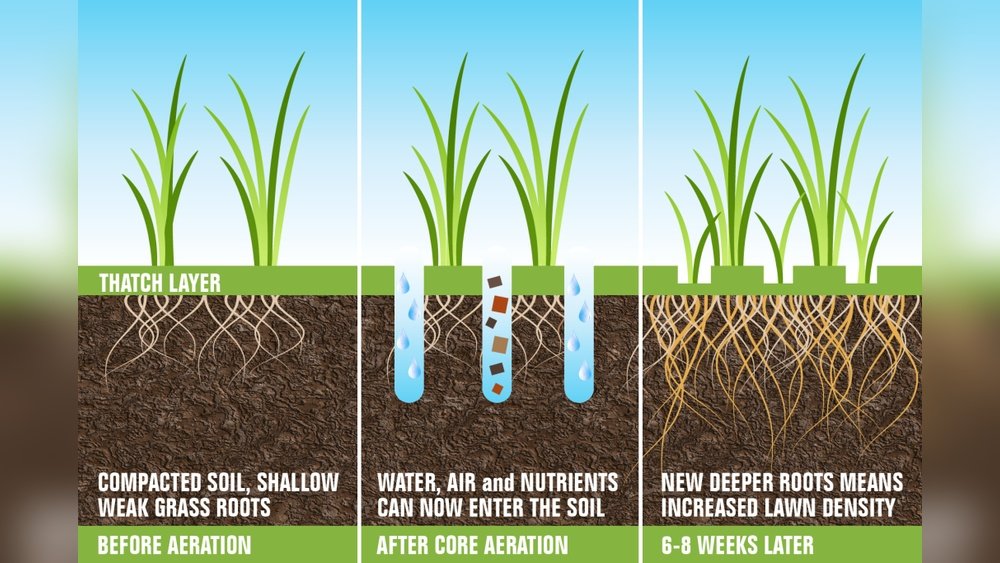
If you want a lush, green lawn that stands out in your neighborhood, overseeding after aerating is a game-changer. Aeration opens up your soil, allowing air, water, and nutrients to reach deep roots—but without overseeding, you miss the chance to fill in bare spots and thicken your grass. To achieve the best results, it’s crucial to overseed lawn after aerating effectively.
You might wonder exactly how and when to overseed to get the best results. This guide will walk you through simple steps you can take right after aerating to give your lawn the fresh start it needs. Keep reading, and you’ll learn how to transform your yard into the vibrant, healthy space you’ve been dreaming of.
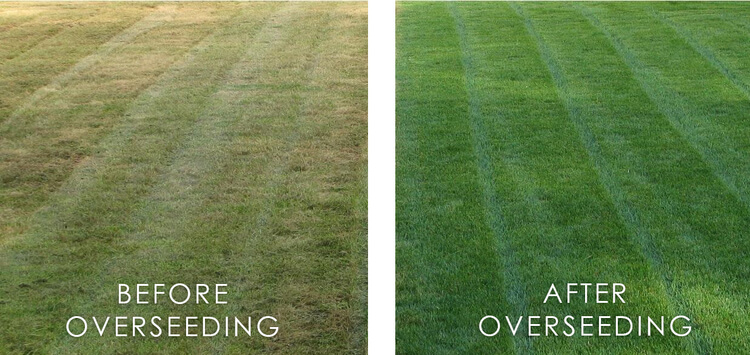
Credit: www.villadegrecis.com
Best Time To Overseed
Choosing the best time to overseed after aerating is key for a healthy lawn. Proper timing helps grass seeds grow strong roots. This section explains the ideal seasons and the best moments after aeration to overseed.
Ideal Seasons For Overseeding
Late summer and early fall are perfect for overseeding. The soil is warm, which helps seeds sprout quickly. Cooler temperatures reduce stress on new grass. Spring can also work, but weeds may compete with seedlings. Avoid summer because heat and drought can harm young grass. Fall gives the best chance for thick, green lawns.
Timing After Aeration
Overseed immediately after aeration. Aeration creates holes that let seeds reach the soil easily. This improves seed-to-soil contact, boosting germination rates. Do not wait days or weeks, as soil can dry out or close up. Water the lawn right after overseeding to keep soil moist. Consistent moisture helps seeds sprout and grow strong roots.
Preparing The Lawn
Preparing the lawn is a crucial step before overseeding after aeration. It sets the stage for new grass seeds to grow strong and healthy. Proper preparation helps the seeds make good contact with the soil and improves their chances of germination. Take time to clear debris and ensure the soil is ready for seeding.
Clearing Debris And Drying Soil Plugs
After aerating, the lawn will have soil plugs on the surface. These plugs need to dry out completely. Dry plugs are easier to break apart and blend with the soil. Remove leaves, dead grass, and any other debris from the lawn. Clean soil allows seeds to reach the ground and prevents blockages that stop growth.
Blending Soil For Seedbed
Break up the dried soil plugs into smaller pieces. Mix the soil plugs with the existing soil to create a fine seedbed. A well-blended seedbed holds moisture and warmth, which seeds need to sprout. Rake the lawn gently to spread soil evenly. This step helps seeds settle in and start growing quickly.
Choosing The Right Seed
Choosing the right seed is key to a healthy lawn after aerating. The seed must fit your climate and soil. It needs to be high quality for good growth. The right amount of seed helps cover your lawn evenly. This section guides you through picking the best seed for Austin’s unique environment.
Seed Types For Austin Climate
Austin has a warm climate with hot summers and mild winters. Warm-season grasses grow best here. Bermuda grass is very popular. It handles heat and drought well. St. Augustine grass also works and stays green in summer. Zoysia grass grows slowly but is tough. Choose seeds that match Austin’s weather and soil type for strong growth.
Seed Quality And Quantity
Good seed quality means fresh, pure, and free from weed seeds. Check the seed label for purity and germination rates. Higher germination means more grass sprouts. Buy enough seed to cover your lawn at the recommended rate. Too little seed leaves bare spots. Too much seed wastes money and can cause disease. Measure your lawn and follow the package instructions carefully.
Post-Seeding Care
After you overseed lawn after aerating, proper care is essential to ensure successful growth. This section covers watering, mowing, and fertilizing tips to help your new grass thrive.
Watering Tips
Keep the soil consistently moist but not waterlogged. Water lightly and frequently to encourage seed germination. As the grass begins to grow, gradually reduce the frequency and increase the depth of watering.
Mowing and Fertilizing
Wait until the new grass reaches a height of about 3 inches before mowing. Use a sharp mower blade to avoid tearing the young grass. Fertilize with a balanced fertilizer to provide essential nutrients for growth.