
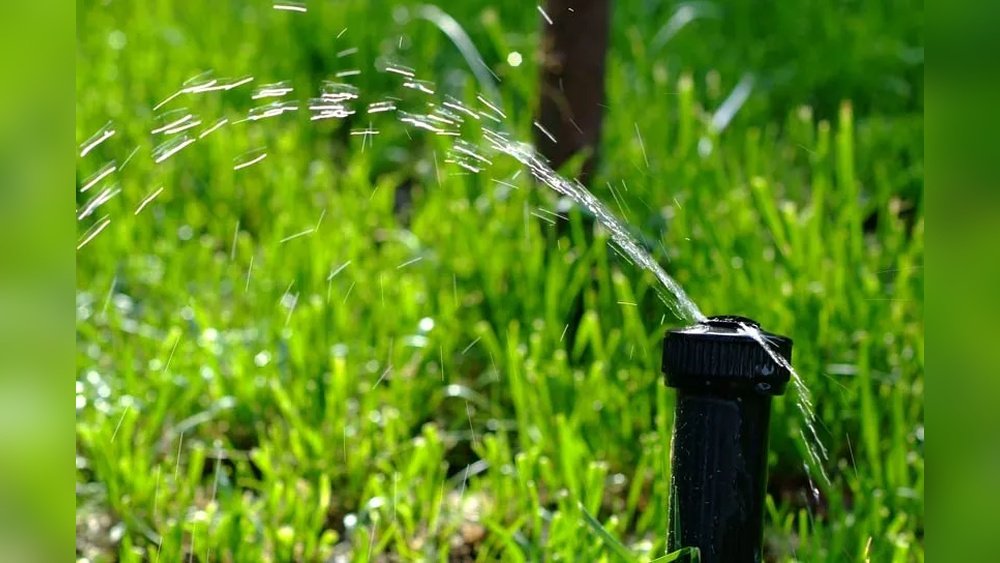
Is your sprinkler system struggling to deliver water with enough force? Low water pressure can make your lawn look patchy and dry, even when your system is running.
You might wonder why your sprinkler heads are barely spraying or why some zones are barely wet. The good news is, you don’t have to live with weak water flow or call a costly plumber right away. In this guide, you’ll learn simple, effective ways to fix low water pressure in your sprinkler system.
By understanding the common causes and how to troubleshoot them, you can bring your sprinklers back to life and keep your lawn lush and green. Keep reading—you’ll find easy tips that anyone can follow to restore strong, steady water pressure to your entire sprinkler setup.

Credit: hebplumbing.net
Common Causes
Low water pressure in a sprinkler system often comes from simple, common causes. Identifying these issues helps restore water flow quickly. Many problems involve blocked or damaged parts that reduce pressure.
Understanding these causes can save time and money. Some fixes are easy to do without a professional. Others may need expert help for safety and effectiveness.
Clogged Pipes
Pipes can clog from dirt, debris, or mineral buildup. Hard water leaves minerals that narrow pipe openings. Clogs reduce water flow and lower pressure. Regular cleaning helps prevent blockages and keeps water moving.
Leaking Pipes
Leaks waste water and drop pressure in the system. Small cracks or holes cause leaks inside or outside pipes. Finding leaks early avoids bigger damage. Repairing leaks restores proper pressure and saves water.
Faulty Pressure Regulator
The pressure regulator controls water flow to the sprinkler system. A broken or worn regulator causes pressure to drop. Replacing a faulty regulator helps maintain steady water pressure. Check the regulator if pressure feels weak.
Closed Or Faulty Valves
Valves control water flow to different sprinkler zones. Closed or partly closed valves reduce pressure. Valves can also fail or get stuck. Inspect valves to ensure they open fully and work properly.
Clogged Fixture Aerators
Aerators mix air with water at sprinkler heads. Dirt and minerals can clog these small parts. Clogged aerators reduce water flow and pressure. Clean or replace aerators to improve water delivery.
Corroded Plumbing
Old pipes can corrode and narrow inside. Corrosion blocks water flow and lowers pressure. Metal pipes are more prone to rust and corrosion. Replacing corroded pipes improves system performance.
Municipal Supply Issues
Sometimes low pressure comes from the city water supply. Maintenance or high demand can reduce water pressure. Contact the water company to check if supply issues exist. Knowing this helps plan sprinkler system fixes.
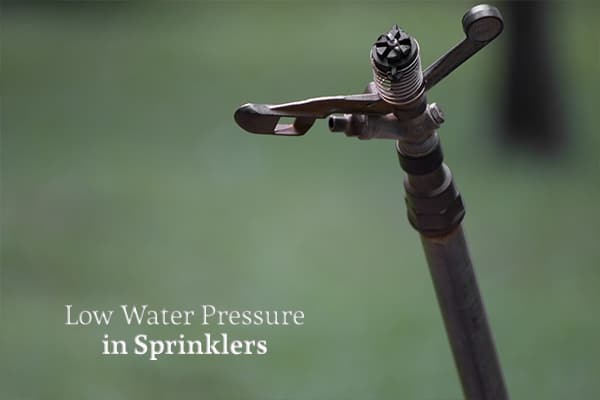
Credit: hebplumbing.net
Spotting The Issue
Advanced solutions tackle deeper problems causing low water pressure in sprinkler systems. These methods require more effort and tools but can greatly improve system performance. Addressing issues inside pipes, pressure regulators, and sprinkler head layout boosts water flow. Upgrading parts or the whole system ensures long-term pressure stability.
Flushing Pipes
Flushing removes mineral buildup and debris inside pipes. Shut off the water supply first. Open the furthest sprinkler valve to let water flow out quickly. This clears blockages lowering pressure. Repeat for each zone. Regular flushing keeps pipes clean and water pressure steady.
Adjusting Or Replacing Pressure Regulators
Pressure regulators control water flow into the sprinkler system. A faulty regulator reduces pressure noticeably. Locate the regulator near the main valve. Adjust the screw to increase pressure carefully. Replace it if damaged or old. Proper regulator function keeps pressure within the ideal range.
Redistributing Sprinkler Heads
Sprinkler heads too close together cause pressure drops. Spread heads evenly to balance water flow. Remove some heads if zones have many. Group heads requiring similar pressure in the same zone. This redistribution helps maintain strong pressure at each head.
Upgrading The System
Older systems may struggle with modern water needs. Upgrade pipes to wider or better materials like PVC. Install more powerful pumps if needed. Consider smart controllers that adjust watering based on pressure. System upgrades improve water pressure and save water in the long run.
Basic Fixes
Knowing when to hire a professional can save time and prevent damage. Some sprinkler system problems need expert skills and tools. Trying to fix these issues alone may cause more harm. Professionals spot hidden problems and fix them correctly. Here are key signs it’s time to call a pro.
Major Leaks
Large leaks reduce water pressure quickly. If the ground is wet or muddy near pipes, a leak might be present. Patching small leaks is simple, but major leaks require digging and pipe replacement. A professional can find the leak’s exact location and fix it safely.
Pressure Regulator Issues
The pressure regulator controls water flow to your system. If pressure stays low after checking other parts, the regulator could be faulty. Replacing or repairing a pressure regulator needs special tools and knowledge. Pros ensure it is set to the right pressure for your system.
Municipal Supply Problems
Sometimes, low pressure comes from the city water supply. Problems like maintenance work or water main breaks affect your sprinkler pressure. A professional can test your system and confirm if the issue is from the municipal supply. They may suggest solutions like booster pumps.
System Overhaul Needs
Older sprinkler systems may need a full overhaul. Signs include frequent pressure drops and uneven watering. A pro can inspect the entire system, recommend upgrades, and replace outdated parts. This service improves efficiency and prevents future pressure problems.
Credit: landscapingbychuck.com
Frequently Asked Questions
How Do I Fix Low Water Pressure In My Sprinkler System?
Clean clogged sprinkler heads and pipes. Repair leaks promptly. Check and adjust the pressure regulator. Fully open all valves. Redistribute sprinkler heads to balance flow.
What Is The Most Common Cause Of Low Water Pressure?
The most common cause of low water pressure is clogged pipes due to mineral buildup or debris blocking water flow.
Can I Adjust The Water Pressure Myself?
Yes, you can adjust water pressure yourself by checking valves and pressure regulators. Use a pressure gauge to monitor changes. Clean clogged pipes or sprinkler heads to improve flow. For complex issues like leaks or faulty regulators, contact a professional for safe repairs.
Why Are My Sprinklers Not Getting Enough Pressure To Pop Up?
Low sprinkler pressure often results from clogged heads, leaks, closed valves, or a faulty pressure regulator. Check and clean heads, fix leaks, and ensure valves fully open. Corroded pipes or municipal supply issues can also reduce pressure, preventing sprinklers from popping up properly.
Conclusion
Fixing low water pressure in your sprinkler system is simple. Start by checking for clogs and leaks. Clean or replace clogged sprinkler heads to improve flow. Inspect valves to ensure they open fully. Adjust or replace faulty pressure regulators if needed.
Regular maintenance keeps your system running smoothly. A well-functioning sprinkler saves water and keeps plants healthy. Take small steps today for better lawn irrigation tomorrow.